Supsok Hanbang Land (숲속한방랜드)
7.5Km 2024-03-18
75-7 Bongwonsa-gil, Seodaemun-gu, Seoul
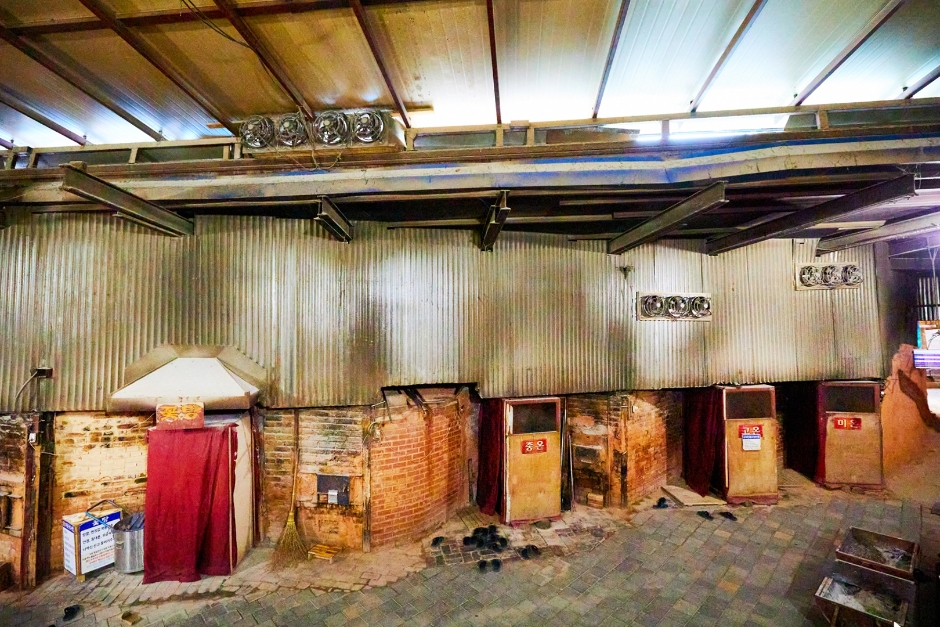
Jjimjjilbang, a Korean-style sauna that combines a traditional bathhouse with a hot steam room, is often ranked high among the unique experiences in Korea chosen by foreigners. Taking a steam bath in a charcoal kiln discharges waste products from the skin through sweat and eliminates accumulated fatigue. Supsok Hanbang Land has several charcoal kilns for different temperatures. Using them in order from low to high-temperature rooms is good, but the highest-temperature room, “Kkottang,” has a risk of causing skinburn, so visitors are advised to wear socks and cotton gloves to enter the room. Another unique experience is to grill sweet potatoes or rice cakes on the brazier in front of the charcoal kiln.
![Goyang West Three Royal Tombs (The tomb of Queen Janggyeong) [UNESCO World Heritage] (고양 서삼릉(장경왕후) [유네스코 세계문화유산])](http://tong.visitkorea.or.kr/cms/resource/85/1150385_image2_1.jpg)
Goyang West Three Royal Tombs (The tomb of Queen Janggyeong) [UNESCO World Heritage] (고양 서삼릉(장경왕후) [유네스코 세계문화유산])
7.5Km 2024-02-07
233-126 Seosamneung-gil, Deogyang-gu, Goyang-si, Gyeonggi-do
Goyang West Three Royal Tombs is a significant historical site comprising three major royal burial grounds in the western area. Huireung Royal Tomb is dedicated to Queen Janggyeong (1491-1515), the consort of King Jungjong during the Joseon dynasty. Hyoreung Royal Tomb is the resting place of King Injong (1515-1545) and his queen, Inseong. Yereung Royal Tomb holds the remains of King Cheoljong (1831-1864) and his queen, Cheorin. This area is home to numerous tombs and relics belonging to various members of the Joseon royal family.
Hyangnamu Tree in Changdeokgung Palace (창덕궁 향나무)
7.5Km 2025-01-13
99, Yulgok-ro, Jongno-gu, Seoul
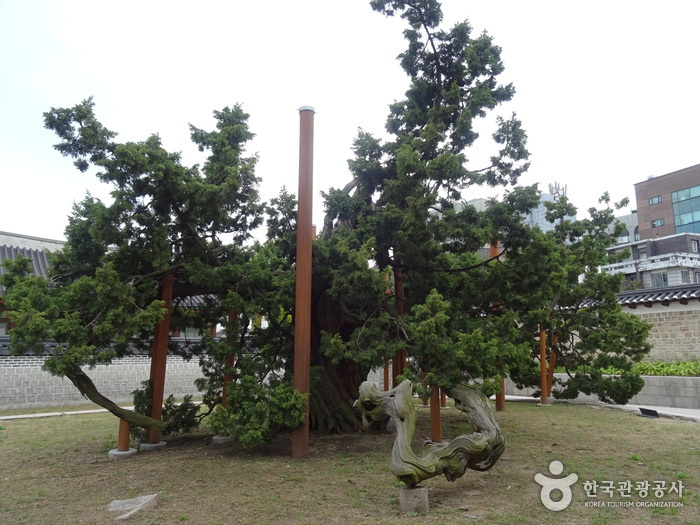
Hyangnamu or 'Aromatic Tree' in Changdeokgung Palace is estimated to be about 700 years old, meaning it had likely been planted before the palace was built. It stands 12m in x_height, measures 5.9m in girth around the roots, and has branches spreading in all four directions. It is designated and protected as a National Natural Monument.

Korean Museum of Straw and Life (짚풀생활사박물관)
7.6Km 2022-09-15
45, Sungkyunkwan-ro 4-gil, Jongno-gu, Seoul
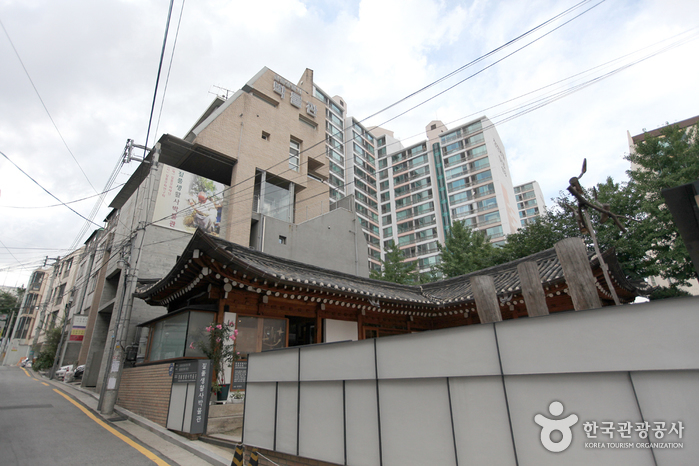
Korean Museum of Straw and Life is a private museum dedicated to the collection, research, and display of materials and historical accounts of diverse straws and their uses in Korea. As Koreans' lifestyle in the past heavily depended on agriculture and cultivation of crops, straws and grasses were easily found and had many uses. The museum aims to educate the general public of how different straw were produced and used by Korean ancestors as well as their significance in connection with today's lifestyle.
Seoul Museum of Craft Art (SeMoCA) (서울공예박물관)
7.6Km 2025-06-19
4 Yulgok-ro 3-gil, Jongno-gu, Seoul
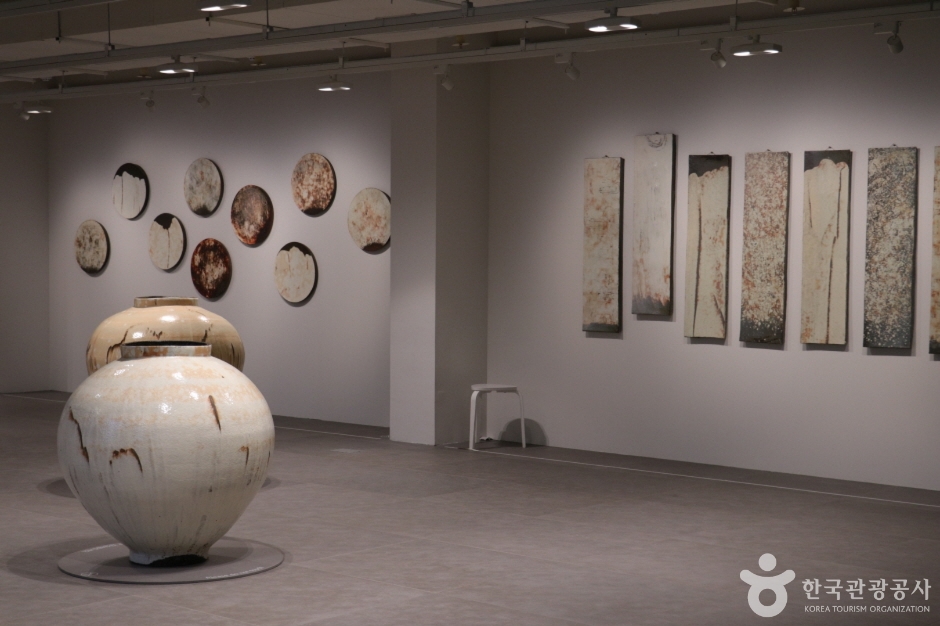
The Seoul Museum of Craft Art (SeMoCA), the first public museum of craft art in Korea, opened its doors in Anguk-dong, Jongno-gu, in July 2021 after renovating five buildings of the former Pungmoon Girls’ High School. SeMoCA studies and shares not only works, but also information, records, people, and environment related to craft art with the goal of becoming a dynamic platform for experiencing the technical, practical, artistic, and cultural values of craft.
SeMoCA holds a collection that comprises various crafts and craft materials covering multiple fields and eras from the traditional to the present. SeMoCA also holds exhibitions that feature the history of craft from traditional to contemporary art as well as local and children’s crafts, along with programs that utilize the museum’s craft installations, craft archives, craft library, and craft resource management system.
The site of the museum has deep historical roots as it is also the Andong Secondary Palace Site, where a detached palace was constructed as a royal residence for King Sejong’s son Prince Yeongeung, and served as a venue for royal celebrations, such as the wedding of King Sunjong. The site is also at the center of Jongno-gu, where Joseon-era master artisans (“gyeonggongjang”) of the royal palace produced and delivered craft works.
Sejong-ro Park (세종로공원)
7.6Km 2022-08-31
jiha 189, Sejong-daero, Jongno-gu, Seoul
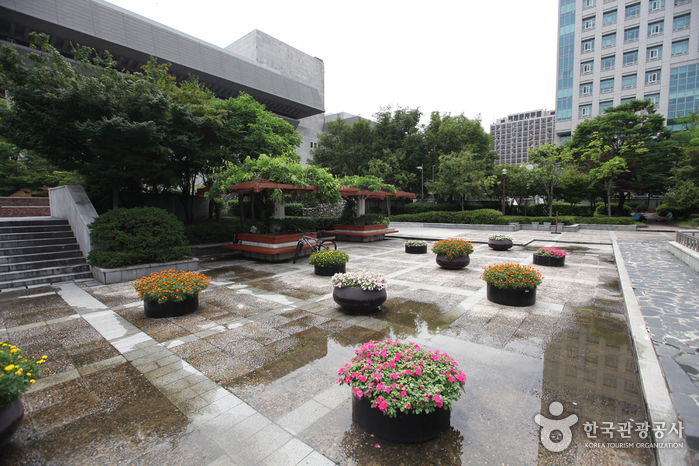
Sejong-ro Park is located next to Sejong Center for the Performing Arts in central Seoul. Inside the park, there are wooden benches and shaded areas where people can sit and relax. Also available are water fountains, a round outdoor stage, and various sculptures. The lunch crowd from the nearby office buildings often come to the park during weekdays. On the weekends, the park is also used as a venue for outdoor weddings.
Seoul's anthem and the poem "Bulnori" by Ju Yo-han are written on a memorial stone that can be found inside the park.
Matthew Chang Anguk (메튜장 안국)
7.6Km 2025-07-14
33 Yulgok-ro, Jongno-gu, Seoul
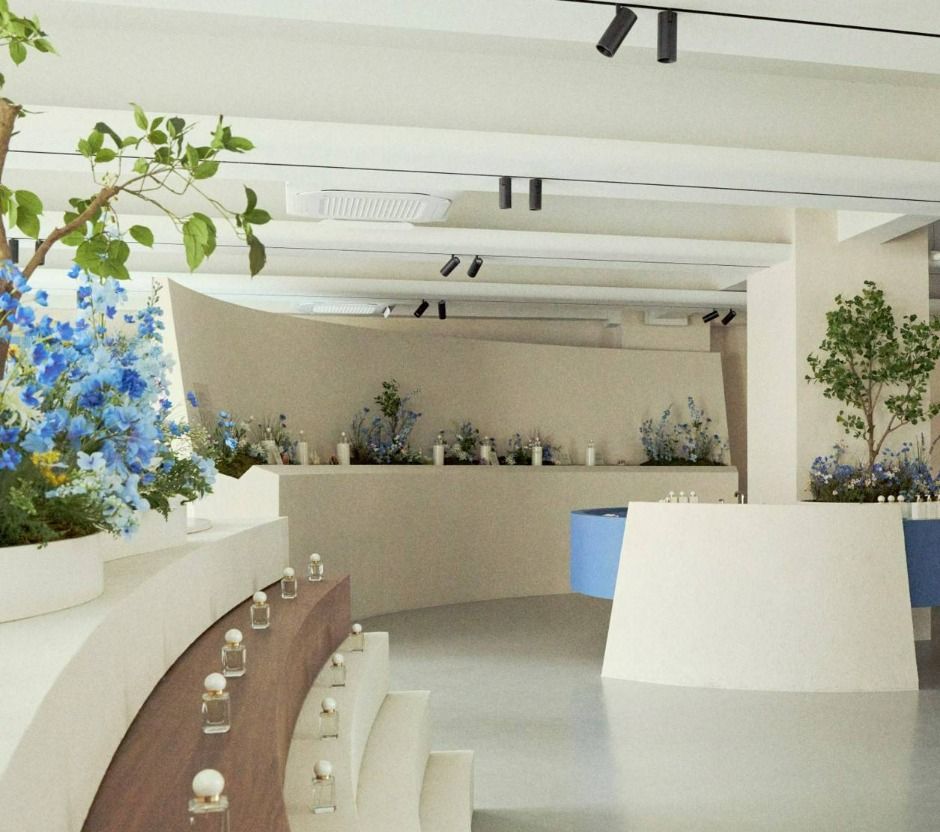
Matthew Chang Anguk flagship store uses the whole space to bring the brand's philosophy to life through fragrance. Located in Anguk, the heart of Korea's tradition and aesthetics, the store's tranquil atmosphere sets the mood for visitors to try on and experiment with the brand's carefully selected perfume collection. The staff provides assistance in recommending the perfect scent according to visitor's preference, mood, and nostalgia. The store also has a section dedicated to body care products, such as hand wash and body lotion.
Gwanghwamun Hanokjip (광화문한옥집)
7.6Km 2024-10-15
7, Saemunanro5ga-gil, Jongro-gu, Seoul
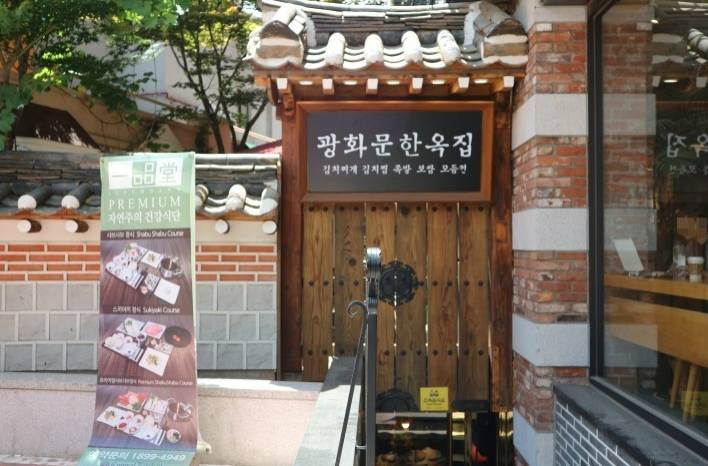
A store with rooms reproducing a traditional kitchen. The best menu at this restaurant is napa wraps with pork. This is a Korean cuisine located in Gwanghwamun Gate, Seoul.
Changdeokgung Injeongmun Gate (창덕궁 인정문)
7.7Km 2025-01-14
99, Yulgok-ro, Jongno-gu, Seoul
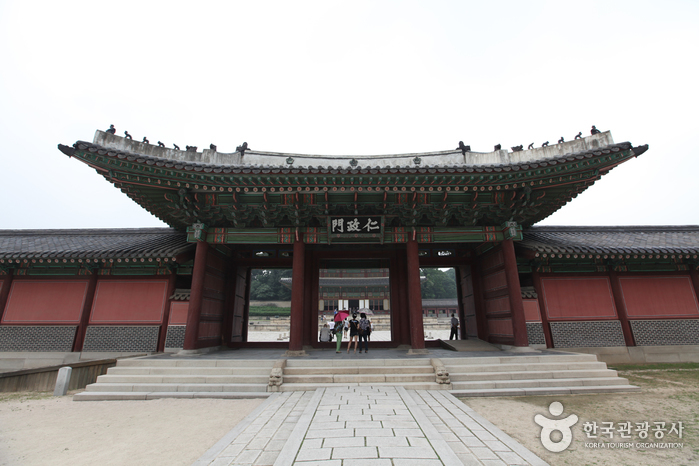
Serving as the main gate of Injeongjeon Hall, Injeongmun Gate was established in 1405 (5th year of King Taejo’s reign during the Joseon dynasty). Later on, the gate was destroyed by multiple fires during the Imjin War (Japanese invasion of Korea in 1592), therefore current form of the establishment displays designs that are more often seen in the late 19th century's. In addition, a lot
of subsidary marks and buildings are removed from the original places and relocated passing the time, however, still remains to represent prestigious ambience.
Injeongmun Gate served as the place for several coronation ceremonies of kings, prince's succession of throne, and many other national affairs celebrated by the royal members who gathered and aligned around this gate.
 English
 한국어
한국어 日本語
日本語 中文(简体)
 Deutsch
 Français
 Español
 Русский


