
Dongdaemun Design Plaza (동대문디자인플라자 (DDP))
6.6Km 2024-10-24
281 Eulji-ro, Jung-gu, Seoul
Dongdaemun Design Plaza (DDP) has a meaning of Dream, Design, and Play. It holds various exhibitions, fashion shows, forums, conferences, and other domestic and international events. The building complex is divided into sections, which are named Allimteo, Beaumteo, Sallimteo, DDP Design Museum, Design Market & Eoullim Plaza, and Dongdaemun History & Culture Park. Designed by world-renowned architect Zaha Hadid, the building's exterior attracts the attention of many photographers with its delicate curves and bold shapes.
Seoul City Wall Museum (한양도성박물관)
6.6Km 2023-12-22
283, Yulgok-ro, Jongno-gu, Seoul
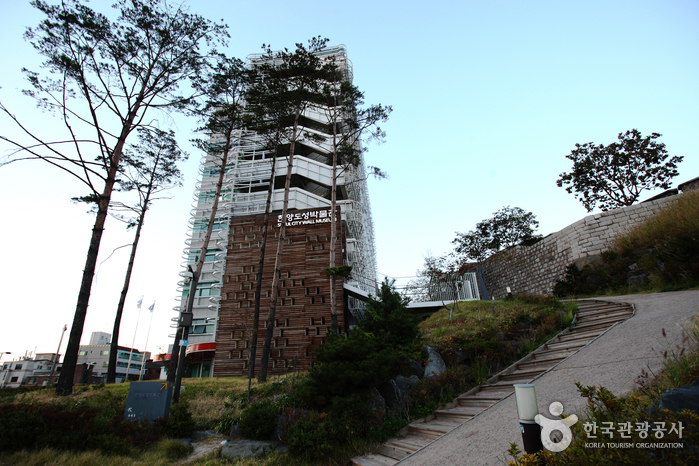
Hanyangdoseong, the Seoul City Wall, built in 1396, was the city fortress wall that protected the capital city Seoul for over 600 years. The fortress wall was built along the terrains and although it became partially damaged during the modernization process, its original form remains well to this day, making it a cultural heritage that coexists with the modern city. The Seoul City Wall Museum, located in Heungjinjimun Park, is a museum containing the history and culture of city wall from the Joseon dynasty to the present. It is a cultural space with a permanent exhibition hall, special exhibition hall, city wall information center, and study room.
Dongdaemun History & Culture Park (동대문역사문화공원)
6.6Km 2024-11-27
281 Eulji-ro, Jung-gu, Seoul
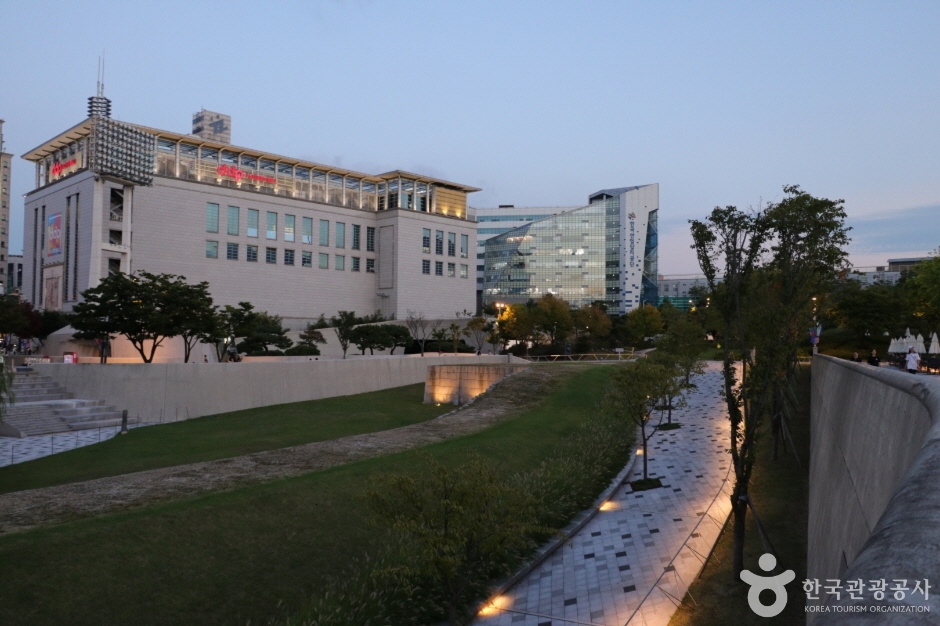
Dongdaemun History & Culture Park is a park established on the former site of the Dongdaemun Stadium. It serves as a thematic park showcasing the history and culture of Seoul, while also providing a space to experience modern design and culture. During the park's development in 2008, numerous artifacts from the Joseon dynasty, including The Two Floodgates, the Chiseong Castle, Military Training Agency, and over 1,000 relics from the Joseon era, were excavated. Alongside the park, there is the Dongdaemun Design Plaza (DDP) and the Relic area.
Sooyeon Sanbang (수연산방)
6.6Km 2025-10-23
8 Seongbuk-ro 26-gil, Seongbuk-gu, Seoul
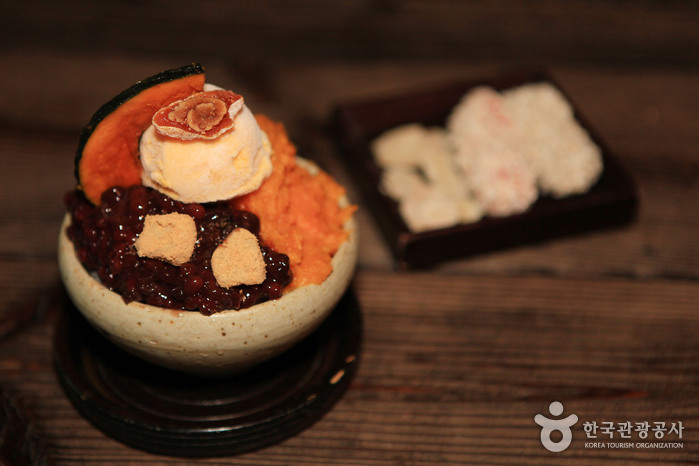
Sooyeon Sanbang is a traditional tea house located in Seongbuk-dong. It was originally built during the Japanese colonial period and was the hanok of the literary figure Lee Taejun. Today, it is operated as a tea house by the writer's granddaughter. The name Sooyeon Sanbang means "a house where literati gather in the mountains." Visitors can enjoy traditional teas such as daechucha (jujube tea) and ssanghwacha (medicinal herb tea), along with snacks like injeolmi (bean-powder-coated rice cake).
Cheongansa Temple (천간사)
6.6Km 2021-10-12
20-8, Bulgwang-ro 10-gil, Eunpyeong-gu, Seoul
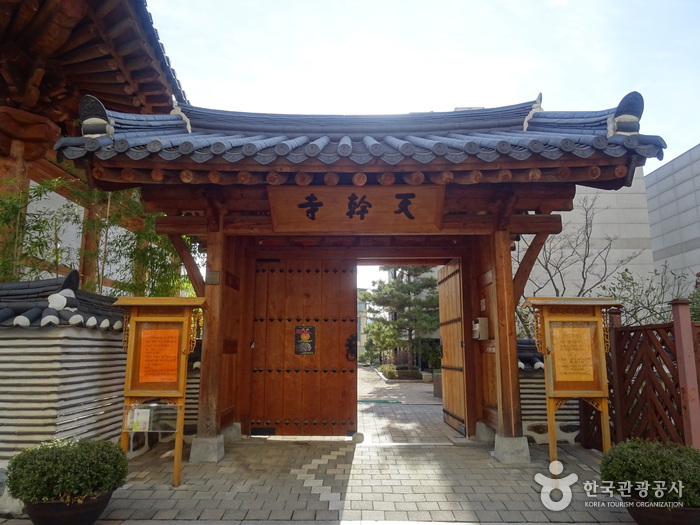
Cheongansa Temple was first built in 1960, and was re-built in 2009. It has many pagodas and monuments: a pagoda filled with sari relics of Buddha; Budotap Pagoda, which is a shrine to the monk who found the temple and his sacred relics; and a monument honoring the late first lady Yuk yeong-su. The re-built temple was awarded the Hanok Prize in the Hanok Competition 2011. Located along the Bukhansan Mt. Dulaegil Trail, the temple provide visitors with the chance to enjoy fresh air and a rest from hiking along the trail.
Soon Chun Hyang University Hospital Seoul (순천향대학교 부속 서울병원)
6.6Km 2025-10-23
59 Daesagwan-ro, Yongsan-gu, Seoul
Soonchunhyang University Hospital Seoul has established a systematic and dedicated system for international patients covering all stages from pre-entry processes to departure and aftercare. Based on the medical records provided by the patient, we consult with the medical staff of each specialty to come up with an estimated treatment plan and costs to help patients prepare for their treatment in Korea. Our dedicated outpatient and inpatient teams provide expert medical interpretation, guidance, and integrated appointment management to ensure prompt and organized medical care for international patients throughout their stay. Complete with spacious and comfortable rooms, the International Ward is staffed by coordinators and a nursing team reserved for international patients. Multidisciplinary care with organized systems, state-of-the-art medical equipment, and top-notch medical staff ensure accurate diagnosis and the best treatment outcomes possible.
Heunginjimun Gate - Dongdaemun Gate (흥인지문)
6.6Km 2025-10-23
288, Jong-ro, Jongno-gu, Seoul
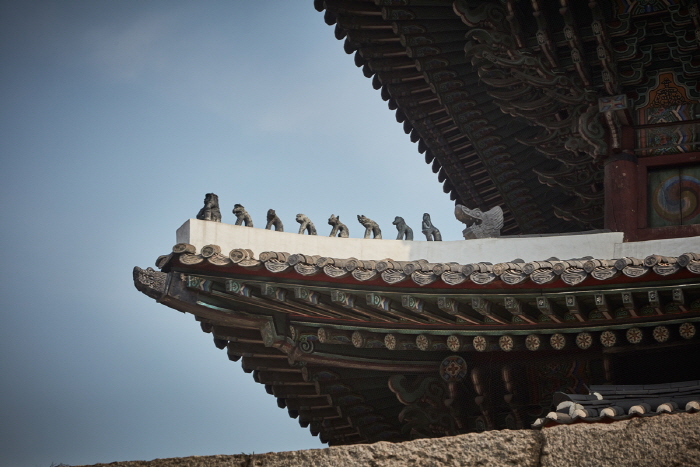
Heunginjimun Gate was built to protect Hanseongbu, which historically housed essential government facilities. Heunginjimun Gate was the gate on the east side of the outer wall of Seoul Fortress among eight gates. It is referred to as Dongdaemun Gate as well. The gate was constructed during King Taejo’s 5th year in 1396, remodeled during the reign of King Danjong in 1453, and was newly built in 1869 during the sixth year of King Gojong’s reign in 1869.
The gate features a hipped roof with five front and two side compartments on a two-storied building. The thin and weak bracket system supports the eaves and is excessively decorated, reflecting the construction features of the late Joseon period. Also, outside of the fortress is the half-circle-shaped Ongseong, a small wall, to protect the gate.
One of the unique factors of Heunginjimun Gate is that it is the only gate among Seoul’s eight to have Ongseong, further exhibiting the style of construction used during the late Joseon period.
Geumdwaeji Sikdang (금돼지식당)
6.7Km 2025-10-28
149 Dasan-ro, Jung-gu, Seoul
Geumdwaeji Sikdang is renowned as one of the top three pork restaurants in Seoul, specializing in pork dishes. Its signature menu item is the nunkkon moksal (grilled pork shoulder), known for its marbled appearance resembling snowflakes. Bonsamgyeop (grilled bone-in pork belly) and deungmoksal (short loin and pork shoulder) are also popular choices. They offer fragrant basil wraps as a side dish, which perfectly complements the slightly grilled basil with the juicy and flavorful meat, creating a harmonious taste sensation that is considered a delicacy at this establishment.
Kansong Art Museum (간송미술관(서울 보화각))
6.7Km 2025-06-30
102-11 Seongbuk-ro, Seongbuk-gu, Seoul
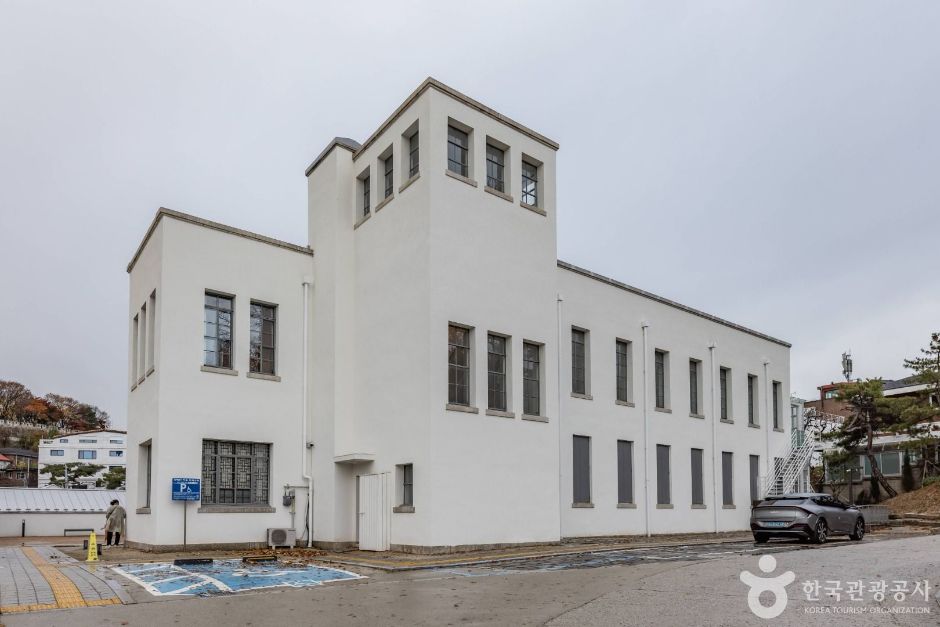
Kansong Art Museum was the first private art museum in Korea, opened as Bohwagak in 1938 by Kansong Jeon Hyeong-pil. The name was changed to the current Kansong Art Museum in 1966. Bohwagak was designated as National Registered Cultural Heritage No. 768 on December 30, 2019. Jeon Hyeong-pil dedicated his life to preserving and researching Korea’s representative relics that were devaluated and purposefully obliterated during the Japanese colonial era, as well as to acknowledging their cultural excellence and beauty. The museum houses 11 national treasures and 24 treasures.
 English
 한국어
한국어 日本語
日本語 中文(简体)
 Deutsch
 Français
 Español
 Русский


