
Olive Young - Homeplus Buksuwon Branch [Tax Refund Shop] (올리브영 홈플러스북수원)
16.0Km 2024-04-23
930, Gyeongsu-daero, Jangan-gu, Suwon-si, Gyeonggi-do
-
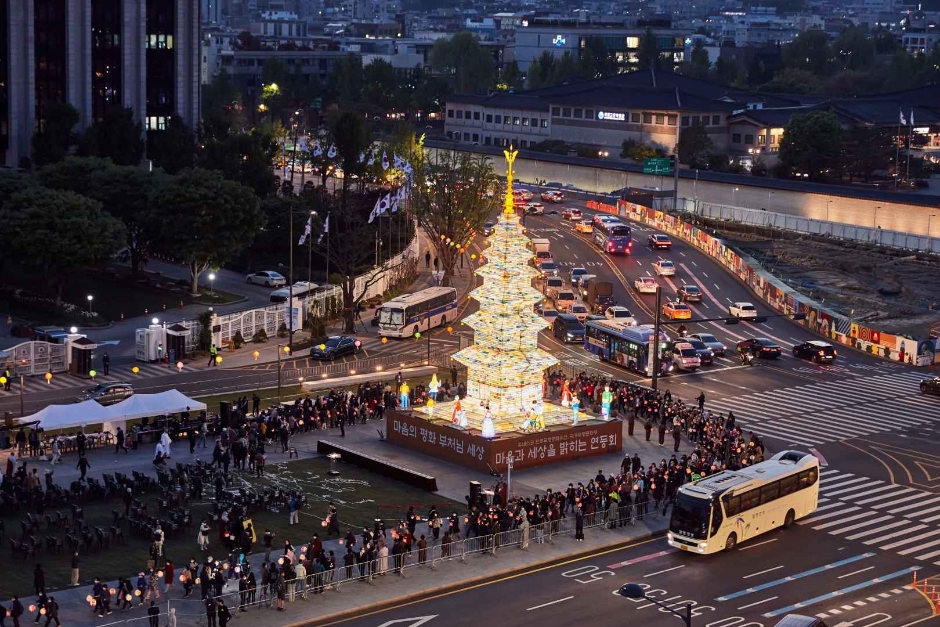
Yeon Deung Hoe (Lotus Lantern Festival) (연등회)
16.0Km 2025-04-09
55 Ujeongguk-ro, Jongno-gu, Seoul
+82-2-2011-1744~7
Started approximately 1,200 years ago during the Silla dynasty and continued through the Goryeo Yeon Deung Hoe and Joseon lantern festival, the Yeon Deung Hoe Festival is a traditional festival registered as an Intangible Cultural Heritage and UNESCO Masterpiece of the Oral and Intangible Heritage of Humanity. The lanterns at Yeon Deung Hoe Festival brighten the heart and the world!
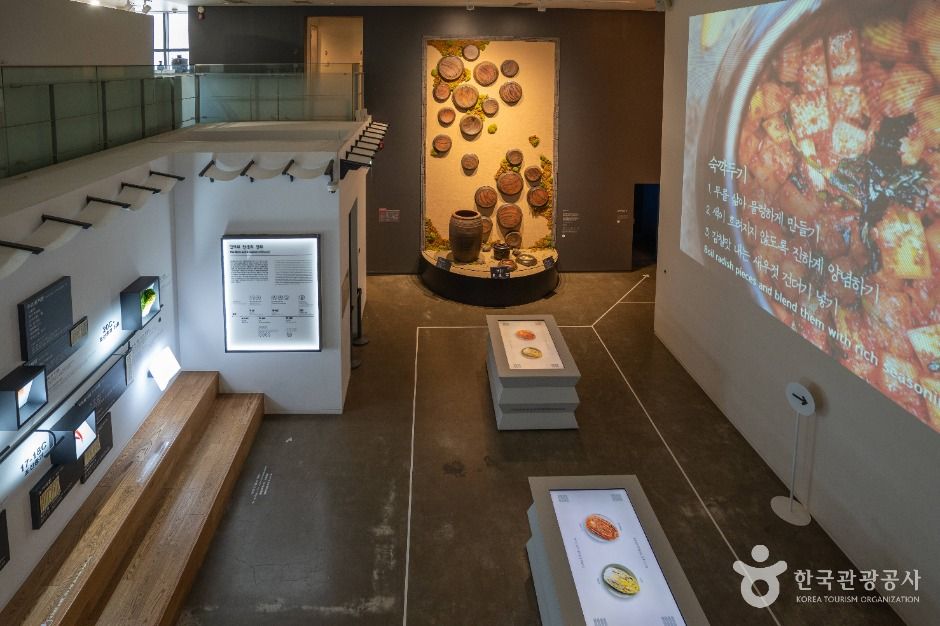
Museum Kimchikan (뮤지엄 김치간)
16.0Km 2025-06-19
(4-6th floor, Maru Art Center), 35-4 Insadong-gil, Jongno-gu, Seoul
Museum Kimchikan is a museum dedicated to kimchi in Insa-dong’s Maru Art Center. The exhibition details the culture, history, trajectory, and efficacy of kimchi and teaches the visitors how to make kimchi through videos. Visitors can also sample different types of kimchi. The museum offers both individual and group experience programs.
HANILKWAN - Gwanghwamun Branch (한일관 광화문)
16.0Km 2024-03-18
50, Jong-ro 1-gil, Jongno-gu, Seoul
+82-2-722-7557
It is a store that has been operating with a long tradition since 1939. This Korean dishes restaurant is located in Jongno-gu, Seoul. The most famous menu is bulgogi.
Balwoo Gongyang (발우공양)
16.0Km 2024-01-05
56 Ujeongguk-ro, Jongno-gu, Seoul
Balwoo Gongyang, located in front of the main gate of Jogyesa Temple, is a temple food restaurant operated by the Cultural Corps of Korean Buddhism. It was selected as a 1-star restaurant by the Michelin Guide for three consecutive years from 2017 to 2019 and it is so popular that reservations must be made a month in advance. “Balwoo” refers to meals for monks and it means that the act of eating is also a process to realizing the truth. The restaurant offers five types of course menus inspired by Buddhist teachings that are served in the order of Suljuksim, Juksang, Sangmi (嘗味), Dammi (噉味), Seungso (僧笑), Youmi (愈味), and Ipgasim. The menu is made with seasonal ingredients to bring out the best flavor of each season. The course meal starts with appetizing kimchi stew according to the traditional Korean meal culture. Then it is followed by porridge, seasonal salad, rice and stew, side dishes, tea, and dessert, satisfying both the taste buds and health. Those who wish to experience an authentic temple meal are recommended to try the Beop Course.
Templestay Information Center (템플스테이 홍보관)
16.0Km 2022-10-17
56, Ujeongguk-ro, Jongno-gu, Seoul
+82-2-2031-2000
Templestay Information Center offers various information and services regarding templestays and temple meals for domestic and international visitors. The center also operates traditional cultural experiences, such as tea time with a Buddhist monk, traditional culture activities and more.
Jongmyo Shrine [UNESCO World Heritage] (종묘 [유네스코 세계유산])
16.0Km 2024-07-05
157 Jong-ro, Jongno-gu, Seoul
+82-2-765-0195
Jongmyo Shrine was the primary place of worship for kings and their queens throughout the Joseon dynasty. The shrine was built at the same time as Gyeongbokgung Palace, under the orders of King Taejo, the first king of the Joseon dynasty. The shrine is the site of the royal memorial service, called Jongmyo Jaerye, a national event that has been passed down since the Three Kingdoms period. During the Joseon dynasty, the ritual was held on the first month of a seasonal change and the twelfth month of the lunar year.
![Rawrow - Kwangjang Market Branch [Tax Refund Shop] (로우로우 광장시장)](http://tong.visitkorea.or.kr/cms/resource/29/2878229_image2_1.jpg)
Rawrow - Kwangjang Market Branch [Tax Refund Shop] (로우로우 광장시장)
16.0Km 2024-04-19
Store #239, Gwangjang Market, 88, Changgyeonggung-ro, Jongno-gu, Seoul
-
Yetchatjip (옛찻집)
16.0Km 2024-03-18
33-1 Insadong-gil, Jongno-gu, Seoul
+82-2-722-5332
Yetchatjip in Insa-dong offers a variety of teas including ssanghwacha (medicinal herb tea), jujube tea, lotus leaf tea, ginger tea, and citrus tea. Their signature dish during the summer is the yennal patbingsu (old-fashioned shaved ice with red beans), topped with sweet red bean and sweet rice cakes, served on finely shaved ice. Additionally, they offer traditional Korean snacks such as grilled rice cake stick, yakgwa (honey cookie), and traditional Korean sweets to accompany the tea.
 English
 한국어
한국어 日本語
日本語 中文(简体)
 Deutsch
 Français
 Español
 Русский


