![Hwachang Co., Ltd. - Seoul Branch [Tax Refund Shop] (화창토산 서울)](http://tong.visitkorea.or.kr/cms/resource/71/2889071_image2_1.jpg)
Hwachang Co., Ltd. - Seoul Branch [Tax Refund Shop] (화창토산 서울)
15.7Km 2024-04-18
212, Yeonhui-ro, Seodaemun-gu, Seoul
-
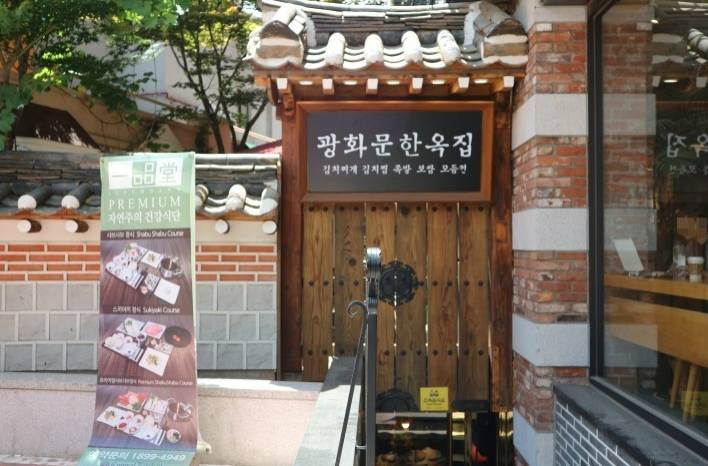
Gwanghwamun Hanokjip (광화문한옥집)
15.7Km 2024-10-15
7, Saemunanro5ga-gil, Jongro-gu, Seoul
+82-2-731-2500
A store with rooms reproducing a traditional kitchen. The best menu at this restaurant is napa wraps with pork. This is a Korean cuisine located in Gwanghwamun Gate, Seoul.
![Artbox - Jamsilsaenae Branch [Tax Refund Shop] (아트박스 잠실새내점)](http://tong.visitkorea.or.kr/cms/resource/21/3314521_image2_1.jpg)
Artbox - Jamsilsaenae Branch [Tax Refund Shop] (아트박스 잠실새내점)
15.7Km 2024-06-27
88, Seokchonhosu-ro, Songpa-gu, Seoul
-
![Homeplus - Ansan Seonbu Branch [Tax Refund Shop] (홈플러스 안산선부)](http://tong.visitkorea.or.kr/cms/resource/09/2888509_image2_1.jpg)
Homeplus - Ansan Seonbu Branch [Tax Refund Shop] (홈플러스 안산선부)
15.7Km 2024-04-19
316, Samil-ro, Danwon-gu, Ansan-si, Gyeonggi-do
-
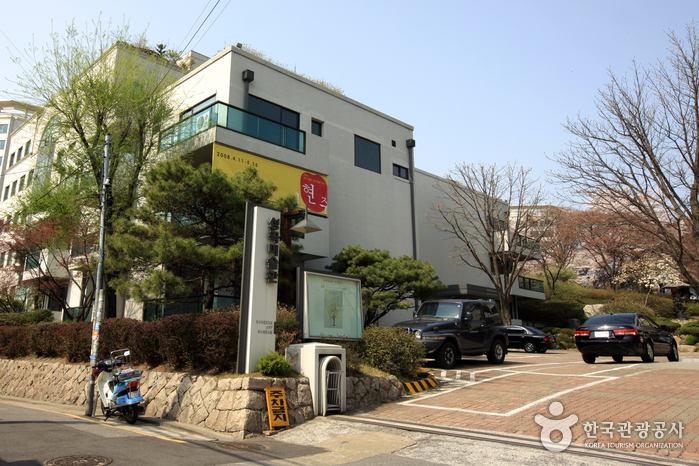
Sungkok Art Museum (성곡미술관)
15.7Km 2021-02-10
42, Gyeonghuigung-gil, Jongno-gu, Seoul
+82-2-737-7650
Sungkok Art Museum was founded in 1995 by the Korean corporation Ssangyong to promote Korean art. The gallery offers a special exhibition featuring modern artworks of Korean artists, as well as competitions and sponsorships to develop Korean art. In addition to the main building, there is an annex, as well as a tea house and art shop.
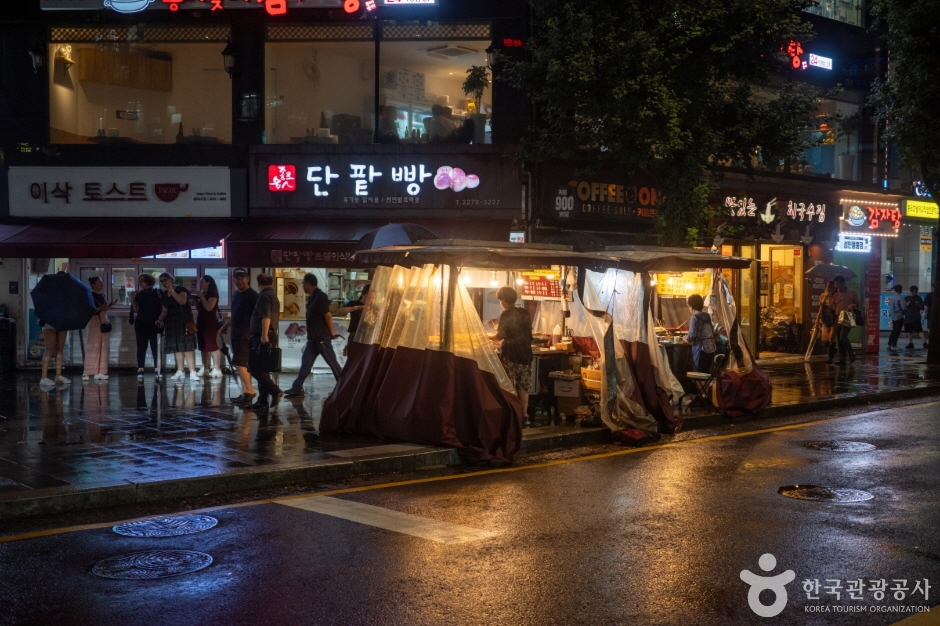
Jongno 3 (sam)-ga Pocha Street (종로3가 포장마차 거리)
15.7Km 2025-11-06
12-1, Gwan-su-dong, Jongno-gu, Seoul
It is one of Seoul's representative Pocha Streets boasting history and tradition. When you come out of Jongno 3-ga Station, exit 6 (toward the Nakwon Music Mall), you will find a lot of food stalls with a crowded atmosphere. There are vinyl covered areas and open areas, so you can choose according to your taste. It is a heaven for snacks such as Chicken feet, Octopus, Udon Kimchi Pancakes, and Rolled Omelet.
![Hoopcity Dongdaemun [Tax Refund Shop] (HOOPCITY 동대문)](http://tong.visitkorea.or.kr/cms/resource/51/2878751_image2_1.jpg)
Hoopcity Dongdaemun [Tax Refund Shop] (HOOPCITY 동대문)
15.7Km 2024-04-18
1F, 324, Toegye-ro, Jung-gu, Seoul
-
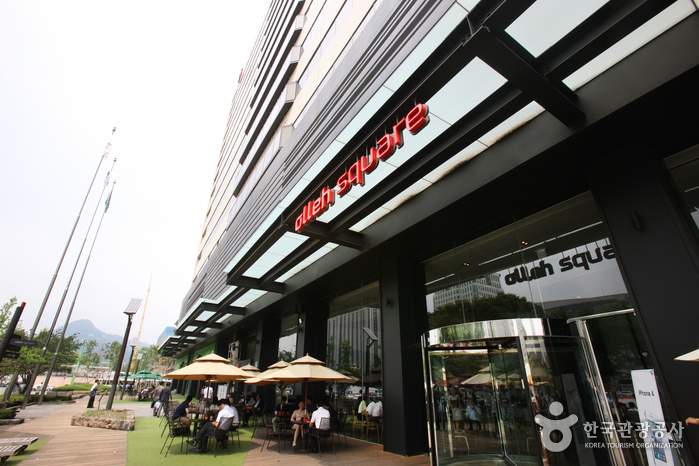
KT Square (KT스퀘어)
15.7Km 2021-07-08
178, Sejong-daero, Jongno-gu, Seoul
+82-1577-5599
KT Square is a multi-complex that offers various cultural performances as well as hands-on experiences of the latest in IT technology. Gallery 130 showcases the history of KT Corp.
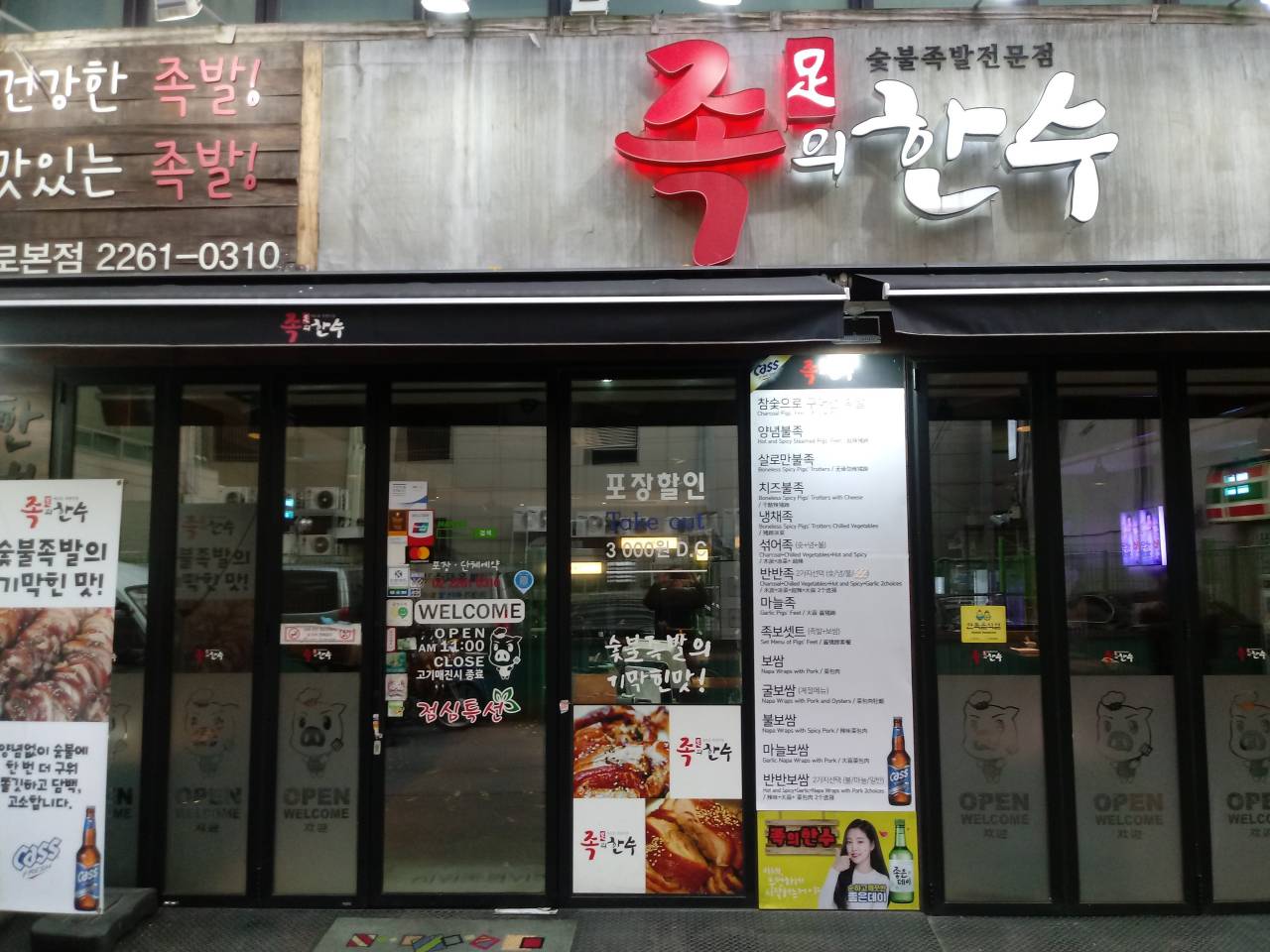
Jogui Hansu (족의한수)
15.7Km 2024-10-15
93-1, Supyo-ro, Jongno-gu, Seoul
+82-2-2261-0310
A pig's trotter(s) specialty restaurant located in Jongno, Seoul. This restaurant's signature menu is braised pigs' feet. A restaurant serving both charcoal-grilled jokbal (pig's trotter) and spicy jokbal.
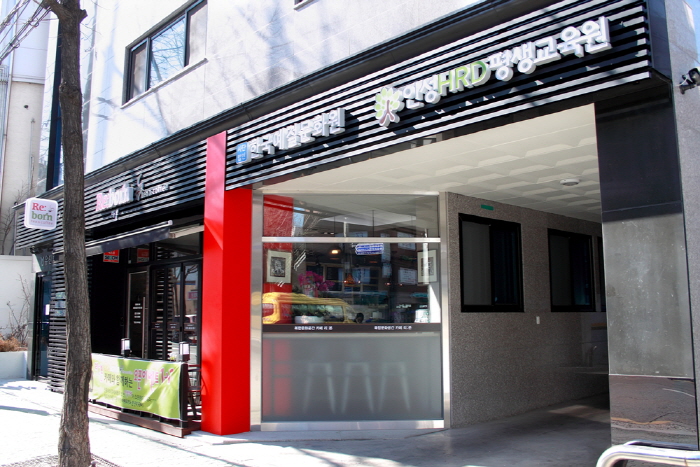
Korea Etiquette Institute (한국예절문화원)
15.7Km 2022-07-08
43 , Gajaeul-ro 4-gil, Seodaemun-gu, Seoul
+82-2-391-1988
Korea Etiquette Institue is dedicated to observing, researching, developing and passing down Korea's etiquette. Education programs are also available.
 English
 한국어
한국어 日本語
日本語 中文(简体)
 Deutsch
 Français
 Español
 Русский


