
Chungmuro Jjukkumi Bulgogi (충무로 쭈꾸미 불고기)
6.2Km 2024-03-11
11, Toegye-ro 31-gil, Jung-gu, Seoul
+82-2-2279-0803
Opened in 1976, Chungmuro Jjukkumi Bulgogi is Michelin-starred restaurant. Their signature dish is jjukkumi (webfoot octopus), which is marinated in hot seasoning using traditional know-how. Grilled over charcoal with pen shells, it offers a perfect dish. The spicy and sweet jjukkumi goes well with the bean sprout soup. When you're done eating, fry up some rice and enjoy a delicious meal.
Dongbangmyeongju Chungmuro Main Store (동방명주 충무로점)
6.2Km 2024-02-28
186 Toegye-ro, Jung-gu, Seoul
Dongbangmyeongju is a Chinese cuisine restaurant located near Namsangol Hanok Village. The flagship dish is jjajangmyeon (black bean sauce noodles), and they offer a variety of other menu items such as tangsuyuk (deep-fried pork with sweet and sour sauce) and sacheontangmyeon (Chinese Sichuan noodle soup). The surrounding area boasts various attractions and culinary delights, including Myeongdong and Namsan Tower, providing a panoramic view of Seoul.
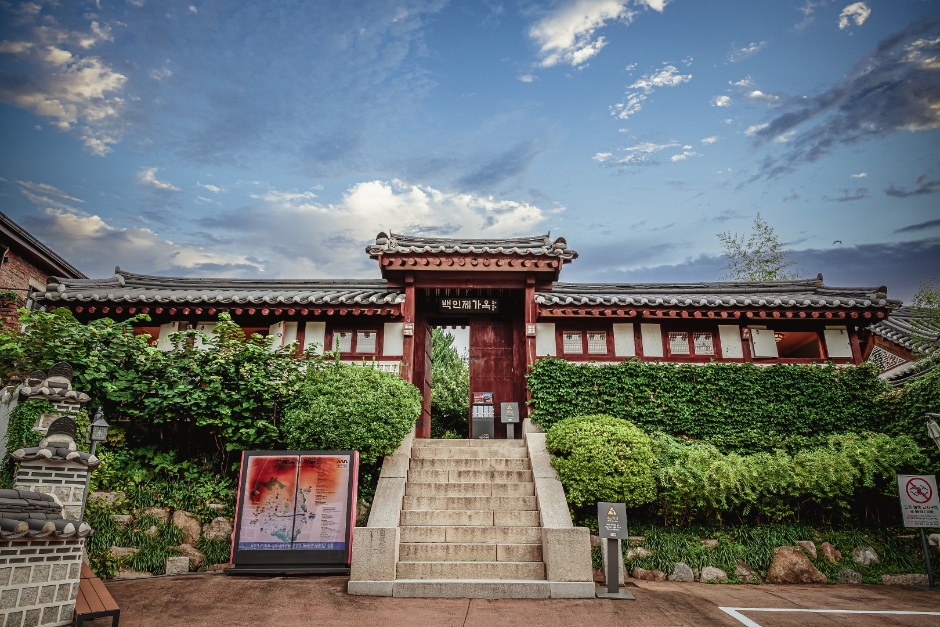
Baek In-je House (백인제가옥)
6.2Km 2025-10-24
16 Bukchon-ro 7-gil, Jongno-gu, Seoul
+82-2-724-0200
Baek In-je House, located in Bukchon Hanok Village, is a hanok built during the Japanese administration period that portrays modern hanok features. The structure consists of a main room offering a good view of the whole village, spacious bedrooms, a large garden, and annex buildings. As it maintains the beauty of a traditional hanok while incorporating the modern trend of its time, Baek In-je House is considered to be highly valuable in means of both architecture and history, representing the Bukchon Hanok Village together with Yun Bo-seon House.
Baek In-je House was built from black pine, which was first introduced in Seoul during the Gyeongseong Expo in 1907, distinguishing itself from other upper-class houses of its time. Unlike other traditional hanok designs that separate the main building from the other rooms, Baek In-je House connects the two with a hallway, allowing convenient access between the two structures. The house also consists of a Japanese-style hallway and floor mat rooms, reflecting the interior trends of that period. Baek In-je House is also unique in that the main room is partially built as a two-story structure, a style that was never seen in any traditional hanok built during the Joseon period.
Cheongsujeong (청수정)
6.2Km 2024-03-18
91 Samcheong-ro, Jongno-gu, Seoul
Cheongsujeong is a traditional Korean restaurant specializing in mussel dishes near Gyeongbokgung Palace. Mussel rice is a traditional dish from Ulleungdo Island. The signature menu is the honghapbap jeongsik (mussel rice set menu), which includes mussel-infused rice served with soybean paste jjigae, various side dishes such as salads, acorn jelly, kimchi, grilled fish, and more. Additionally, they offer dishes like bulgogi deopbap (stir-fried bulgogi with rice), jeyukbokkeum (spicy stir-fried pork), and ojingeo bokkeum (stir-fried squid).
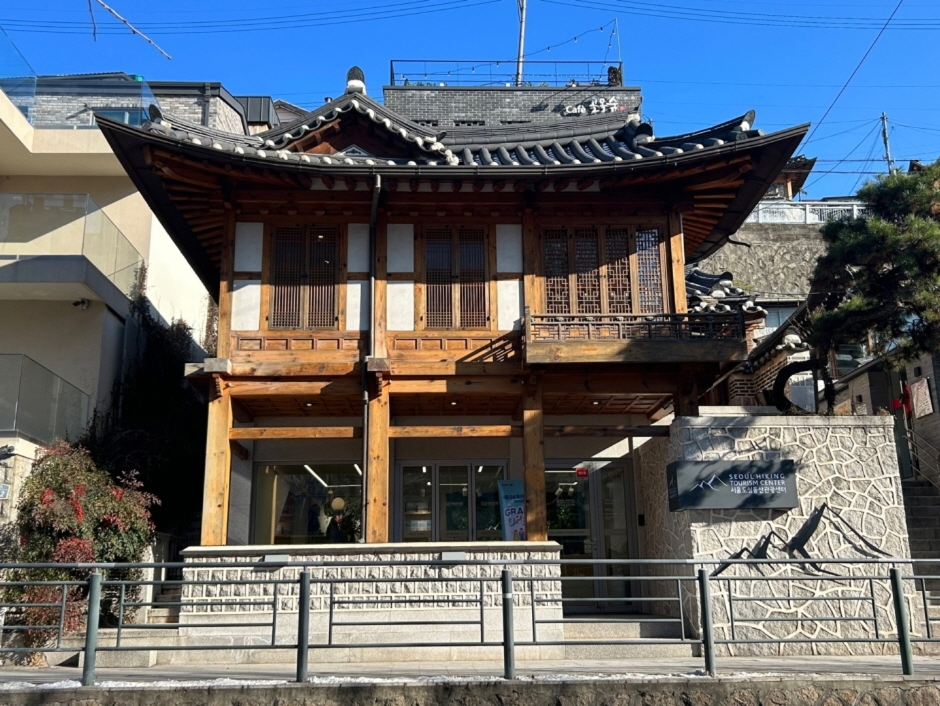
Seoul Hiking Tourism Center - Bugaksan Branch (서울도심등산관광센터(북악산))
6.2Km 2024-03-05
88 Samcheong-ro, Jongno-gu, Seoul
The Bugaksan branch of Seoul Hiking Tourism Center is located on Samcheong-dong Culture Street and provides various services to hikers. It provides hiking course guidance and information (available in Korean, English, Chinese, and Japanese) about the mountains of Seoul, including Bukhansan, Bugaksan, and Inwangsan Mountains, as well as promotional materials such as Seoul hiking tourism guidebooks and maps. Also, it operates hiking tour programs with various themes every week for foreigners and offers hiking gear rental services such as hiking boots, hiking attire, trekking poles, gloves, and crampons for foreigners. (Koreans accompanied by foreigners can also rent the gear.) In addition, there is a storage locker and lounge for visitors, so they can pack up and rest before hiking.
![Converse [Tax Refund Shop] (컨버스)](http://tong.visitkorea.or.kr/cms/resource/76/2891176_image2_1.jpg)
![Olive Young - Gayang Station Branch [Tax Refund Shop] (올리브영 가양역)](http://tong.visitkorea.or.kr/cms/resource/04/2880104_image2_1.jpg)
Olive Young - Gayang Station Branch [Tax Refund Shop] (올리브영 가양역)
6.3Km 2024-04-18
1F, 476, Yangcheon-ro, Gangseo-gu, Seoul
-
![Olive Young - Itaewon Branch [Tax Refund Shop] (올리브영 이태원입구)](http://tong.visitkorea.or.kr/cms/resource/82/2878482_image2_1.jpg)
Olive Young - Itaewon Branch [Tax Refund Shop] (올리브영 이태원입구)
6.3Km 2024-04-18
1F, 145, Itaewon-ro, Yongsan-gu, Seoul
-
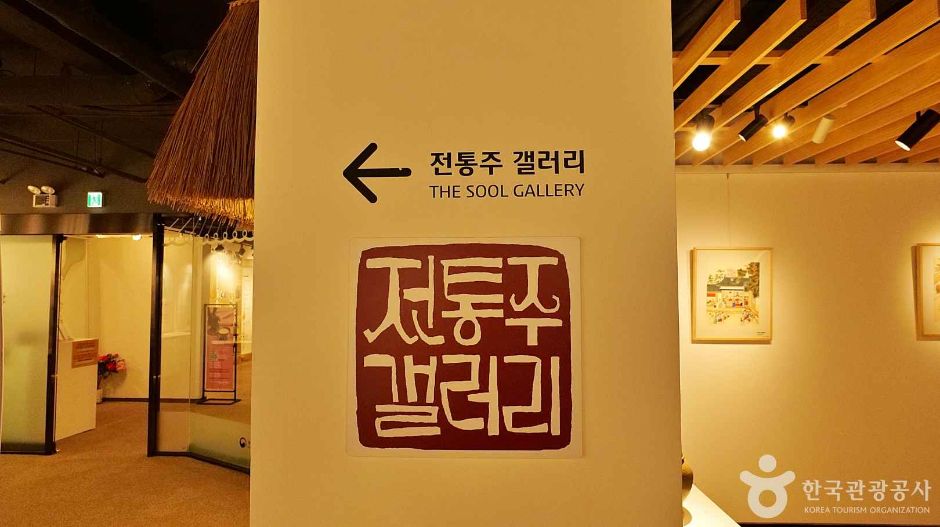
The Sool Gallery (전통주갤러리)
6.3Km 2025-06-19
18 Bukchon-ro, Jongno-gu, Seoul
The Sool Gallery is an exhibition and experience space for traditional Korean liquor, established to promote the taste, style, and cultural values of the time-honored traditional Korean liquor. It provides various information about traditional Korean liquor for consumers or international tourists who can rarely obtain such information elsewhere. In addition, it provides traditional liquor education and business counseling to food service businesses and sales experts to continuously create demand for traditional liquor and expand the market. It is run by experts specializing in traditional liquor, including traditional liquor sommeliers, and it holds events to introduce various traditional liquors with different themes every month, as well as tasting events. Moreover, according to the monthly changing “Recommended Traditional Liquor by Month,” it displays a drinking glass and a bottle of the month recommended by the Korea Craft & Design Foundation.
 English
 한국어
한국어 日本語
日本語 中文(简体)
 Deutsch
 Français
 Español
 Русский


