![Olive Young - Eungam Station Branch [Tax Refund Shop] (올리브영 응암역)](http://tong.visitkorea.or.kr/cms/resource/70/2888270_image2_1.jpg)
Olive Young - Eungam Station Branch [Tax Refund Shop] (올리브영 응암역)
5.6Km 2024-04-17
475, Jeungsan-ro, Eunpyeong-gu, Seoul
-
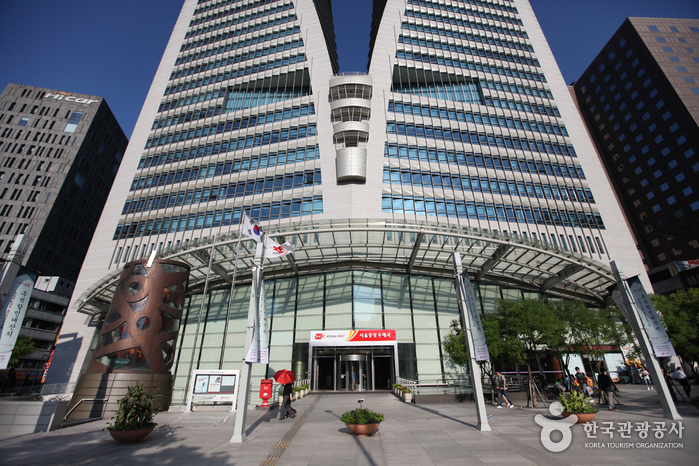
Korea Postage Stamp Museum (우표박물관(구.우표문화누리))
5.6Km 2024-03-06
B2, 70, Sogong-ro, Jung-gu, Seoul
+82-2-6450-5600
The Korea Postage Stamp Museum was established to promote stamp culture. Here, visitors can explore the history of stamps throughout the ages, with a wide variety of subjects and types. Its main facilities include Postal Service History, Hands-on Postage Stamp Experience, Informative Postage Stamps, and Philately Classroom. Reservations are required for weekend tours and can be made on the website.
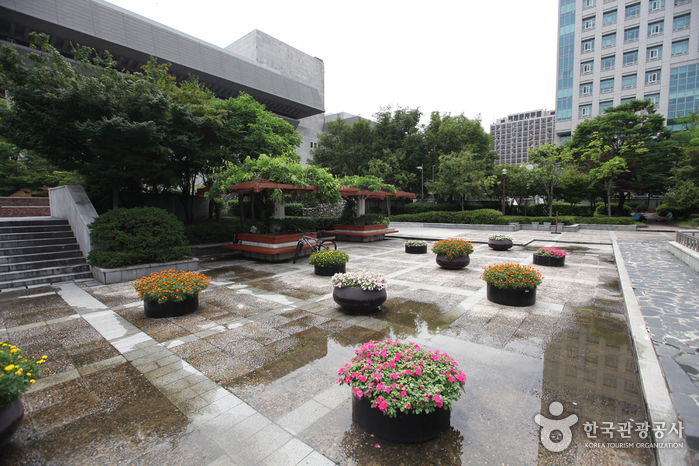
Sejong-ro Park (세종로공원)
5.6Km 2022-08-31
jiha 189, Sejong-daero, Jongno-gu, Seoul
+82-2-722-9598
Sejong-ro Park is located next to Sejong Center for the Performing Arts in central Seoul. Inside the park, there are wooden benches and shaded areas where people can sit and relax. Also available are water fountains, a round outdoor stage, and various sculptures. The lunch crowd from the nearby office buildings often come to the park during weekdays. On the weekends, the park is also used as a venue for outdoor weddings.
Seoul's anthem and the poem "Bulnori" by Ju Yo-han are written on a memorial stone that can be found inside the park.
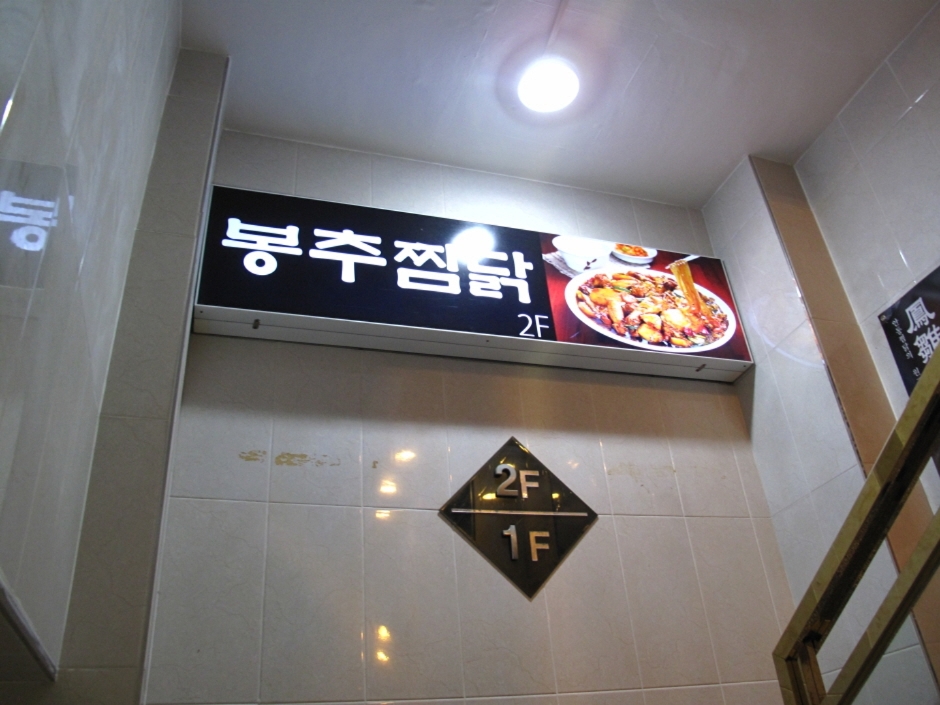
Bongchu Jjimdak Myeongdong Post Office (봉추찜닭 명동중앙우체국)
5.6Km 2024-03-12
47, Myeongdong, 8na-gil, Jung-gu, Seoul
+82-2-3789-9381
Located in Myeongdong Street, Bongchu Jjimdak Myeongdong Post Office branch specializes in jjimdak (braised chicken). Jjimdak is a Korean-style soy sauce glazed chicken that originated in the Andong region and features chicken stir-fried with potatoes, carrots, onions, garlic, glass noodles, and rice cakes. Their signature dish is ppyeo eomneun jjimdak (braised boneless chicken), which is easy to eat even for beginners. Its spicy level can be adjusted and cheese can be added to suit personal preferences.
![Myeong-dong Myeong Pharmacy [Tax Refund Shop] (명동명약국)](http://tong.visitkorea.or.kr/cms/resource/87/2878587_image2_1.jpg)
Myeong-dong Myeong Pharmacy [Tax Refund Shop] (명동명약국)
5.6Km 2024-04-19
#102, 11, Namdaemun-ro 7-gil, Jung-gu, Seoul
-
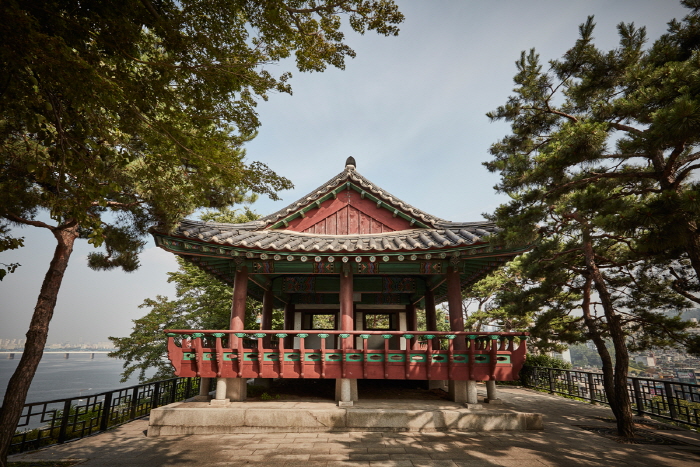
Hyosajeong Pavilion (효사정)
5.6Km 2025-01-13
55, Hyeonchung-ro, Dongjak-gu, Seoul
+82-2-820-9848
Hyosajeong Pavilion is where Nohan, the second vice premier of the Joseon dynasty during King Sejong and King Sejo’s reign, stayed. After he lost his mother, he built the pavilion to mourn at her grave while still being able to see his father’s grave in Gaeseong to the North. His brother-in-law, then Minister of the Interior, Gang Sa-deok named the pavilion “Hyosajeong,” which means pavilion of filial piety.
In order to find the original location of the pavilion, poems by Jeong Inji and Seo Geojeong and an old map of Korea were referenced, but the pavilion was not found because the surrounding landscape had changed too much. As a result, a location was selected and the pavilion was reconstructed at its current location. The house is 3 kan* in the front and 2 kan* on the side. The roof is a hip-and-gable roof. The pavilion has one room with under floor heating and a railing around the pavilion
(* kan: a traditional measurement that corresponds to the space between two columns)
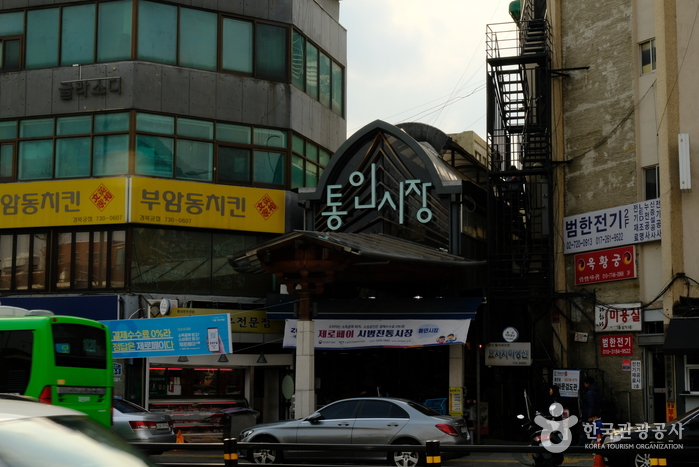
Tongin Market (통인시장)
5.6Km 2025-06-19
18 Jahamun-ro 15-gil, Jongno-gu, Seoul
Tongin Market dates back to June 1941, as a public market set up for Japanese residents near the Hyoja-dong neighborhood when Korea was still under Japanese rule. After the Korean War, the nation experienced a swift rise in population, which led to a natural increase in consumption and demand. As a result the area’s street vendors and stores used the former Tongin Market area as their marketplace. Now, Tongin Market consists of 75 stores, most of which are restaurants and grocery stores. There are also some shops selling manufactured goods like underwear and shoes.
![Mir Optical [Tax Refund Shop] (미르안경)](http://tong.visitkorea.or.kr/cms/resource/84/2878584_image2_1.jpg)
Mir Optical [Tax Refund Shop] (미르안경)
5.6Km 2024-04-23
Store #5, #6 of Myeongdong Underground Shopping Center, 67, Namdaemun-ro, Jung-gu, Seoul
-
![Kakao Friends - Young Plaza Myeong-dong Branch [Tax Refund Shop] (카카오프렌즈 영플라자명동)](http://tong.visitkorea.or.kr/cms/resource/08/2888408_image2_1.jpg)
Kakao Friends - Young Plaza Myeong-dong Branch [Tax Refund Shop] (카카오프렌즈 영플라자명동)
5.6Km 2024-04-18
1F Lotte Department Store Main Branch, 67, Namdaemun-ro, Jung-gu, Seoul
-
![Lego - Lotte Young Plaza Branch [Tax Refund Shop] (레고 롯데영플라자)](http://tong.visitkorea.or.kr/cms/resource/95/2888595_image2_1.jpg)
Lego - Lotte Young Plaza Branch [Tax Refund Shop] (레고 롯데영플라자)
5.6Km 2024-04-18
2F, 67, Namdaemun-ro, Jung-gu, Seoul
-
 English
 한국어
한국어 日本語
日本語 中文(简体)
 Deutsch
 Français
 Español
 Русский


