![Olive Young - Mullae Branch [Tax Refund Shop] (올리브영 문래)](http://tong.visitkorea.or.kr/cms/resource/28/3314428_image2_1.jpg)
Olive Young - Mullae Branch [Tax Refund Shop] (올리브영 문래)
4.8Km 2024-06-27
63, Seonyu-ro, Yeongdeungpo-gu, Seoul
-
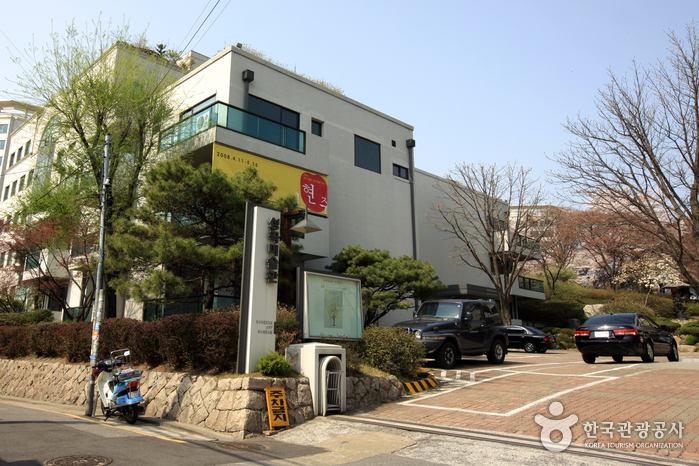
Sungkok Art Museum (성곡미술관)
4.8Km 2021-02-10
42, Gyeonghuigung-gil, Jongno-gu, Seoul
+82-2-737-7650
Sungkok Art Museum was founded in 1995 by the Korean corporation Ssangyong to promote Korean art. The gallery offers a special exhibition featuring modern artworks of Korean artists, as well as competitions and sponsorships to develop Korean art. In addition to the main building, there is an annex, as well as a tea house and art shop.
![Olive Young - Deungchon Branch [Tax Refund Shop] (올리브영 등촌)](http://tong.visitkorea.or.kr/cms/resource/23/2880123_image2_1.jpg)
Olive Young - Deungchon Branch [Tax Refund Shop] (올리브영 등촌)
4.8Km 2024-04-18
1F, 20, Mokdongjungangbuk-ro 7-gil, Yangcheon-gu, Seoul
-

Jinju Hoegwan (진주회관)
4.8Km 2024-06-19
26 Sejong-daero 11-gil, Jung-gu, Seoul
+82-2-753-5388
Jinju Hoegwan is a renowned kongguksu (noodles in cold soybean soup) eatery near City Hall Station. Kongguksu is a traditional Korean summer dish made by boiling and grinding soybeans into a creamy broth, served with noodles, offering a refreshing and nutty flavor. Kongguksu is available from March to November. Their staff-recommended menu includes kimchi bokkeumbap (kimchi fried rice), freshly roasted by the staff, along with kimchi jjigae and samgyeopsal (pork belly).
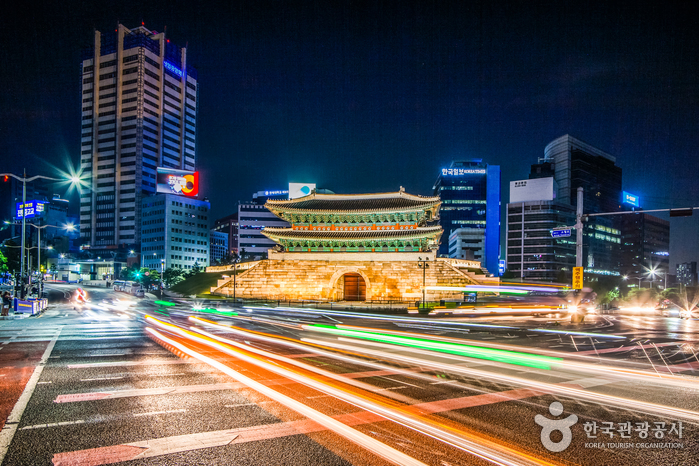
Sungnyemun Gate (숭례문)
4.8Km 2024-11-27
40 Sejong-daero, Jung-gu, Seoul
Sungnyemun Gate is Korea’s National Treasure No. 1, and its unofficial name is Namdaemun Gate. Sungnyemun Gate is the largest castle gate stone structure with an arched entrance in the middle. There’s a column on top of a platform, raising the roof, distinguishing the upper stories and lower stories of the building. Passageways for traffic are located at the east and west ends of the gate. Different from the other gates, Sungnyemun Gate’s tablet has its name written vertically.
On February 10, 2008, Sungnyemun was destroyed by fire. After a 5-year reconstruction work, the gate was re-opened to the public again on May 4, 2013.
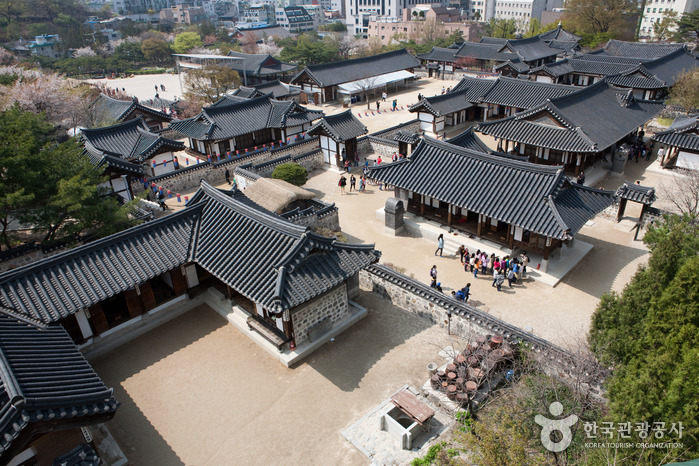
Myeong-dong, Namdaemun, Bukchang-dong, Da-dong and Mugyo-dong Special Tourist Zone (명동 남대문 북창동 다동무교동 관광특구)
4.8Km 2021-12-30
40, Sejong-daero, Jung-gu, Seoul
+82-2-3396-4622
Myeong-dong, Namdaemun, Bukchang-dong and Da-dong are widely known among international visitors as hot spots for shopping and food.
Myeong-dong is a popular destination for shopping, culture, arts and fashion. Major shopping malls such as Lotte Department Store, Shinsegae Department Store, Myeong-dong Migliore and Samik Fashion Town are located here. Shoppers can find a variety of products here from high-end items to relatively inexpensive clothes. There’s also no shortage of street food, traditional restaurants, coffee shops and fancy cafes.
Namdaemun Market is the biggest traditional market in Korea. Visitors can purchase souvenirs and local produce at an affordable price in the shopping complex crowded with stores and street stalls. The market sells a variety of clothes, kitchenware, toys, accessories, food, flowers and imported goods.
Bukchang-dong and Sogong-dong have high-end accommodations including Lotte Hotel Seoul and Westin Chosun Seoul, duty-free shops, and restaurants serving traditional dishes.
[Myeong-dong, Namdaemun Market and Bukchang-dong Special Tourist Zone]
Areas included: Myeong-dong, Bukchang-dong, Mugyo-dong and Da-dong, Seoul
Area size: 872,809 ㎡
Tourist attractions: Myeong-dong, Namdaemun Market and Bukchang-dong, Department Stores (Lotte Department and Shinsegae Department Store, etc.), Traditional Market, Duty-free Shop, Hanok Village, N Seoul Tower, etc.
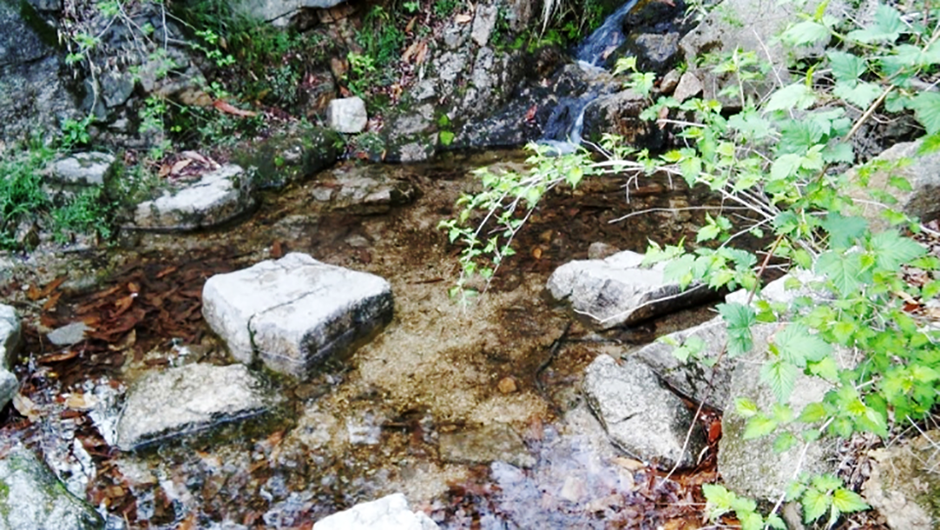
Suseongdonggyegok Valley (수성동계곡)
4.8Km 2023-08-17
185-3, Ogin-dong, Jongno-gu, Seoul 서울특별시 종로구 옥인동
Suseong-dong Valley's stream runs down from Inwangsan Mountain and joins Cheonggyecheon Stream, and it is said that the name of the village was called Suseong-dong during the Joseon dynasty due to the loud and clear sound of the flowing water. It appears in the painting "Jangdong Palgyeongcheop," which is Jangdong Eight Scenic Views, that depicts the eight scenic views of Bugaksan Mountain and Inwangsan Mountain as well as in other historical books of the Joseon dynasty as a place of scenic beauty. The valley was so famous for its beauty, that Prince Anpyeong of the Joseon dynasty built his house "Bihaedang" to fully enjoy the view, and the valley and its stone bridge were designated as a cultural property of Seoul in 2010.
![TUBAn [Tax Refund Shop] (주식회사 투바앤)](http://tong.visitkorea.or.kr/cms/resource/47/2890647_image2_1.jpg)
TUBAn [Tax Refund Shop] (주식회사 투바앤)
4.9Km 2024-04-23
1955, Goyang-daero, Deogyang-gu, Goyang-si, Gyeonggi-do
-
Olive Young - CJ THE CENTER Branch [Tax Refund Shop] (올리브영 씨제이남산더센터)
4.9Km 2024-04-18
12, Sowol-ro 2-gil, Jung-gu, Seoul
-
YallaKOREA (얄라코리아)
4.9Km 2025-10-23
#700, The Salvation Army Building, 69 Saemunan-ro, Jongno-gu, Seoul
YallaKOREA is a medical tourism agency specialized in serving Arab patients, providing medical services since 2016 for those wishing to visit plastic surgery and dermatology clinics in Korea. For patients undergoing surgery, it offers customized services including medical interpretation, private transportation, hotel reservations, airport pick-up and drop-off services, and daily tours. With years of experience and a deep understanding of Arab culture, it ensures safe and convenient medical tourism.
 English
 한국어
한국어 日本語
日本語 中文(简体)
 Deutsch
 Français
 Español
 Русский


