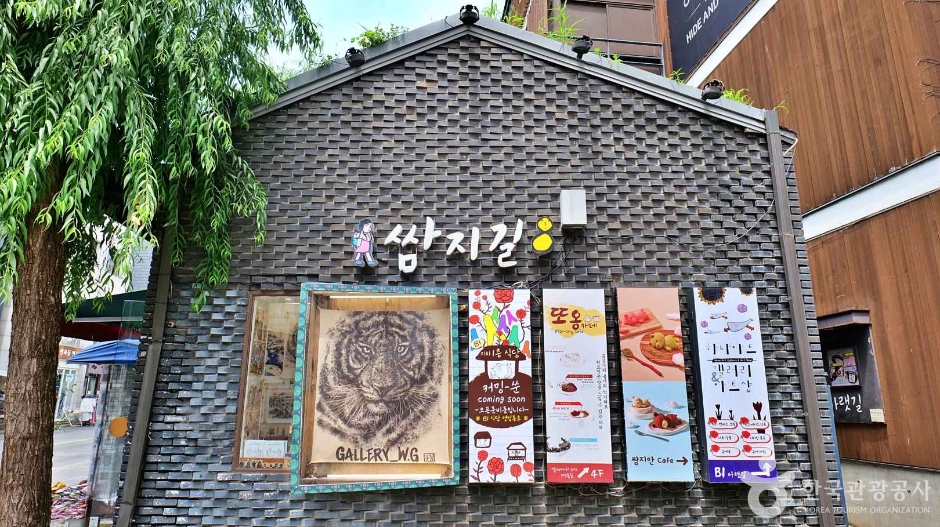
Ssamzigil (쌈지길)
6.1Km 2025-10-23
44 Insadong-gil, Jongno-gu, Seoul
Ssamzigil is an Insa-dong landmark and a shopping mall specializing in crafts. It is a place where the traditions of Korea come together with its present. Follow the paths that lead seamlessly from the lower floors to the upper floors and browse the small craft shops that inhabit the floors. You can find both works of traditional craft and contemporary craft here. Some craft shops also offer craft experiences, and one can also find restaurants and galleries within the complex.

Yangbandeck (양반댁)
6.1Km 2024-03-18
19-18 Insadong-gil, Jongno-gu, Seoul
+82-2-733-5507, +82-2-730-1112
Yangbandeck is a traditional Korean house in Insa-dong, serving ganjang gejang (soy sauce marinated crab) and bori gulbi (barley-aged dried yellow croaker). Theganjang gejang is made from crabs filled with roe, matured in soy sauce. The taste of barley-aged dried yellow croaker, made from dried yellow croaker matured in sea breeze and served on top of rice, is exceptional. Each meal comes with a hot pot rice, and side dishes such as soybean paste jjigae, pancakes, kimchi, and japchae are served as standard.
![CheongKwanJang - Dongbuichon Branch [Tax Refund Shop] (정관장 동부이촌)](http://tong.visitkorea.or.kr/cms/resource/24/2888324_image2_1.jpg)
CheongKwanJang - Dongbuichon Branch [Tax Refund Shop] (정관장 동부이촌)
6.1Km 2024-04-17
1F, 245, Ichon-ro, Yongsan-gu, Seoul
-
Yetchatjip (옛찻집)
6.1Km 2024-03-18
33-1 Insadong-gil, Jongno-gu, Seoul
+82-2-722-5332
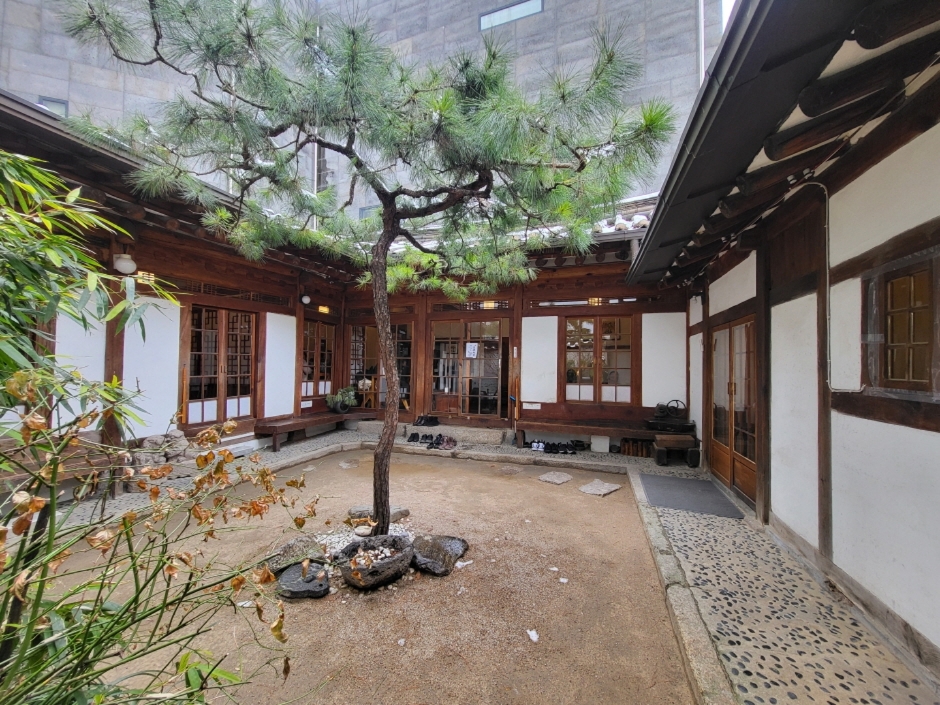
Yetchatjip in Insa-dong offers a variety of teas including ssanghwacha (medicinal herb tea), jujube tea, lotus leaf tea, ginger tea, and citrus tea. Their signature dish during the summer is the yennal patbingsu (old-fashioned shaved ice with red beans), topped with sweet red bean and sweet rice cakes, served on finely shaved ice. Additionally, they offer traditional Korean snacks such as grilled rice cake stick, yakgwa (honey cookie), and traditional Korean sweets to accompany the tea.
Insa-dong Chatjip (인사동찻집)
6.1Km 2024-03-15
33-1 Insadong-gil, Jongno-gu, Seoul
+82-2-723-4909
Insa-dong Chatjib is a traditional hanok tea house located in Insa-dong. Here, you can enjoy a variety of traditional teas brewed in-house. One of their signature menu items is the hobak sikhye (pumpkin sweet rice punch). They also offer other options such as jujube tea, ginger tea, and more. Many people visit to enjoy a leisurely time sipping tea in the serene atmosphere of the hanok. Nearby attractions include Ssamzigil and the Seoul Museum of Craft Art, making it a great place to explore together.
Beautiful Tea Museum (아름다운 차박물관)
6.1Km 2022-07-26
19-11, Insadong-gil, Jongno-gu, Seoul
+82-2-735-6678
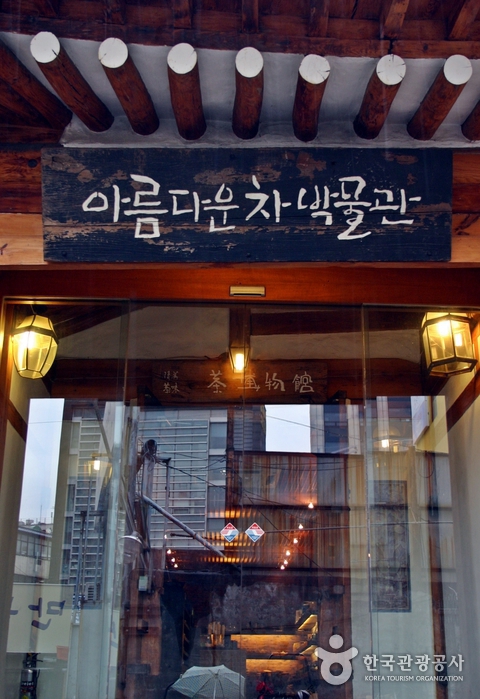
Located in Insa-dong, The Beautiful Tea Museum aims to promote Korean tea culture. It preserves and exhibits tea related utensils and items, featuring those from the ancient Gaya and Joseon period as well as items from abroad such as China and Tibet. The museum also displays original tea pots and other ceramics made by young artists and ceramists. Inside the museum is a tea house named "Tea Story," serving a wide variety of teas. Visitors can also purchase tea leaves from all over the world at the Tea Shop.
![Olive Young - Gayang Station Branch [Tax Refund Shop] (올리브영 가양역)](http://tong.visitkorea.or.kr/cms/resource/04/2880104_image2_1.jpg)
Olive Young - Gayang Station Branch [Tax Refund Shop] (올리브영 가양역)
6.1Km 2024-04-18
1F, 476, Yangcheon-ro, Gangseo-gu, Seoul
-
![Chengha Korea Ginseng Co., Ltd.[Korea Quality] (청하고려인삼(주)[한국관광 품질인증])](http://tong.visitkorea.or.kr/cms/resource/13/2579813_image2_1.jpg)
Chengha Korea Ginseng Co., Ltd.[Korea Quality] (청하고려인삼(주)[한국관광 품질인증])
6.1Km 2024-07-01
280 , Jahamun-ro, Jongno-gu, Seoul
+82-2-395-1688
Cheonghagoryeo Ginseng Co Ltd in Jongno-gu, Seoul, is a specialist Korean ginseng company aiming to promote the history, culture, and efficacy of Korean ginseng to foreign tourists. The headquarters building houses a ginseng museum, two stores, a bank and a cafe. There are staff who are fluent in foreign languages, to help visitors with reservations, museum guidance, product consultation, and sales. We operate a thorough follow-up support service to ensure customer satisfaction.
![Cheongha Korean Ginseng [Tax Refund Shop] (청하고려인삼)](http://tong.visitkorea.or.kr/cms/resource/82/2890682_image2_1.jpg)
Cheongha Korean Ginseng [Tax Refund Shop] (청하고려인삼)
6.1Km 2024-04-22
280, Jahamun-ro, Jongno-gu, Seoul
-
Hyosajeong Pavilion (효사정)
6.1Km 2025-01-13
55, Hyeonchung-ro, Dongjak-gu, Seoul
+82-2-820-9848
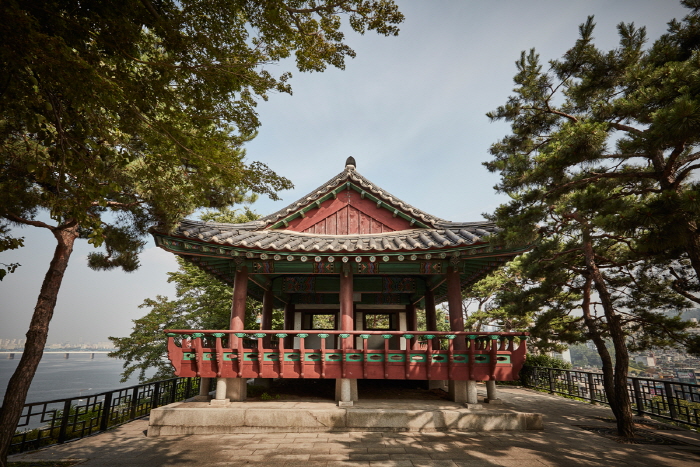
Hyosajeong Pavilion is where Nohan, the second vice premier of the Joseon dynasty during King Sejong and King Sejo’s reign, stayed. After he lost his mother, he built the pavilion to mourn at her grave while still being able to see his father’s grave in Gaeseong to the North. His brother-in-law, then Minister of the Interior, Gang Sa-deok named the pavilion “Hyosajeong,” which means pavilion of filial piety.
In order to find the original location of the pavilion, poems by Jeong Inji and Seo Geojeong and an old map of Korea were referenced, but the pavilion was not found because the surrounding landscape had changed too much. As a result, a location was selected and the pavilion was reconstructed at its current location. The house is 3 kan* in the front and 2 kan* on the side. The roof is a hip-and-gable roof. The pavilion has one room with under floor heating and a railing around the pavilion
(* kan: a traditional measurement that corresponds to the space between two columns)
 English
 한국어
한국어 日本語
日本語 中文(简体)
 Deutsch
 Français
 Español
 Русский


