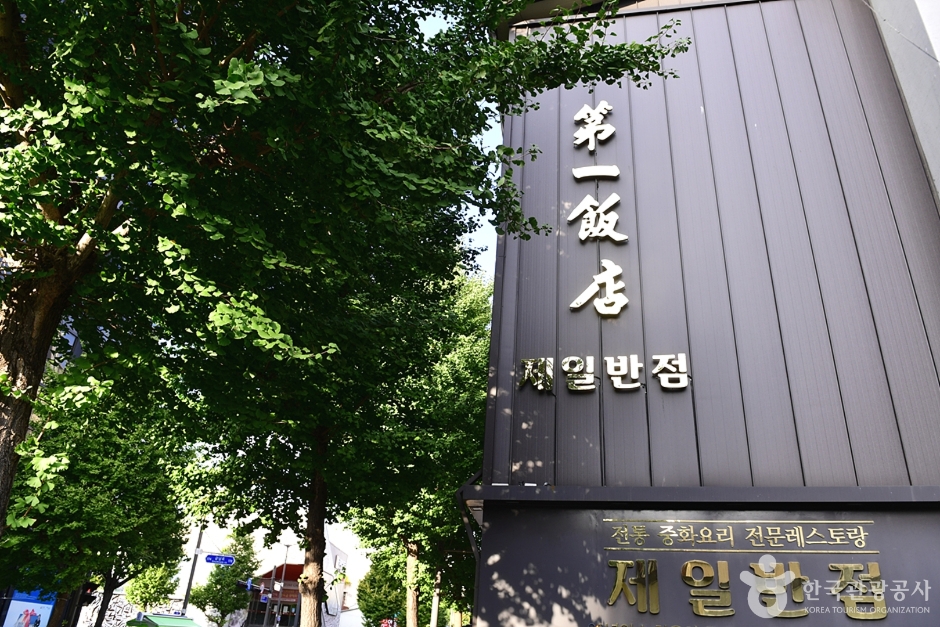
Jeil Banjeom (제일반점)
459.5M 2024-03-20
174 Guseong-ro, Dong-gu, Gwangju
062-224-6670
Located on Chungjang-ro Street in Gwangju, Jeil Banjeom has been a culinary staple since the 1960s. Operated by a Chinese immigrant, it has garnered popularity for its traditional dishes. The signature yennal jjajang is a classic take on black bean sauce noodles, featuring stir-fried black bean paste, a mix of vegetables, potatoes, and specially selected cuts of pork. Another highlight is the tangsuyuk, a dish of deep-fried pork sirloin coated in a sweet and sour sauce. A local favorite, the restaurant is known for being particularly bustling during lunch hours.
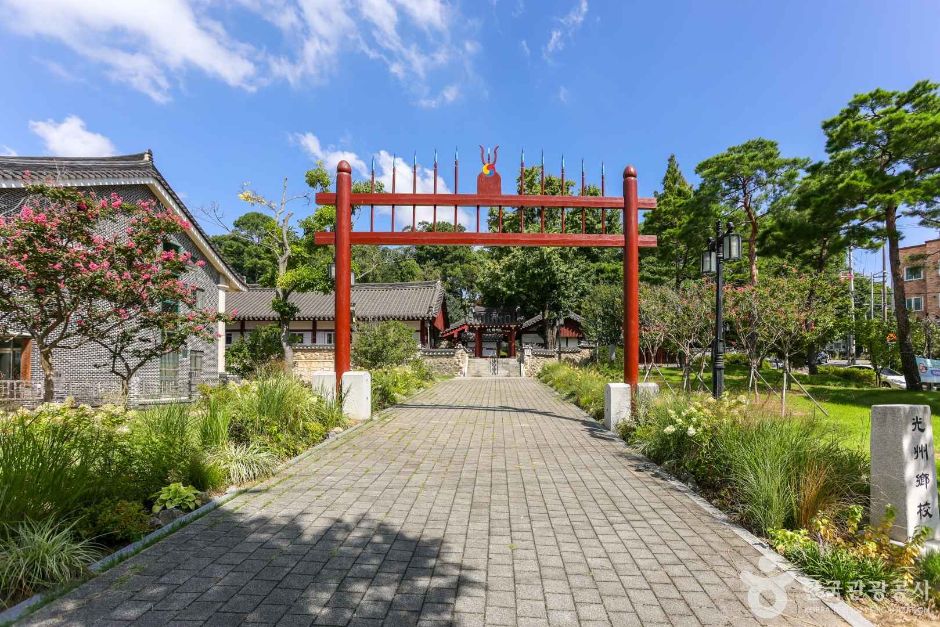
Gwangjuhyanggyo Confucian School (광주향교)
515.7M 2025-02-04
5 Jungang-ro 107beon-gil, Nam-gu, Gwangju-si
Hyanggyo was a national educational institution during the Joseon dynasty, where the tablets of distinguished Confucian scholars were enshrined, and rituals were held in their honor. In spring and fall, it hosts Seokjeon, a ritual honoring Confucius, along with Seodang (traditional Confucian school) experiences and traditional weddings, offering opportunities to immerse in Confucian culture. In summer, crape myrtle flowers bloom, and in fall, the old ginkgo tree turns golden yellow, beautifully contrasting with the traditional Joseon-style hanok architecture.
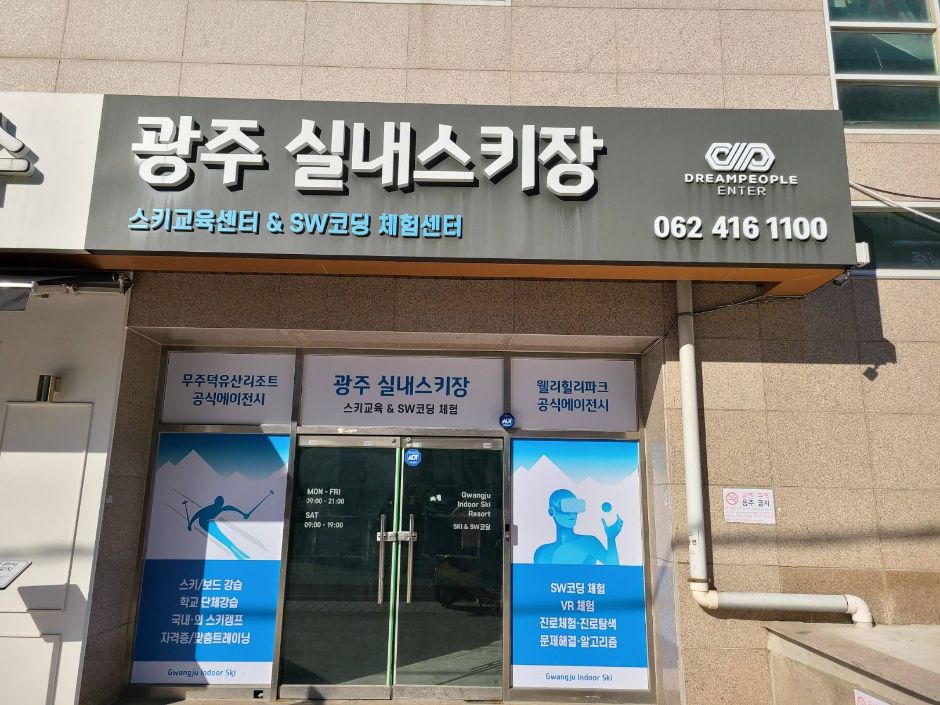
Dream People Enter (드림피플엔터)
528.0M 2024-12-17
16 Cheonbyeonjwa-ro 338beon-gil, Nam-gu, Gwangju
Dream People Enter is an indoor ski class facility that visitors can enjoy throughout the year with beginner and intermediate slopes and auto slope for advanced learners. The class also go on field trips to Muju Deogyusan Resort and Welli Hilli Park for ski camps and lessons. There are ski and snowboard classes for both individuals and groups. It also has facility to repair ski gears, a storage, and a ski shop.
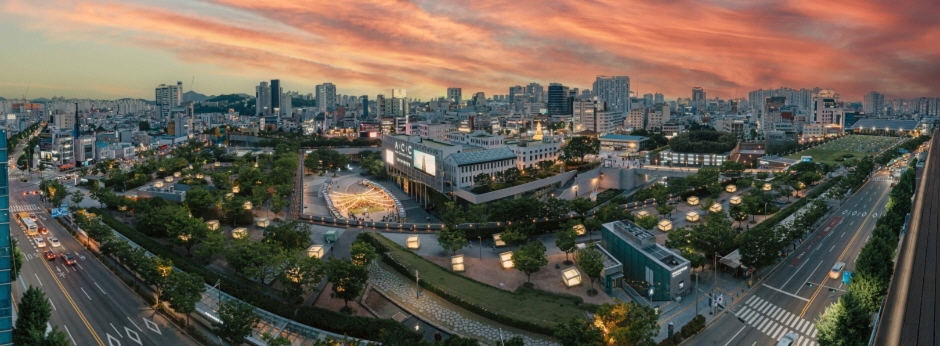
Asia Culture Center (국립아시아문화전당)
539.6M 2025-10-23
38 Munhwajeondang-ro, Dong-gu, Gwangju
+82-1899-5566
The Asia Culture Center (ACC) is an international arts and cultural exchange organization aimed to promote Gwangju as Asia's central hub through the integration of past and present-day cultural arts as well as the development of futuristic and progressive arts. The center consists of ACC Culture Exchange, ACC Children, ACC Archive & Research, ACC Theater, and other facilities to support and foster innovation.
◎ Travel information to meet Hallyu’s charm – movie “Exhuma”
This venue served as the backdrop for the scene where Hwa-rim and Bong-gil visit a hospital in LA to see a newborn whose parent’s life is in danger. Although portrayed as a hospital lobby, the scene was filmed in the Asia Culture Centre, Gwangju’s landmark cultural venue, notable for its impressive architecture that integrates natural elements.
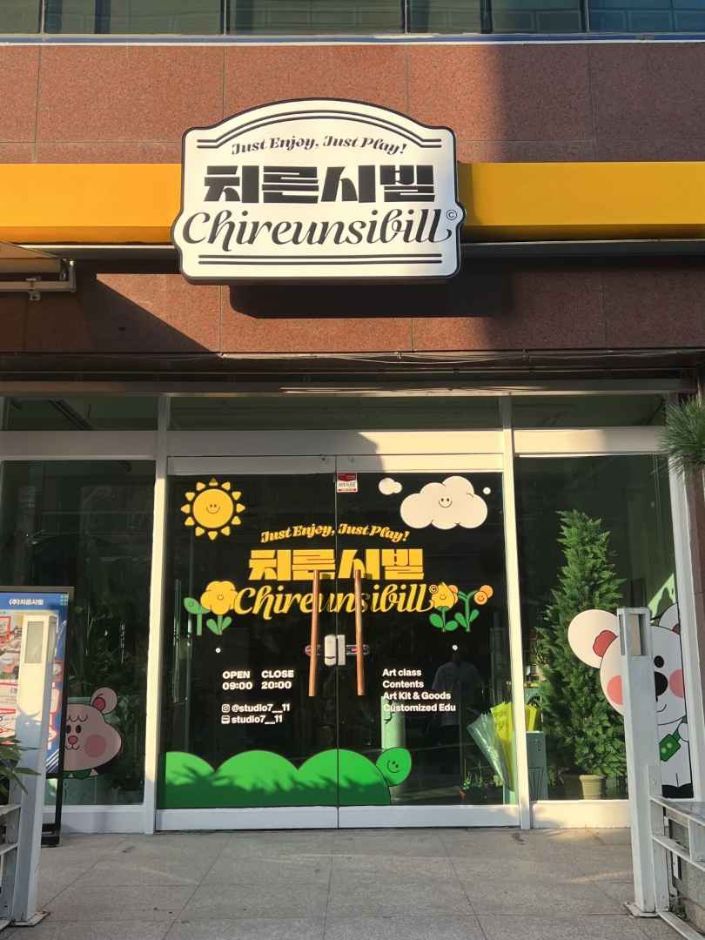
Chireunsibill (치른시빌)
545.2M 2024-10-10
10 Seoseok-ro 85beon-gil, Dong-gu, Gwangju
Chireunsibill was founded in 2022, offering educational programs and art kits with young artists both online and offline. The educational programs are open to all , and cover a wide genre of art types, from painting to music. It is a popular attraction for travelers with children.
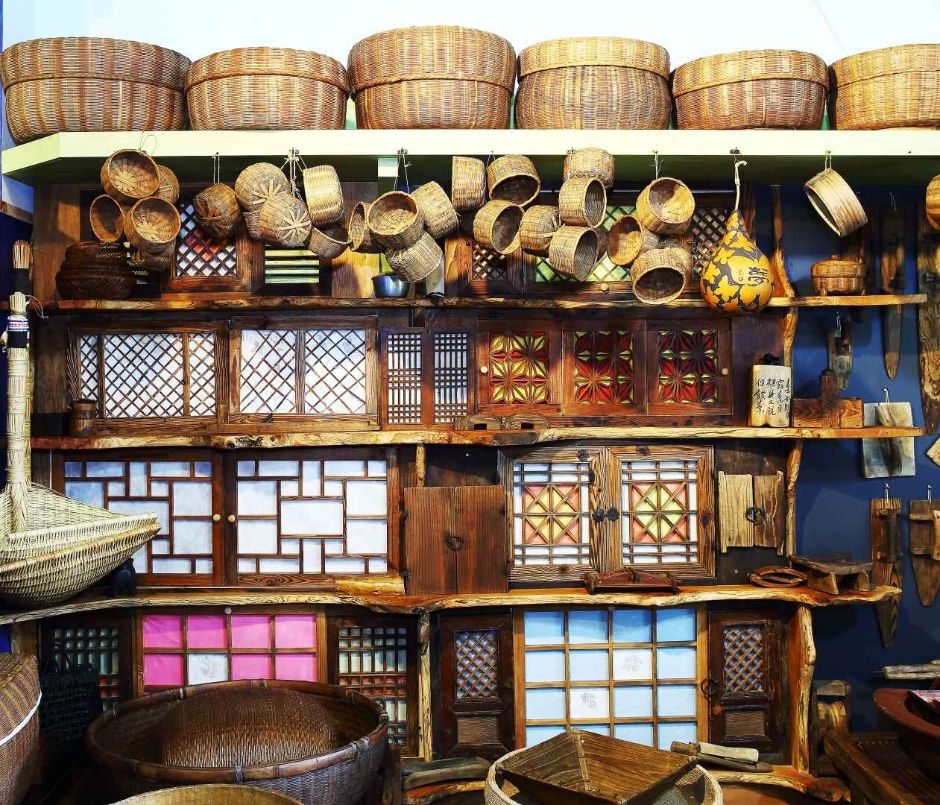
Bium Museum (비움박물관)
583.7M 2025-01-02
143-1 Jebong-ro, Dong-gu, Gwangju
Opened in 2016, the Bium Museum is a folk museum showcasing around 30 thousand Korean modern and traditional artifacts collected by Lee Young-hwa for about 50 years. The art pieces portray the life of poor commoners in the agricultural era before Korea went through industrialization, allowing visitors to get a glimpse of the adaptability and resilience of people in hard times.
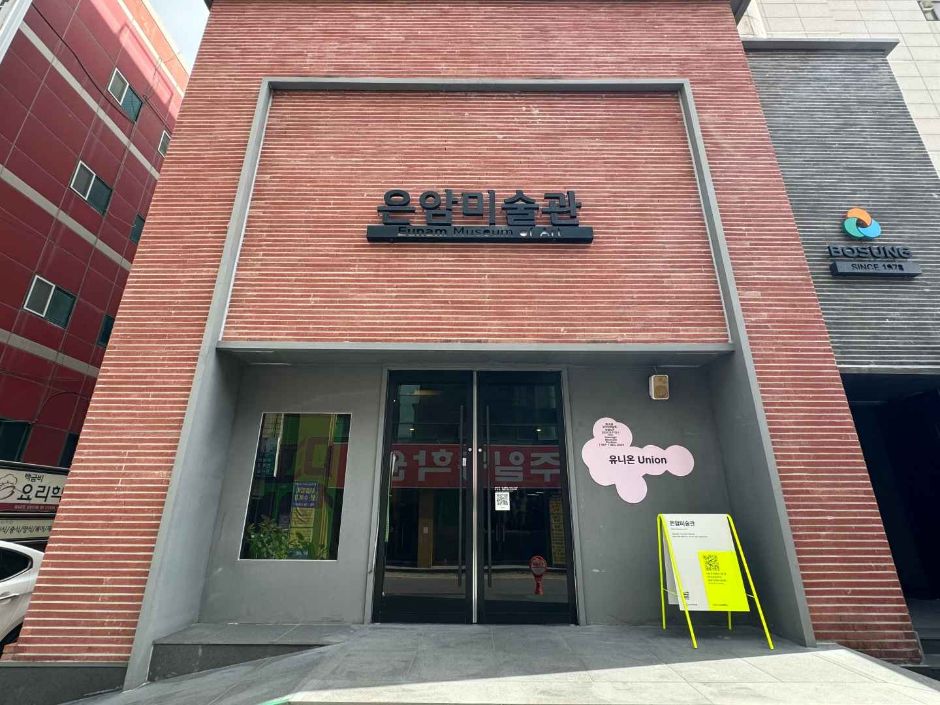
Eunam Museum of Art (은암미술관)
592.6M 2025-01-02
8-12 Seoseok-ro 85beon-gil, Dong-gu, Gwangju
Opened in 2010, the Eunam Museum of Art offers a range of exhibitions, including permanent exhibitions and invitational exhibitions, humanities lectures, and concerts, and provides a cultural space for people to connect. It also runs international exchange exhibitions and residency program inviting artists from the country and abroad.
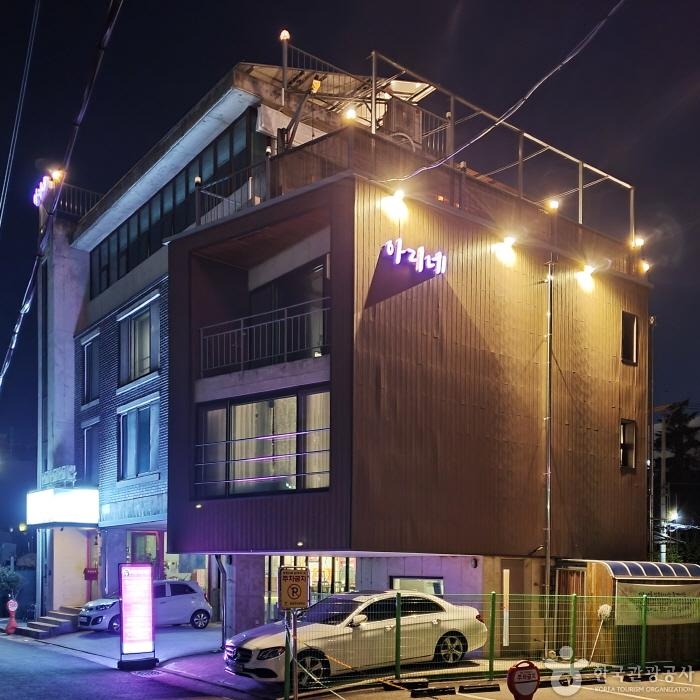
Arie-ne guesthouse (아리네 게스트하우스)
687.1M 2024-12-13
6 , Cheonbyeonjwa-ro 428beon-gil, Nam-gu, Gwangju
+82-10-2104-8899
Ariene Guesthouse is an integrated cultural platform located in Yangrim-dong, Nam-gu, Gwangju. The accomodation is located in the downtown area of Gwangju, making it both easily accessible and affordable. On the first basement floor, there is Yanglim Culture Hall, a lounge cafe on the first floor, and a rooftop party room on the fourth floor. The guesthouse has nine rooms on the second and third floors, including double rooms, twin rooms, ondol rooms, and separate dormitory rooms for men and women. Each room is equipped with a bathroom for guests' convenience, and breakfast is provided at no charge. A fee is charged for laundry services. There are modern cultural and historic sites nearby.
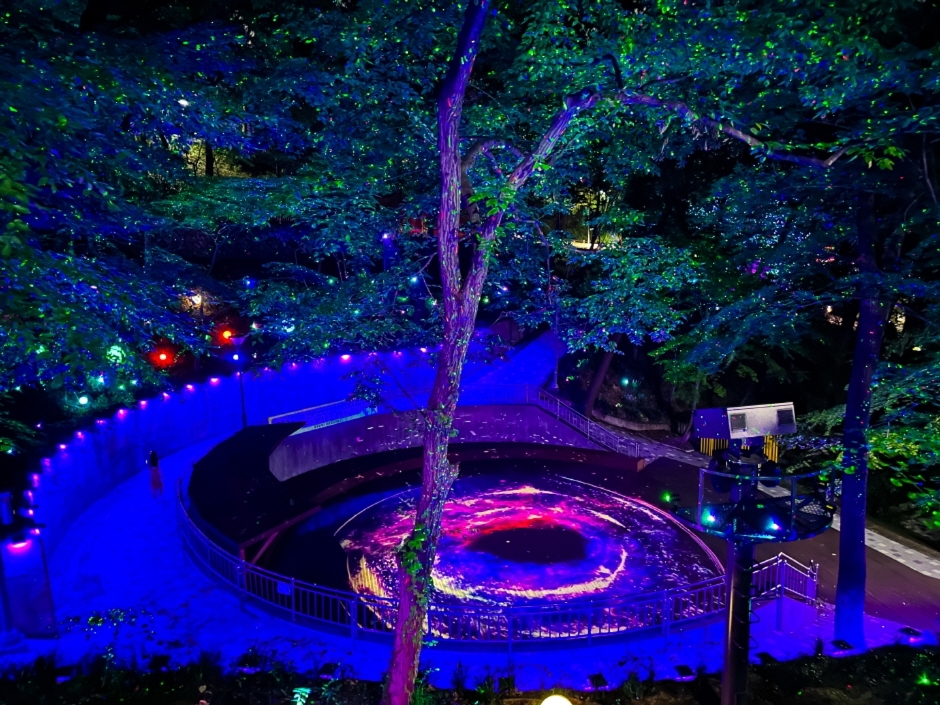
Sajik Forest of Light (사직 빛의 숲)
692.0M 2024-12-11
49 Sajik-gil, Nam-gu, Gwangju
Located within Sajik Park, the Forest of Light is a popular night view spot with a fantastic media art that incorporates historical themes of Gwangju. The space features a combination of lighting, video, and music to create multimedia contents, offering a variety of experiences and attractions through interactive art that responds to people's movements. The observation tower hosts a light show, and visitors can enjoy video contents through an AR telescope.
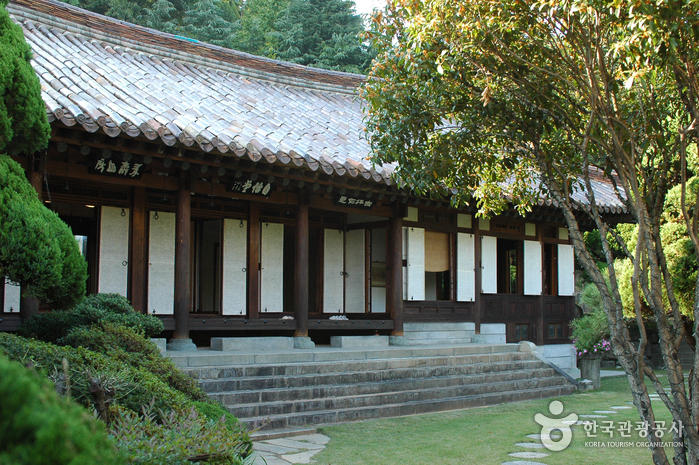
House of Choi Seung-hyo (최승효가옥)
716.6M 2023-03-08
29-4, Yangchon-gil, Nam-gu, Gwangju
+82-62-607-2332
The House of Choi Seung-hyo is a traditional residential building located on the southeastern slopes of Yangnimsan Mountain. The rectangular building is open to the east, has 8 kan (the space between two pillars) in the front and 4 kan to the sides, and is graced by a traditional hipped and gabled roof. Since the building was constructed in the 1920s, it offers a valuable glimpse into the architectural style of Korean houses at the end of the Japanese colonial period. Choi Sang-hyeon was an activist who offered his attic as a place of refuge for other activists.
 English
 한국어
한국어 日本語
日本語 中文(简体)
 Deutsch
 Français
 Español
 Русский


