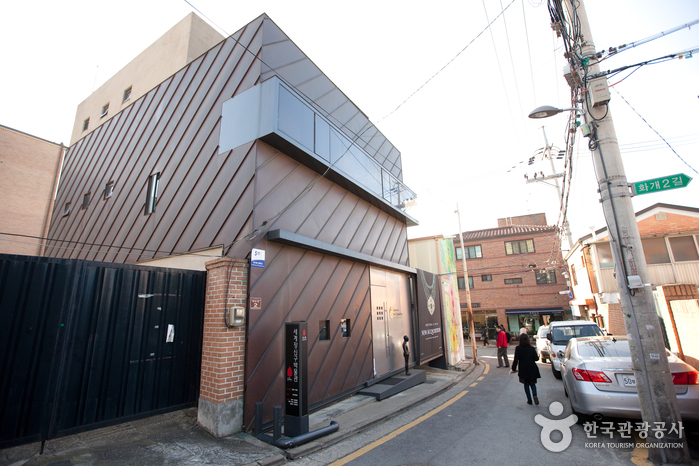
World Jewellery Museum (세계장신구박물관)
10.7Km 2023-09-21
2, Bukchon-ro 5na-gil, Jongno-gu, Seoul
Situated in the gallery district in the back alley of Samcheong-dong (east of Gyeongbokgung Palace), the World Jewellery Museum houses 3,000 jewelry pieces from 60 countries, which have been collected over 30 years. Of which, 1,000 have been selected for display. The first floor contains an Amber Wall that goes back as far as 50 million years, the Golden Hall (El Dorado), the Necklace Hall, and the solemn Alter of the Cross. The second floor holds a mask wall, rings, beads and ivory as well as modern jewelry.
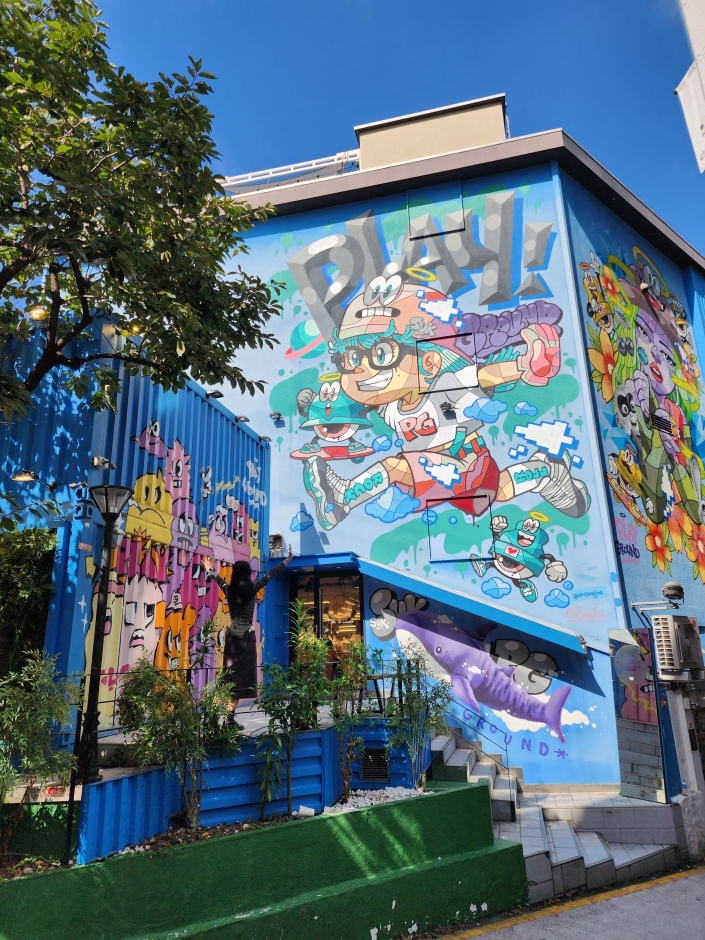
M Playground - Hongdae Branch (엠플레이그라운드 홍대본점)
10.7Km 2024-09-05
94 Eoulmadang-ro, Mapo-gu, Seoul
M Playground is a casual boutique brand known for its signature exterior design of blue shipping containers. The shop does its best to present the latest fashion trends and the hip, street vibe found exclusively in Hongdae. Most visitors range in age between teens and young adults in their 30s, looking for trending clothing, accessories, and other products.
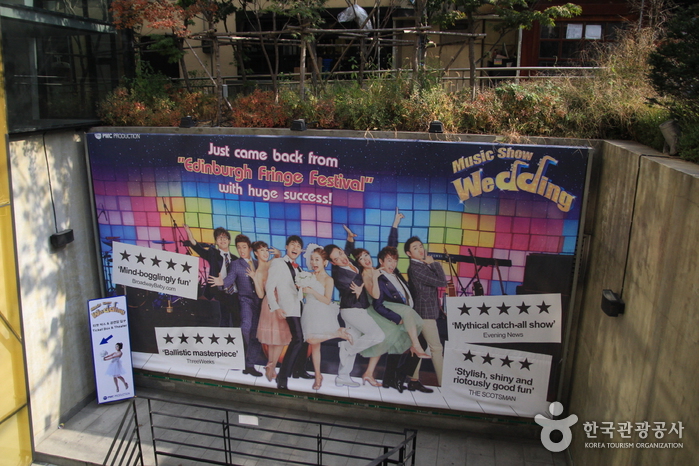
Hongdae Nanta Theatre (홍대난타전용관)
10.7Km 2021-08-27
29, Yanghwa-ro 16-gil, Mapo-gu, Seoul
Located in Hongdae, a signature of youth and cultural streets, Hongdae Nanta Theater has 323 seats and offers two performances daily.
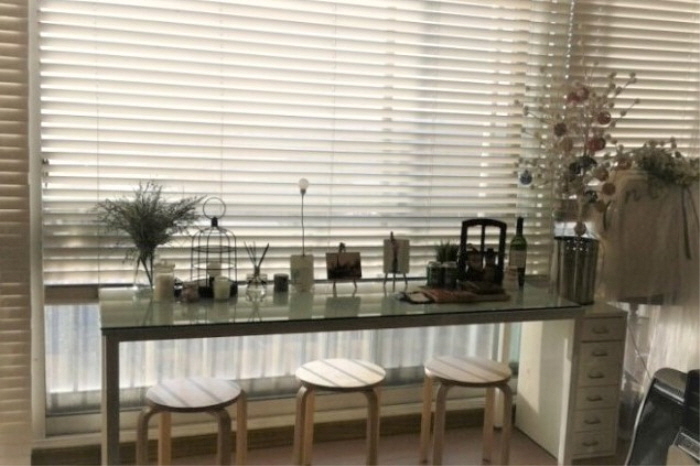
House of Flowers and Lake / 꽃과 호수의 집
10.7Km 2025-03-05
79 , Norumok-ro, Ilsandong-gu, Goyang-si, Gyeonggi-do
The House of Flowers and Lakes is a homestay in an apartment in Ilsan, Seoul Capital Area. There are two rooms: Narcissus has a double bed, private bathroom, and a terrace, while Moss Rose has two single beds and simpler furniture. The owner loves travelling, and souvenirs from around the world are on show in the shared kitchen and living room. A simple breakfast is provided free of charge. The apartment is close to Madu Station on Subway Line 3 and Baekma Station on the Gyeongui-Jungang Line. Nearby destinations such as KINTEX and Haengjusan Fortress are a 20-minute drive away.
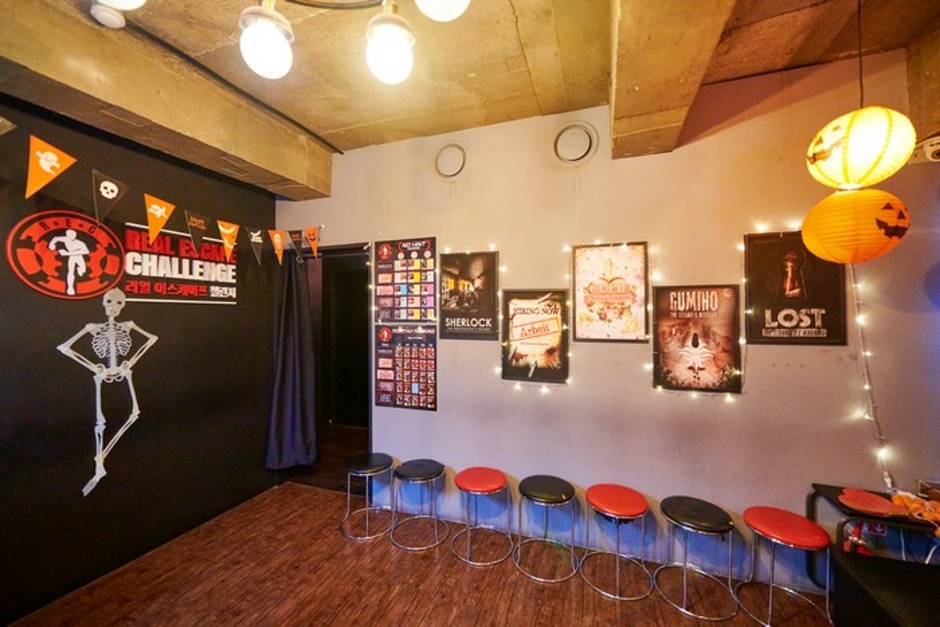
Real Escape Challenge (리얼 이스케이프 챌린지)
10.7Km 2025-11-05
21, Wausan-ro 27-gil, Mapo-gu, Seoul
Thrilling Escape Café
Depending on the theme, you can enjoy a thrill-based game where you have to escape from a room within a time limit. Celebrities such as Lovelyz Mijoo also enjoy visiting. The theme changes periodically and each room is marked in English, and a guide service for foreigners is also provided. It is 100% reservation-based.
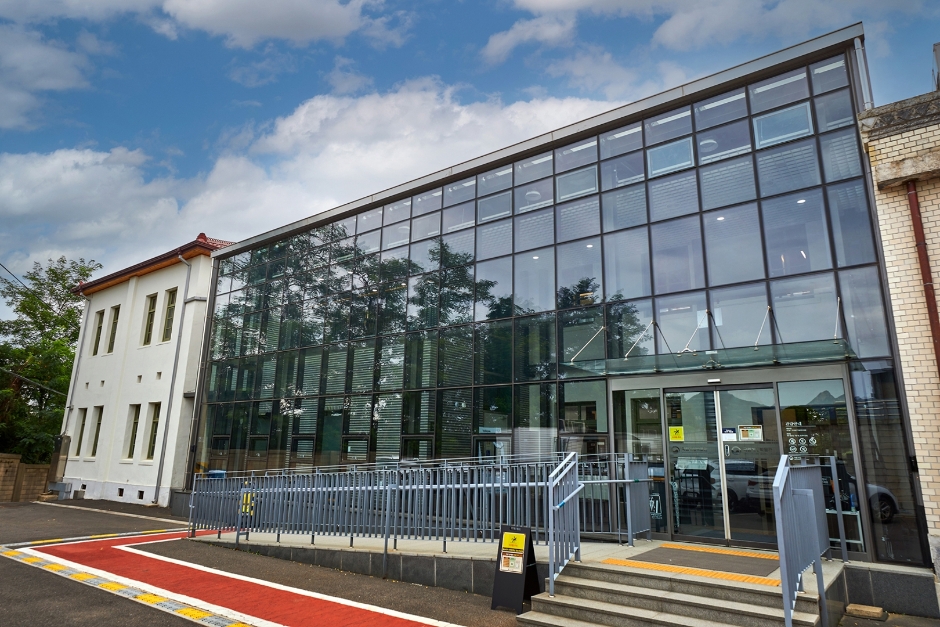
National Meteorological Museum of Korea (국립기상박물관)
10.7Km 2024-03-26
52 Songwol-gil, Jongno-gu, Seoul
A museum where one can look at Korea's meteorological observation history and technological development through exhibitions. The museum has the world's first rain gauge, invented in 1441, in the early Joseon dynasty. The museum operates approximately 350 meteorological observatories across Korea and focuses on promoting the uniqueness and excellence of Korea's meteorological science. There are permanent collections and special exhibitions. The permanent collections focus on the history of meteorological science in Korea. At the same time, the special exhibitions take a closer look at the history and information about meteorological science and natural disasters (e.g., earthquakes) that occurred in various regions of Korea. There are experience programs related to meteorological science, such as making a rain gauge or learning about rain gauges.
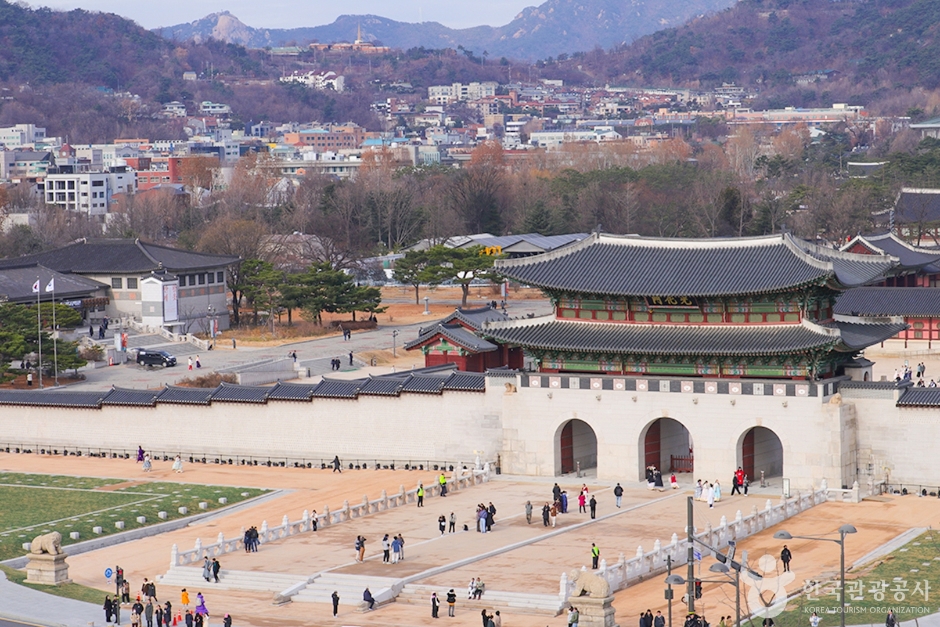
Gwanghwamun Gate (광화문)
10.7Km 2024-12-04
161 Sajik-ro, Jongno-gu, Seoul
Built in 1395 under the reign of King Taejo, the first king of the Joseon dynasty, Gwanghwamun Gate is the southern gate of Gyeongbokgung Palace. It is also the main gate of the palace, therefore larger and fancier in comparison to the other gates. Gwanghwamun Gate consists of three arched gates; the center gate was used by the king, while the other two were used by the crown prince and royal officials. The tall granite walls of the gate serve as a platform for the wooden gate tower that watches over the city. The gate has a sign with its name written at the top center of the gate tower.
Gwanghwamun Gate went through several damages and restorations over the course of history. It was first severely damaged during the Imjin War (1592-1598) and was not restored until the reconstruction of Gyeongbokgung Palace in 1864. Under the Japanese administration, the gate was demolished and relocated to the north of the palace's eastern gate, followed by series of damages during the Korean War (1950-1953). In 1968, Gwanghwamun Gate was relocated back to the south of the palace and was rebuilt using concrete; however, the gate’s position was shifted a few meters away from its original location. In 2006, a major reconstruction project took place to restore Gwanghwamun Gate to its original state and location, disassembling the structure completely and replacing concrete with granite and wood. After three years and eight months of construction, Gwanghwamun Gate was fully restored to its original form and was open to the public on August 15, 2010.

Gyeonghuigung Palace (경희궁)
10.7Km 2024-07-09
45 Saemunan-ro, Jongno-gu, Seoul
Gyeonghuigung Palace, a designated Historic Site, was originally called the large palace by Saemun Gate, or the Western Palace, for its location within the city. It was not until the eighth year of Gwanghaegun (1616) that the palace was used as a royal residence for the king, changing the name to Gyeongdeokgung Palace. The name later changed again to the current Gyeonghuigung Palace in 1760. The palace grounds included many halls but they were mostly all burned down in a fire in 1829. After the Japanese occupation began, all remaining buildings on the site were torn down and the palace grounds were turned into Gyeongseong Middle School (now Seoul High School). The school moved to Gangnam area in 1987, afterwhich the previous location was turned into a park. The palace grounds currently hold Seoul Museum of Art and walking paths, as well as a restoration of Heunghwamun Gate, the main gate of the palace, and Sungjeongjeon Hall, the main hall, completed in November 1994.
Ewha Womans University (이화여자대학교)
10.7Km 2023-07-04
52, Ewhayeodae-gil, Seodaemun-gu, Seoul
Ewha Womans University is Korea's first women's university founded in 1886 by American Methodist missionary Mary Scranton. Ewha Womans University is also the most famous women's university in Korea and its name originates from Ehwa Hakdang, a name given by Empress Myeongseong in 1887. Ewha Womans University created a four-year university course in 1910, and in 1943, the name of Ewha was taken away during the Japanese colonial period and downgraded to a one-year school. In October 1945, the year of Korea's independence from Japan, it regained the name of Ewha and was promoted to a university with eight departments. Currently, it consists of 15 graduate schools, 11 colleges, and 67 departments, and there are 8 affiliated research institutes.
The street in front of Ewha Womans University is famous for shopping. This place is full of clothing stores and neat food that boast a popping sensation to suit the tastes of female college students. The shopping street in front of Ewha Womans University is a straight road that lies ahead of Exits 2 and 3 of Seoul Subway Line 2. Alleyways stretch out like branches around this street and are filled with various accessory shops, clothing stores, shoe stores, restaurants, cafes, and beauty salons.
Bumin Hospital Seoul (서울부민병원)
10.7Km 2025-10-23
1st Floor, International Healthcare Center, 389 Gonghang-daero, Gangseo-gu, Seoul
Seoul Bumin Hospital, a 300-bed general hospital that opened in April 2011, is a leader in medical culture with its exceptional medical staff, diagnostic equipment, and eco-friendly hospital practices. In particular, the Spine and Joint Center's medical staff, with their huge experience and expertise, provide Korea's highest level of medical services, including 3D navigation-assisted knee and hip surgery, stem cell therapy, robotic joint replacement surgery, hip endoscopic surgery, spinal deformity surgery, minimally invasive spinal surgery, and non-surgical treatments.
 English
 한국어
한국어 日本語
日本語 中文(简体)
 Deutsch
 Français
 Español
 Русский


