
Bank of Korea Money Museum (화폐박물관)
8.4Km 2024-03-18
39 Namdaemun-ro, Jung-gu, Seoul
This Renaissance-style three-story stone building is the museum of the Bank of Korea. The older Bank of Korea was established as the central bank of the Korean Empire in 1909 and has been designated as a National Historical Site. During the Japanese colonial period, the bank was renamed the Bank of Joseon, and the building was used as the main and head office of the Bank of Korea until 2001. The building has been used as the nation’s Money Museum since June 2001 in celebration of the 50th anniversary of the Bank of Korea. The museum has 13 exhibition rooms on two floors, with one basement floor and two above-ground floors. It holds special exhibitions of various currency and art collections to provide domestic and foreign visitors with the opportunity to enjoy the history and culture of currency. Visitors can learn about the Bank of Korea and the central banking system, as well as how to identify counterfeit notes and how money is produced and circulated. It is also a good place for children to learn about currencies from around the world. Advance reservations are required, and parking is not available. The museum can easily be reached via subway by getting off at Hoehyeon Station (Seoul Subway Line 4) and exiting through Exit 7.
Bugak Skyway Palgakjeong Pavilion (북악스카이 팔각정)
8.4Km 2024-12-31
267 Bugaksan-ro, Jongno-gu, Seoul
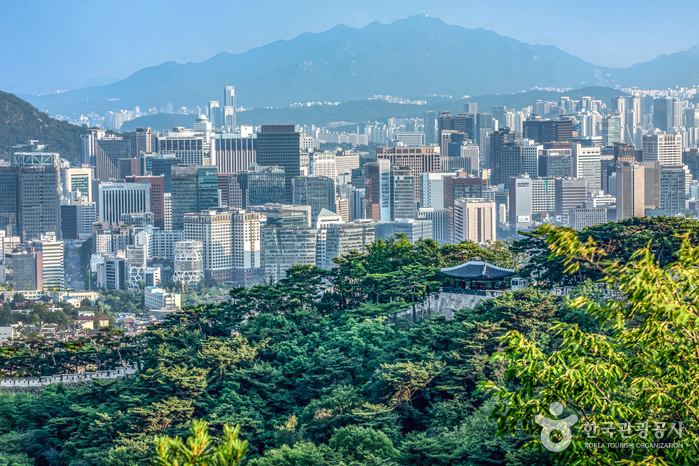
Bugak Skyway Palgakjeong Pavilion exudes a tranquil, serene beauty regardless of the season. The pavilion, which sits on Bugaksan's 1,652,900 square meter summit at an altitude of 345 meters, was built in a traditional Korean-style and became a popular attraction within the city. There are also spaces for visitors to enjoy food and drinks.
Myeongdong Jjukkumi (명동쭈꾸미)
8.4Km 2025-07-23
3-28 Toegye-ro 6-gil, Jung-gu, Seoul
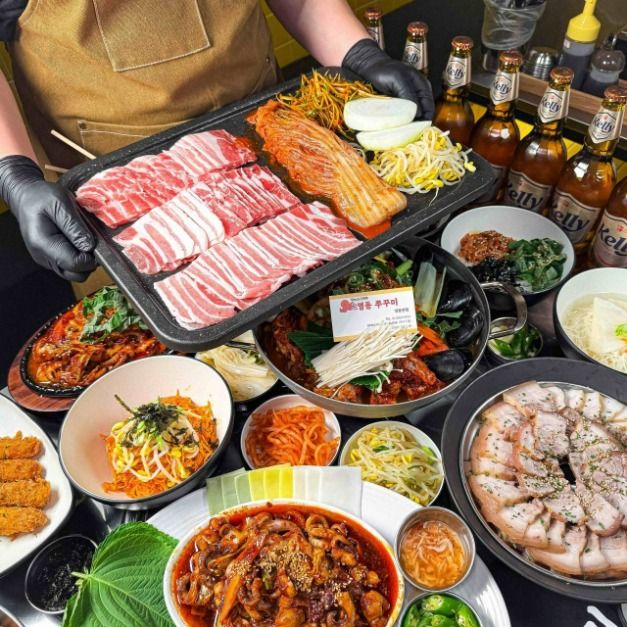
Myeondong Jjukkumi is a jjukkumi (ocellerated octopus) restaurant located in Jung-gu, Seoul. It only takes about a 1-minute walk from Hoehyeon Station (Seoul Subway Line 4), Exit 2, a convenient location for both tourists and people who work in the area. Main menu items consist of jjukkumi and samgyeopsal (grilled pork belly), pork galbi (rib meat), bossam (cabbage wraps with pork), among other set menus. All dishes are cooked in the kitchen, and are known for their spicy kick and savory taste. The restaurant can accommodate group guests as it has a spacious hall as well as outdoor tables. Customers dining at the restaurant can help themselves to more side dishes at the self-service side dish bar and enjoy a hearty meal at a reasonable price.
Bokidang (복이당)
8.4Km 2025-09-15
3-28 Toegye-ro 6-gil, Jung-gu, Seoul
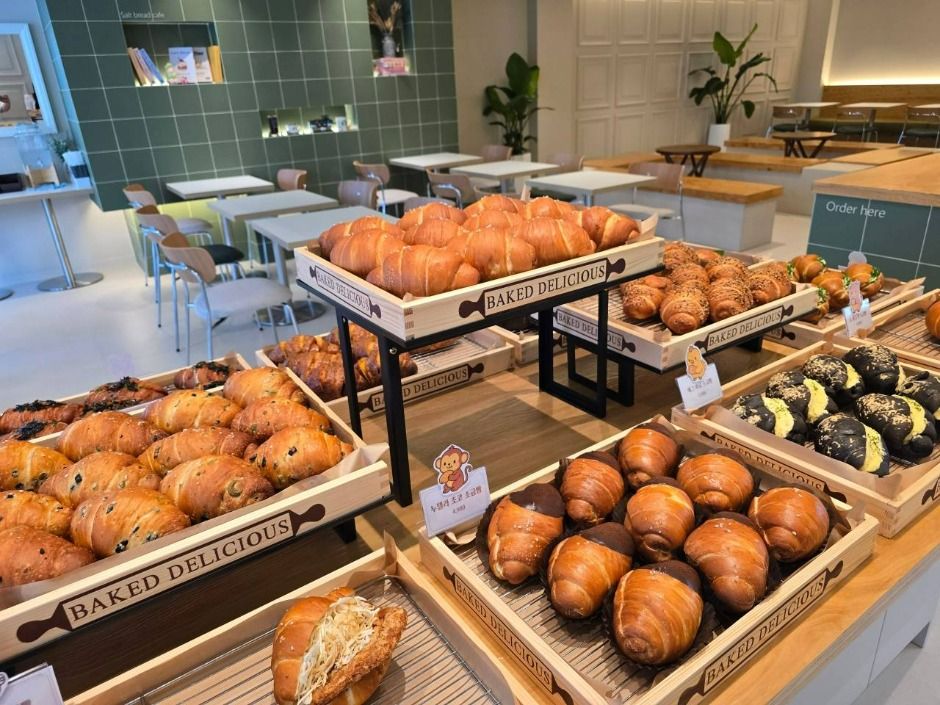
Bokidang is a handmade salt buns specialty bakery cafe located in Jung-gu, Seoul. It is conveniently located just a 30-second walk from Exit 2 of Hoehyeon Station, situated in an area with high foot traffic from office workers and tourists. Bokidang presents handmade salt bread and beverages made with carefully selected fresh ingredients, with the hope that "everyone who eats will be blessed." The signature menu features a lineup of salt breads inspired by the 12 zodiac animal characters, each embodying health, wishes, and small happiness in a single bite. The store has a clean and warm atmosphere with an indoor seating area and outdoor seating, accommodating group guests and offering takeout for added convenience.
Line Friends - Insa Branch [Tax Refund Shop] (라인프렌즈 인사점)
8.4Km 2024-04-16
49, Insadong-gil, Jongno-gu, Seoul
-
KongKongY Gallery [Tax Refund Shop] (콩콩이 그림가게)
8.4Km 2024-04-19
Store #325, 3F, 49, Insadong-gil, Jongno-gu, Seoul
-
Bachi Ring (UMC Jewelry) [Tax Refund Shop] (바치링(UMC쥬얼리))
8.4Km 2024-04-19
#414, 49, Insadong-gil, Jongno-gu, Seoul
-
Color pool Museum (컬러풀뮤지엄(COLORPOOL MUSEUM))
8.4Km 2025-10-27
6F, 49 Insadong-gil, Jongno-gu, Seoul
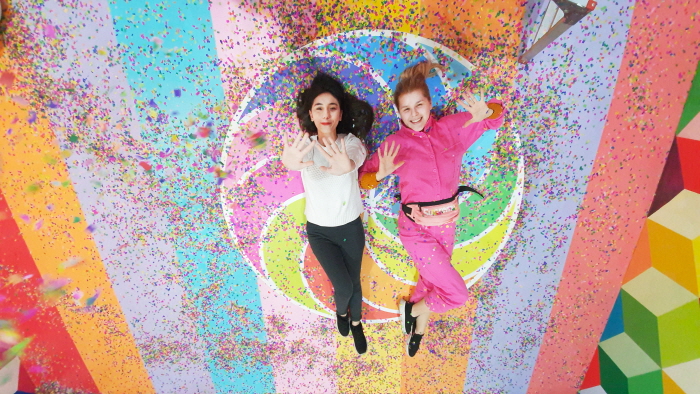
It is an experiential museum where you can feel the variety of colors with all your senses. If you want to have a picture with a pretty background like a fairy tale, there is no better place than this museum. The pool filled with adorable pink balls is the most popular section that brings happy smiles to everyone, adults and children alike. You can also find various souvenirs related to bathing, such as exfoliating towels and natural soap.
![Gugus - Myeong-dong Branch [Tax Refund Shop] (구구스 롯데 명동점)](http://tong.visitkorea.or.kr/cms/resource/86/2878586_image2_1.jpg)
Gugus - Myeong-dong Branch [Tax Refund Shop] (구구스 롯데 명동점)
8.4Km 2024-04-23
11, Namdaemun-ro 7-gil, Jung-gu, Seoul
-
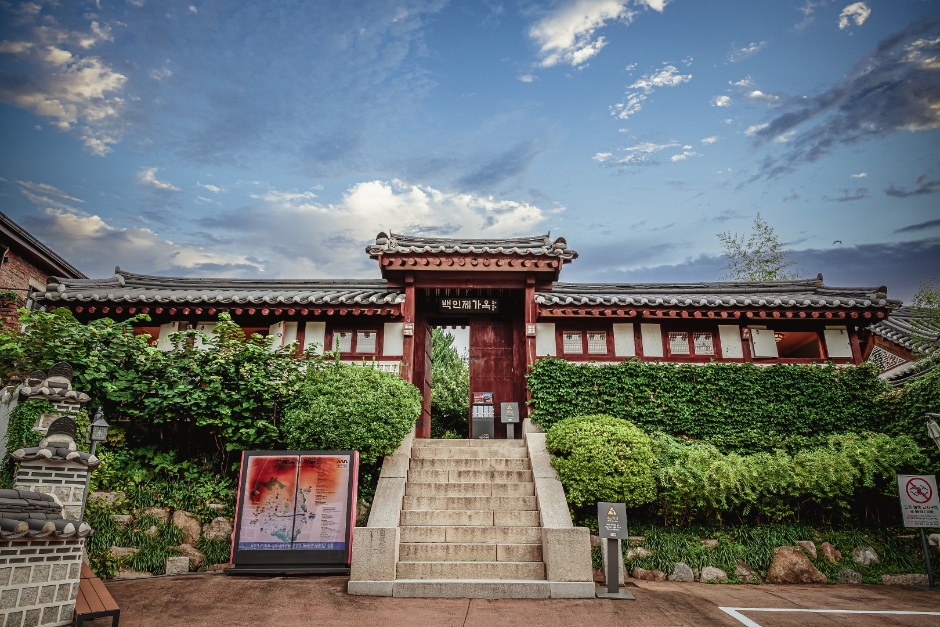
Baek In-je House (백인제가옥)
8.4Km 2025-10-24
16 Bukchon-ro 7-gil, Jongno-gu, Seoul
+82-2-724-0200
Baek In-je House, located in Bukchon Hanok Village, is a hanok built during the Japanese administration period that portrays modern hanok features. The structure consists of a main room offering a good view of the whole village, spacious bedrooms, a large garden, and annex buildings. As it maintains the beauty of a traditional hanok while incorporating the modern trend of its time, Baek In-je House is considered to be highly valuable in means of both architecture and history, representing the Bukchon Hanok Village together with Yun Bo-seon House.
Baek In-je House was built from black pine, which was first introduced in Seoul during the Gyeongseong Expo in 1907, distinguishing itself from other upper-class houses of its time. Unlike other traditional hanok designs that separate the main building from the other rooms, Baek In-je House connects the two with a hallway, allowing convenient access between the two structures. The house also consists of a Japanese-style hallway and floor mat rooms, reflecting the interior trends of that period. Baek In-je House is also unique in that the main room is partially built as a two-story structure, a style that was never seen in any traditional hanok built during the Joseon period.
 English
 한국어
한국어 日本語
日本語 中文(简体)
 Deutsch
 Français
 Español
 Русский


