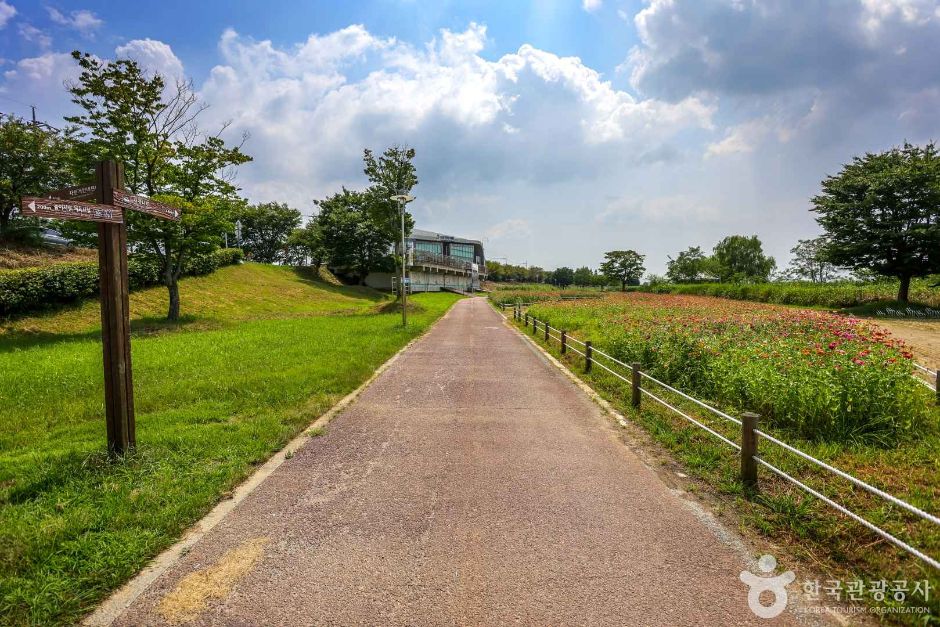
Yeongsangang River Bike Road (영산강 자전거길)
7.4Km 2026-06-30
377 Seochangduk-gil, Seo-gu, Jeonnam-Gwangju Special Metropolitan City
The Yeongsangang River Bike Road, stretching 133 kilometers along the Yeongsangang River in Gwangju, offers a scenic route. It winds past notable landmarks including the Seungchonbo Reservoir, Najudaegyo Bridge, Yeongsanpo Port, Hwangpo sailboat, Natural Dyeing Culture Center, and Naru Village. Along the path, riders can enjoy five of the most picturesque spots in Yeongsan. The starting point of the route, the Yeongsangang River Bike Road Information Center, provides free bicycle rentals and bike safety training.

De Young Museum (드영미술관)
8.7Km 2026-06-30
6 Seongchon-gil, Dong-gu, Jeonnam-Gwangju Special Metropolitan City
De Young Museum is an art gallery located at the entrance to Mudeungsan National Park. The gallery opened in 2018 with the concept of being "forever young" and aims to develop the local culture scene through connections with the local community.
Chungjangsa Shrine (충장사)
9.0Km 2026-06-30
13, Songgang-ro, Buk-gu, Jeonnam-Gwangju Special Metropolitan City
When you reach Baejae along the tourist road leading up to Wonhyosa Temple, you can see the well-maintained tomb and the magnificent building of Chungjangsa Shrine on the left. It was built in 1975 as a memorial to General Kim Deok-ryeong, born in Mudeungsan Mountain. In the precincts, there are the shrine, where Kim Deok-ryeong's portrait and command paper are enshrined; the east room and west room; Eullyun Monument and Commentary Monument, the relics hall; Chungyongmun Gate; and Ikomun Gate. In the relics hall, the clothes of 'General Kim Deok-ryeong,' designated as Important Folk Material, and the coffin excavated from the general's tomb, as well as his handwriting, are on display. On the hill behind the shrine is Kim Deok-ryeong's tomb and tombstone, as well as his family's tomb.
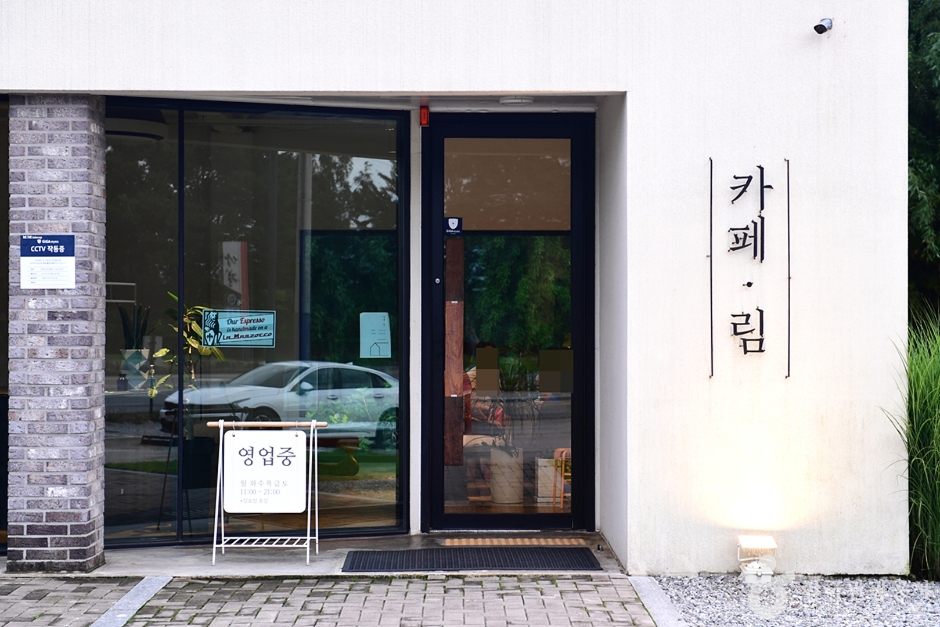
Café Limm (카페 림)
9.3Km 2026-06-30
192 Songgangjeong-ro, Bongsan-myeon, Damyang-gun, Jeonnam-Gwangju Special Metropolitan City
Café Limm is a beautiful café nestled in the backdrop of lush bamboo forests in Damyang. With bamboo trees both inside and outside the café, it feels like stepping into a bamboo forest. Their signature menu item is the shakecoco (coconut milk espresso shake), made with shaken espresso and coconut milk. Visitors can also capture picturesque moments in this café that resembles a scene from an oriental painting.
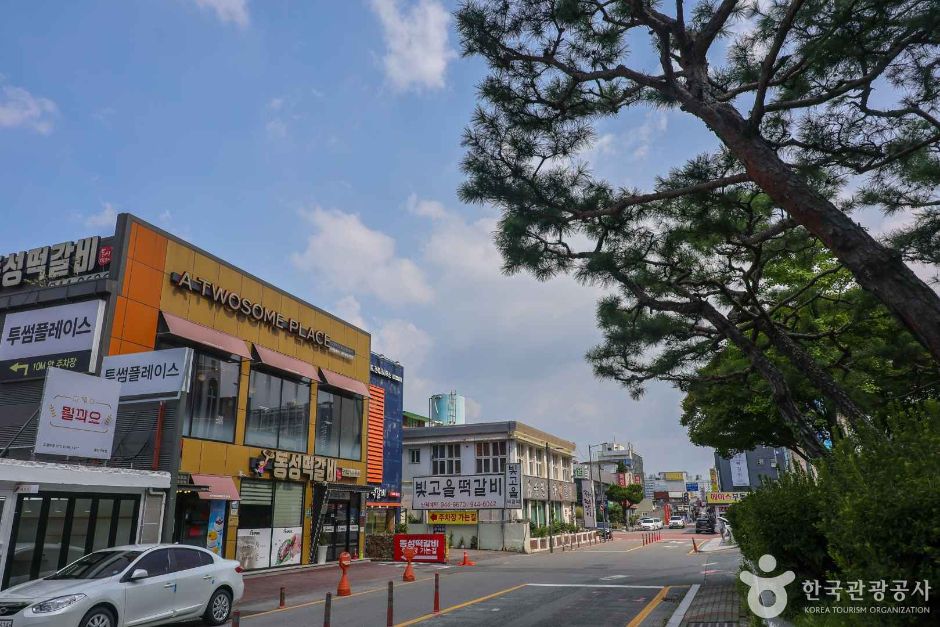
Gwangju Songjeong-dong Tteokgalbi Street (광주 송정동 떡갈비 골목)
9.6Km 2026-06-30
Gwangsan-ro 29beon-gil, Gwangsan-gu, Jeonnam-Gwangju Special Metropolitan City
Tteokgalbi Street in Gwangju Songjeong-dong is lined with around 20 restaurants specalizing in tteokgalbi (grilled galbi patties). The area is a popular place to eat for locals and tourists alike, with many people visiting both during the week and the weekend. The tteokgalbi here stands out from tteokgalbi found in other regions in a few ways. Most places use 100% beef in the patties, but Songjeong-dong tteokgalbi uses a mix of beef and pork. This change was made in the 90s in order to keep the prices the same during a tough financial season. The restaurants here also serve a bone broth soup with the meal, made from boiling pork bones with kelp and radish for over a long period of time.
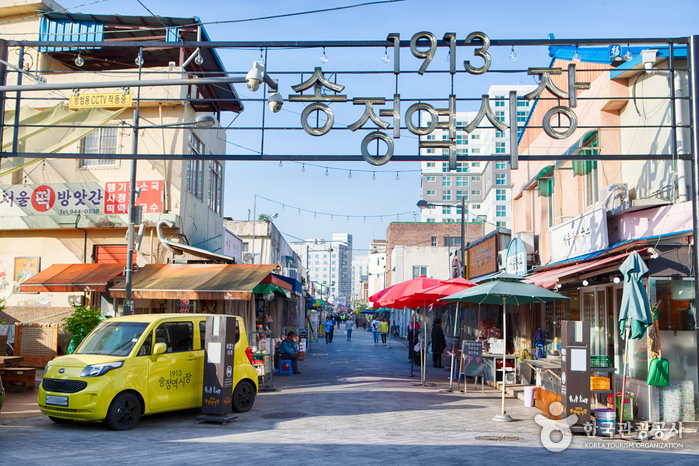
1913 Songjeong Station Market (1913송정역시장)
10.0Km 2026-06-30
13 Songjeong-ro 8beon-gil, Gwangsan-gu, Jeonnam-Gwangju Special Metropolitan City
Songjeong Station Market was opened in 1913 in connection with the opening of Gwangju-Songjeong Station. For many years, the market was the go-to-place for necessary items and produce, but with the increase of large supermarts in the 1990s, people began to visit traditional markets less and less. In order to increase the liveliness of Songjeong Station Market and showcase the difference between modern marts and a traditional market, the entire space was redesigned around the theme of time.
The newly redesigned 1913 Songjeong Station Market, located just across the street from Gwangju-Songjeong KTX Station, has a bright appearance with modern-styled architecture and signboards detailing the history of the various shops. Visitors can enjoy all the classic market foods here, such as hotteok (hot griddle cakes), gyeran bap (rice with egg), and eomuk (fish cake).

Uijae Museum of Korean Art (광주 의재미술관)
10.0Km 2026-06-30
155 Jeungsimsa-gil, Dong-gu, Jeonnam-Gwangju Special Metropolitan City
The Uijae Museum of Korean Art was established in memory of the famous Korean artist Heo Baekryeon. Construction of the museum ended in December, 1999, but the museum wasn’t officially opened until November 17, 2001. Built to mimic the curve of a gently sloping road, the museum’s unique design earned architect Jo Seongryong the 10th Korean Architecture Award the same year as the museum’s opening. Measuring 6,000㎡ (B1-2F) in size, the museum is comprised of two exhibition rooms, a storage facility, a seminar room, and a tea ceremony room for visitors. Since its opening, the Uijae Museum of Korean Art has hosted notable exhibitions and seminars such as the 2002 Biennale Project 2 International Symposium.
Donggok Museum of Art (동곡미술관)
10.1Km 2026-06-30
37 Eodeung-daero 529beon-gil, Gwangsan-gu, Jeonnam-Gwangju Special Metropolitan City
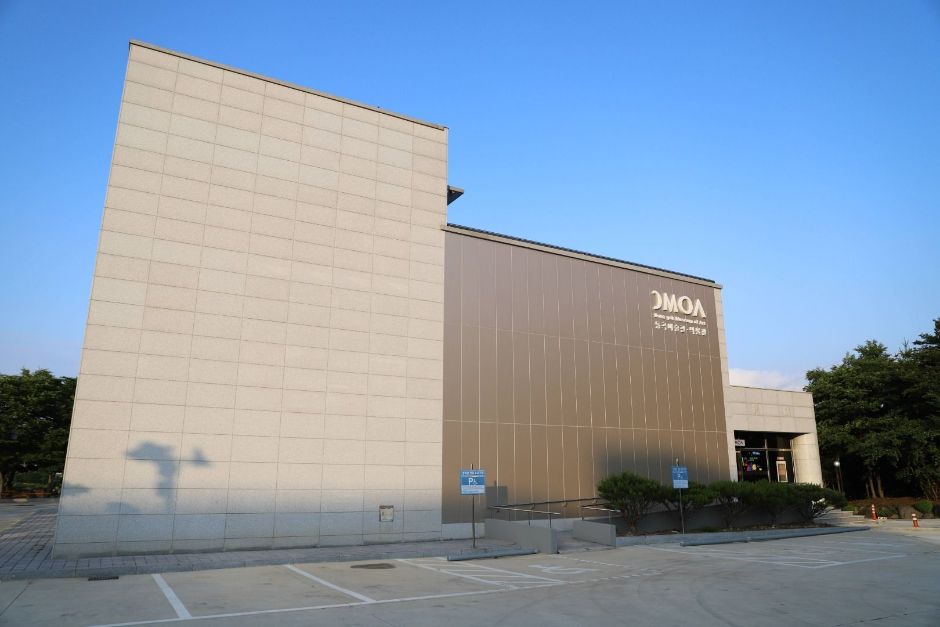
Donggok Museum of Art, opened in December 2020, a two-story building has exhibition halls, educational rooms, a sculpture park and more. There are rest areas to relax after enjoying arts, as well as spaces for visitors to find their creativity.
Gwangjuho Lake Eco Park (광주호 호수생태원)
10.4Km 2026-06-30
Chunghyo-dong, Buk-gu, Jeonnam-Gwangju Special Metropolitan City
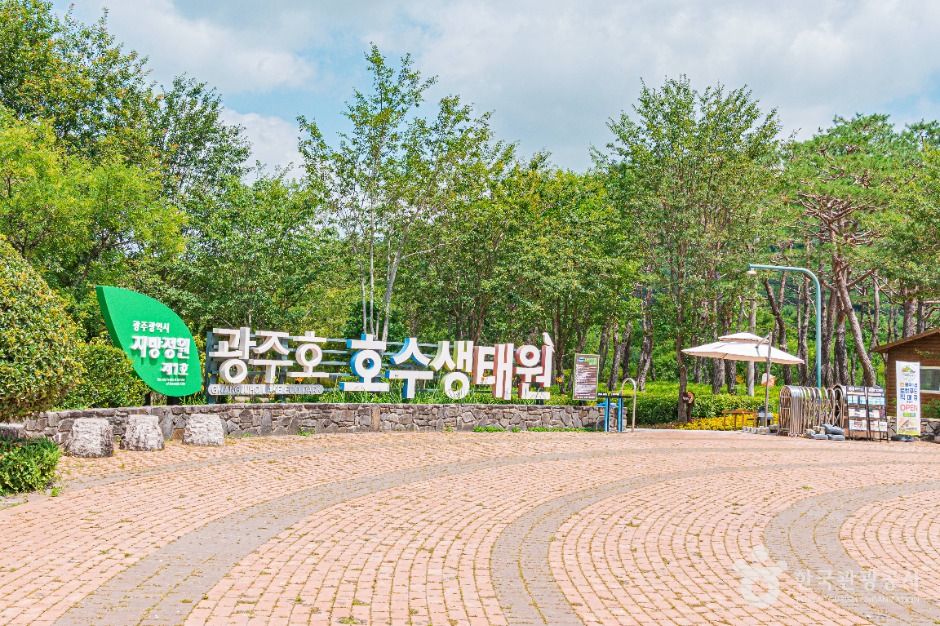
Gwangjuho Lake Eco Park is an ecological park located near the banks of Gwangjuho Lake, featuring a Nature Observation Center, Nature Learning Center, Lawn Area, and Waterside Wetland. The park is home to around 170,000 wildflowers and over 3,000 trees, offering opportunities to observe various flora and fauna up close. Visitors can witness diverse birds thriving in the wetlands.
Sigyeongjeong Pavilion (담양 식영정)
10.5Km 2026-06-30
Jigok-ri, Damyang-gun, Jeonnam-Gwangju Special Metropolitan City
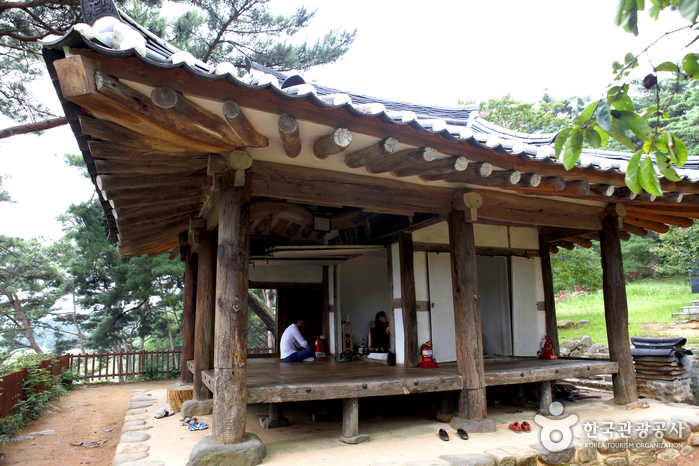
Designated as the top monument of Jeollanam-do, Sigyeongjeong Pavilion means a place where even the shadow of the moon can find a place to rest. As its name suggests, this pavilion is set in a lush and remote forested area. Countless number of scholars and writers have been attracted to this pavilion as a place of profound inspiration. The pavilion gained more fame from the legendary lyrics of Seongsanbyeolgok written by the poet Jeong Cheol. The elegant words of Kim Seongwon, a literary scholar, depict the scenic beauty of Seongsan Mountain as the seasons change.
Of all the pavilions situated at the basin of the Yeongsangang River the Sigyeongjeong Pavilion is said to be blessed with a breathtaking view from the side. The current building was restored in the early 1900s. At the Sigyeongjeong Pavilion there is the Buyongdang, a monument with the lyrics to the Seongsanbyeolgok Poem, and next to it an old library building called Jangseogak built to preserve the wooden blocks of Songgangjib, a book of poetry written by Jeong Cheol.
 English
 한국어
한국어 日本語
日本語 中文(简体)
 Deutsch
 Français
 Español
 Русский


