![Olive Young - Gwangju Songjeong Station Branch [Tax Refund Shop] (올리브영 광주송정역)](http://tong.visitkorea.or.kr/cms/resource/88/2886988_image2_1.jpg)
Olive Young - Gwangju Songjeong Station Branch [Tax Refund Shop] (올리브영 광주송정역)
9.1Km 2024-04-22
1F, 207, Sangmu-daero, Gwangsan-gu, Gwangju
-
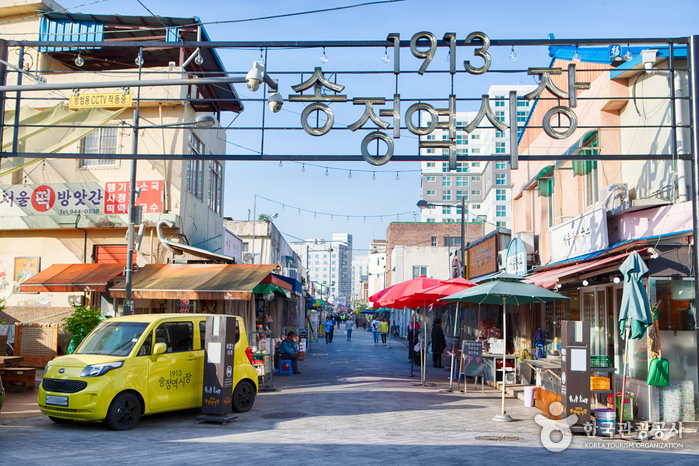
1913 Songjeong Station Market (1913송정역시장)
9.2Km 2025-08-12
13 Songjeong-ro 8beon-gil, Gwangsan-gu, Gwangju
Songjeong Station Market was opened in 1913 in connection with the opening of Gwangju-Songjeong Station. For many years, the market was the go-to-place for necessary items and produce, but with the increase of large supermarts in the 1990s, people began to visit traditional markets less and less. In order to increase the liveliness of Songjeong Station Market and showcase the difference between modern marts and a traditional market, the entire space was redesigned around the theme of time.
The newly redesigned 1913 Songjeong Station Market, located just across the street from Gwangju-Songjeong KTX Station, has a bright appearance with modern-styled architecture and signboards detailing the history of the various shops. Visitors can enjoy all the classic market foods here, such as hotteok (hot griddle cakes), gyeran bap (rice with egg), and eomuk (fish cake).

Uijae Museum of Korean Art (광주 의재미술관)
9.4Km 2024-11-14
155 Jeungsimsa-gil, Dong-gu, Gwangju
+82-62-222-3040
The Uijae Museum of Korean Art was established in memory of the famous Korean artist Heo Baekryeon. Construction of the museum ended in December, 1999, but the museum wasn’t officially opened until November 17, 2001. Built to mimic the curve of a gently sloping road, the museum’s unique design earned architect Jo Seongryong the 10th Korean Architecture Award the same year as the museum’s opening. Measuring 6,000㎡ (B1-2F) in size, the museum is comprised of two exhibition rooms, a storage facility, a seminar room, and a tea ceremony room for visitors. Since its opening, the Uijae Museum of Korean Art has hosted notable exhibitions and seminars such as the 2002 Biennale Project 2 International Symposium.
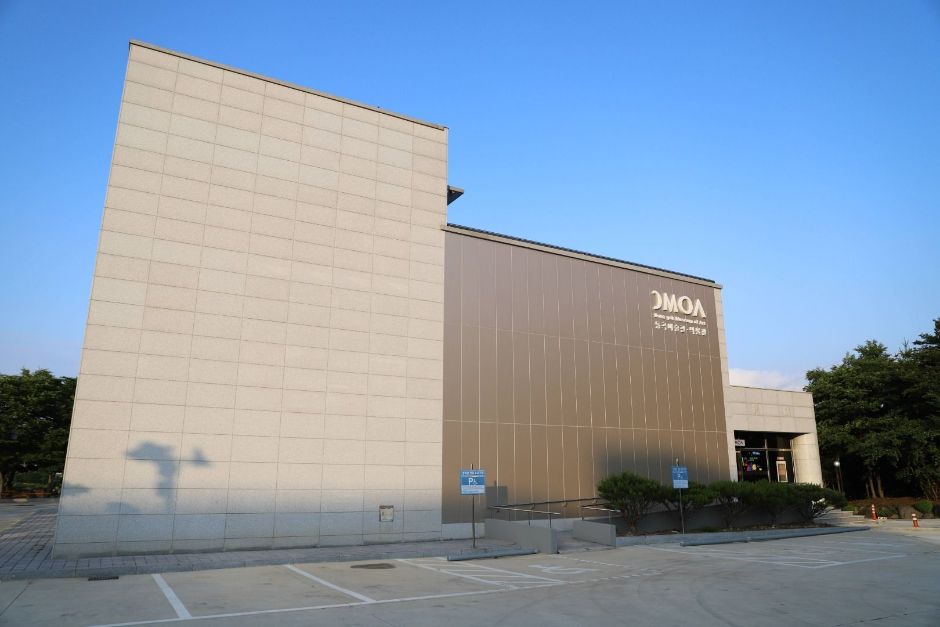
Donggok Museum of Art (동곡미술관)
9.5Km 2024-12-17
37 Eodeung-daero 529beon-gil, Gwangsan-gu, Gwangju
Donggok Museum of Art, opened in December 2020, a two-story building has exhibition halls, educational rooms, a sculpture park and more. There are rest areas to relax after enjoying arts, as well as spaces for visitors to find their creativity.
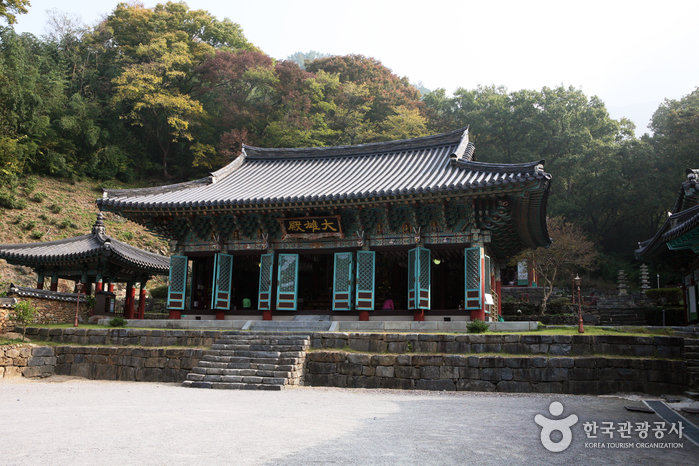
Gwangju Jeungsimsa Temple (증심사(광주))
9.6Km 2021-11-09
177, Jeungsimsa-gil, Dong-gu, Gwangju
+82-62-226-0108
Located on the western foothills of Mudeungsan Mountain, Jeungsimsa Temple is a representative temple of Gwangju. First founded by Buddhist monk Cheolgamseonsa Do Yun in 517 (Silla Kingdom), the temple was remodeled by Buddhist monk Hyesoguksa in 1094 (Goryeo dynasty) and again by Kim Bang in 1443 (Joseon dynasty). The temple was burned down during the Imjin War and was reconstructed in 1609 by three Buddhist monks: Seokgyeong, Sujang, and Dogwang. It underwent several additional restorations before being destroyed again by fire during the Korean War. Most of the existing buildings, including Daeungjeon Halll (main temple building), were rebuilt in the 1970s.
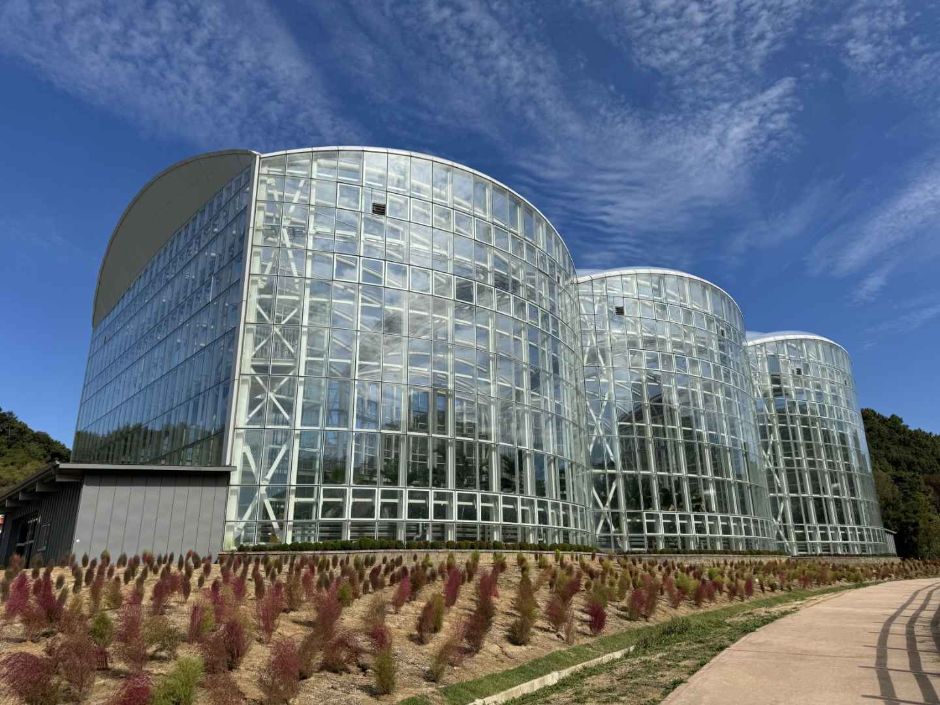
Gwangju Arboretum (광주시립수목원)
9.7Km 2024-11-18
142 Dodong-gil, Nam-gu, Gwangju
Gwangju Arboretum was built on a sanitary landfill to restore the natural ecological environment by planting trees and creating convenience facilities. The arboretum preserves, manages, researches, and exhibits the indigenous plants of the region and provides visitors with a space to relax and connect with nature. Visitors of all ages can enjoy educational programs and forest commentary tours, making it a great place for families.
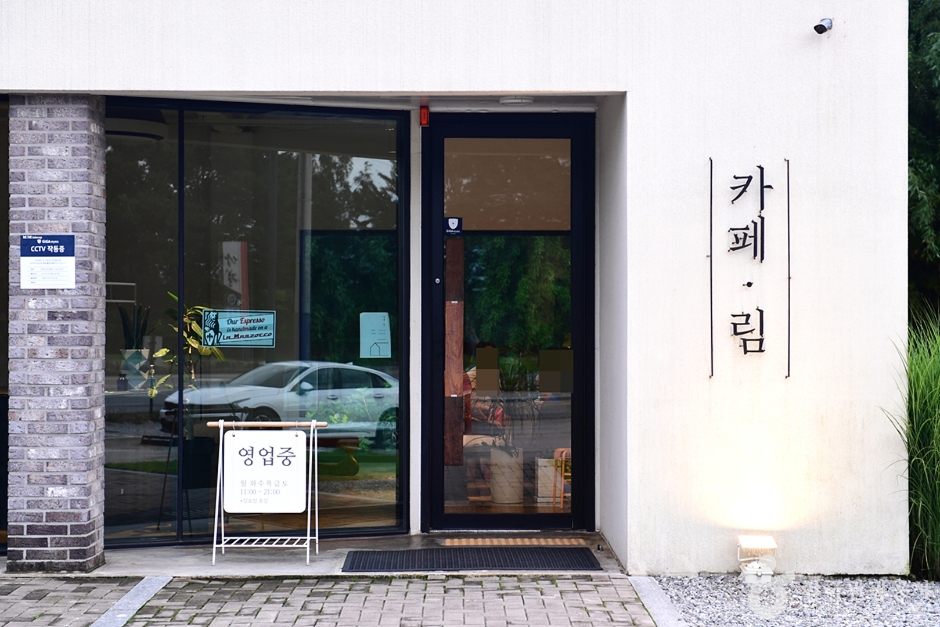
Café Limm (카페 림)
10.4Km 2024-11-12
192 Songgangjeong-ro, Bongsan-myeon, Damyang-gun, Jeollanam-do
Café Limm is a beautiful café nestled in the backdrop of lush bamboo forests in Damyang. With bamboo trees both inside and outside the café, it feels like stepping into a bamboo forest. Their signature menu item is the shakecoco (coconut milk espresso shake), made with shaken espresso and coconut milk. Visitors can also capture picturesque moments in this café that resembles a scene from an oriental painting.
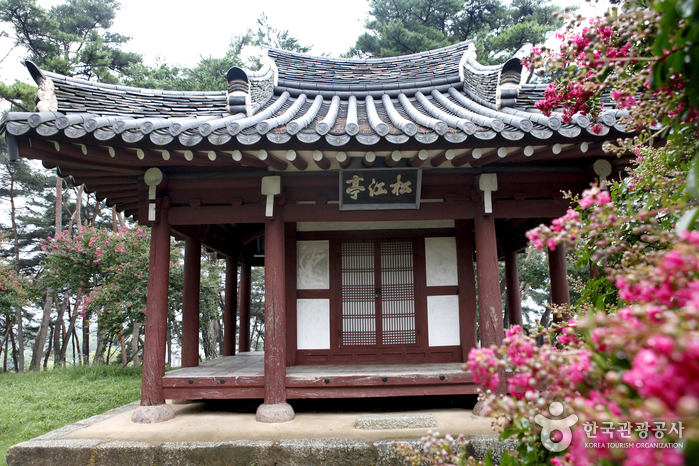
Damyang Songgangjeong Pavilion (담양 송강정)
10.5Km 2021-05-14
232, Songgangjeong-ro, Damyang-gun, Jeollanam-do
+82-61-380-2811
Songgangjeong pavilion is located in Wongang-ri, Damyang-gun, Jeollanam-do. It was registered as Jeollanam-do Provincial Monument No. 1 on January 29, 1972.
Joseon dynasty poet Jeong Cheol (pen name, Songgang) composed his famed poem “Samiingok” from this pavilion. Next to it presently stands the Samingok memorial stone. The two structures at this site, Hwanbyeonkdang and Sigyeongjeong, are collectively referred to as
the “Relics of Jeong Songgang.”

Olive Young - Gwangju Seonun District Branch [Tax Refund Shop] (올리브영 광주선운지구점)
10.5Km 2024-06-26
418, Eodeung-daero, Gwangsan-gu, Gwangju
-
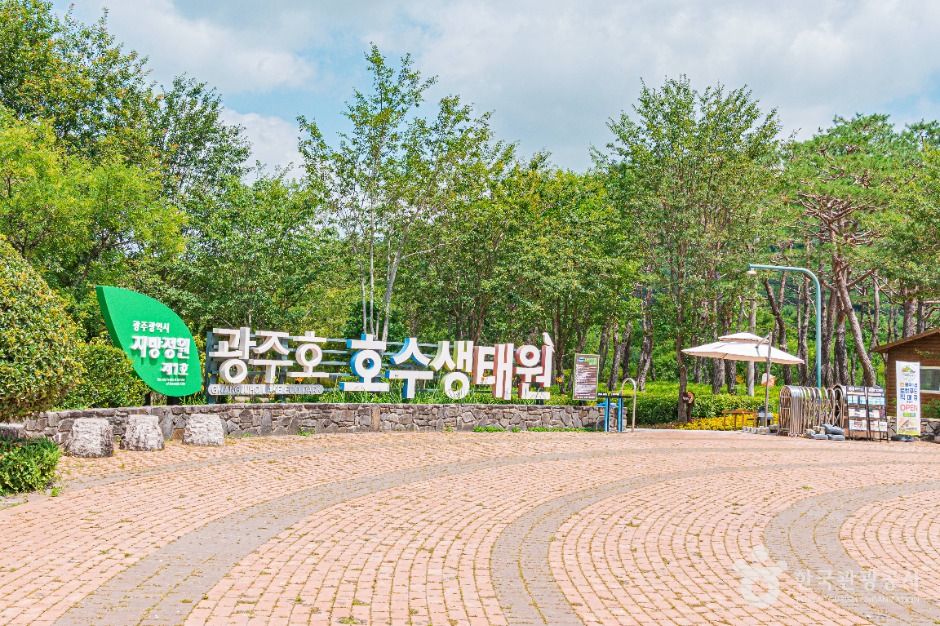
Gwangjuho Lake Eco Park (광주호 호수생태원)
10.6Km 2025-08-12
Chunghyo-dong, Buk-gu, Gwangju
+82-62-613-7891
Gwangjuho Lake Eco Park is an ecological park located near the banks of Gwangjuho Lake, featuring a Nature Observation Center, Nature Learning Center, Lawn Area, and Waterside Wetland. The park is home to around 170,000 wildflowers and over 3,000 trees, offering opportunities to observe various flora and fauna up close. Visitors can witness diverse birds thriving in the wetlands.
 English
 한국어
한국어 日本語
日本語 中文(简体)
 Deutsch
 Français
 Español
 Русский


