![Himart - Gyeongam Branch [Tax Refund Shop] (하이마트 경암점)](http://tong.visitkorea.or.kr/cms/resource/12/2890012_image2_1.jpg)
Himart - Gyeongam Branch [Tax Refund Shop] (하이마트 경암점)
14.1Km 2024-04-16
251, Jinpo-ro, Gunsan-si, Jeollabuk-do
-
![Mireuksa Temple Site [UNESCO World Heritage] (익산 미륵사지 [유네스코 세계문화유산])](http://tong.visitkorea.or.kr/cms/resource/91/2514991_image2_1.jpg)
Mireuksa Temple Site [UNESCO World Heritage] (익산 미륵사지 [유네스코 세계문화유산])
14.8Km 2024-04-07
362, Mireuksaji-ro, Iksan-si, Jeonbuk-do
+82-63-859-3873
Mireuksa was the largest Buddhist temple of the ancient Baekje Kingdom (18 BC-AD 660). According to Samgukyusa (historical records published in 1281), King Mu (30th king of Baekje, in power AD 600-641) and his wife Queen Seonhwa were said to have seen a vision of Mireuksamjon (the three Sanskrit) emerging from a large pond. At the time of their revelation, the king and queen were on their way to visit a Buddhist monk in Sajasa Temple on Yonghwasan Mountain (now known as Mireuksan Mountain). In response to their vision, the king drained the nearby pond and established Mireuksa Temple. The temple is believed to have shown the most advanced architectural and cultural skills of Baekje, Silla, and Goguryeo (the three main kingdoms at that time). Records indicate that King Jinpyeong of Silla even sent his craftsmen over to assist with the temple construction.
The two main features of the Mireuksa Temple Site are the stone pagoda (Mireuksaji Seoktap) and the flagpole supports (Mireuksaji Dangganjiju). The 14.24-meter-high west stone pagoda (National Treasure No. 11) is the oldest and largest Korean stone pagoda in existence. The west pagoda currently has only six tiers, but is estimated to originally have had nine. The nine-story east stone pagoda (27.67 meters in x_height) was restored to its original stature in 1993 based on historical records. Other surviving landmarks include the flagpole supports (Treasure No. 236) to the south of the stone pagodas. The 395 centimeter-tall poles are estimated to have been created during the Unified Silla period (AD 676-935) and are set 90 meters apart from east to west.
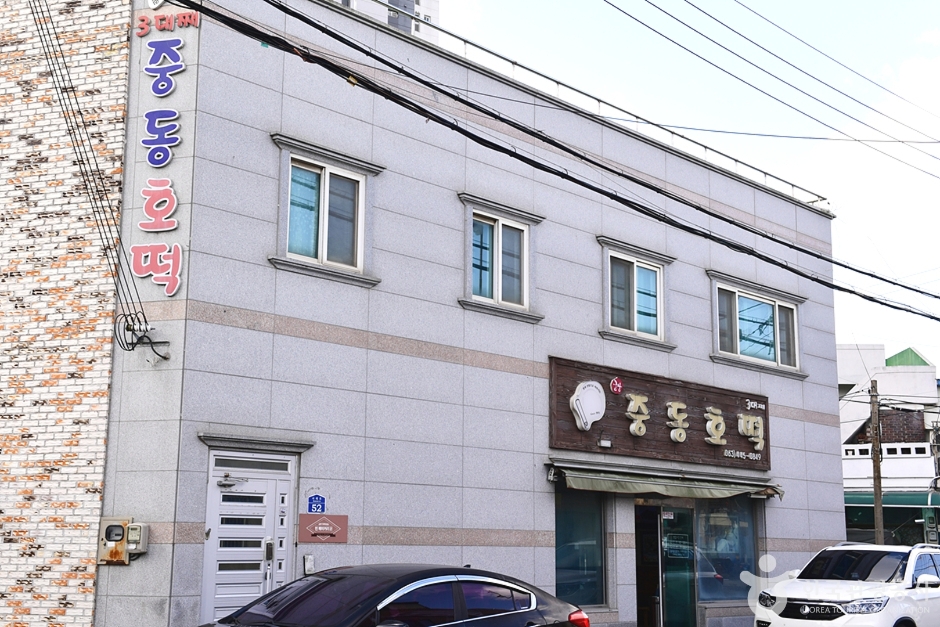
Jungdong Hotteok (중동호떡)
14.9Km 2024-04-07
52 Seorae-ro, Gunsan-si, Jeonbuk-do
Since 1943, Jungdong Hotteok has been a renowned specialty of Gunsan, continuing the legacy of its flavors. Unlike traditional hotteok (griddlecake with sugar filling), Jungdong Hotteok is baked rather than fried, resulting in a crispy exterior and a soft interior. Its filling consists of a sweet syrup mixed with naked barley, black soybeans, black sesame, and black rice. It is a popular dining spot visited by customers from morning till night, having been featured on various Korean television broadcasts.
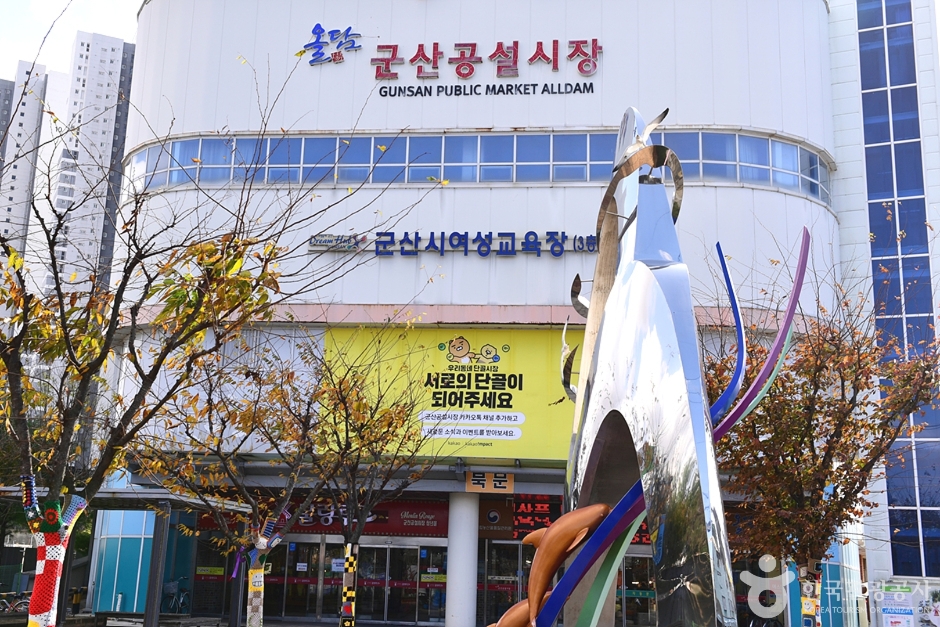
Gunsan Gongseol Market (군산 공설시장)
15.0Km 2024-04-06
18 Singeum-gil, Gunsan-si, Jeonbuk-do
Gunsan Gongseol Market is a traditional market in Gunsan, established in 1918, bears historical significance. With the opening of Gunsan Port, modern influences began to permeate, and the establishment of a train station attracted crowds, leading to the formation of this market. It stands out with its blend of traditional market vibes within a structure resembling a typical mart. Nearby attractions such as the Gunsan Modern History Museum and the Modern Art Museum offer additional exploration opportunities for visitors.
![H MOTEL [Korea Quality] / H(에이치)모텔 [한국관광 품질인증]](http://tong.visitkorea.or.kr/cms/resource/55/2637055_image2_1.jpg)
H MOTEL [Korea Quality] / H(에이치)모텔 [한국관광 품질인증]
15.1Km 2024-04-07
33-5 , Jukseong-ro, Gunsan-si, Jeonbuk-do
+82-63-442-8941
H Motel stands on Modern Culture Street in Gunsan, Jeollabuk-do. Local attractions within walking distance include the Modern Art and History Museums, the Japanese-style houses in Sinheung-dong, and Jinpo Maritime Theme Park. Guests can choose either ondol rooms or bedrooms, with facilities such as mini-fridge, air purifier, internet, and a hair dryer all provided. Bedguards for small children can be hired. Baked eggs, toast, jam, and cookies are provided free of charge for breakfast, and there is a free snack bar equipped with a noodle cooker, coffee machine, and toaster. There is a public PC and a multifunction printer in the lobby.
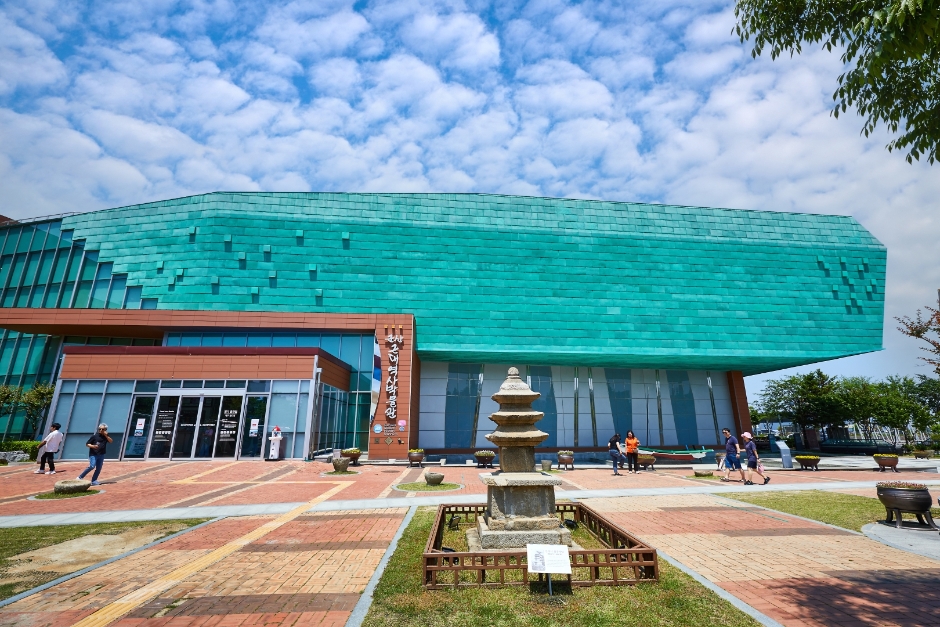
Gunsan Modern History Street (군산 근대화 거리)
15.2Km 2024-04-07
41, Jangmi 1-gil, Gunsan-si, Jeonbuk-do
Gunsan was historically an important trading port. Because of that, it often served as the landing point of new culture in Korea. One such example is the modern culture during the Japanese colonial period, which traces of that time can still be found today. At Gunsan Modern History Street, you will find Gunsan Modern History Museum, Old Gunsan Customs Office, Gunsan Modern Art Museum, Gunsan Modern Architecture Hall, and the former Joseon Bank building standing in a row. If you want to see Gunsan’s past and present, a visit to the museum is recommended. The area between Leesungdang and this area is the old city center of Gunsan, home to shops and cafes that build upon Gunsan’s uniquely retro aesthetics.

Gunsan Port (군산항)
15.2Km 2024-04-07
442 Imhae-ro, Gunsan-si, Jeonbuk-do
Gunsan Port, established in 1899, is the port of Gunsan. During the Japanese colonial period, Gunsan prospered as a trading port. Modern buildings from that era still remain around Gunsan Port, creating a nostalgic atmosphere often referred to as a "time-travel village." Nearby attractions include the Gunsan Modern History Museum and the Sinheung-dong Japanese-style House Street.
Binhaewon (빈해원)
15.2Km 2024-04-07
57 Dongnyeong-gil, Gunsan-si, Jeonbuk-do
Binhaewon is a Chinese restaurant located in the Jjambbong Street in Gunsan. Established in 1952 by ethnic Chinese settlers who arrived in Gunsan after the Korean War, it stands as the oldest Chinese restaurant in the area. Preserving the life, culture, and architectural style of the ethnic Chinese community, it was designated as a cultural heritage site in 2018. The signature dish is jjamppong (spicy seafood noodle soup), a spicy seafood noodle soup known for its hearty broth and chewy noodles.
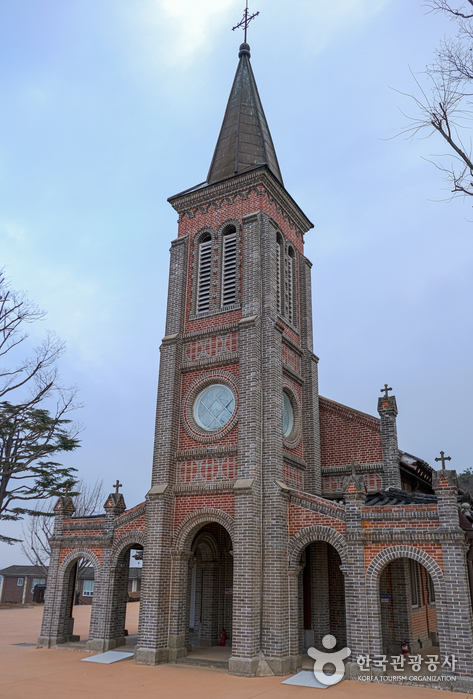
Nabawi Catholic Church (화산천주교회(나바위 성당))
15.4Km 2024-04-07
146, Nabawi 1-gil, Iksan-si, Jeonbuk-do
+82-63-861-9210
Nabawi Catholic Church is located in Hwasan-ri, Mangseong-myeon in Iksan, Jeollabuk-do Province and is known as the oldest surviving catholic church in the Jeolla-do region. The church was built in 1906 to commemorate the return of priest Kim Dae-geon in 1845 (Joseon dynasty) after he was ordained in Shanghai, China. Inside the church stand two monuments: one built in 1954 to honor Joseph Vermorel (French missionary, 1860-1937) and one built in 1955 to honor priest and martyr Kim Dae-geon. Considered the most significant catholic relic of the Jeolla-do region, the church is sought out by large numbers of Catholic visitors each year.
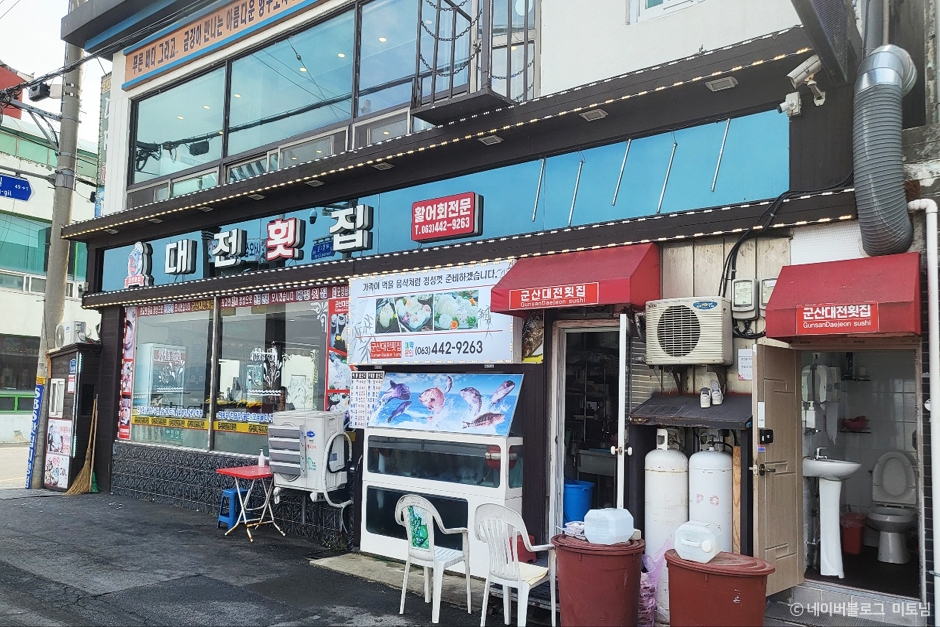
Gunsan Daejeon Hoetjib (군산대전횟집)
15.4Km 2024-04-07
149 Naehang 2-gil, Gunsan-si, Jeonbuk-do
Gunsan Daejeon Hoetjib is a popular local recommendation known for its fresh sliced raw fish and upscale side dishes. Located just a 10-minute drive from Gunsan Port, customers can enjoy their meal while admiring the view of Dongbaekdaegyo Bridge and the inner harbor of Gunsan. The signature menu item is the modeum hoe (assorted sliced raw fish) featuring a variety of fish such as flatfish, rockfish, sea bass, and sea bream, along with steamed lobster.
 English
 한국어
한국어 日本語
日本語 中文(简体)
 Deutsch
 Français
 Español
 Русский


