
Jamwon Hangang Park (잠원한강공원)
14.7Km 2024-10-23
221-124 Jamwon-ro, Seocho-gu, Seoul
+82-2-3780-0531
Jamwon Hangang Park is a public recreation area on the Hangang River. Nearby attractions include athletic facilities (running tracks, soccer fields, basketball courts, etc.), various water sports facilities, and an 8.2-kilometer inline skating path. A bicycle path along the Hanfgang River, an outdoor swimming pool in summer, and a snow sledding center in winter are the most frequently used ones by may citizens. Jamwon was once a mulberry field, so there is also a thematic nature learning center that depicts the life of the silkworm.
Jamwon Hangang Park Outdoor Swimming Pool (한강시민공원 잠원수영장(실외))
14.7Km 2022-09-06
221-124, Jamwon-ro, Seocho-gu, Seoul
+82-2-536-8261
Six of the city's Hangang Parks have outdoor swimming pools, including Jamwon Hangang Park. Supported by meticulous water quality management, they are not only safe, but also an inexpensive alternative to private facilities. Excellent amenities include swimming equipment rentals, food, and beverages.
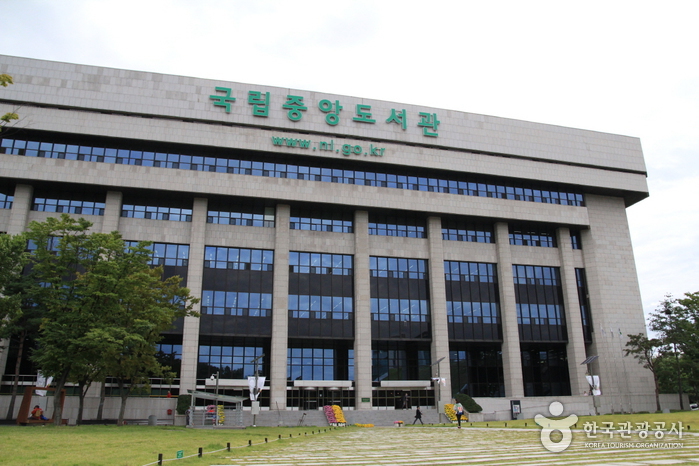
The National Library of Korea (국립중앙도서관)
14.7Km 2021-06-22
201, Banpo-daero, Seocho-gu, Seoul
+82-2-590-0500
The National Library of Korea collects and preserves many important documents and books, promoting a culture of appreciation for these cultural heritages. The library was founded on May 28, 1988 in the area of Seocho Park, later expanding to include an annex. The scenery of the park is beautiful and the atmosphere is very relaxing, perfectly suited to the pursuit of knowledge. For further understanding, the library also offers guided tours for those interested in library science. Many materials have also been scanned and are accessible online through the digital library.
The Catholic University of Korea Seoul St. Mary's Hospital (가톨릭대학교 서울성모병원)
14.7Km 2025-10-23
222 Banpo-daero, Seocho-gu, Seoul
Equipped with world-class medical staff and state-of-the art medical equipment, the Catholic University of Korea Seoul St. Mary's Hospital is a representative hospital of the Catholic University of Korea, Catholic Medical Center, the largest medical network in Korea. The hospital is part of the largest single-building hospital in Korea, with 22 above-ground floors, six underground floors, and 1,374 beds.
The hospital consists of 48 departments and 26 specialized centers. It was certified by the Joint Commission International (JCI) for five consecutive years until 2022 and has maintained a world-class and safe medical environment.
The hospital’s safe and competent medical services have earned the hospital high credibility among both Korean and international patients. Over 30,000 international patients from approximately 100 countries visit the hospital every year.
Its international healthcare center provides multilingual interpretation services (e.g., English, Russian, Arabic, Japanese, and French), a prayer room for Muslims, and customized meals such as halal and Russian-friendly meals to meet international patients’ needs, all in an effort to provide patients with safe and convenient treatments.
Modern Nulang Central City Branch (모던눌랑 센트럴시티점)
14.8Km 2025-12-02
205 Sapyeong-daero, Seocho-gu, Seoul
+82-2-6282-5005
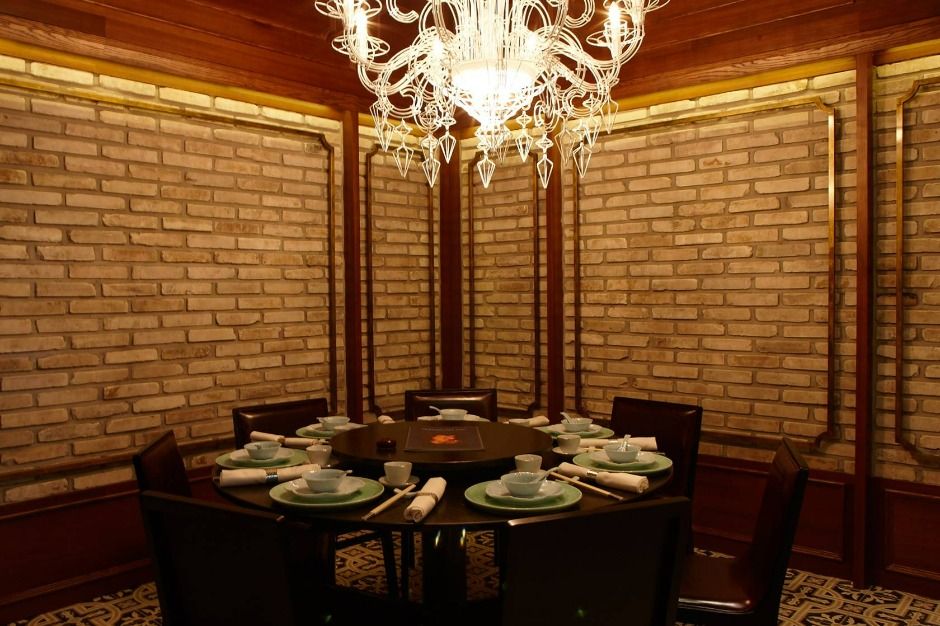
Setting a romantic and modern atmosphere, Modern Nulang is a Chinese restaurant inspired by the "New Woman" concept from Shanghai's modern history. The restaurant’s design reflects Shanghai’s modern culture in the 1930s, portraying itself as a place that sets trends and is frequented by intelligent, sophisticated women. Decorative elements like a train platform, murals, and antique décor are scattered throughout the space, capturing the aesthetic essence of that era. Even the food served here stays true to the concept, presented in an elegant and romantic fashion. Signature menu items include Modern Nulang Shanghai Roll Platter, Braised Pork Belly with Chinese Buns, and Mint Lime Shrimp.
Texas de Brazil Central City Branch (텍사스 데 브라질 센트럴시티점)
14.8Km 2025-12-02
205 Sapyeong-daero, Seocho-gu, Seoul
+82-2-6282-5000
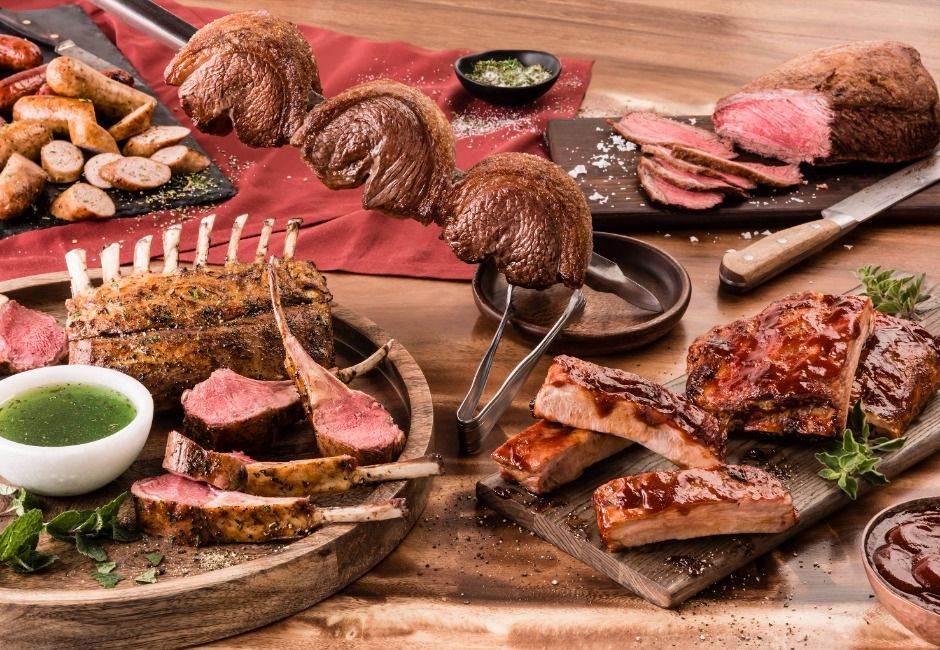
Located in Seocho-gu, Texas de Brazil Central City Branch offers 15 different types of churrasco—traditional Brazilian steak barbecue—and 50 varieties of Brazilian dishes. Churrasco refers to meat skewered on a 1.2-meter-long stick and grilled over hard charcoal, making it tender and juicy. The carver also comes to the guest’s table to slice—or "carve"—the meat portions according to the guest’s request. Not only is the food served here a treat for the palate, but for the eyes as well.
Bukhansan National Park (Seoul District) (북한산국립공원(서울))
14.9Km 2024-11-27
262 Bogungmun-ro, Seongbuk-gu, Seoul
+82-2-909-0497
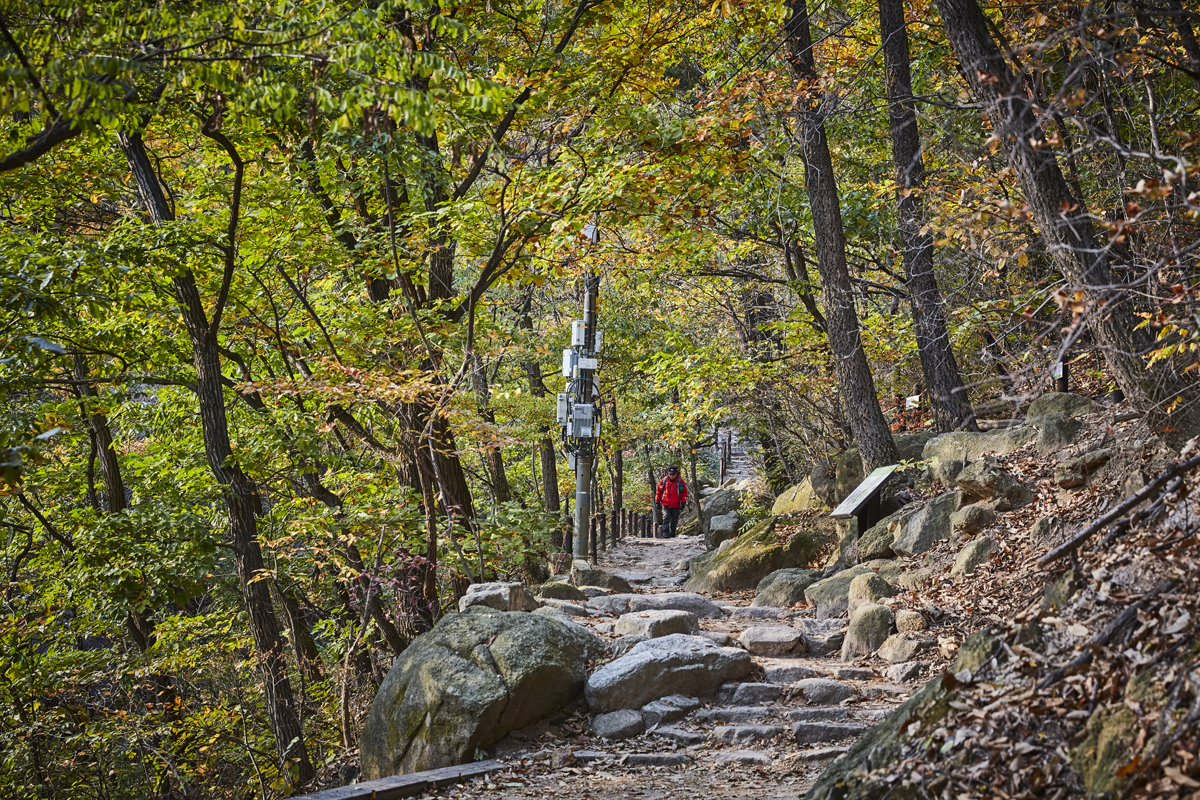
Bukhansan Mountain was officially designated as a national park in 1983. Bukhansan National Park covers both Bukhansan and Dobongsan Mountains, and spans a total area of 80.699 ㎢. At the top of Bukhansan Mountain are Baegundae Terrace (835.6 m), Insubong Peak (810.5 m) and Mangyeongdae Terrace (799.5 m), which gave the mountain the nickname "Samgaksan" or the "three-horned mountain." The mountain had other names: Sambongsan (mountain with three peaks), Hwasan (flower mountain), and Buaak (mountain shaped like a person giving a baby a piggyback ride). The current name, Bukhansan, was given after the Bukhansanseong Fortress was built under King Sukjong of the Joseon dynasty.
Montmartre Park (몽마르뜨공원)
14.9Km 2024-03-20
59 Banpo-daero 37-gil, Seocho-gu, Seoul
+82-2-2155-6860
Montmartre Park, situated above Seorae Village, earns its name due to the significant number of French residents in the vicinity. This small park exudes an atmosphere of art and romance, fitting its namesake. Adorned with poems and sculptures contributed by French poets and artists, the park also features busts depicting renowned figures like Vincent Van Gogh, Paul Gauguin, and Pablo Picasso. Towards the park's conclusion, Nue Bridge connects it to the Seoripul Neighborhood Park.
Hwanghak-dong Flea Market (Dokkaebi Market / Manmul Market) (황학동 벼룩시장 (도깨비시장/만물시장))
14.9Km 2025-04-11
11-7 Majang-ro 5-gil, Jung-gu, Seoul
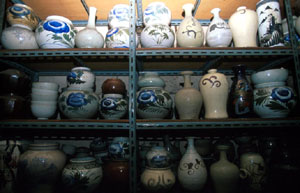
Hwanghak-dong Flea Market was named after the way how merchants travel from one place to another all over the country, as if like fleas hopping around from one spot to another, to collect rare and valuable items. This market was once a haven of antiques and collectibles, but with the formation of old-fashioned art street in 1983 in Janganpyeong, many classic art shops had moved out, leaving only used item and general goods stores. Now, visitors can find stores selling antiques, used furniture, electronics, clocks, jewelry, musical instruments, camera, and machinery – pretty much anything one can name. Hwanghak-dong Flea Market is also referred to as Dokkaebbi Market, to describe how even the most rundown items become just like new, as if like the work of a dokkaebi (Korean folk goblin).
K-medi Spring (한강애봄)
14.9Km 2025-12-09
6th Floor, 63 Dongsomun-ro, Seongbuk-gu, Seoul
HanGang AeBom is a certified agency specializing in attracting international patients, offering customized programs that combine Korea’s advanced medical services with tourism. The agency collaborates with medical institutions to arrange consultations, interpretation, accommodation, and travel itineraries.
 English
 한국어
한국어 日本語
日本語 中文(简体)
 Deutsch
 Français
 Español
 Русский


