Soraesan Mountain (소래산)
13.2Km 2024-02-06
Daeya-dong, Sincheon-dong, Siheung-si, Gyeonggi-do
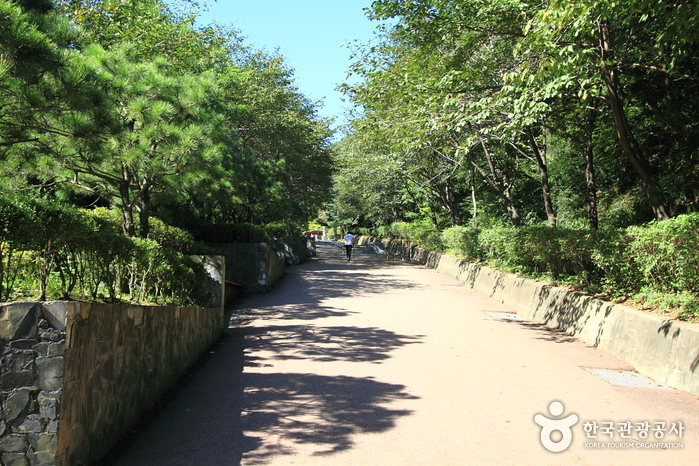
Soraesan Mountain, with an altitude of 299 meters, is situated between Siheung and Incheon. Its name "Sorae" originates from the area's old name, reflecting its rich heritage. The scenic mountain features a forest park, badminton courts, basketball courts, futsal fields, and various other amenities. Notably, midway up the mountain stands the striking Standing Rock-carved Bodhisattva, an impressive 15 meters tall. With numerous hiking trails, the summit of Soraesan Mountain offers breathtaking views of the Yellow Sea, Seoul, and Incheon.
Chunghyeon Museum (충현박물관)
13.3Km 2021-08-02
5-6, Ori-ro 347beon-gil, Gwangmyeong-si, Gyeonggi-do
+82-2-898-0505
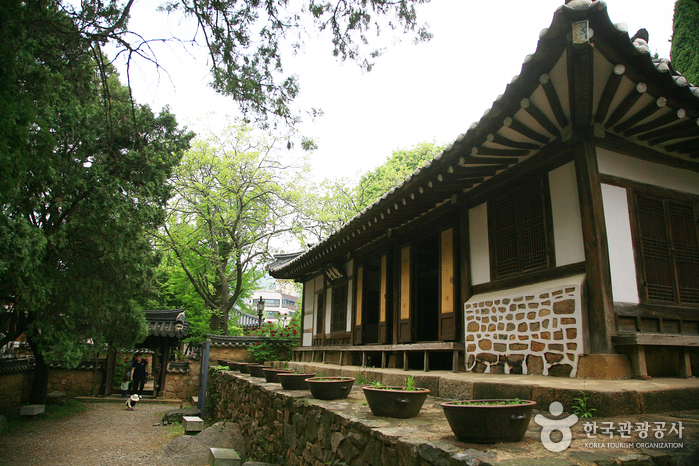
The Chunghyeon Museum preserves the legacy of the respected scholar Ori Lee Wonik. The museum's logo is inspired by the scholar's signature on a letter that he wrote four years before his death, addressed to his son Lee Uijeon, grandson Lee Suyak, and successive descendants. Visitors can see various artifacts and ruins related to Lee Wonik.
Bangsan Wholesale Market (방산 종합시장)
13.4Km 2025-10-23
20, Dongho-ro 37-gil, Jung-gu, Seoul
+82-2-2268-6691
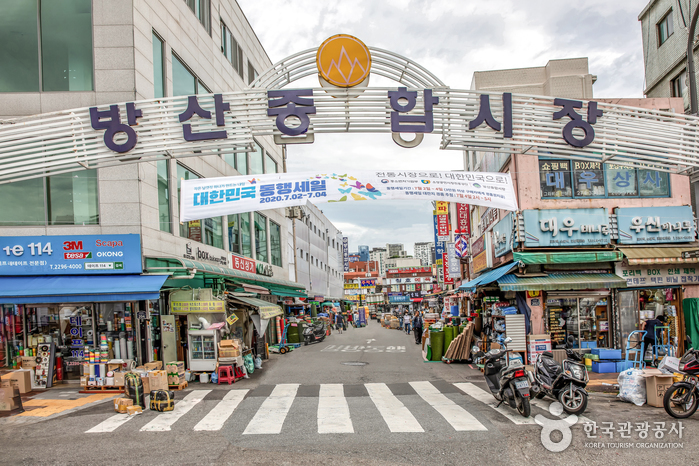
Bangsan Market is a wholesale market with approximately 250 stores that sells packaging and promotional materials. The market was popular with patissiers in the past and is currently more famous for being a bakery street.
Yejiwon (예지원)
13.4Km 2022-09-19
72, Jangchungdan-ro, Jung-gu, Seoul
+82-2-2253-2211
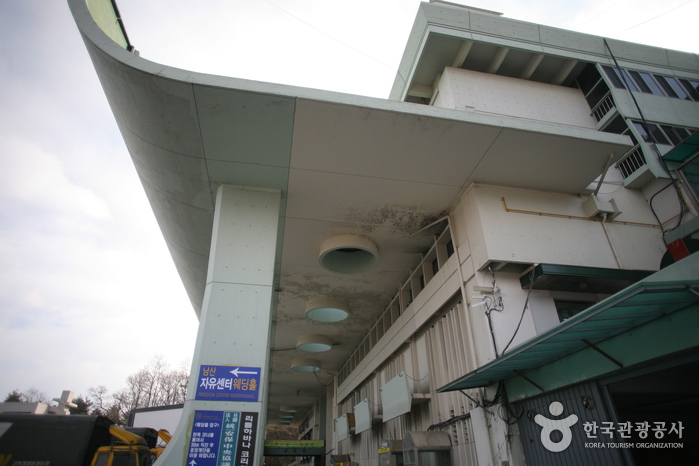
The Yejiwon is located in Seoul Jung-gu Jangchung-dong and has been offering traditional Korean etiquette education programs since its inception on September 16th, 1974. Furthermore, the Yejiwon also serves to introduce the traditional cultures and living cultures of Korean etiquettes to foreigners.
Most programs offered are short-term classes, and reservations can be made on the homepage up to 15 days in advance. Reservations are only available for groups of 10 or more and classes are instructed in Korean only, so it may be a good idea to be accompanied by a guide.
Banpo Bridge Rainbow Fountain (반포대교 달빛무지개분수)
13.4Km 2025-10-23
647 Banpo-dong, Seocho-gu, Seoul
+82-2-3780-0578
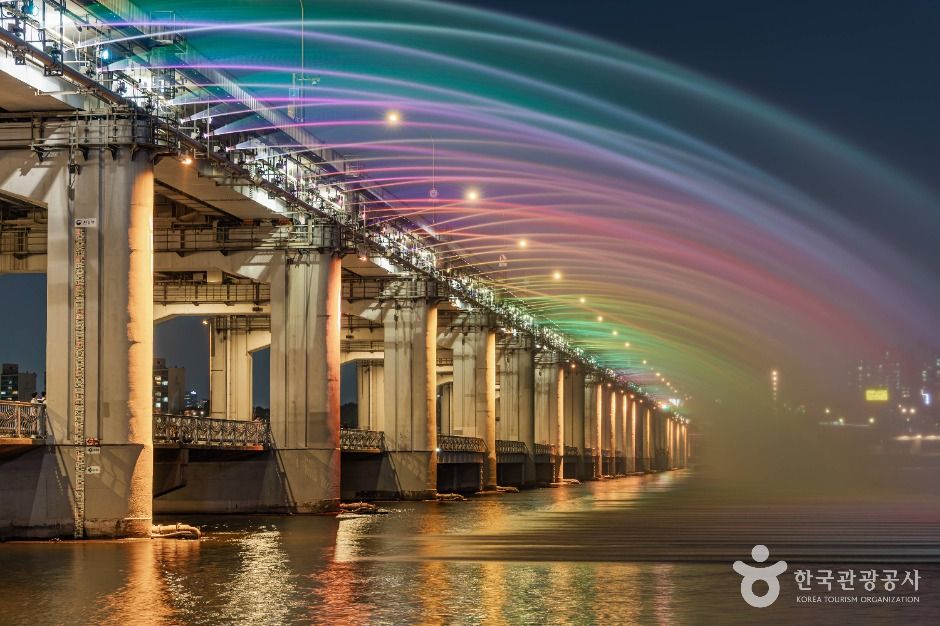
The Rainbow Fountain plunges 20 meters into the water on both side of Banpo Bridge over the Hangang River. When the sun goes down, 200 lights illuminate the fountain as it sends out dancing, rainbow-colored jets of water in the air in synchronization with music. The fountain boasts spectacular views from the hills, the Hangang River observation deck, and the moon-shaped Moonlight Square. Banpo Bridge Rainbow Fountain operates every day from April to October, four to six times a day for 20 minutes.
Banpo Hangang Park (반포한강공원)
13.4Km 2025-10-23
40 Sinbanpo-ro 11-gil, Seocho-gu, Seoul
+82-2-3780-0541
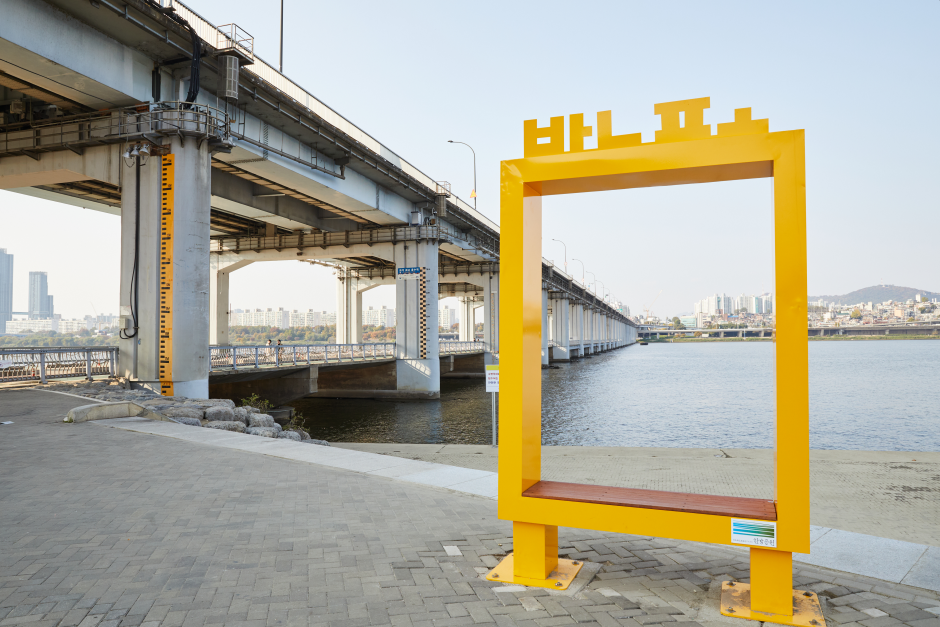
Banpo Hangang Park is located on the southern side of the river centering on Banpo Bridge (Jamsu Bridge) between Hamnam Bridge (upstream) and Dongjak Bridge (downstream). The Rainbow Fountain built on both sides of Banpo Bridge was registered in The Guinness Book of Records in 2008 as the longest bridge fountain in the world with a total length of 1,140 meters. At night, over 200 lights create a fantastic view of a beautiful rainbow.
In addition, the park is equipped with sports facilities including bubble playground, in-line skating track, soccer field, and basketball court. You may also enjoy the gorgeous view of Hangang River and skyscrapers on the riverside from Gureum and Noeul cafes, lookout places located on the southernmost part of Dongjak Bridge.
Seoraeseom Island which connects from Banpo Hangang River Park is an artificially created island to provide a leisure space for Seoul urbanites. Every spring, the place is flooded with waves of canola flowers and people to enjoy picnic and spring events like ‘Searaeseom Butterfly, Canola Flower Festival’.
Your joyful experience in the park doesn’t end here - there are more things to see and enjoy including a nature experience field, boat quay, bike lane, and picnic spots.
Blue Square (블루스퀘어)
13.4Km 2024-03-05
294, Itaewon-ro, Yongsan-gu, Seoul
+82-1544-1591
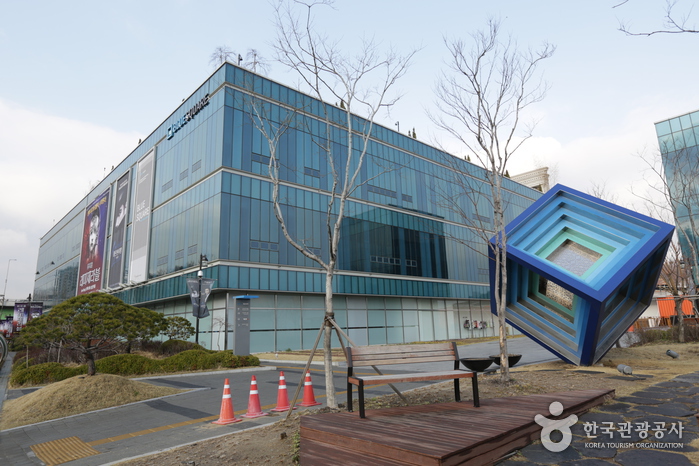
Blue Square is a multipurpose performance venue located in Hannam-dong. It includes Shinhan Card Hall, a performance hall dedicated to musicals with 1,776 seats, and Mastercard Hall, a multipurpose performance hall with 1,400 seats. Blue Square also includes the Book Park, which has a collection of nearly 75,000 books, and a café with a terrace that looks toward the Namsan Mountain. Many visitors come to the Blue Square to see its collection of popular musicals and other performances.
The Museum of Medicine (서울대학교병원의학박물관)
13.4Km 2024-03-18
101 Daehak-ro, Jongno-gu, Seoul
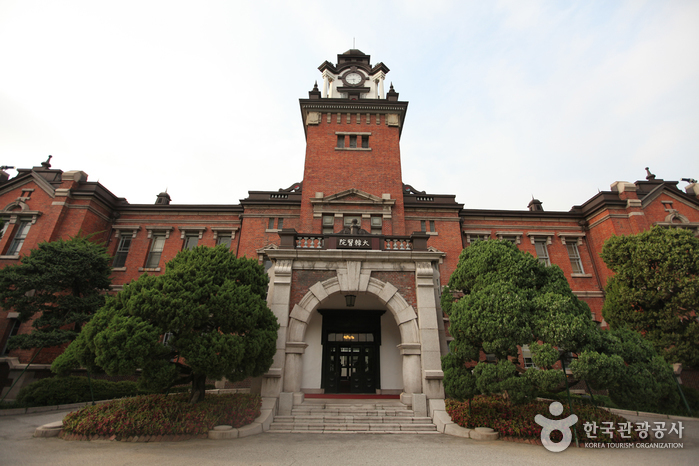
The Museum of Medicine is located in the building of the former Daehan Medical Center, the oldest modern hospital in Korea. It is a medical museum that provides a comprehensive view of the development of modern medicine in Korea, the history of medical devices, and the transformation of Seoul National University Hospital. Through permanent and special exhibitions, the museum showcases medical artifacts and documents related to the history of medicine.
Doosan Art Center (두산아트센터)
13.4Km 2021-11-01
15, Jong-ro 33-gil, Jongno-gu, Seoul
+82-2-708-5001
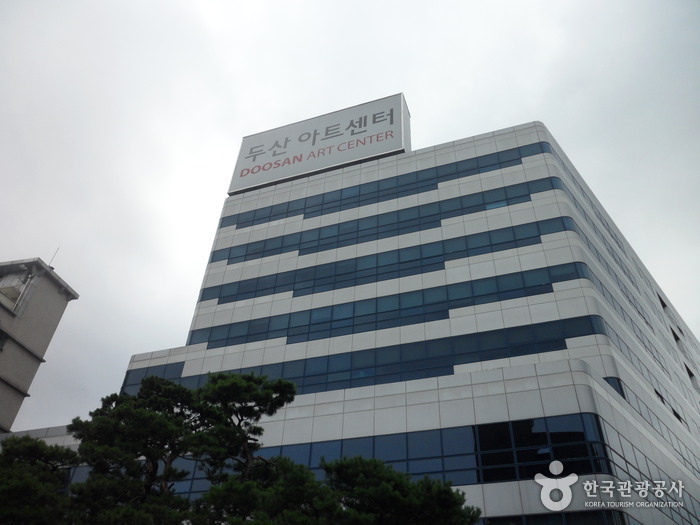
Doosan Art Center, which opened on October 1, 2007, is structured around three different spaces: The Yonkang Hall, exclusively designed for musical performances, Space 111, a “space for art incubation,” and the Doosan Gallery, built for installations.
The Yongang Hall, a theater with 620-person seating capacity, has specially designed lightings and a world-class audio-visual system to provide a second-to-none sensory experience.
Space 111 can accommodate a broad range of performing arts, from theater and dance to film and music concerts. The Doosan Gallery is open to the public, and art exhibitions and performances here can be enjoyed free of charge.
All three theaters include spacious lobbies with handicapped access, designated seating for parents with infants, and meeting areas. Rest rooms are also available nearby, in order to avoid long queues and long walks during intermission.
Seoul Daehan Hospital (서울 대한의원)
13.5Km 2021-12-23
101, Daehak-ro, Jongno-gu, Seoul
+82-2-2148-1842
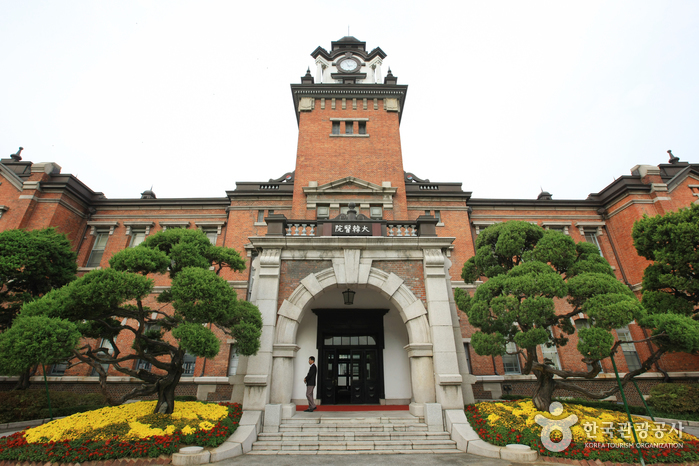
Daehanuiwon (Daehan Medical Center) is an antique two-story brick building within the grounds of Seoul National University Hospital. It was established under the direct administration of the Uijeongbu (State Council), combining the Gwangjewon (under the Home Ministry), Gyeongseong Medical School and the Korean Red Cross Hospital (under the Royal Household).
Built in the Madubong Hill area, this location where Hamchunwon, the outer garden of Changgyeonggung Palace, once stood in 1484 (15th year of King Seongjong), was also once the site of Gyeongmogung Palace, where King Jeongjo enshrined the mortuary tablet of his birth father Crown Prince Sado Seja in 1776 (the year King Jeongjo ascended to the throne).
These places that held importance for the royal family were destroyed as the Japanese built Gyeongseong Empire University in its place. In 1907, with the announcement of the plan to establish Daehan Medical Center, construction began on the main building, seven wards and affiliated buildings. Construction was completed in November 1908.
The Daehan Medical Center opened in Gwangjewon, but upon Japanese colonization in 1910, its name was changed to the Japanese Viceroyalty Hospital. In 1926, it was included as a part of Gyeongseongjeguk University to become a university hospital. Since the liberation of Korea in 1945, it has been a hospital affiliated with Seoul National University.
 English
 한국어
한국어 日本語
日本語 中文(简体)
 Deutsch
 Français
 Español
 Русский


