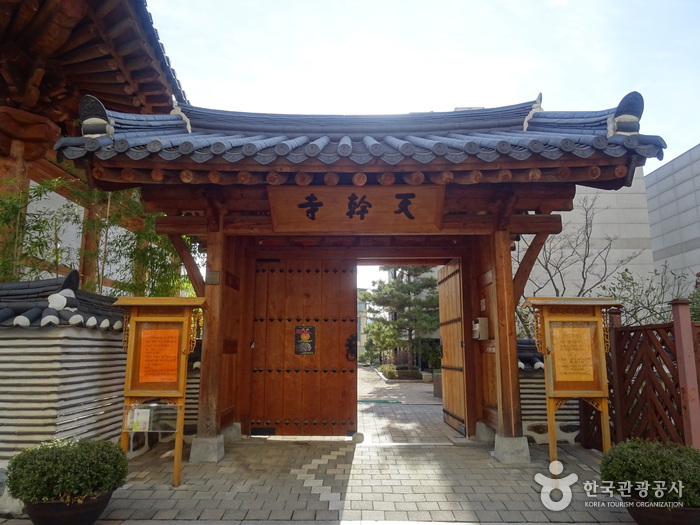
Cheongansa Temple (천간사)
10.3Km 2021-10-12
20-8, Bulgwang-ro 10-gil, Eunpyeong-gu, Seoul
+82-2-355-7430
Cheongansa Temple was first built in 1960, and was re-built in 2009. It has many pagodas and monuments: a pagoda filled with sari relics of Buddha; Budotap Pagoda, which is a shrine to the monk who found the temple and his sacred relics; and a monument honoring the late first lady Yuk yeong-su. The re-built temple was awarded the Hanok Prize in the Hanok Competition 2011. Located along the Bukhansan Mt. Dulaegil Trail, the temple provide visitors with the chance to enjoy fresh air and a rest from hiking along the trail.

Heartner (하트너)
10.4Km 2025-11-28
2nd Floor, 5-9 Ojosan-ro 21beon-gil, Gyeyang-gu, Incheon
Heartner Medical Center is an international healthcare service center specializing in organizing treatment at leading clinics in South Korea for patients from all over the world.
We provide comprehensive support at every stage of the medical journey — from selecting the appropriate clinic and coordinating treatment to offering personalized assistance and professional interpretation services.
With extensive experience in coordinating treatment across a wide range of medical fields, Heartner Medical Group ensures that every patient receives high-quality medical care tailored to their individual needs.
In addition to general and specialized medical programs, we also assist international clients seeking plastic surgery in South Korea, providing full guidance and ensuring comfort throughout the entire process.
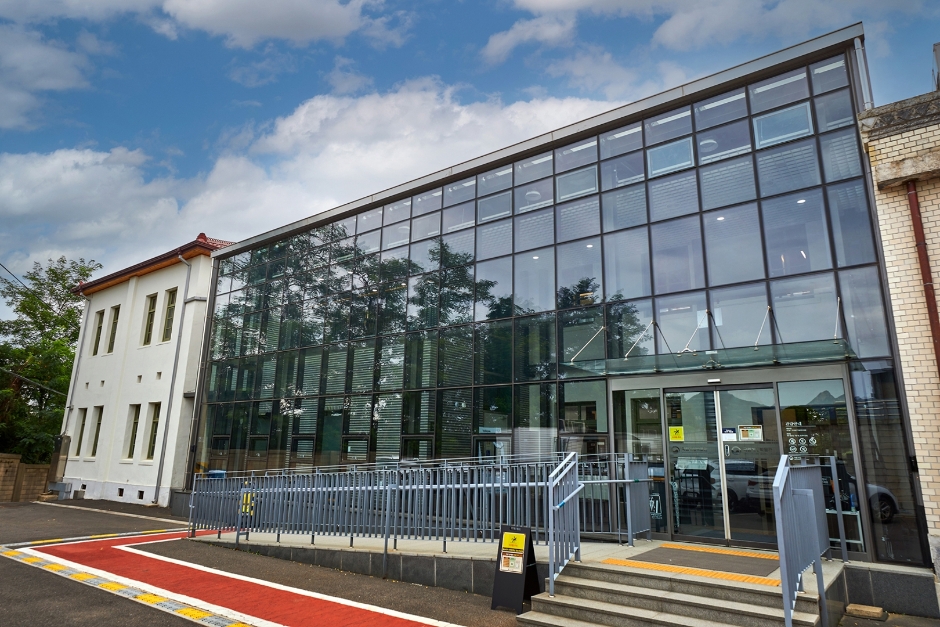
National Meteorological Museum of Korea (국립기상박물관)
10.4Km 2024-03-26
52 Songwol-gil, Jongno-gu, Seoul
A museum where one can look at Korea's meteorological observation history and technological development through exhibitions. The museum has the world's first rain gauge, invented in 1441, in the early Joseon dynasty. The museum operates approximately 350 meteorological observatories across Korea and focuses on promoting the uniqueness and excellence of Korea's meteorological science. There are permanent collections and special exhibitions. The permanent collections focus on the history of meteorological science in Korea. At the same time, the special exhibitions take a closer look at the history and information about meteorological science and natural disasters (e.g., earthquakes) that occurred in various regions of Korea. There are experience programs related to meteorological science, such as making a rain gauge or learning about rain gauges.
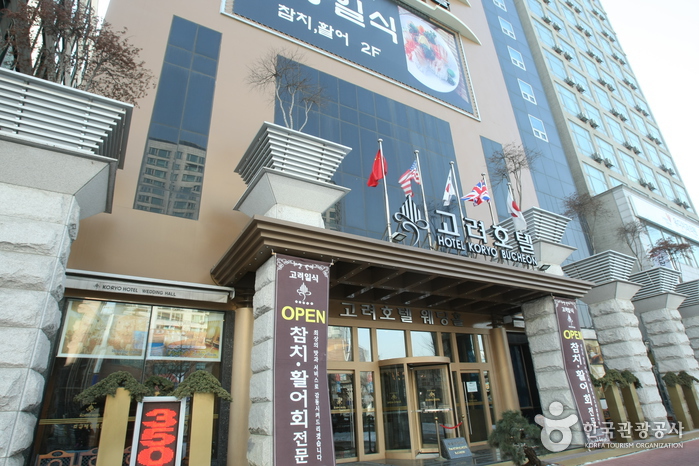
Koryo Hotel (고려호텔)
10.4Km 2025-01-07
66, Gilju-ro, Bucheon-si, Gyeonggi-do
+82-32-329-0001
Koryo Hotel is situated in Sangdong, Bucheon in close proximity to famous attractions such as Yeongsang Cultural Complex, Ice World, and Lake Park. The hotel spent 30 billion won for renovations that took over 2 years, upgrading the already luxurious hotel into an even classier getaway. The hotel has a total of 127 guestrooms, including a 150 ㎡ presidential suite and royal suites for VIP guests. Even standard rooms are equipped with the latest technologies and decorated in elegance, allowing guests to enjoy a luxurious experience regardless of their budget. The hotel staff is well-trained and ready to provide each and every guest with world-class service.
Among Koryo Hotel’s plethora of facilities is a parking facility with over 400 spaces, a 800-person grand ballroom, large, medium, and small banquet halls, a wedding hall, coffee shop, lobby lounge, and restaurants. Particularly popular is the Japanese restaurant with delectable dishes prepared by a master chef, a romantic terrace, and a variety of separate dining rooms for gatherings.
Incheon Sejong Hospital (인천세종병원)
10.4Km 2025-10-23
20 Geyangmunhwa-ro, Geyang-gu, Incheon
Incheon Sejong Hospital is the most visited hospital by foreign patients with heart disease.
Known as one of the best hospitals for heart diseases including minimally invasive heart surgery and artificial heart surgery, about 6,000 foreigners come to us for treatment each year.
Currently, patients are from various countries, such as Russia, Kazakhstan, other CIS countries, Mongolia, the United States, Guam, and China.
About 2,000 employees are working together to become one of the world's top 100 hospitals by 2030.
Sejong Hospital in the world, a hospital trusted and satisfied by global customers.
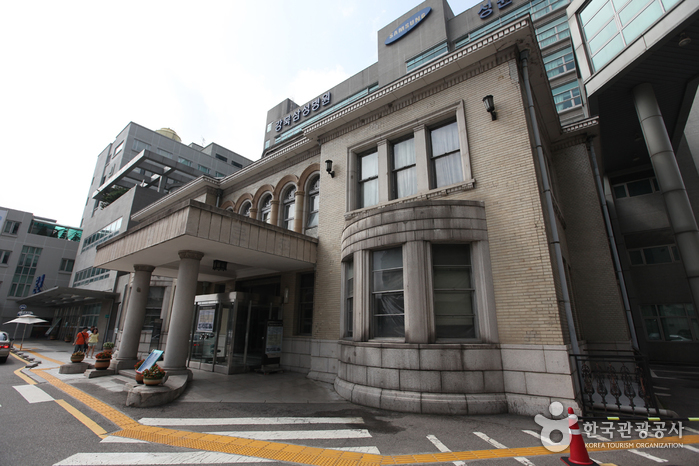
Seoul Gyeonggyojang House (서울 경교장)
10.5Km 2021-09-15
29, Saemunan-ro, Jongno-gu, Seoul
+82-2-735-2038
Gyeonggyojang House, a designated Historic Site, was the location of the provisional government and the place where Baekbeom Kim Koo passed away. Seoul reproduced the historical site, Gyeonggyojang House, to use the area as an educational site. Also, the house exhibits the history of the provisional government in order to see the history more clearly.
Restoration work included the demolition of the interior that was changed when the building was turned into a hospital facility and embassy after Kim Koo passed away in 1949. During the work, the remaining parts were maintained with the utmost care. Reconstructed parts were based on the building's floor plan written in Chosun and Architecture (8th edition in 1938). Visitors can see various contents related to the Korean Provisional Government history through relics, video, and information searching corners.
Suseongdonggyegok Valley (수성동계곡)
10.5Km 2023-08-17
185-3, Ogin-dong, Jongno-gu, Seoul 서울특별시 종로구 옥인동
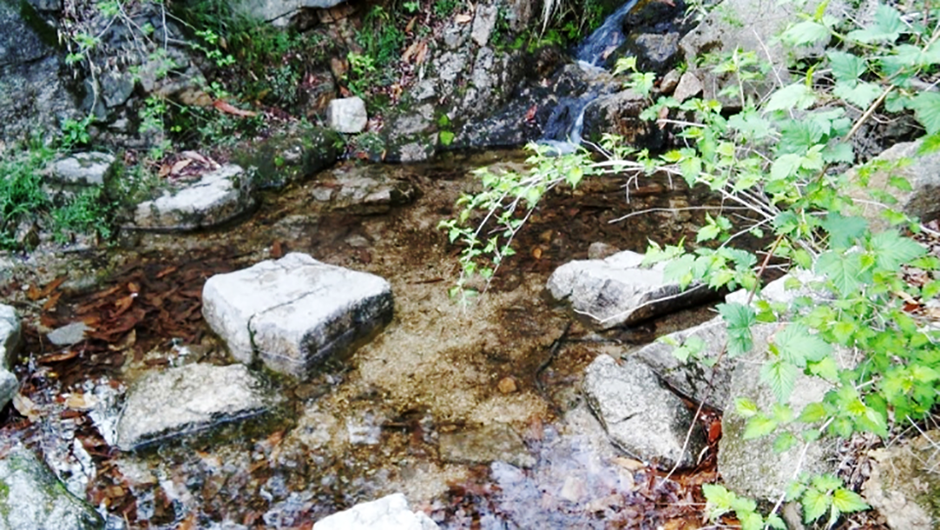
Suseong-dong Valley's stream runs down from Inwangsan Mountain and joins Cheonggyecheon Stream, and it is said that the name of the village was called Suseong-dong during the Joseon dynasty due to the loud and clear sound of the flowing water. It appears in the painting "Jangdong Palgyeongcheop," which is Jangdong Eight Scenic Views, that depicts the eight scenic views of Bugaksan Mountain and Inwangsan Mountain as well as in other historical books of the Joseon dynasty as a place of scenic beauty. The valley was so famous for its beauty, that Prince Anpyeong of the Joseon dynasty built his house "Bihaedang" to fully enjoy the view, and the valley and its stone bridge were designated as a cultural property of Seoul in 2010.
Seosomun Historical Park (서소문역사공원)
10.5Km 2023-08-11
5, Chilpae-ro, Jung-gu, Seoul
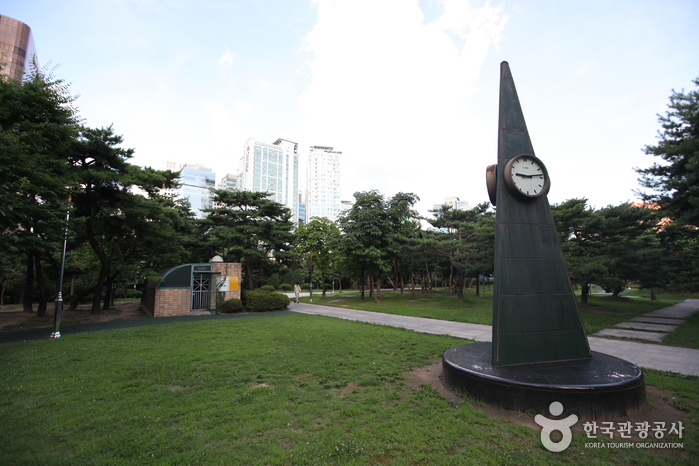
The Seosomun Gate area, which is located outside Seosomun Gate, was used as a persecution site in the 19th century before it turned into the local park of today. Many Catholics were suppressed and martyred here, making the area a holy site for Korean Catholics. Seosomun Gate was a gateway to Chilpae Market located near Namdaemun Gate. It was always busy with passerbys and the persecution site was established outside the gate to set an example of crime punishment to all the witnesses.
On May 15, 1999, a memorial tower was raised at the center of the park in honor of the martyrs. In 2013, Seoul's Jung-gu district also founded Seosumun Holy Shrine History Museum with a memorial exhibition hall in their honor.
Kangbuk Samsung Hospital (강북삼성병원)
10.5Km 2025-10-23
29 Saemunan-ro, Jongno-gu, Seoul
Established in 1968, Kangbuk Samsung Hospital has over 50 years of history and is taking a new leap forward with a vision for its centennial year.
Through partnerships with renowned institutions, such as Johns Hopkins Hospital in the United States and the BBDC in Canada, the hospital delivers advanced medical services while leading the public health arena. It is also committed to systematic research and the development of ICT-integrated digital healthcare, which will be the foundation for future medicine. With an excellent infrastructure that includes clinics and specialized centers (e.g., the Diabetes Center, Breast and Thyroid Cancer Center, Digestive Cancer Center, Musculoskeletal Disease Center, and Prostate Center), Kangbuk Samsung Hospital provides top-quality medical services focused on providing patients with satisfactory treatments.
Seoullo 7017 (서울로 7017)
10.6Km 2025-10-24
405, Hangang-daero, Jung-gu, Seoul
+82-2-120
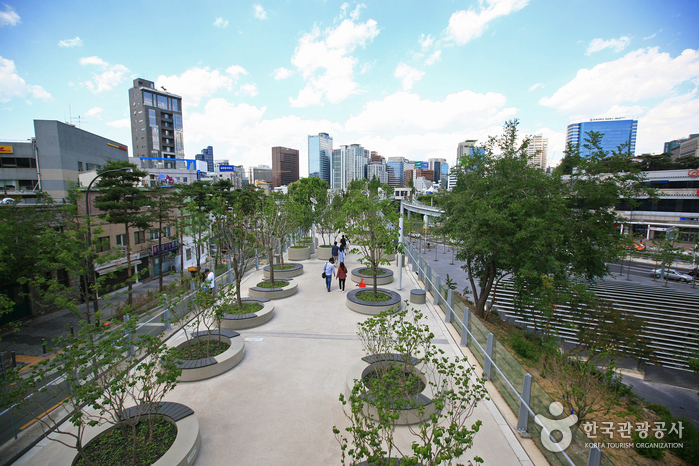
Originally opened in 1970, Seoullo 7017 was an elevated road that crossed over the Seoul Station railway, but when it became dilapidated and unusable for traffic, it was converted into a park in 2017. It is about 17 metres above the ground and offers a panoramic view of the Seoul Station Railway and the city of Seoul. It is directly connected to Seoul Station.
 English
 한국어
한국어 日本語
日本語 中文(简体)
 Deutsch
 Français
 Español
 Русский


