
The Children’s Museum of the National Folk Museum of Korea (국립민속박물관&국립민속박물관 어린이박물관)
11.5Km 2025-06-19
37 Samcheong-ro, Jongno-gu, Seoul
The Children’s Museum of the National Folk Museum of Korea, located within Gyeongbokgung Palace, showcases artifacts related to Korean traditional culture. This interactive museum allows children to experience and learn about various aspects of Korean traditional clothing, food, society, culture, and games firsthand. Especially catering to children from Asian countries, there is a service for renting items, and reservations are required for admission.
![Himart - Bucheon Branch [Tax Refund Shop] (하이마트 부천점)](http://tong.visitkorea.or.kr/cms/resource/83/2889983_image2_1.jpg)
Himart - Bucheon Branch [Tax Refund Shop] (하이마트 부천점)
11.5Km 2024-04-18
3F, 175, Gyeongin-ro, Bucheon-si, Gyeonggi-do
-
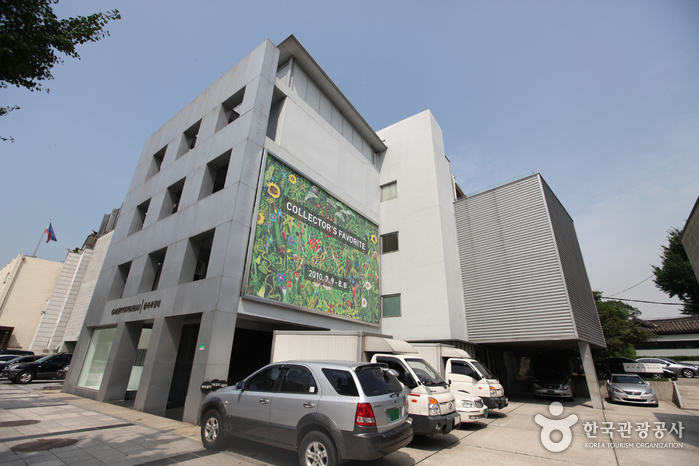
Gallery Hyundai (갤러리 현대)
11.5Km 2021-03-18
14, Samcheong-ro, Jongno-gu, Seoul
+82-2-2287-3500
Gallery Hyundai has been improving daily for over 40 years since April 1970, working closely with various Korean artists in modern art. Gallery Hyundai introduces varied artists including prominent artists, as well as up-and-coming artists, regardless of genre through sophisticated exhibitions, showing domestic and overseas art all in one place.
Dugahun (두가헌)
11.5Km 2024-03-20
23 Yulgok-ro 1-gil, Jongno-gu, Seoul
+82-2-3210-2100
Dugahun is a wine restaurant near Gyeongbokgung Palace, meaning "a very beautiful house." Located in a traditional hanok from the 1910s, it offers a taste of Western culture with wine. Only lunch and dinner courses are available, and customers can select wines from the underground wine cellar or bring their own. Across the street, Gallery Dugahun, housed in a historic Russian-style brick building built in the late period of Joseon, showcases high-quality art pieces.
Lee Ri-Ja Hanbok Museum (이리자 한복전시관)
11.5Km 2022-08-08
20, Samcheong-ro, Jongno-gu, Seoul
+82-2-734-9477
The Lee Ri-Ja Hanbok Museum displays the traditional clothing worn in Korea from birth to death. All hanbok displayed at the museum are created by the hanbok designer Lee Ri-Ja herself, who has over 40 years of experience.
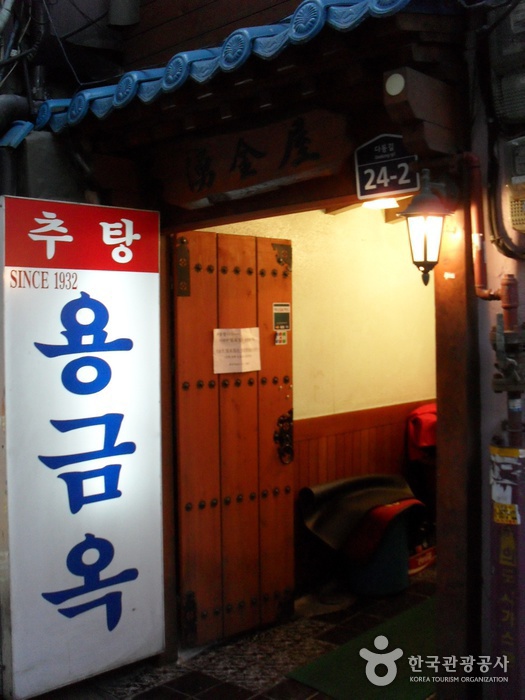
Yonggeumok (용금옥)
11.5Km 2024-03-13
24-2, Dadong-gil, Jung-gu, Seoul
+82-2-777-1689
Established in 1932, Yonggeumok specializes in Seoul-style chutang (loach soup), renowned for using whole loach in its preparation. This method distinguishes it from the more commonly known Namwon-style chutang, which involves grinding the loach. At Yonggeumok, guests can savor the tender and savory texture of the loach flesh in their chutang, offering a unique and authentic dining experience.
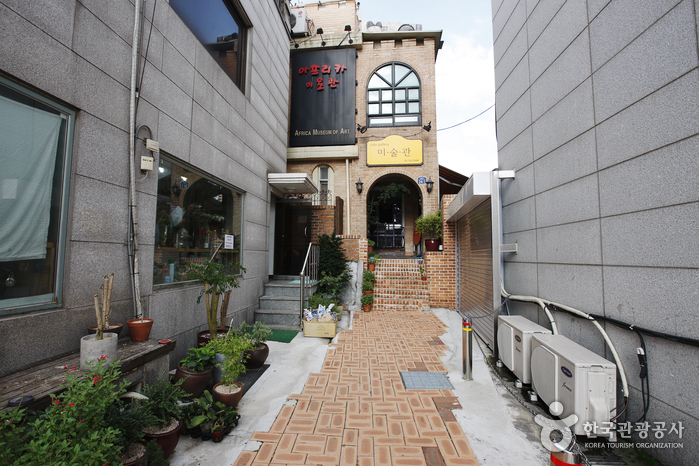
Africa Museum of Art (아프리카미술관)
11.5Km 2022-10-26
24-1, Samcheong-ro, Jongno-gu, Seoul
+82-2-730-2430
The Africa Museum of Art was established with the purpose of hosting various art festivals and providing the grounds for researching various art themes. A major principle of the gallery is to promote works of art that actively attempt to explore the human mind.
Jingwansaggyegok Valley (진관사 계곡)
11.5Km 2024-02-20
73 Jingwan-gil, Eunpyeong-gu, Seoul
Jingwansaggyegok Valley is a 1km-long stream located within the Bukhansan National Park, with clear water always flowing. Surrounded by deep forests, it offers refreshing shade and clean air. The valley features various shaped rocks and waterfalls, creating a beautiful scenery. In particular, it's a great spot for water activities with the cool shade and refreshing stream during the summer, and the autumn leaves make it stunning in the fall. Its accessibility from downtown Seoul adds to its appeal.
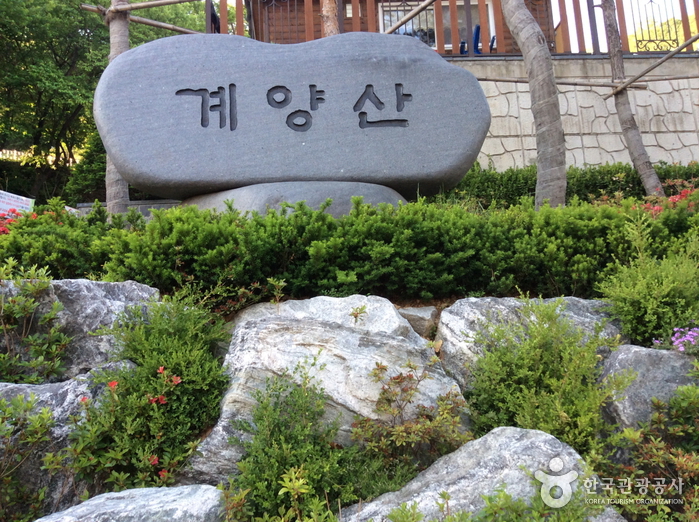
Gyeyangsan Mountain (계양산)
11.5Km 2021-05-24
26, Gyeyangsan-ro 75beon-gil, Gyeyang-gu, Incheon
+82-32-450-5654
Gyeyangsan Mountain, which reaches an altitude of 395 meters, is considered a guardian and holy mountain that is representative of Incheon. The mountain’s name changed several times, according to the name changes of the region. It was previously called "Sujuak" as part of the Suju administration of the Goryeo dynasty, "Annamsan Mountain" during Annam administration, and finally was renamed "Gyeyangsan Mountain" during Gyeyang administration.
Gyeyangsan’s name originates from the area that is home to the Korean box tree, which produces cassia bark used to make cinnamon. Gyeyang Park was designated as Incheon’s first urban natural park on January 8, 1944, and since then, the mountain has gone on to become the city’s top municipal park.
 English
 한국어
한국어 日本語
日本語 中文(简体)
 Deutsch
 Français
 Español
 Русский


