
Dodeoksan Suspension Bridge (도덕산 출렁다리)
11.2Km 2025-11-06
317-80 Gwangmyeong-dong, Gwangmyeong-si, Gyeonggi-do
Dodeoksan Suspension Bridge is located in Dodeoksan Park, which serves as a resting place and a light hiking course for citizens of Gwangmyeong. Dodeoksan Park has a well-maintained wooden walkway, and the slope is not too steep, so anyone can walk safely there. It is about 400 meters from Dodeoksan Park parking lot to Dodeoksan Suspension Bridge, allowing one to reach the bridge at a leisurely pace on foot. The bridge is in a Y-shape and 82 meters long in total and has an artificial waterfall under the midpoint of the bridge, giving a thrilling yet refreshing experience.
CU - Koreana Hotel Branch [Tax Refund Shop] (cu코리아나호텔점)
11.2Km 2024-06-26
135, Sejong-daero, Jung-gu, Seoul
-
![Olive Young - Sinyongsan Station Branch [Tax Refund Shop] (올리브영 신용산역)](http://tong.visitkorea.or.kr/cms/resource/95/2888195_image2_1.jpg)
Olive Young - Sinyongsan Station Branch [Tax Refund Shop] (올리브영 신용산역)
11.2Km 2024-04-17
#101, and #102, 95, Hangang-daero, Yongsan-gu, Seoul
-
Alpha Stationery - Namdaemun Main Branch [Tax Refund Shop] (알파문구 남대문본점)
11.2Km 2024-04-23
6-2, Namdaemun-ro, Jung-gu, Seoul
-
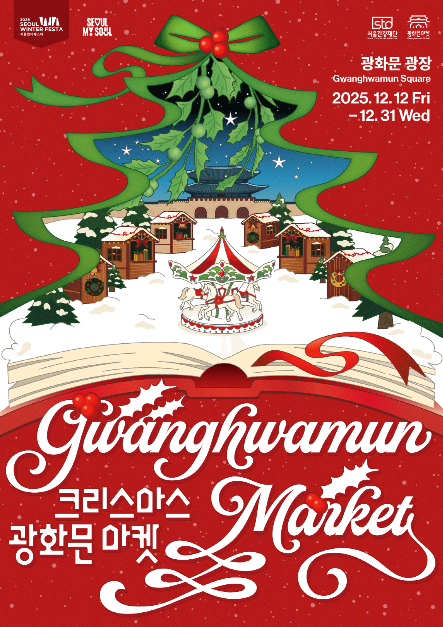
Gwanghwamun Market (광화문 마켓)
11.2Km 2025-12-05
B172 Sejong-daero, Jongno-gu, Seoul
+82-2-337-3692
Gwanghwamun Market takes place along with the Seoul Lantern Festival to support local small businesses and promote Seoul night tourism. The market features local store owners and businesses that exhibit and sell seasonal decor, handcrafted items, and winter snacks.
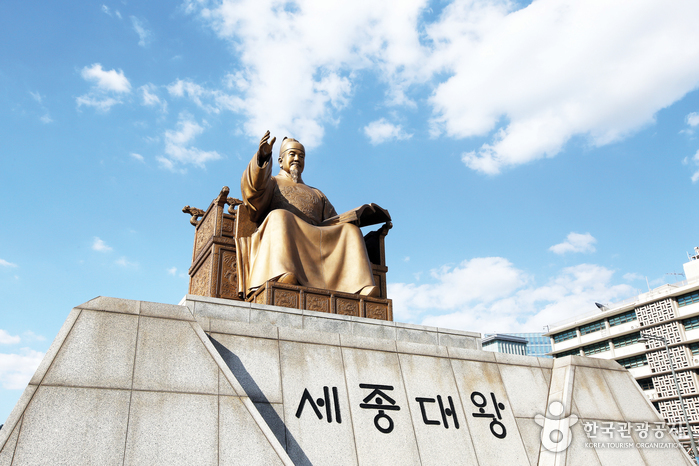
King Sejong Statue (세종대왕 동상)
11.2Km 2024-03-04
175, Sejong-daero, Jongno-gu, Seoul
+82-2-2133-7713
King Sejong Statue can be found at Seoul’s Gwanghawmun Square. The statue commemorates King Sejong the Great (1397-1450, reign 1418-1450), the fourth king of Joseon (1392-1897). He is thought to be the greatest king in Korean history, for he is credited with great developments in science and technology, expansion of Joseon’s territory, and the creation of the Korean script, [Hangeul]. King Sejong’s likeness can be found on the 10,000 won bill as well.
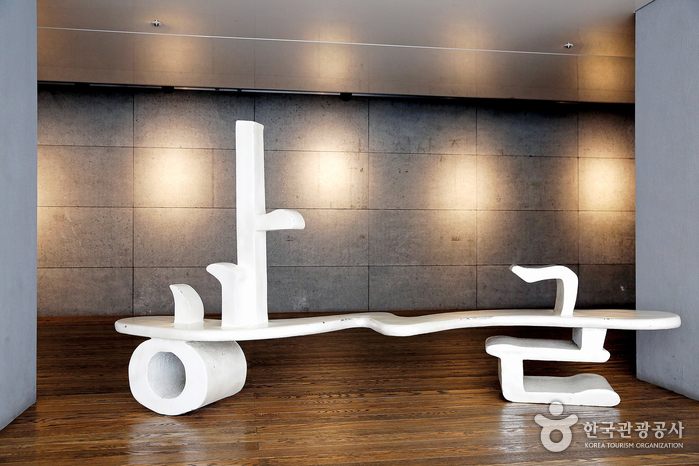
The Story of King Sejong (세종이야기)
11.2Km 2022-09-13
jiha 175, Sejong-daero, Jongno-gu, Seoul
+82-2-399-1000
The Story of King Sejong comprises six different sections with a total area of 3,200 square meters. The museum consists of exhibition zones, an event space, video room, shop and more to display King Sejong’s scientific, artistic, military, and political contributions, including the theory of Minbon, which recognized the people as the base of politics. King Sejong, the 4th king of the Joseon dynasty (1397-1450, reigning from 1418-1450) was responsible for some of the most brilliant achievements in the history of Korea, including the creation of Hangeul (Korean alphabet) and great advancements in the areas of science, culture, art and politics.
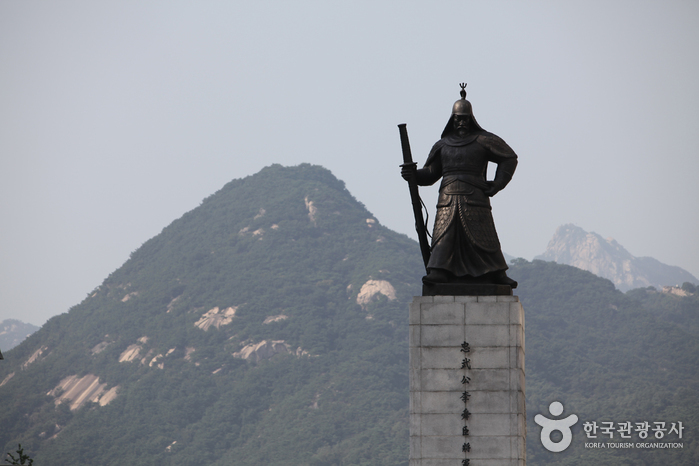
Statue of Admiral Yi Sun-Shin (충무공 이순신 동상)
11.2Km 2024-03-04
175, Sejong-daero, Jongno-gu, Seoul
The Statue of Admiral Yi Sun-Shin can be found at Gwanghwamun Square in Seoul. Admiral Yi Sun-shin (1545-1598) was a naval commander who served during the Japanese invasion of Korea (also known as Imjin War: 1592-1598). The undefeated admiral achieved 23 victories against the Japanese navy using innovative tactics, and he is thus considered as one of the greatest generals in the history of Korea. Admiral Yi’s likeness can be found on the 100 won coin.
Tonymoly - Namdaemun Branch [Tax Refund Shop] (토니모리 남대문점)
11.2Km 2024-04-22
12, Namdaemunsijang-gil, Jung-gu, Seoul
-
 English
 한국어
한국어 日本語
日本語 中文(简体)
 Deutsch
 Français
 Español
 Русский


