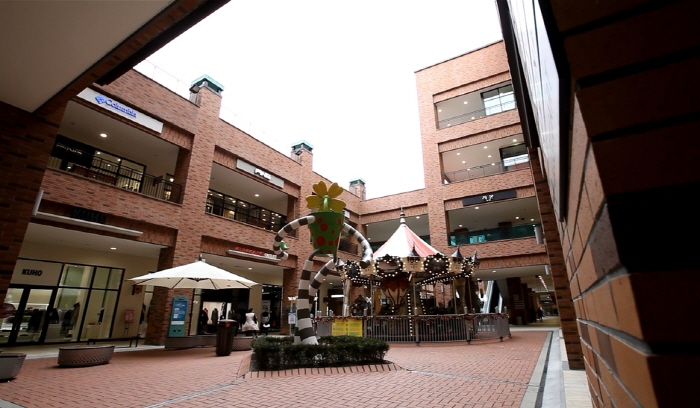
Lotte Paju Premium Outlet (롯데 파주 프리미엄아울렛)
16.3Km 2025-01-06
390, Hoedong-gil, Paju-si, Gyeonggi-do
Lotte Paju Premium Outlet is Korea’s largest premium outlet, offering more than 250 international and Korean luxury brands at affordable prices. The outlet aims to be a family-friendly location, with amenities including Lotte Cinema, a merry-go-round, an electric train, premium train, and many kids' facilities. The neighboring Simhaksan Mountain creates a natural environment for a relaxing time. The outlet is also conveniently located in the vicinity of Paju Book City.
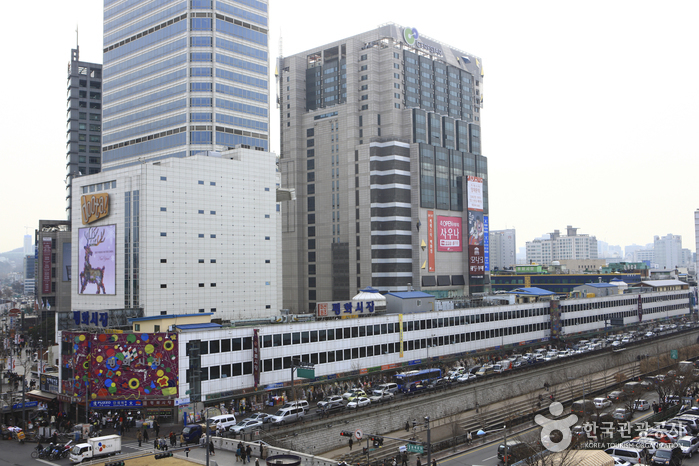
Dongdaemun Shopping Complex·Dongdaemun Shopping Town (동대문 종합시장·동대문 쇼핑타운)
16.4Km 2025-06-30
266 Jong-ro, Jongno-gu, Seoul
Dongdaemun Shopping Complex is one of Korea’s most well-known markets. It was founded in December 1970 as the largest of its kind in Asia and has maintained that status for the last 40 years. Browsing the plethora of shops, you can find fabric and clothing following all the latest global fashion trends. Dongdaemun Shopping Complex continues to build up its reputation as a hub of international design.
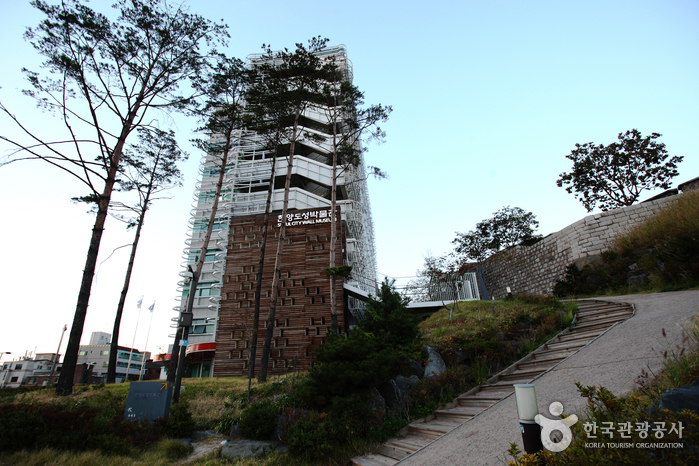
Seoul City Wall Museum (한양도성박물관)
16.4Km 2023-12-22
283, Yulgok-ro, Jongno-gu, Seoul
Hanyangdoseong, the Seoul City Wall, built in 1396, was the city fortress wall that protected the capital city Seoul for over 600 years. The fortress wall was built along the terrains and although it became partially damaged during the modernization process, its original form remains well to this day, making it a cultural heritage that coexists with the modern city. The Seoul City Wall Museum, located in Heungjinjimun Park, is a museum containing the history and culture of city wall from the Joseon dynasty to the present. It is a cultural space with a permanent exhibition hall, special exhibition hall, city wall information center, and study room.

Style82 Co., Ltd. (㈜스타일82)
16.4Km 2025-10-23
#303, Gasan Urban Work I, 135 Gasan digital 2-ro, Geumcheon-gu, Seoul
Style82, Inc., is a healthcare platform operated by "experts" with over 20 years of experience. They market Korean Wave content and domestic products, including medical tourism, commerce, and distribution, through their international network, and expand their specialized medical services into the global market.
In particular, the medical platform "Medi82", which started in the first half of 2025, provides VIP customer service so that overseas customers can receive the best medical services in Korea through partnerships with over 130 hospitals in Korea. Experienced staff members who can interpret foreign languages communicate directly with customers, minimizing medical accidents or inconveniences that may occur during hospital treatment. Additionally, we have branches in Japan and Vietnam, and partners in the United States, Singapore, Indonesia, and Thailand.
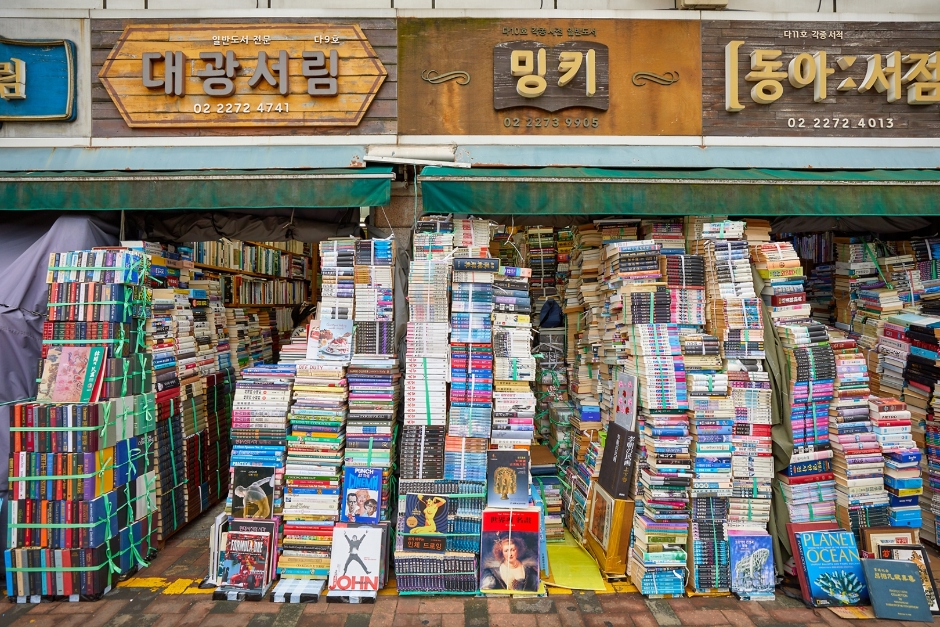
Cheonggyecheon Old Books Street (청계천헌책방거리)
16.5Km 2023-12-22
20 Jangchungdan-ro 13-gil, Jung-gu, Seoul
Walking east along Cheonggyecheon Stream, which flows near Sewoon Plaza, you will see a cluster of small bookstores. Books published 30 to 50 years ago, and various out-of-date magazines are piled up in about ten bookstores. You can indirectly experience the old culture and history that formed the basis of K-content, and sometimes you can also find foreign books. Nearby is Dongdaemun Market, a wholesale market selling various subsidiary materials, and Pyounghwa Market (open from night to early morning), where you can browse clothing fabrics, which are excellent places to visit together.
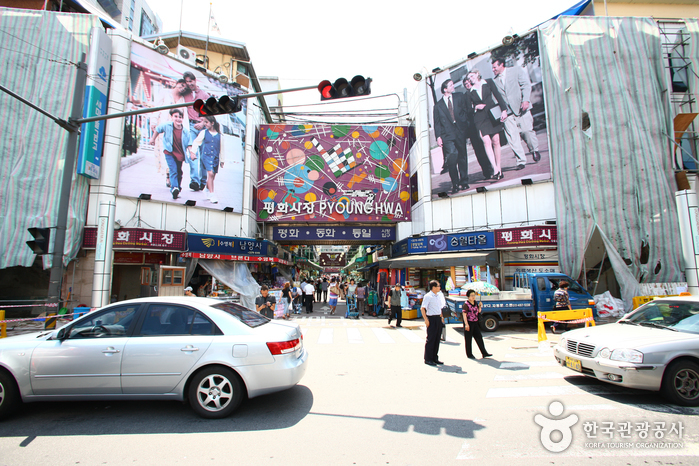
Pyounghwa (Pyeonghwa) Fashion Town (서울 평화시장)
16.5Km 2025-01-06
274, Cheonggyecheon-ro, Jung-gu, Seoul
The Pyounghwa Fashion Town market in Dongdaemun has been selling fashion clothing and accessories for over 50 years ever since the end of the Korean War. It was here that in 1953 North Korean refugees started selling clothes made from US army uniforms. Their market was then named Pyounghwa, which means peace, in the hope that no other wars would be fought on Korean soil. The Pyounghwa Fashion Town was therefore the beginning of the 30,000 stores that now make up Dongdaemun Fashion Town, which is seen as one of the global centers of the fashion industry.
Spread over a large area, this historical fashion market is divided into several districts, the ‘Gu Pyounghwa Fashion Town’ is the oldest, and there is also the ‘Shin Pyounghwa Fashion Town’, ‘Dong Pyounghwa Fashion Town’, and ‘Cheong Pyounghwa Fashion Town’.
Live Again (리브어게인)
16.5Km 2025-10-23
(B201-161-6, Kolon Science Valley 2) 55 Digital-ro 34-gil, Guro-gu, Seoul
Live Again is Korea's leading international patient recruitment attraction company with offices in Mongolia (Ulaanbaatar) and Vietnam, in addition to the headquarters in Korea. Based on partnerships with top medical centers in Korea, such as Asan Medical Center and Samsung Medical Center, we provide attraction and concierge services for international severe/plastic surgery patients.
We provide premium 1:1 overseas patient brokerage services that lead the K-Medi brand, with easy, fast, and reliable total care for patients from pre-consultation to aftercare.
We started welcoming foreign patients in 2013, and have supported a total of 10,000 foreign patients to date. We have been recognized for our professionalism and excellence, winning an excellent medical tourism designation by the Korean Ministry of Justice for ten consecutive years (2014-2023).
We will help more people around the world regain a healthy life by building bridges between Korea's excellent healthcare services and patients with severe/critical conditions abroad.
Gyeongnidan Street (경리단길)
16.5Km 2023-01-18
Itaewon-dong, Yongsan-gu, Seoul
Gyeongnidan Street refers to the 937-meter-long road from the main gate of MND Financial Management Corps to Grand Hyatt Seoul as well as all of the nearby streets and alleys. It is called Gyeongnidan Street because the Korean army's central finance corps, or Gyeongnidan in Korean, used to be located here, and has gained fame for presenting a different vibe than that of Itaewon despite being part of Itaewon-dong. Gyeongnidan Street is an area of culture and youth where people are able to enjoy diverse and special cuisine and dishes at unique restaurants and cafes. Although it resembles a typical neighborhood of Seoul, it features foreigners who have come from many different places around the globe living in natural harmony with Korean locals, which exudes a unique, exotic atmosphere. It is fun to walk along the various streets and alleys to discover novel and sophisticated shops.
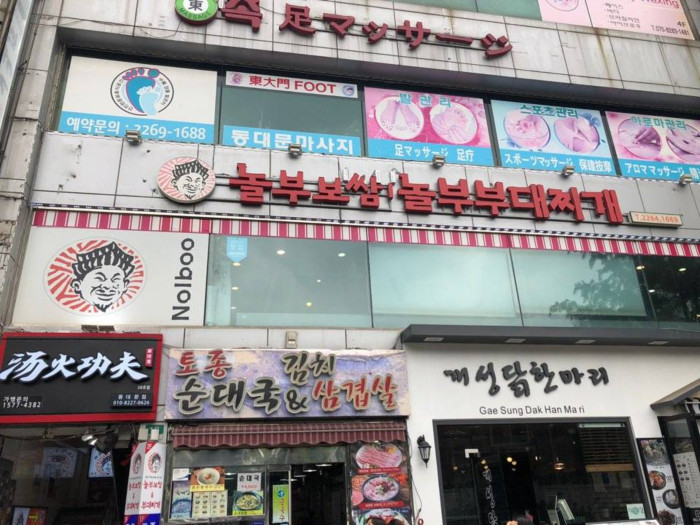
Nolboo Bossam & Budaejjigae Euljiro6ga(놀부보쌈&부대찌개 을지로6가)
16.5Km 2024-10-15
2F, 34, Euljiro43-gil, Jung-gu, Seoul
This is a Korean cuisine located in Dongdaemun Gate, Seoul. One of Korea’s representative restaurant franchises. The best menu at this restaurant is napa wraps with pork.
Heunginjimun Gate - Dongdaemun Gate (흥인지문)
16.6Km 2025-10-23
288, Jong-ro, Jongno-gu, Seoul
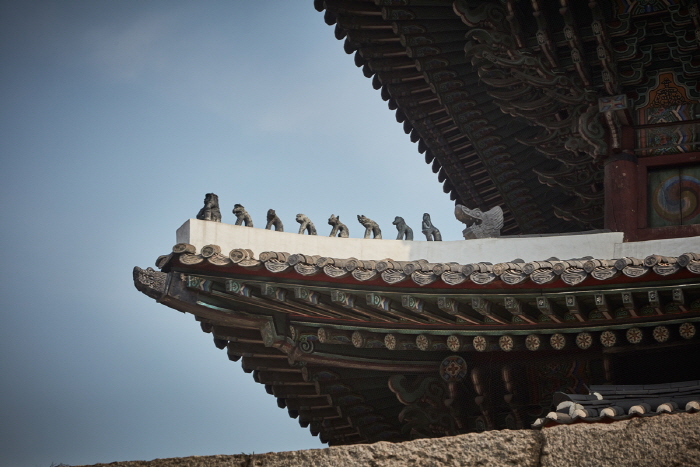
Heunginjimun Gate was built to protect Hanseongbu, which historically housed essential government facilities. Heunginjimun Gate was the gate on the east side of the outer wall of Seoul Fortress among eight gates. It is referred to as Dongdaemun Gate as well. The gate was constructed during King Taejo’s 5th year in 1396, remodeled during the reign of King Danjong in 1453, and was newly built in 1869 during the sixth year of King Gojong’s reign in 1869.
The gate features a hipped roof with five front and two side compartments on a two-storied building. The thin and weak bracket system supports the eaves and is excessively decorated, reflecting the construction features of the late Joseon period. Also, outside of the fortress is the half-circle-shaped Ongseong, a small wall, to protect the gate.
One of the unique factors of Heunginjimun Gate is that it is the only gate among Seoul’s eight to have Ongseong, further exhibiting the style of construction used during the late Joseon period.
 English
 한국어
한국어 日本語
日本語 中文(简体)
 Deutsch
 Français
 Español
 Русский


