
The Hyundai Seoul (더현대 서울)
13.7Km 2024-07-22
108 Yeoui-daero, Yeongdeungpo-gu, Seoul
The Hyundai Seoul, an ultra-modern flagship store, is located in the heart of Seoul, the center of globally trending K-content. Under the slogan of "Echoes for the Future," The Hyundai Seoul presents the vision for a happier tomorrow and standards for new life. Featuring an innovative design of spaces, global content curation, and, even, futuristic technologies, The Hyundai Seoul is the most prominent new global landmark in Seoul. At The Hyundai Seoul, the latest global trends in interior and architectural design can be witnessed from encounters with novel materials, the balance between planes and lines, and creative interior design filled with light. As soon as one steps into The Hyundai Seoul, the Sounds Forest and Waterfall Garden welcome them with open arms. This incredible piece of nature encountered in such a high-tech structure designed for the future is amazingly beautiful. A vast 3,306-square-meter indoor garden with natural grass and sunlight falling through the glass ceiling located some 20 meters high delivers echoes of a forest to all visitors. Art is a language in the broadest category that can be felt and empathized with without speaking. A large 595-square-meter three-dimensional exhibit instantaneously and overwhelmingly stimulates inspiration as soon as one enters. Inspiration for better lives and communication for culture start here. An artwork by Studio Swine designed with a message from nature - Unite & Shine, STUDIO SWINE - and appreciated by the audience that feels and enjoys it meets with high-end brands on the Exclusive Label (1F) floor.
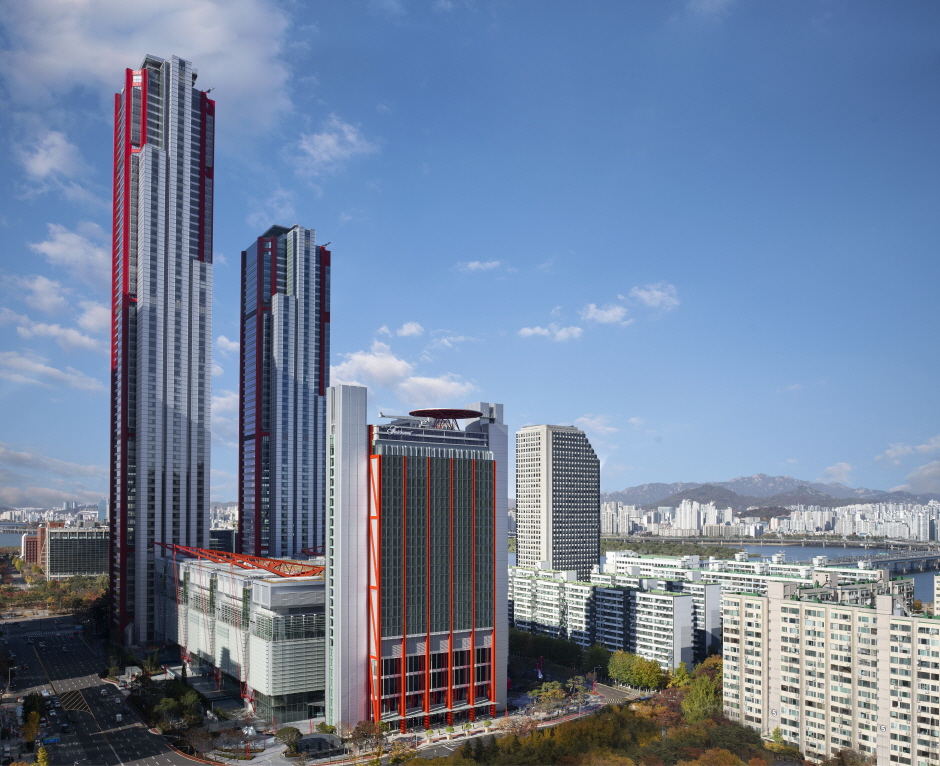
Fairmont Ambassador Seoul (페어몬트 앰배서더 서울 (Fairmont Ambassador Seoul))
13.7Km 2025-10-27
108 Yeoui-daero, Yeongdeungpo-gu, Seoul
◎ Travel information to meet Hallyu’s charm - "Strange Lawyer Woo Young-woo"
In the drama, an incident occurred during a wedding ceremony held at this hotel, and it is the place where Youngwoo visited to investigate. It is a 5-star luxury hotel with 308 rooms, and it is very impressive to see the skyline and view of Seoul. As it is close to Hangang Park as well as Hyundai Department Store and IFC Mall, it is the perfect place to stay, relax and enjoy shopping at the same time.
Danha(단하)
13.7Km 2025-11-05
39-7 Palpan-gil, Jongno-gu, Seoul
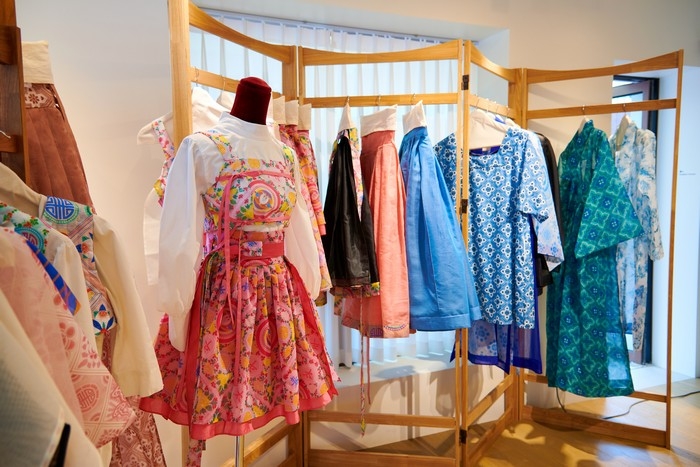
BLACKPINK's “HOW YOU LIKE THAT” music video created a sensation, reaching 100 million views within 32 hours of its release. The most noteworthy part of the music video was the hanbok they wore. Danha, which was in charge of making the costumes, improved the traditional hanbok and completely recreated it as a stage costume, garnering attention from all over the world. Danha is famous for designing hanboks using traditional patterns. The patterns engraved on the clothes in the BLACKPINK music video used the phoenix design pattern of the royal cloth. Danha's hanbok can be purchased through the online shop, and if you want to have it custom-made, you can visit Danha Maison after making a reservation.
Ewha Centennial Hall (이화여고100주년기념관)
13.7Km 2024-02-20
26 Jeongdong-gil, Jung-gu, Seoul
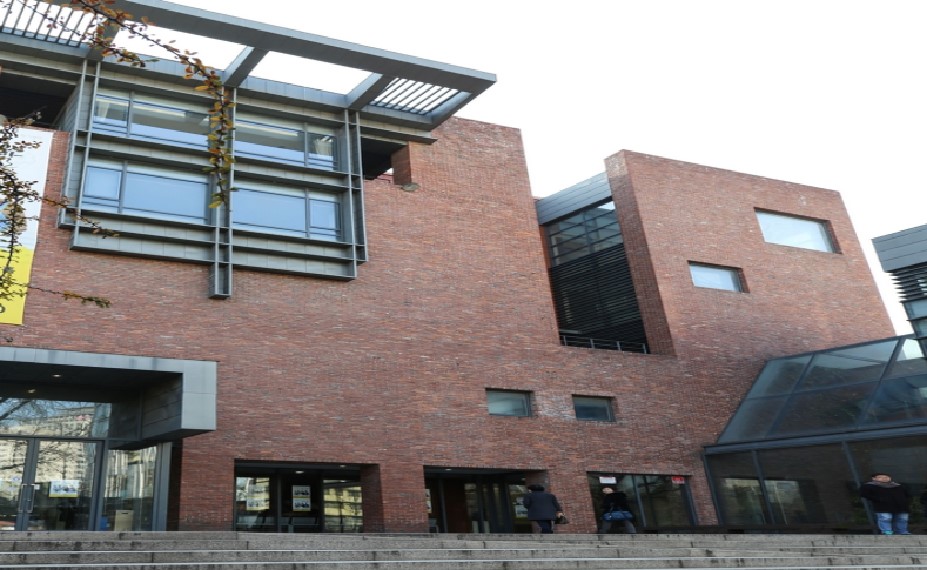
Ewha Centennial Hall is a multimedia education center located next to Ewha Girls' High School. Spanning underground and five above-ground floors, it features a gallery, a cafe, music rooms, individual practice rooms, and audio-visual rooms. The Hwaham Hall on the first and second floors is utilized for performances such as musicals and concerts, as well as educational events.
Sejong-ro Park (세종로공원)
13.7Km 2022-08-31
jiha 189, Sejong-daero, Jongno-gu, Seoul
+82-2-722-9598
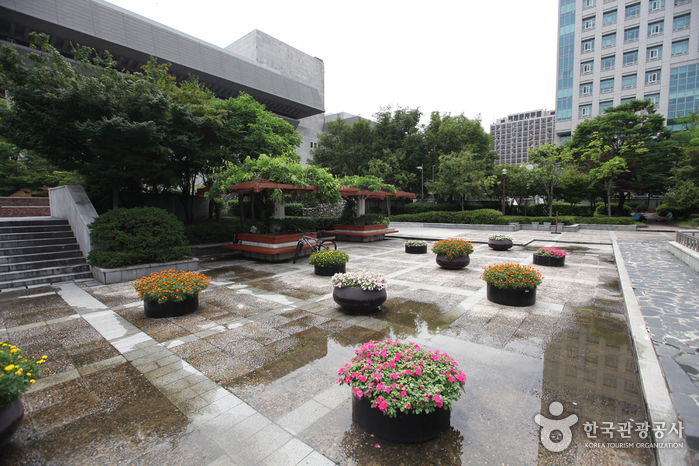
Sejong-ro Park is located next to Sejong Center for the Performing Arts in central Seoul. Inside the park, there are wooden benches and shaded areas where people can sit and relax. Also available are water fountains, a round outdoor stage, and various sculptures. The lunch crowd from the nearby office buildings often come to the park during weekdays. On the weekends, the park is also used as a venue for outdoor weddings.
Seoul's anthem and the poem "Bulnori" by Ju Yo-han are written on a memorial stone that can be found inside the park.

Samcheong-dong Street (삼청동길)
13.7Km 2025-01-22
107 Samcheong-ro, Jongno-gu, Seoul
It is said that Samcheong-dong was named from the story about the three "cheong" (Chinese character meaning clean) of the area, namely the mountain, water, and people. Another theory is that the origin of the region's name came from Samcheongjeon Hall where three tablets called "Taecheong," "Sangcheong," and "Okcheong," were set up based on Taoism. Samcheong-dong Street features a mixture of old scenes of hanok buildings with traditional beauty and modern scenes of galleries and cafés, creating a unique atmosphere. Visitors can feel the abundant cultural mood at every corner of the street through the art galleries, museums, antique shops, and quiet pathways.
Runner Station at Yeouinaru Station (여의나루역 러너스테이션)
13.7Km 2025-11-06
343 Yeouidong-ro, Yeongdeungpo-gu, Seoul
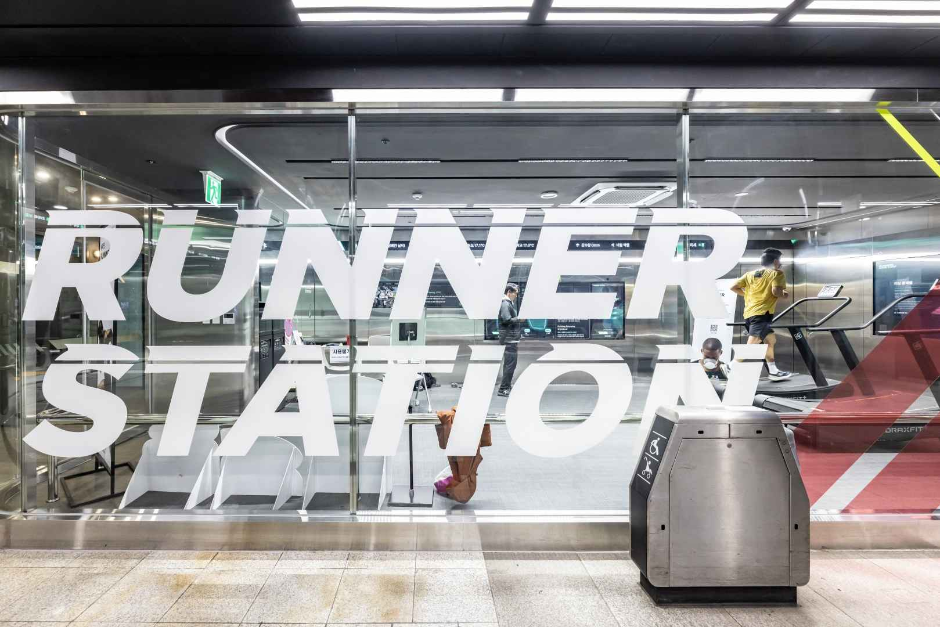
With Seoul’s skyscrapers and the scenic Hangang River, Yeouido has become the top destination for Korean runners. In response to the growing popularity of running along the Hangang among the MZ generation, Yeouinaru Station introduced Runner Station, equipped with essentials like lockers and media boards displaying popular running routes. Wrap up your day with a refreshing run in Yeouido.
Owl Museum (부엉이박물관)
13.7Km 2022-09-19
143, Bukchon-ro, Jongno-gu, Seoul
+82-2-3210-2902
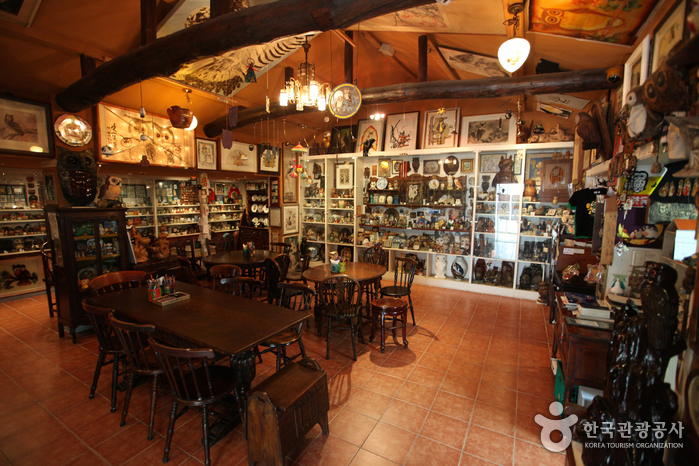
The Owl Museum is filled with over 2,000 pieces of owl-themed arts and crafts collected from all over the world by the owner. Renovated from a house, the museum has a feel of an antique café as the owner offers a cup of coffee or tea to visitors. Located near the city, those interested in owls should stop for a view and a drink. Various stories of how the collection was gathered as well as information on owls are also interesting.
Korea Medical Tourism Promotion Association ((사)대한의료관광진흥협회)
13.7Km 2025-10-23
(#601) 29-3 Saemunan-ro 9-gil, Jongno-gu, Seoul
The Korea Medical Tourism Promotion Association aims to attract over 100,000 medical tourists within three years by establishing a structured system for attracting medical tourists, training specialized personnel, and supporting both domestic and international medical tourism. With the increasing number of foreign visitors coming to Korea for various purposes beyond tourism, such as international conferences, business, and exhibitions, there is a growing need for specialized services.
Plans is a company that can meet all these diverse customer needs. ceremonial arrangements, tours, and events often proceed irregularly due to changes in weather, group size, and transportation. To address these variables, Plans, the plural form of "Plan," represents a company that is always prepared from start to finish. It is a leading VIP travel agency in Korea, tailored to meet the needs of its clients.
Jungmyeongjeon Hall (중명전)
13.8Km 2025-01-09
41-11, Jeongdong-gil, Jung-gu, Seoul
+82-2-752-7525
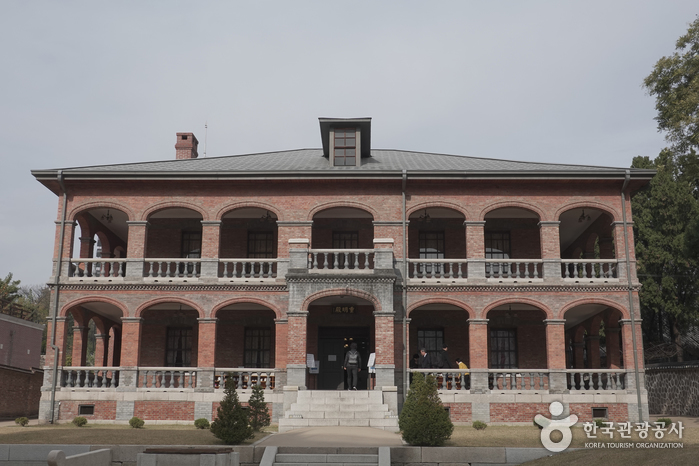
Located near Deoksugung Palace, Jungmyeongjeon Hall is a red-brick modern Western-style building. It was built in 1899 as the imperial library of the Korean Empire. After Deoksugung Palace caught on fire in 1904, the place became the temporary residence of Emperor Gojong. It also witnessed the tragic part of history in which the infamous Eulsa Treaty (Japan-Korea Protectorate Treaty), an illegal treaty forced by Japan, was signed in 1905. Its exhibition hall serves as a place for historical education.
 English
 한국어
한국어 日本語
日本語 中文(简体)
 Deutsch
 Français
 Español
 Русский


