
Jin Convalescent Hospital (진요양병원)
15.7Km 2025-10-23
33, Daejasil-ro, Buk-gu, Gwangju
Jin Convalescent Hospital is a Ministry of Health and Welfare-certified cancer rehabilitation hospital located in Unam-dong, Buk-gu, Gwangju. We provide personalized care tailored to each patient’s condition and symptoms, focusing on specialized programs for cancer patients while utilizing the latest equipment and technology. Our commitment is to prioritize patients’ health and wellness. In 2024, we were designated a foreigner-friendly hospital in Gwangju, offering internal medicine consultation, a wellness clinic, comprehensive blood tests, obesity treatments, and an integrated pain clinic combining Western and Korean medicine for international patients. Experience compassionate, patient-centered care and expert medical treatment here with us.
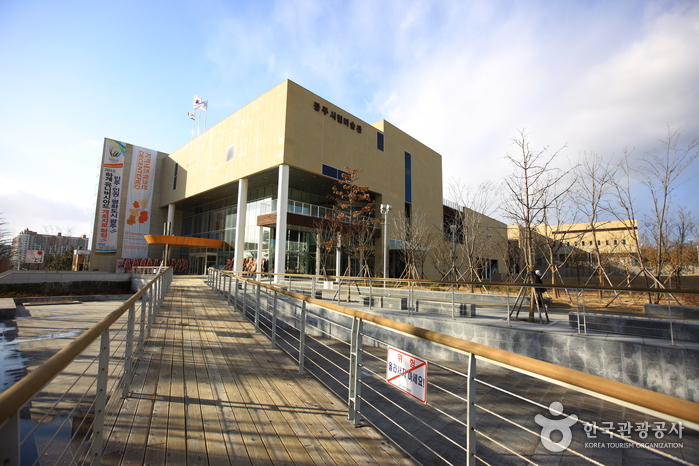
Gwangju Museum of Art (광주시립미술관)
16.1Km 2022-09-02
52, Haseo-ro, Buk-gu, Gwangju
The Gwangju Museum of Art was founded on August 1, 1992, to promote local artists. In 1996, it served as the venue for the Gwangju Biennale. The museum holds over 560 works, including those from Heo Baekryeon, Oh Jiho, Yang Su-ah, and Im Jik-sun, all local artists. In addition to the permanent exhibitions, the museum also has special planned exhibitions and other cultural programs.
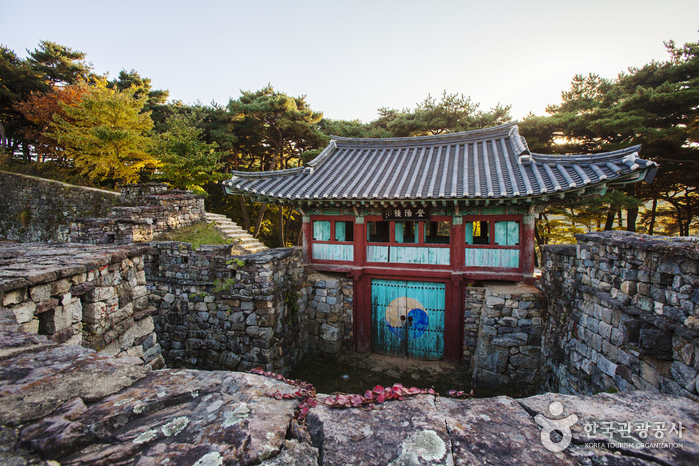
Gochangeupseong Walled Town (고창읍성)
16.1Km 2025-01-07
1, Moyangseong-ro, Gochang-gun, Jeonbuk-do
Gochangeupseong Walled Town was built in 1453 during th reign of Joseon King Danjong to protect the city from foreign invaders. The walls were built by the local civilians, using natural resources as they were available. Also called Moyangseong Fortress, the walled town served a vital role in protecting the southern region, and was designated Historic Site No. 145 on April 1, 1965. The walls are 4~6 meters high and 1,684 meters long, with three gates on the north, east, and west walls, each protected by curved walls. Inside the large area there were 22 government buildings. Restoration work on the wall has been ongoing since 1976.
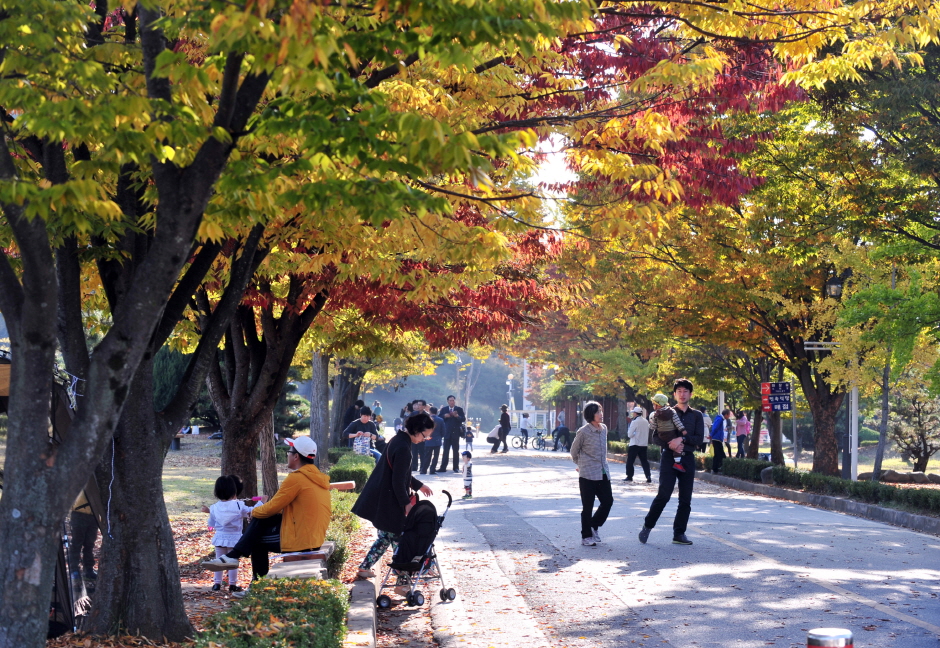
Jungoe Park (중외공원)
16.2Km 2021-10-25
52, Haseo-ro, Buk-gu, Gwangju
Jungoe Park is one of the nation's most famous leisure spaces. There is a children's grand park, the Olympic Garden, and the Olympic Monument. The children's grand park is especially popular on weekends and holidays.
There is also a folk museum, an education center, and the Biennale Exhibition Hall in the Biennale & Museum section of the park.
The park is most popular during fall for its beautiful foliage. In addition, the Rainbow Bridge is a symbol of the Biennale and was installed during the 1st Gwangju Biennale.
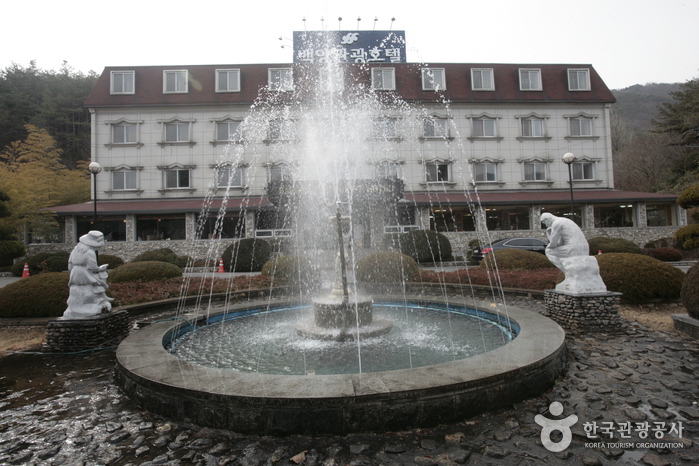
Baegyang Tourist Hotel (백양관광호텔)
16.3Km 2025-01-07
941, Baegyang-ro, Jangseong-gun, Jeollanam-do
Baegyang Tourist Hotel is located next to Baegyangsa Temple at the foothills of Naejangsan Mountain. The rooms offer beautiful views of nature all year round, with some rooms showing the magnificent mountain while others showing a bird's-eye-view of the hotel's garden. The hotel is perfect for family vacations and business trips.
Gochang-eup Sunghanok Village (고창읍성한옥마을)
16.3Km 2024-08-05
128 , Dongni-ro, Gochang-gun, Jeonbuk-do
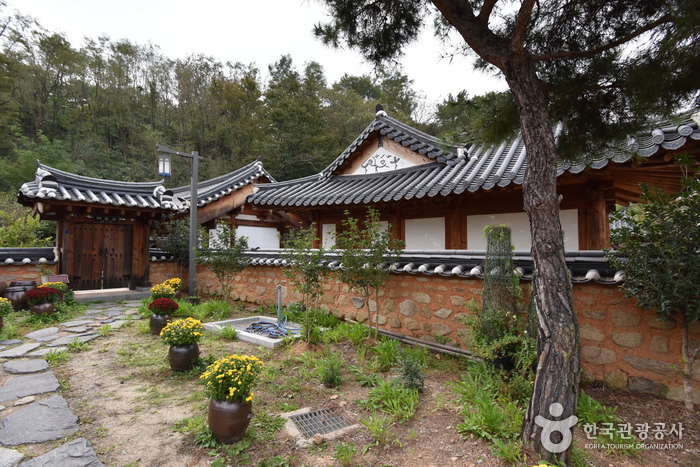
Gochangeupseong Hanok Village is a group of houses once attached to the government office inside the ancient Gochangeupseong Fortress, Gochang-gun, Jeollabuk-do. It consists of seven tile-roofed houses containing 11 comfortable guest rooms with wooden floors, equipped with toilet and AC. There is a yard, and visitors can walk a trail to Gochangeupseong Fortress and ponder the impressive 500 year-old walls. There is a pottery and an embroidery experience center, and Yangpyeong Military Art Museum, Gochang Pansori Museum, and Seonun Golf Course are all nearby. Visitors can use the village’s large parking lot.
Gwangju Arts Center (광주예술의전당)
16.3Km 2024-11-18
60 Bungmun-daero, Buk-gu, Gwangju
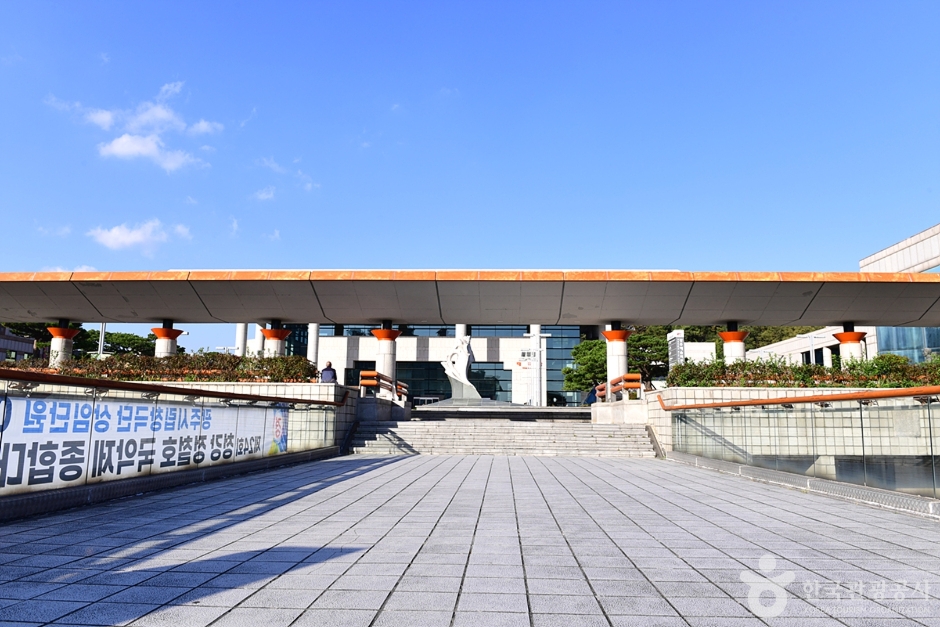
Opened in 1991, the Gwangju Arts Center is the cornerstone of culture and arts in Gwangju. It offers high-quality performances and exhibitions across various genres, including Korean traditional music, opera, classical music, and ballet. The center boasts a range of artistic facilities, such as a main theater, a secondary theater, a traditional music hall, a sculpture garden, and an amphitheater. The main theater has a seating capacity for up to 1,500 people.
Sin Jae-hyo's House (고창 신재효 고택)
16.4Km 2024-04-07
100, Dongni-ro, Gochang-gun, Jeonbuk-do
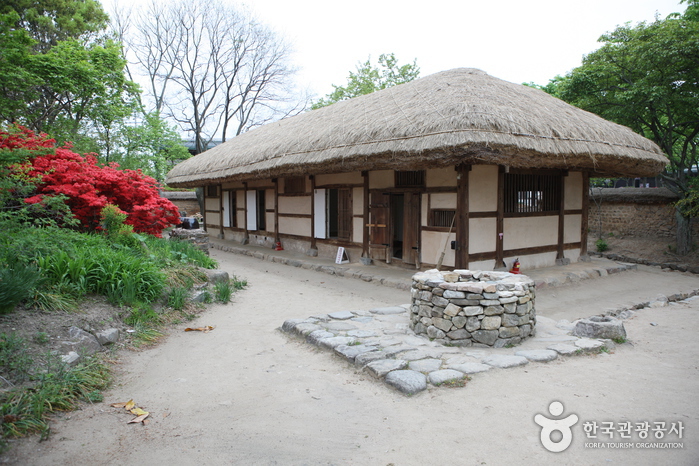
Sin Jae-hyo (1812-1884) was a legendary theorist, director, and sponsor of pansori (epic chant). Sin Jae-hyo's House in Gochang was built in 1850, and visitors can observe sarangchae (main room), an old well, and a paulownia tree preserved to this day. Sin was not a singer himself but a pansori enthusiast, and he used wealth to train potential singers and contribute to the growth of pansori. He also compiled and edited six pansori madangs (operas) titled Ttoggi Taryeong, Bak Taryeong, Simcheongga, Jeokbyeokga, Chunhyangga, and Garujigi Taryeong, of which only five are passed down. To honor his contributions and passion for pansori, Dongni Gugakdang was founded behind this house.
Gochang Pansori Museum (고창판소리박물관)
16.4Km 2024-04-06
100, Dongni-ro, Gochang-gun, Jeonbuk-do
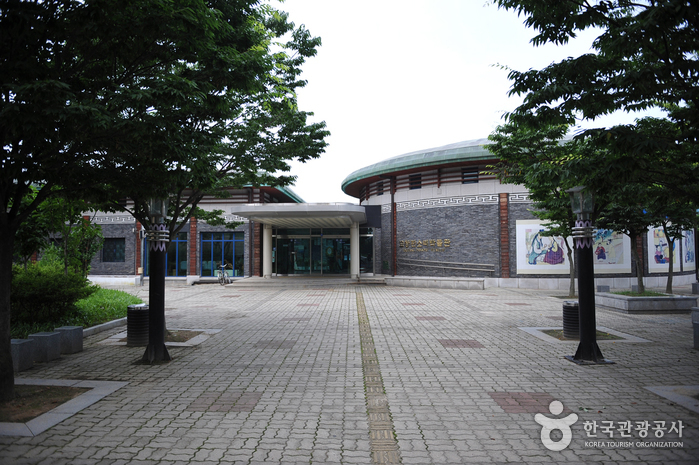
The Gochang Pansori Museum was established in the old residence of ‘Dongni’ Sin Jae-Hyo (a musical theorist and arranger and a sponsor of Pansori) with the aim of honoring the great Pansori singers of the past (including Sin Jae-Hyo) and preserving and developing the indigenous tradition of Pansori. Of the original rooms of the residence only Sarangchae (an annex where men used to study or welcome guests) has been renovated and is open to the public. Right next to Sarangchae is the Dongni Gugakdang (Korean Traditional Music Hall).
Over 1,000 pieces related to Pansori and great local singers are on display at the museum, included personal possessions once owned by Sin Jae-Hyo (penname ‘Dongni’). For those interested in learning more about the traditional art of Pansori music or experiencing high-quality Pansori, the Gochang Pansori Museum is a must-visit travel destination.
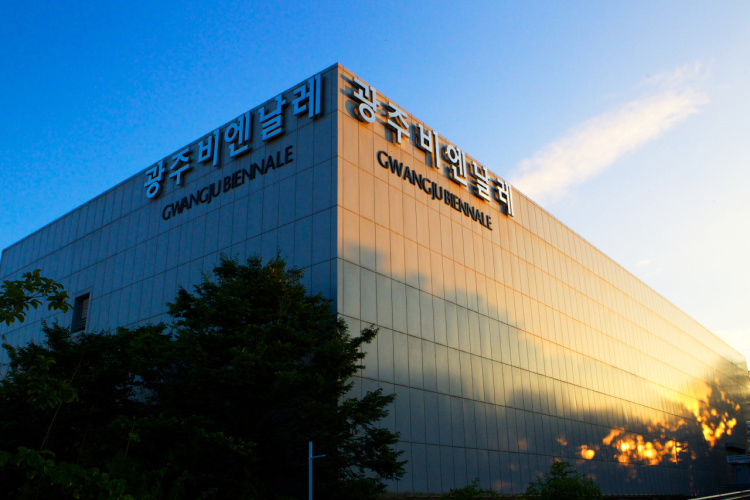
Gwangju Biennale Exhibition Hall (광주비엔날레전시관)
16.4Km 2023-11-28
111 Biennale-ro, Buk-gu, Gwangju
Since its establishment in 1994, the Gwangju Biennale Exhibition Hall has significantly contributed to Korea's art culture and the world through numerous exhibitions. It strives to give joy and motivation to many people and serves as a channel for Korean artists' forays into the world. Notably, the Biennale exhibition is not a one-time event, and various attempts are being made to make it a sustainable platform as it increases the regional value of Gwangju, the home of the Biennale.
In the era of COVID-19, online services are also provided to citizens who have difficulty visiting the site in person to experience the exhibition.
 English
 한국어
한국어 日本語
日本語 中文(简体)
 Deutsch
 Français
 Español
 Русский


