
Bangameori Beach (방아머리해수욕장)
16.0Km 2024-07-09
Daebubuk-dong, Danwon-gu, Ansan-si, Gyeonggi-do
Bangameori Beach is located at the northern tip of Daebudo Island. The beach is small in size but offers a relaxing atmosphere suited for vacation. The beach also has a forest path perfect for going on walks. There is a food street by the beach lined with restaurants that sell fresh seafood dishes.
Gwangmyeong Cave (광명 동굴)
16.1Km 2025-10-27
142 Gahak-ro 85beon-gil, Gwangmyeong-si, Gyeonggi-do
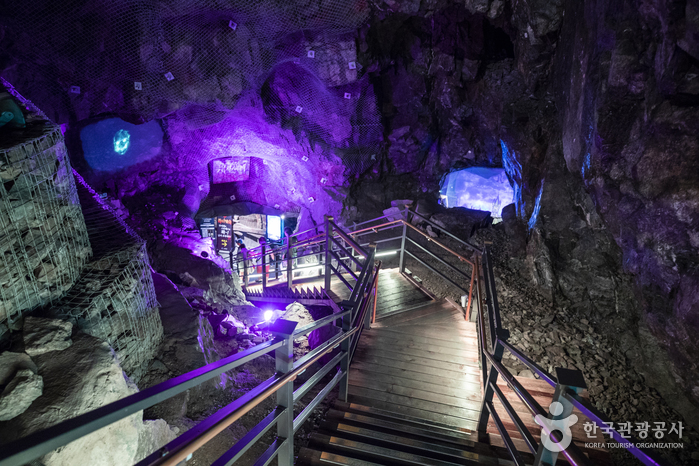
Gwangmyeong Cave was developed in 1912 during the Japanese colonial period to exploit resources, including gold mines, and continued to be developed for industrial purposes after liberation. After the mine was closed in 1972, it was used as a salted seafood warehouse for about 40 years. Gwangmyeong City purchased the site, reorganized it, and made it available to the public. It is currently recognized as a modern industrial heritage site with high historical value, and is well known as a cave theme park in the metropolitan area. Along with the cave, colorful lights and sculptures create a spectacular sight. Aside from tasting and purchasing Korean wine at the Gwangmyeong Wine Cave, visitors can also see the largest media art piece in Korea at the Lascaux Exhibition Hall, enjoying a more diverse travel experience.
Bucheon Botanical Garden (부천식물원)
16.1Km 2021-04-08
660, Gilju-ro, Bucheon-si, Gyeonggi-do
+82-32-625-4877
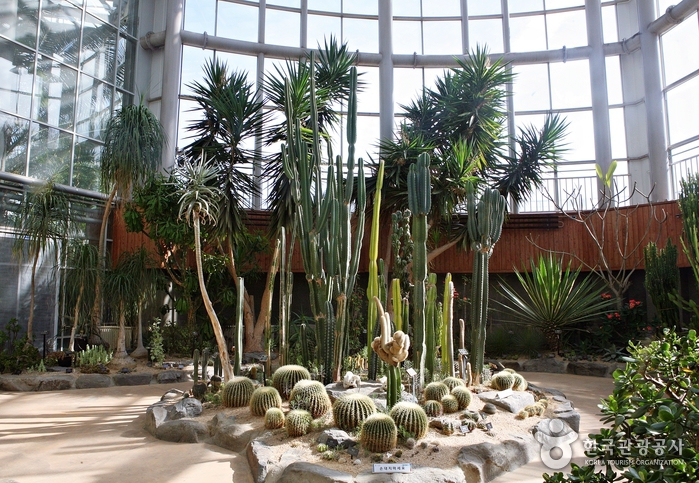
Bucheon Botanical Garden houses many rare plants, spread across two above-ground floors and two underground floors in a 27,124 ㎡ building. The building was designed in the shape of a peach flower, the symbol of Bucheon, and has one central garden and five themed gardens: general plant garden, aquatic plant garden, tropical plant garden, succulent plant garden, and indigenous plant garden.
In the central garden, 9,975 trees representing some 310 species are planted. With a forest nearby, the botanical garden offers a great nature learning experience for visitors. Together with the Natural Ecology Museum and Children Zoo nearby, it is also a great cultural and recreational destination.
![Olive Young - Bucheon Homeplus Yeowol Branch [Tax Refund Shop] (올리브영 홈플러스부천여월)](http://tong.visitkorea.or.kr/cms/resource/75/2888775_image2_1.jpg)
Olive Young - Bucheon Homeplus Yeowol Branch [Tax Refund Shop] (올리브영 홈플러스부천여월)
16.1Km 2024-04-18
1F, 663, Sosa-ro, Bucheon-si, Gyeonggi-do
-
![Homeplus - Bucheon Yeowol Branch [Tax Refund Shop] (홈플러스 부천여월)](http://tong.visitkorea.or.kr/cms/resource/68/2889168_image2_1.jpg)
Homeplus - Bucheon Yeowol Branch [Tax Refund Shop] (홈플러스 부천여월)
16.1Km 2024-04-23
663, Sosa-ro, Bucheon-si, Gyeonggi-do
-
![Olive Young [Tax Refund Shop] (올리브영)](http://tong.visitkorea.or.kr/cms/resource/01/2882401_image2_1.jpg)
![E-Mart - Gojan Branch [Tax Refund Shop] (이마트 고잔)](http://tong.visitkorea.or.kr/cms/resource/13/2888213_image2_1.jpg)
E-Mart - Gojan Branch [Tax Refund Shop] (이마트 고잔)
16.2Km 2024-04-22
46, Wonpogongwon 1-ro, Danwon-gu, Ansan-si, Gyeonggi-do
-
![Himart - Ojeong Branch [Tax Refund Shop] (하이마트 오정점)](http://tong.visitkorea.or.kr/cms/resource/81/2889981_image2_1.jpg)
Himart - Ojeong Branch [Tax Refund Shop] (하이마트 오정점)
16.2Km 2024-04-18
672, Sosa-ro, Bucheon-si, Gyeonggi-do
-
Gyeyangsan Mountain (계양산)
16.4Km 2021-05-24
26, Gyeyangsan-ro 75beon-gil, Gyeyang-gu, Incheon
+82-32-450-5654
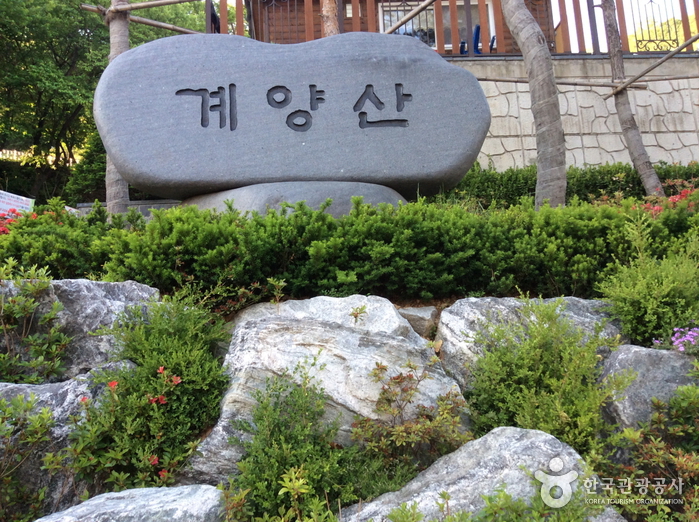
Gyeyangsan Mountain, which reaches an altitude of 395 meters, is considered a guardian and holy mountain that is representative of Incheon. The mountain’s name changed several times, according to the name changes of the region. It was previously called "Sujuak" as part of the Suju administration of the Goryeo dynasty, "Annamsan Mountain" during Annam administration, and finally was renamed "Gyeyangsan Mountain" during Gyeyang administration.
Gyeyangsan’s name originates from the area that is home to the Korean box tree, which produces cassia bark used to make cinnamon. Gyeyang Park was designated as Incheon’s first urban natural park on January 8, 1944, and since then, the mountain has gone on to become the city’s top municipal park.
Seaside Park Foot Spa (씨사이드파크해수족욕장)
16.4Km 2025-10-23
12 Yongsumal-ro 28beon-gil, Jung-gu, Incheon
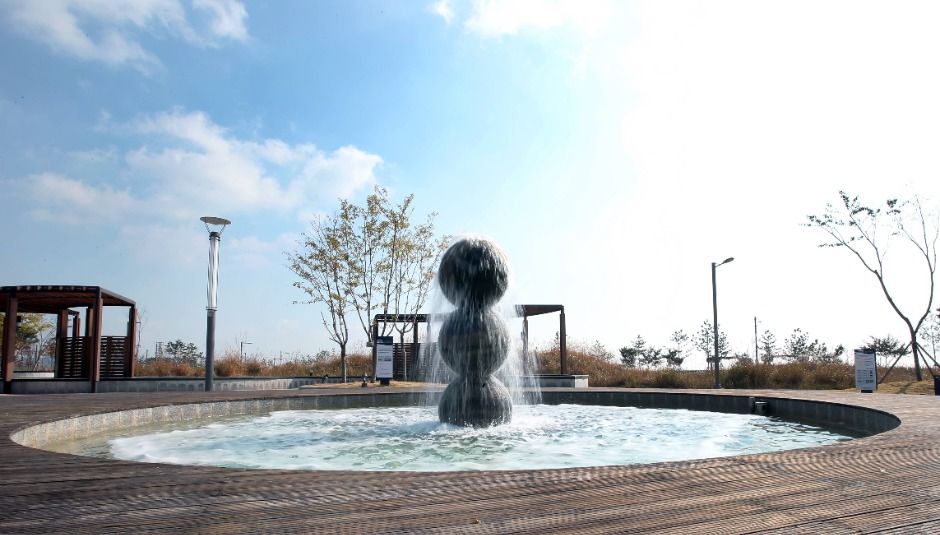
Seaside Park Foot Spa is located inside Seaside Park, which is divided into various zones. It features various sports facilities and playgrounds, as well as an artificial rock waterfall, outdoor performance hall, sculptural fountain, observatory, and sculptures. Visitors can enjoy a variety of sights along with an open sea view. The foot spa is equipped with foot washing stations, allowing visitors to wash their feet before soaking. There are separate indoor and outdoor spaces to choose from according to personal preference, with outdoor areas having screens installed for comfortable use even on sunny days. Foot baths are known to be beneficial for blood circulation, making them popular among local residents.
 English
 한국어
한국어 日本語
日本語 中文(简体)
 Deutsch
 Français
 Español
 Русский


