
The Story Course of the Historical and Cultural Street of the Open Trade Port - 1 hr course ([인천 개항 누리길] 1시간 코스)
4.5Km 2023-01-12
269, Jemullyang-ro, Jung-gu, Incheon
The Story Course of the Historical and Cultural Street of the Open Trade Port is a course that showcases the history and culture of the pork opening over 100 years ago. Started in 2006, the walking course takes participants through historical buildings and attractions including Jayu Park, The first Bank, 5.8 Bank, Chinatown and more. There are three different courses varying by time with one hour course taking participants from Incheon Station to Chinatown and Samgukji Mural Street, Jayu Park, Jemulpo Club, Incheon Modern Architecture Museum, and finishing at Korean-Chinese Cultural Center.
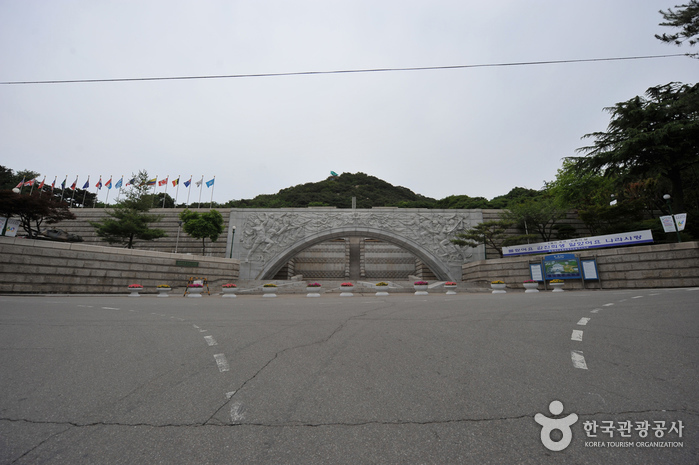
Memorial Hall for Incheon Landing Operation (인천상륙작전기념관)
4.5Km 2024-03-07
138 Cheongnyang-ro, Yeonsu-gu, Incheon
Memorial Hall for Incheon Landing Operation is a museum commemorating the event where during the early stages of the Korean War (1950-1953), South Korean and UN forces, although initially pushed back by North Korean forces, landed in Incheon on September 15, 1950, under the command of General MacArthur (1880-1964), thereby reversing the tide of the conflict. The memorial hall features exhibitions related to the Korean War and sculptures depicting the Incheon Landing Operation. From the observatory, visitors can enjoy views of the Hwanghae Sea and the city of Incheon.
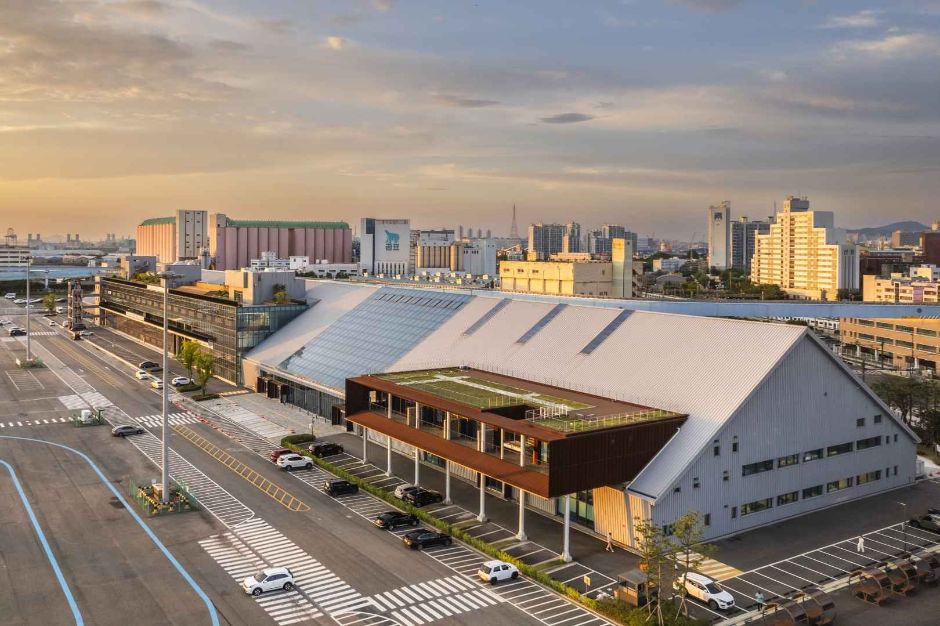
Sangsang Platform (상상플랫폼)
4.7Km 2025-10-23
33 Wolmi-ro, Jung-gu, Incheon
When the Incheon port opened in 1883, the Wolmi-ro area became the gateway to Korea, welcoming vistiors from overseas countries via sea route. Before transforming into the cultural and art complex of today, Sangsang Platform located by the Incheon Open Port used to be Asia's largest granary. Sangsnag Platform is remodeld to preserve the old granary structure while adding a contemporary touch that matches modern-day aesthetics. As the building once connected Incheon to the world, it now serves connect Incheon's past and the future as a multipurpose cultural tourism complex.
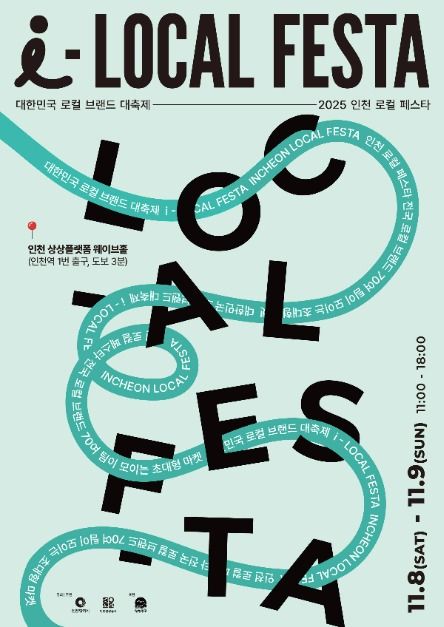
Incheon Local Festa (Jemulpo Wave Market) (인천 로컬 페스타 (제물포 웨이브 마켓))
4.7Km 2025-10-23
33 Wolmi-ro, Jung-gu, Incheon
+82-10-2258-9475
Jaemulpo Wave Market is a special festival where one can explore the many different local brands in Incheon. Approximately 70 Incheon-based brands are participating to promote handmade products, home decor items, lifestyle goods and more. During the festival period, Jemulpo Wave Vintage Market also takes place with 20 vintage sellers showcasing timeless products. Entertaining events are also planned, such as a DJ show, vintage auction, beer drinking contest, and more.
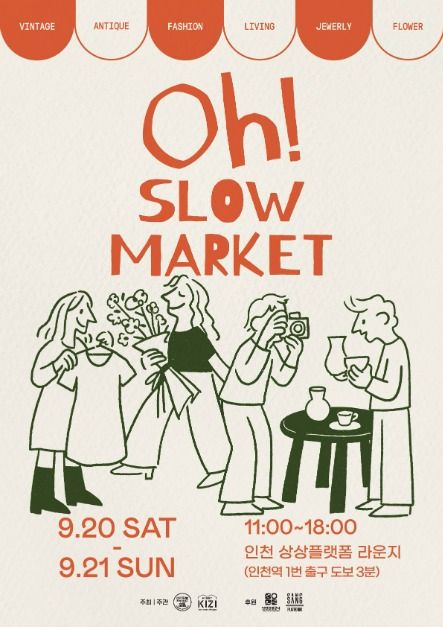
Oh Slow Vintage Market (오슬로우 빈티지 마켓)
4.7Km 2025-11-06
33 Wolmi-ro, Jung-gu, Incheon
+82-10-2258-9475
Oh Slow Vintage Market is the largest vintage market in Korea for those who pursue a slow life, with numerous teams participating in the market, including vintage, antique, second-hand, flower, and small items that align with the values of "slow life." The market is characterized by vintage items and furniture that have been around for a long time and have their own unique value, as well as rare antique items that have their own history and timeless beauty. Quality second-hand clothing and miscellaneous goods provide opportunities to purchase brand products or items in good condition at reasonable prices, going beyond just low prices. The flower section includes fresh flowers and pots for adding a personal touch. Additionally, there are stylish design items and beautifully crafted handmade crafts that enrich lifestyles. Visitors can enjoy an exciting atmosphere with DJ performances and can learn about participating vintage businesses and rare vintage products in detail through a vintage docent tour.
Heungnyunsa Temple (Incheon) (흥륜사(인천))
4.8Km 2024-03-07
40-18 Cheongnyang-ro 70beon-gil, Yeonsu-gu, Incheon
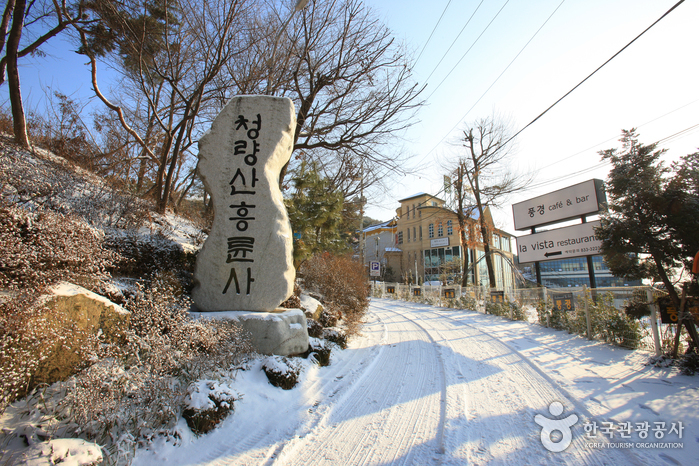
Heungnyunsa Temple is a temple located on Cheongnyangsan Mountain in Incheon. Although originally built in 1376, it was destroyed by fire and reconstruction began in 1927. The temple's buildings and sculptures are adorned with elaborate gold paint, lending them a splendid appearance. The temple's bell is also gilded, and its 40-meter-high Great bronze Buddha pagoda shines in gold. Heungnyunsa Temple is also renowned for its panoramic views and sunsets. Visitors can overlook the direction of Songdo in Incheon and even catch a glimpse of the distant Incheondaegyo Bridge spanning over the sea.
Incheon Baendaengi Street (연안부두 밴댕이회무침거리)
5.4Km 2021-07-22
24-1, Yeonanbudu-ro, Jung-gu, Incheon
The Gwanghwado and Incheon areas are known for their plentiful catches of baendaengi (large-eyed herring). After a little street started specializing in serving baendaengi some 30 years ago, the fish has continued to grow in popularity.
Located in Guwol-dong, across from the Incheon Culture & Arts Center, Baendaengi Street has expanded, and so has the variety of dishes served. Visitors can try baendaengi prepared sashimi-style, roasted, or in a spicy soup. For this particular species of herring, locals believe the flavor is best in March and April when they grow to their largest size. Salted Baendaengi also makes an excellent side-dish for Korean meals.
* Baendaengi is one of many types of small prey fish referred to as ‘Soeo’ for their fierce struggle in fishing nets. Soeo have internal organs that are proportionally smaller than other species of fish and are known for their feisty nature. These attributes are thought to signify a stress-filled life, which is why many Koreans refer to narrow-minded or hot-tempered people as ‘baendaengi.’
Wolmi Park (월미공원)
5.6Km 2025-01-08
131-22 Wolmi-ro, Jung-gu, Incheon
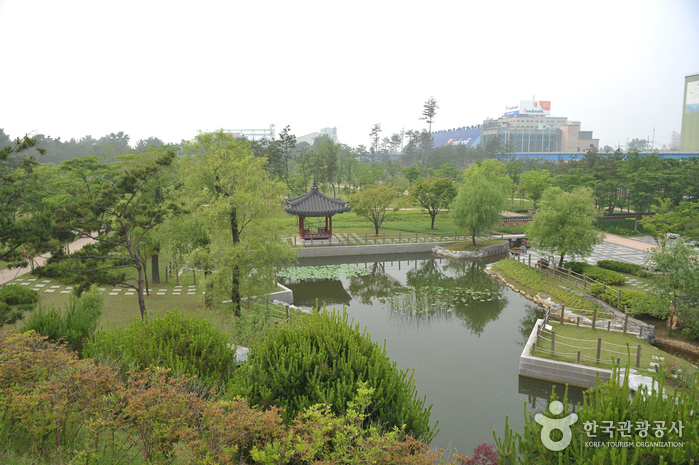
Wolmi Park, once a military zone for 50 years following the Korean War (1950-1953), has been transformed into a park preserving its natural ecosystem. Centered around Wolmi Mountain, the park features traditional Korean gardens such as Palace Garden, Hermitage Garden, and Tradition Private House Garden. Visitors can enjoy views of Incheon Port and the sunset over the Seohae Sea from the nearby Wolmi Observatory. It is conveniently located near Wolmi Cultural Street.
Nasaret International Hospital (나사렛국제병원)
5.8Km 2025-10-23
98 Meonugeum-ro, Yeonsu-gu, Incheon
Originating from Yi Gang-il Korean Medicine Clinic, which opened in Jeonju in 1973, Nasaret International Hospital is continuing its 49-year treatment history. Its medical care system offers one-stop services, encompassing systemized health checkups, emergency responses, surgeries, and rehabilitation treatments all in one place.
With a cooperation system that combines advanced modern medicine, traditional Korean medicine, and integrated functional medicine, Nasaret International Hospital has secured global competitiveness. It offers differentiated medical services through 12 specialized treatment centers, including the Cardiovascular Center, Cerebrovascular Center, Spine Center, Joint Center, Gastroenterology Center, and the Korean Medicine Center.
The hospital has also enhanced its medical services by creating dedicated routes for international patients. Its international cooperation center supports treatment and hospital administration services in multiple languages.
Wolmi Culture Street & Moonlight Music Fountain (월미문화의거리 & 달빛음악분수)
6.0Km 2025-10-23
252 Wolmi-ro, Jung-gu, Incheon
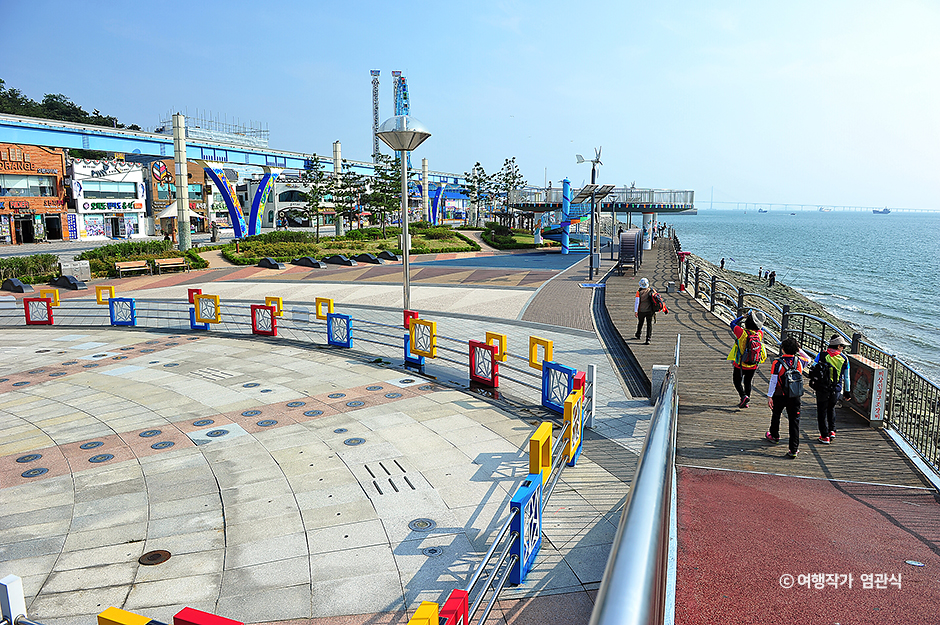
Wolmi Culture Street is a pedestrian-only street located in Wolmido, one of Incheon's major attractions. The street is lined with benches for people to rest, and one can usually find artists here drawing portraits. The street passes Wolmi Park and Wolmi Observatory, providing outstanding views of Incheon Port and the Wolmido area. Family visitors and couples enjoy stopping by Wolmi Theme Park to enjoy the amusement rides. The Moonlight Music Fountain is rather small in size, but is a beloved attraction of Wolmi Culture Street.
 English
 한국어
한국어 日本語
日本語 中文(简体)
 Deutsch
 Français
 Español
 Русский


