![Discovery - Sinpo Munhwa Branch [Tax Refund Shop] (디스커버리 신포문화)](http://tong.visitkorea.or.kr/cms/resource/68/2882768_image2_1.jpg)
Discovery - Sinpo Munhwa Branch [Tax Refund Shop] (디스커버리 신포문화)
6.7Km 2024-04-17
39, Gaehang-ro, Jung-gu, Incheon
-
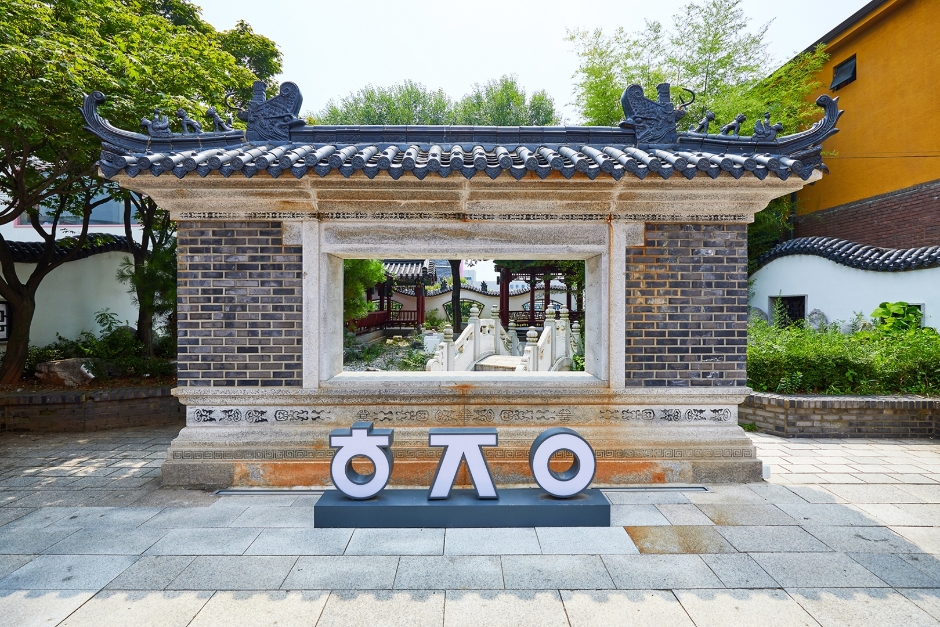
Hanjungwon (한중원)
6.7Km 2024-01-04
12 Chinatown-ro 59beon-gil, Jung-gu, Incheon
Hanjungwon is a Chinese-style garden built to commemorate the establishment of diplomatic relations between Korea and China, making it a great place to rest after looking around Chinatown. It was created with the motif of the garden style of the Suzhou region in the mid and late Qing Dynasty. Plants native to China are planted, such as bamboo, roses, and peonies, giving it an exotic atmosphere. There are human figures wearing traditional Chinese costumes on both sides of the entrance, making it a famous photo zone.
Taehwawon (태화원)
6.7Km 2024-12-02
10 Chinatown-ro 59beon-gil, Jung-gu, Incheon
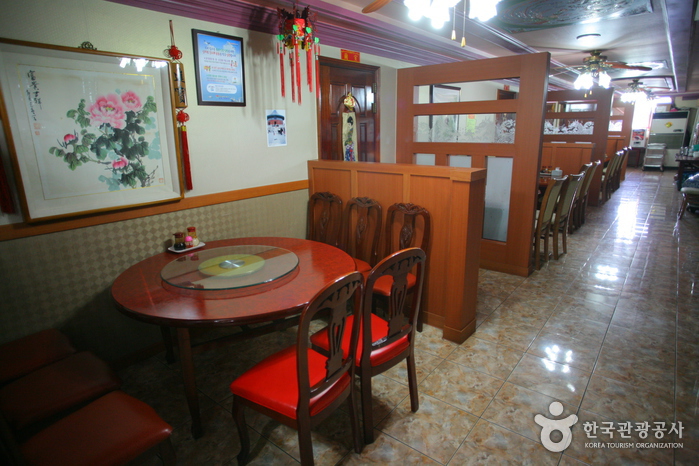
Now in its third generation, this Korean-Chinese restaurant, established in 1926, is one of the earliest in Incheon Chinatown and is renowned for preserving traditional flavors. Its signature Incheon Hyangto Jjajang (Incheon-style black bean sauce noodles) is crafted with the restaurant's own chunjang and seasonal ingredients, offering a richer, deeper taste than jjajangmyeon made with store-bought sauce. The restaurant also offers a vegetarian menu.
Incheon Chinatown (인천 차이나타운)
6.7Km 2025-10-23
20 Chinatown-ro 59beon-gil, Jung-gu, Incheon
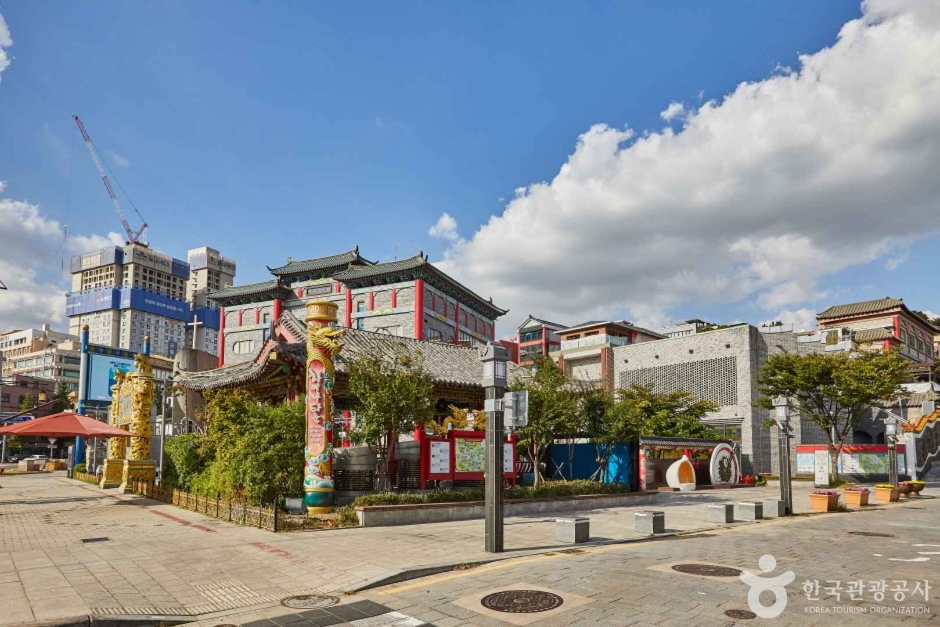
Incheon's Chinatown came into being with the opening of Incheon Port in 1883 and Incheon's designation as an extraterritoriality of the Ching dynasty in the following year. In the past, the area held many stores trading goods imported from China, but currently most Chinese businesses in the area are restaurants. Today, the residents of Chinatown are mostly 2nd or 3rd generation Chinese, descendents of the early Chinese settlers. The area harbors many of the flavors of China, while the traditional culture of the first generation is preserved.
Daebul Hotel Exhibition Hall (대불호텔전시관)
6.7Km 2025-10-23
101 Sinpo-ro 23beon-gil, Jung-gu, Incheon
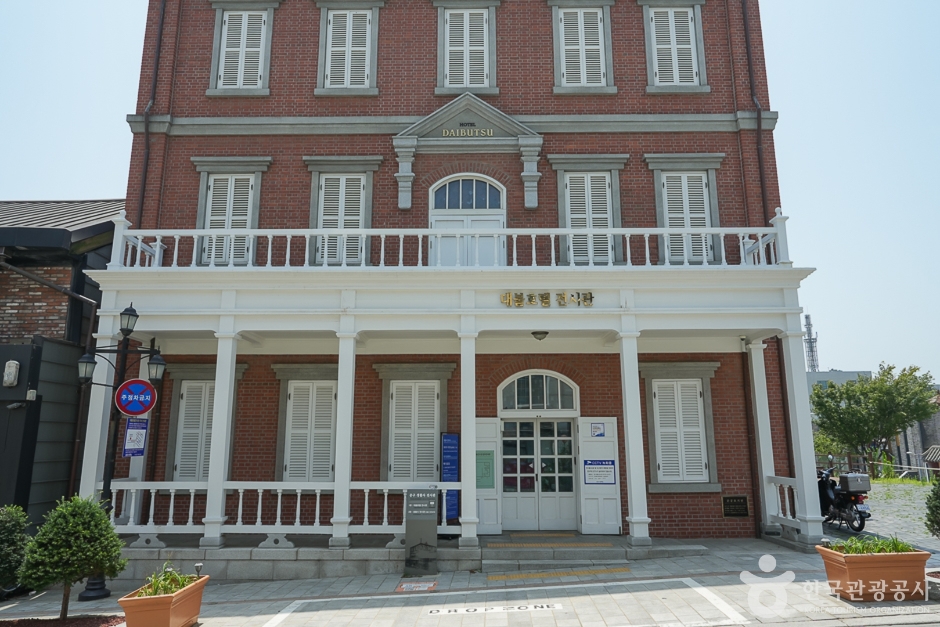
This museum is located on the site of Daebul Hotel, Korea's first Western-style hotel, established in 1889. The hotel was demolished in 1978, but parts of the hotel structure were discovered in 2011 and rebuilt to preserve the hotel's original appearance. The first floor is the Daebul Hotel Exhibition Hall, through which visitors can see traces of Daebul Hotel at the time. The second floor is the Jung-gu Life History Museum, where visitors can get a glimpse of life in Incheon's Jung-gu area in the 1960s and 1970s.
Cafe Cha Chinatown Branch (카페 차 차이나타운점)
6.7Km 2024-01-04
20 Chinatown-ro 59beon-gil, Jung-gu, Incheon
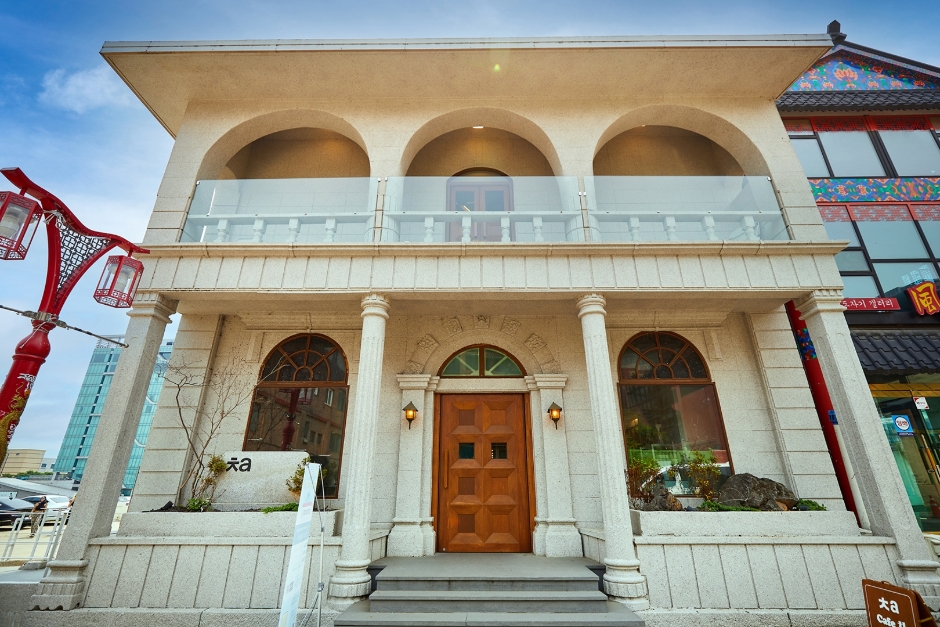
This is the Chinatown branch of Cafe Cha, famous for its Dalgona Milk Tea in Seongsu-dong. In addition to the representative menu items, Dalgona Milk Tea and Dalgona Coffee, the café also offers signature blended teas with pretty names such as Dasichaeum (one more fill), Hyanggiroum (fragrant), Neogeureoum (merciful), and Singgeureoum (refreshing). It also has a variety of dessert menus, with the most popular dessert being Dalgona Butter Salt Bread. The café has a large parking lot, and customers can use it for 90 minutes free of charge.
![Nike - Sinpo Main Branch [Tax Refund Shop] (나이키 신포본점)](http://tong.visitkorea.or.kr/cms/resource/66/2882766_image2_1.jpg)
Nike - Sinpo Main Branch [Tax Refund Shop] (나이키 신포본점)
6.7Km 2024-04-22
27, Gaehang-ro, Jung-gu, Incheon
-
Incheon Open Port Museum (인천개항박물관)
6.7Km 2025-10-23
89 Sinpo-ro 23beon-gil, Jung-gu, Incheon
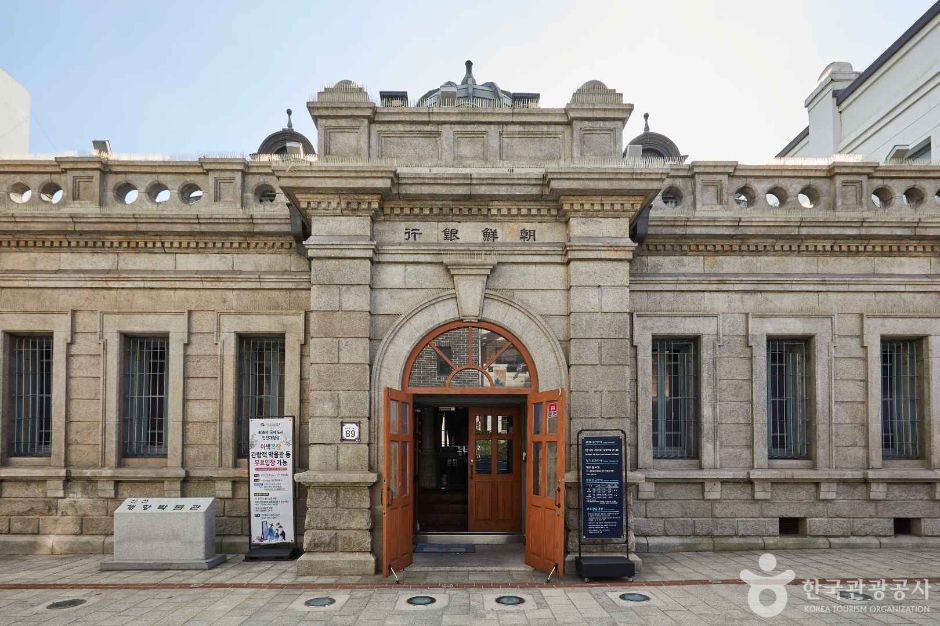
Designated as a Tangible Cultural Heritage of Incheon Metropolitan City, the Incheon Open Port Museum is housed in the former Bank of Japan building, an architectural masterpiece constructed in the late Renaissance style. With four permanent exhibitions, the museum offers a glimpse into various aspects of modern culture and artifacts that were first introduced after the opening of Incheon Port. (Credit: Incheon Jung-gu Cultural Foundation)
Noodle Platform (누들플랫폼)
6.7Km 2025-10-23
36 Sinpo-ro 27beon-gil, Jung-gu, Incheon
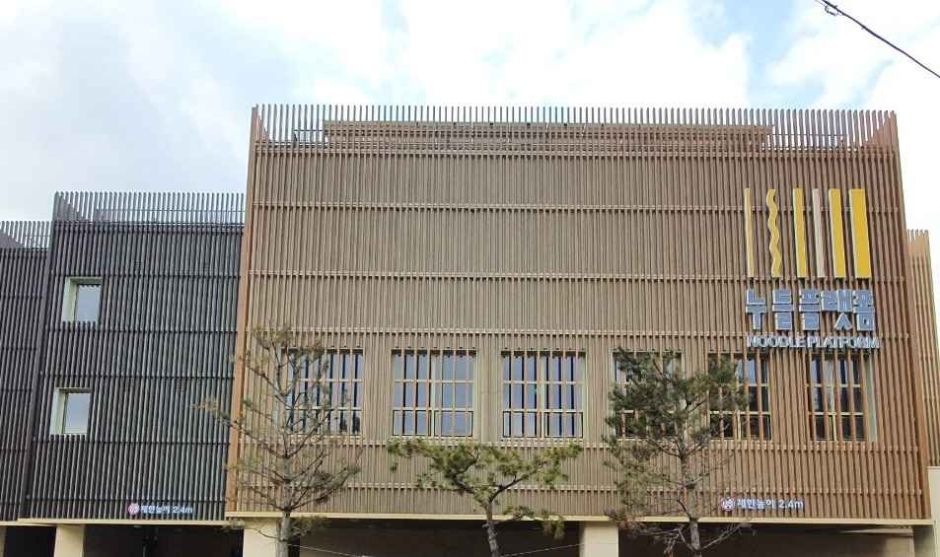
Noodle Platform is a noodle-themed cultural complex in Incheon, offering exhibitions, educational programs, and hands-on experiences centered around noodles. The three-story complex features an exhibition space that explores the development of noodle dishes in Incheon, such as jjajangmyeon (black bean sauce noodles) and jjolmyeon (spicy chewy noodles); a noodle experience zone; and an educational area where visitors can learn how to cook noodle dishes.

 English
 한국어
한국어 日本語
日本語 中文(简体)
 Deutsch
 Français
 Español
 Русский


