![Nestle for You and I[Korea Quality] / 너와 나의 둥지[한국관광 품질인증]](http://tong.visitkorea.or.kr/cms/resource/23/2991323_image2_1.jpg)
Nestle for You and I[Korea Quality] / 너와 나의 둥지[한국관광 품질인증]
11.9Km 2024-10-30
42-1 , Dalbithanok-gil, Gangjin-gun, Jeollanam-do
+82-10-7608-2973
Nestle for You and I is a hanok accommodation located in Dalbit Hanok Village in Gangjin, Jeollanam-do. It has a spacious living room and yard with plenty of room for children to play, and the toenmaru (narrow wooden porch) under the eaves offers a great vantage point for viewing the hanok yard and the surrounding nature of Gangjin. There are three guest rooms: Haetnim and Dalnim come with a numaru (balcony-like raised veranda), and the detached building is equipped with a TV and refrigerator. There is a fireplace in the living room where you can enjoy a hearty, complimentary breakfast.

Historic Site of Gosan Yun Seondo (고산 윤선도 유적지)
13.4Km 2024-02-20
135 Nogudang-gil, Haenam-eup, Haenam-gun, Jeollanam-do
Historic Site of Gosan Yun Seondo is a memorial site dedicated to Gosan Yun Seondo (1587-1671), a government official and literary figure of the Joseon dynasty. Nogudang is the house where Yun Seondo lived, built in the 15th century. There is also a museum displaying numerous hanok and artifacts. It is situated in a beautiful location surrounded by large ginko trees and forests.
Haetae Sikdang (해태식당)
13.9Km 2024-02-16
6 Seoseongan-gil, Gangjin-eup, Gangjin-gun, Jeollanam-do
Haetae Sikdang specializes in Namdo-style hanjeongsik (Korean table d'hote), with the Haetae jeongsik (Haetae set menu) being the sole offering on its menu. This nutritious array of dishes is prepared using ingredients sourced from the rich natural environment of Gangjin. The selection of food varies seasonally, featuring Gangjin daehap (hard clams) in spring, minmul jangeo (freshwater eel) in summer, jeoneo (gizzard shad) and odori (raw shrimp) in autumn, and maesaengiguk (seaweed fulvescens soup) in winter, ensuring a diverse and fresh dining experience throughout the year.
Yeongamho Lake (migratory bird habitat) (영암호 - 철새도래지)
13.9Km 2025-01-08
Yongang-ri, Yeongam-gun, Jeollanam-do
+82-61-470-6071
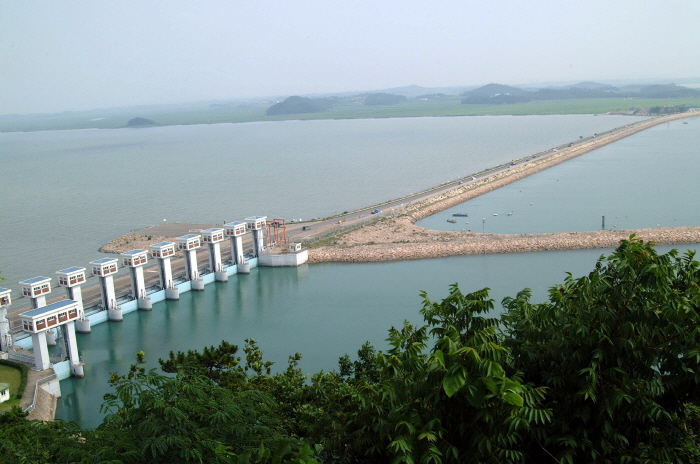
This is a huge lake created when the Geumho tide embankment was constructed in Yeongam on November 1996, as part of a national project to reclaim some 4.3 kilometers stretch of sea from Sampo-ri in Samho-myeon of Yeongam-gun to Byeoram-ri in Hwawon-myeon of Haenam-gun.
Some 100 species of migratory birds, numbering some 300,000, live in this area over the winter on the mud flats which are full of things to eat. Around the embankment where the sea water and fresh water meet, there is a great spot to fish for both fresh water and the sea species. This is perhaps the only place in Korea where the long and silvery cutlass fish, usually found in the deeper areas of the ocean, can be caught while sitting on the rocks along the seashore.
Yehyang (예향)
14.5Km 2024-02-19
11-1 Boeun-ro 3-gil, Gangjin-eup, Gangjin-gun, Jeollanam-do
061-433-5777
Yehyang is a traditional Korean table d'hote restaurant that originated in 1930 on Yeongrang-ro in Gangjin. They offer set menus such as ye jeongsik, hyang jeongsik, and surasang, all served based on a portion size for four people. Using natural ingredients, they provide healthy and flavorful meals with dishes like hongeo samhap (skate, pork, and kimchi combo), tteokgalbi (grilled galbi patties), and bori gulbi (barley-aged dried yellow croaker).
Gayageum Theme Park (가야금테마공원)
14.7Km 2024-01-10
19-10 Gichan land-ro, Yeongam-eup, Yeongam-gun, Jeollanam-do
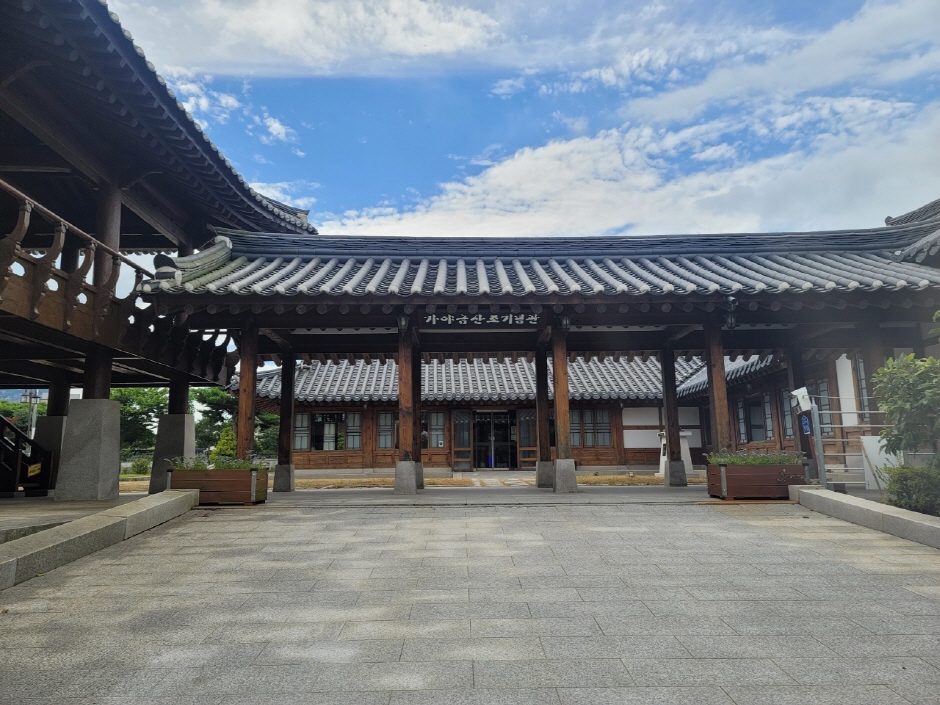
Opened in 2014, Gayageum Theme Park is the only gayageum-themed park in Korea. Various relics and materials related to the gayageum, a representative Korean traditional stringed instrument consisting of 12 strings, are displayed through which visitors have the opportunity to learn about this unique instrument. In addition to the 12-string gayageum, the improved ones, with 18 strings, 21 strings, and 25 strings, are also on display and the only ox-horn gayageum in Korea made of ox horns and pure gold is particularly worth observing. A bust of Kim Chang-jo born in Yeongam, who created the framework of Gayageum Sanjo (a free-style gayageum solo music), is also on display. In the listening room, visitors can appreciate beautiful music played by gayageum masters.
Wolchulsan Gichan Land (월출산 기찬랜드)
14.7Km 2025-01-17
19-3, Gichan land-ro, Yeongam-gun, Jeollanam-do
+82-61-471-8500
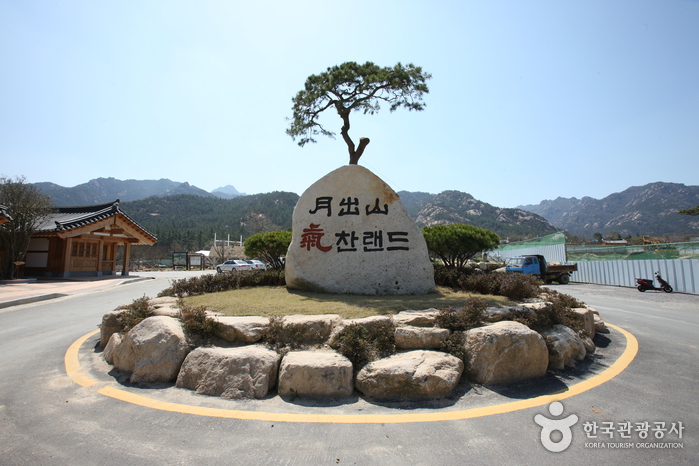
Wolchulsan Gichan Land is set in the clean valley and fresh air at the foot of Cheonhwangbong Peak of Wolchulsan Mountain. Many famous people come from the area, including Kim Changjo who created folklore music, Nangsan Kim Junyeon, a member of the Consituent Assembly, Admiral Kang Kicheon, Jo Hunhyeon, King of Baduk game and others. Gichan Land houses Gayageum Theme Park to offer folk culture as well as nature-pool, spirit health center, pension, physical facilities, well-being prayer road, and others. Wolchulsan Well-being Prayer Road features a health road to experience water, forest, and rocks on the road to Wolchulsan Mountain.
The 1.1 kilometer long Wolchulsan Well-being Prayer Road stretches from Gichan-gil Walking path to Ki Sports Park and Sowon-ro. The path is decorated with more than 30 years of pine trees, eco-friendly wooden bridge, and a resting area. Wolchulsan Pray Road stretches from the entrance of Cheonhwangsaji and Ki Sports Park to Gichan Land (4km) plus the 3 kilometer-road from Historic Site of Wang In to the entrance of Dogapsa Temple.
Wolchulsan National Park features breathtaking scenery, plentiful cultural resources and folklore atmosphere of the Southern area. The mountain was formed as a residual hill of the Sobaek Mountain Range going into the Mokpo sea and meets the projecting rocks. The whole area is centered around Cheonwangbong Peak (809m) and is surrounded by uniquely-formed rocks and cliffs.
The area is the birth place of Wangin (Baekje) and Doseon Guksa (Late Silla). Various cultural assets are also located here, including Gengnakjeon Hall and Rock-carved Seated Buddha in Muwisa Temple in south side and Dogapsa Temple in west side based on Cheonwangbong Peak.
Wolchulsan National Park (월출산국립공원)
14.9Km 2024-01-10
280-43 Cheonhwangsa-ro, Yeongam-eup, Yeongam-gun, Jeollanam-do
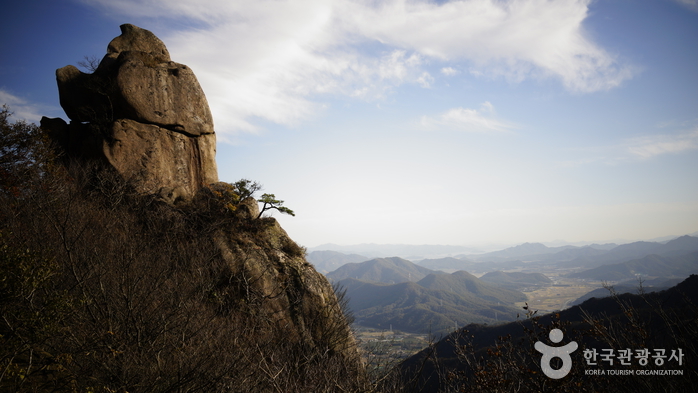
Wolchulsan Mountain, which means "moon rising mountain," is a national park in the southernmost part of Korea with beautiful nature. The mountain towering around Cheonhwangbong Peak at 810.7 meters above sea level stands out even more due to the flat land around it. The unique rock formations look differently depending on the angle, as a human face or animal shape, exuding overwhelming grandeur. More than 700 plant species and 800 animal species inhabit the area, and a subtropical forest and a warm-temperate forest coexist, making it very valuable to preserve. The ridge from the Cheonhwangsa Temple site or Baramgyegok Valley to Cheonhwangbong Peak, Gujeongbong Peak, and Dogapsa Temple is the main trail, which takes about six hours. The course’s most exciting point is the 120-meter high and 54-meter long red suspension bridge that offers a picturesque view of Wolchulsan Mountain and the fields and paddies under the mountain.
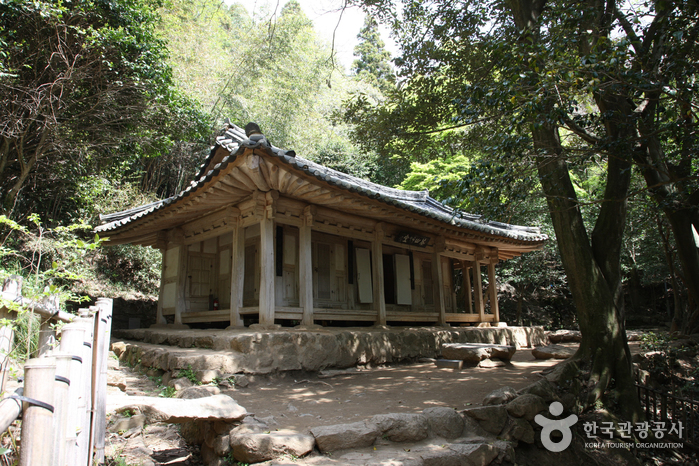
Dasan Chodang (Historic Site Related to Jeong Yak-yong) (다산초당 (다산 정약용 유적지))
15.5Km 2023-06-19
68-35, Dasanchodang-gil, Gangjin-gun, Jeollanam-do
+82-61-430-3911
Dasan Chodang is the house where Jeong Yak-yong (pen-name Dasan, 1762-1836) lived during his exile. He was a scholar of the late Joseon dynasty and is noted for his great contributions to the development of practical learning in Korea. After he was expelled to Ganjin for writing a secret letter of appeal for religious freedom, which later was named ‘the Hwang Sa-yeong Baekseo’, he lived in the house for 18 years while studying practical learning (‘Silhak’ in Korean). Most of his famous books were written in Dasan Chodang. While walking along a road near Dasan Chodang, you can see the Cheonilgak pavilion, which offers a great view of beautiful Gangjin Bay. Not far from Dasan Chodang is the Dasan Museum, where visitors can learn about the life of Dasan.
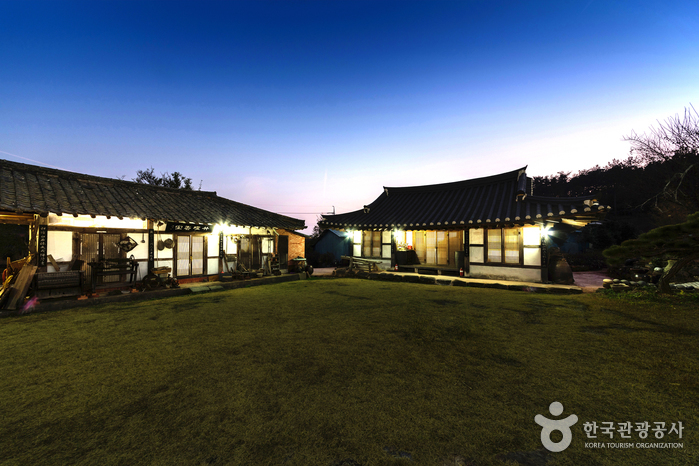
Da hyang so ckuk (다향소축)
15.7Km 2024-12-23
7-5 , Dasanchodang 1-gil, Gangjin-gun, Jeollanam-do
+82-61-432-0360
Dahyang Sochuk, near the Dasan Chodang historic site in Gangjin, Jeollanam-do, is a traditional hanok homestay that feels like a local museum. All rooms are red clay-walled, and have naturally dyed bed linen. Large and small flowers bloom around the house, and in the yard are many strangely-shaped bonsai in pots, creating a refined and relaxing atmosphere. Wild green tea grows locally, so tea ceremonies are often arranged.
 English
 한국어
한국어 日本語
日本語 中文(简体)
 Deutsch
 Français
 Español
 Русский


