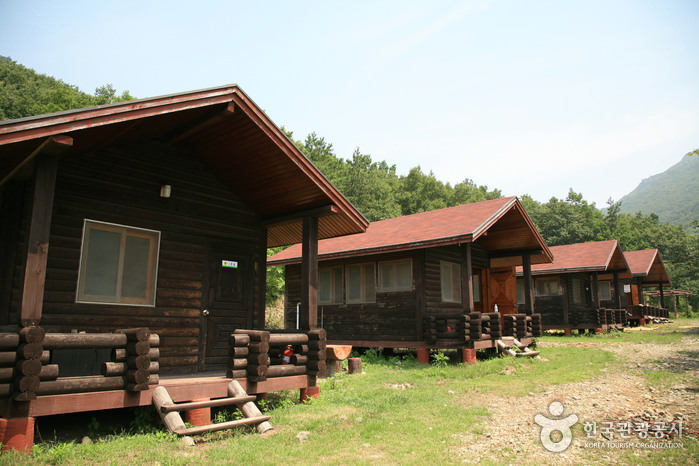
Heukseoksan Recreational Forest (흑석산 자연휴양림)
.0M 2021-01-08
306, Sangol-gil, Haenam-gun, Jeollanam-do
+82-61-535-4812
Located at the base of Heukseoksan Mountain, Heukseoksan Recreational Forest is a recommended vacation spot with forest and valleys as well as beautiful azaleas on display during the azalea festival held every May. There are also nice lakes near the valley. In addition, visitors can enjoy general mountain cottages with special red-clay room, water playground, animal barracks and more.
Wangbeot 165 (왕벚165)
7.5Km 2024-02-20
165 Wangin-ro, Seoho-myeon, Yeongam-gun, Jeollanam-do
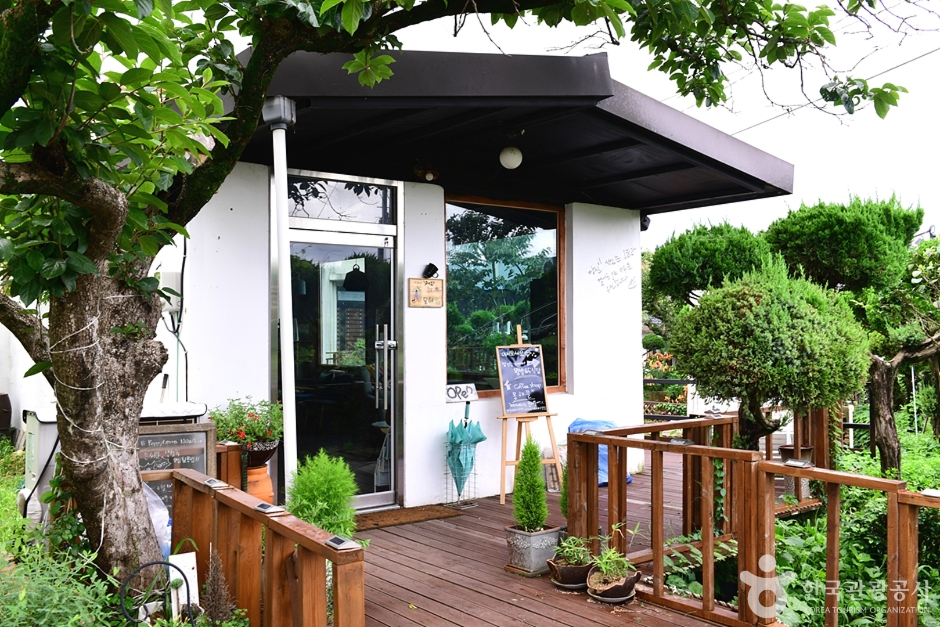
Wangbeot 165 is a locally recommended Korean restaurant that excels in both taste and atmosphere. Its signature dish is dongchunghacho baeksuk (whole chicken soup with cordyceps), a hearty soup made with chicken, dongchunghacho (cordyceps), abalone, octopus, and various medicinal herbs, boiled to perfection. The ambiance of the hanok adds to the dining experience. Located near the site of the Historic Site of Wang In, where cherry blossoms bloom in spring, diners can enjoy their meal amidst the beauty of the blossoms.
Historical Site of Wangin (왕인박사 유적지)
9.4Km 2024-01-10
440 Wangin-ro, Yeongam-gun, Jeollanam-do
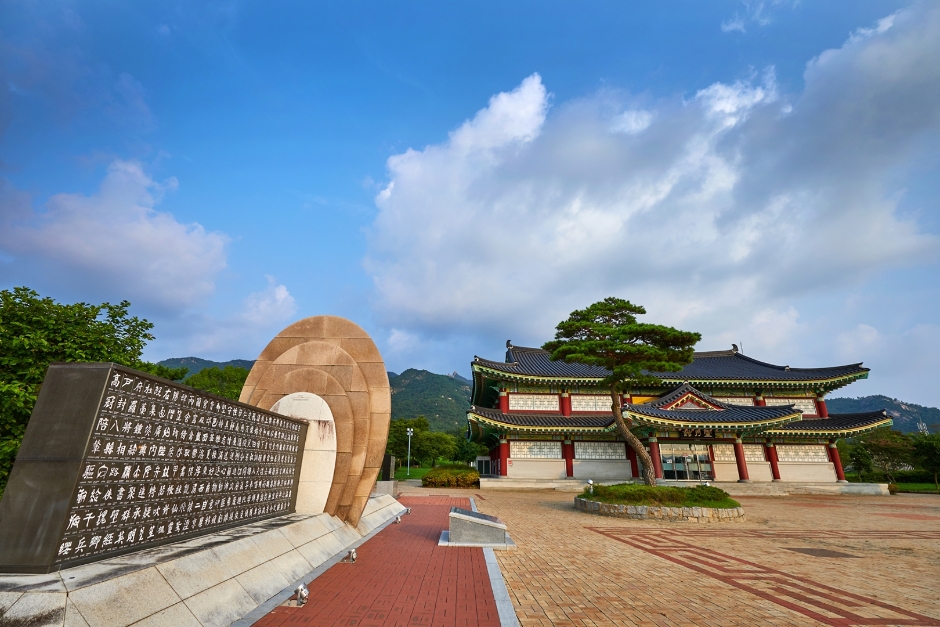
The hometown of Wangin Baksa (Wangin the Great Scholar) is located at the foot of Munpilbong Peak to the east of Gurim Village. Due to Wangin’s importance and contributions to Korean history, this historical attraction is preserved and maintained in honor of his memory and achievements.
Seonggidong is the official birthplace of Wangin (marked by the Yuheobi memorial monument) and is also home to Seongcheon, the well Wangin is believed to have drunk from. Halfway up Wolchulsan Mountain are Chaekgul, Munsanjae and Yangsajae where Wangin is said to have studied as well as nurtured local pupils. To commemorate the significance of these areas, a memorial is held every March at Munsanjae and Yansanjae.
In front of Chaekgul is a statue of Wangin which is said to symbolize his benevolent character. Just west of Seonggidong is Doljeonggogae, a hill from which it is believed Wangin made a sorrowful look back at his countrymen before leaving for Japan.
Wangin departed for Japan from Sangdaepo, which at the time was an international trading port. The renowned Baekje scholar was beginning his journey at the request of Japanese Emperor Eungshin. He took with him ten books on the Analects of Confucius and a book of Cheonjamun, a text of one thousand Chinese characters. Over time, he earned the trust of the emperor and became instructor to the crown prince. Wangin is well-known for his part in the development of Japanese culture and his name appears often in Japanese history. Wangin educated beyond textbooks and made great contributions to the development of arts, crafts and music and is revered as the originator of Japan’s Asuka culture.
This historic site was originally reconstructed from 1985 to 1987 and is continually receiving improvements to improve accessibility for visitors.
Yeongam Wangin Culture Festival (영암왕인문화축제)
9.6Km 2025-07-11
440 Wangin-ro, Yeongam-gun, Jeollanam-do
+82-61-470-2347
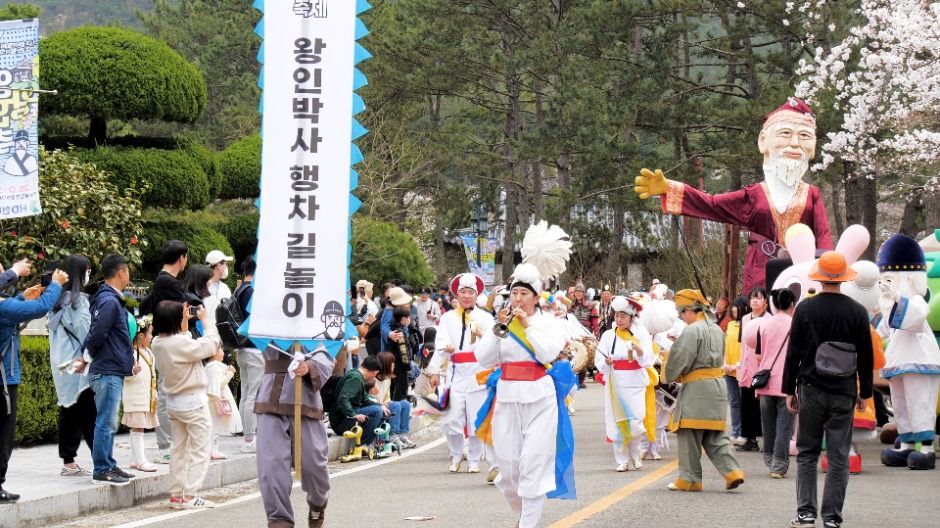
The Yeongam Wangin Culture Festival is a local event held to honor the birth of the Baekje scholar Wangin and his achievements. The festival’s main event is the parade. With the dance troupe leading the procession, the Pungmul troupe and Yeongam-gun residents follow in the dance, playing musical instruments and waving flags. The parade takes visitors to historical sites where traces of the scholar remain. The festival reinterprets Wangin’s humanistic values through modern perspectives, featuring major content utilizing letters and typography. It also highlights the craftsmen (ceramics, tile, and Buddhist artisans) who, along with Wangin, influenced the Asuka culture in Japan. The festival is praised for showcasing the social, political, and economic changes in Japan initiated by Wangin’s visit to Japan, making it one of Korea’s prominent humanities festivals.
Yeongam Pottery Museum (영암도기박물관)
9.9Km 2025-01-09
5, Seohojeong-gil, Yeongam-gun, Jeollanam-do
+82-61-470-6851
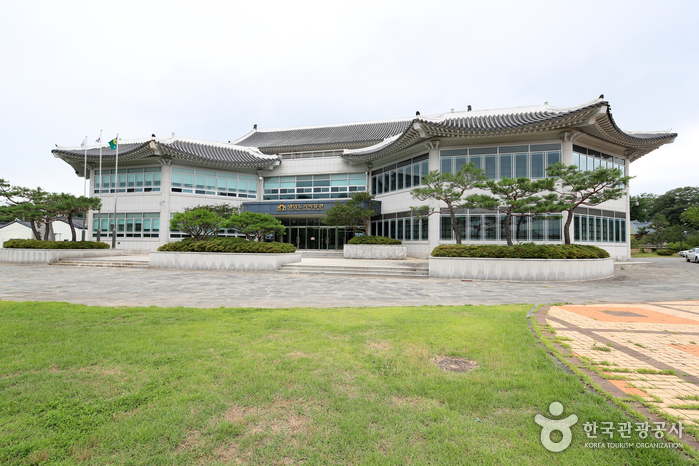
Yeongam Pottery Museum is dedicated to promoting the history of pottery in Korea, starting from the oldest known pottery coming from Gurim Village. Visitors can learn about the history of this art form through exhibitions, educational programs, and hands-on experiences. Locally produced pottery is also available for sale. Nearby attractions include the Wangin Historic Site and Ha Jung-woong Museum of Art.
Dogapsa Temple (도갑사)
9.9Km 2021-12-06
306, Dogapsa-ro, Yeongam-gun, Jeollanam-do
+82-61-473-5122
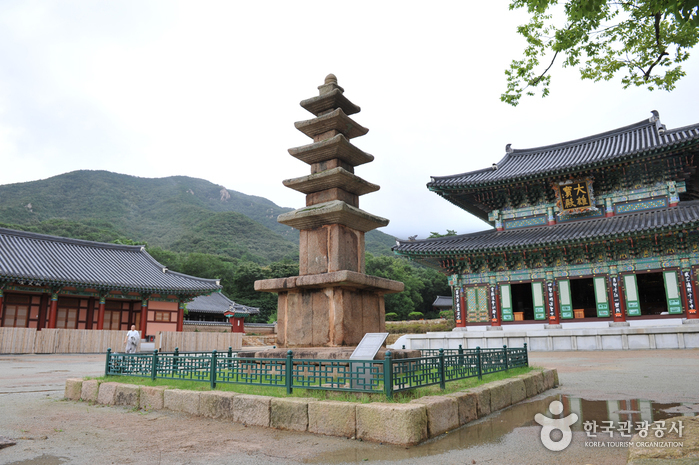
Dogapsa Temple, built during the late Silla period, has a long history and various national treasures. Approximately 100 meters from Iljumun Gate of Dogapsa Temple is Haetalmun Gate (gate of emancipation), built in 1473 with a unique design that is also designated as a National Treasure. Near the gate is Treasure No. 1134, Wooden Child Manjusri and Samantabhadra of Dogapsa Temple. A five-story stone pagoda as well as Stone Seated Buddha (a Treasure) can also be seen at the temple. A large amount of the temple was burnt down during various wars, but the remaining stones show how large the temple once was.
Chadam (차담)
10.0Km 2024-02-20
308 Dogapsa-ro, Gunseo-myeon, Yeongam-gun, Jeollanam-do
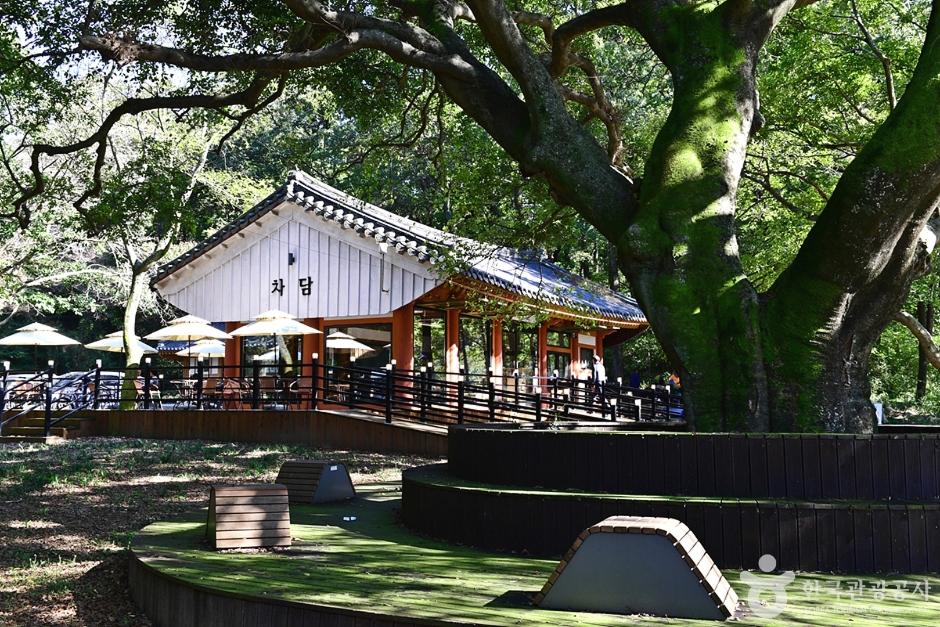
Chadam is a hanok café located at the entrance of Dogapsa Temple in Wolchulsan National Park. Its signature menu item is the insam latte (ginseng latte), made by mixing milk with raw ginseng and honey. Other popular choices include daechu cha (jujube tea), baekhyanggwa ade (passion fruit ade), and patbingsu (shaved ice with red beans). They also sell a dessert called yeonkkulppang (bun with lotus roots, yam, red bean filling), which is unique to temples. Visitors can enjoy healing while observing the majestic Wolchulsan Mountain, which change with the seasons.
Gangjin Dawon Tea Plantation (전남 강진다원)
11.1Km 2021-02-09
93-25, Baegun-ro, Gangjin-gun, Jeollanam-do
+82-61-432-5500
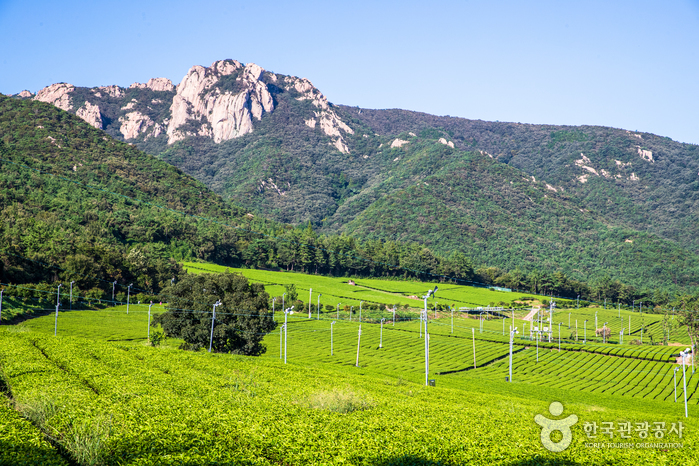
Gangjin Dawon Tea Plantation is located at the southern foot of Wolchulsan Mountain in Jeollanam-do. The area’s big temperature difference between day and night and the frequent thick fog provide ideal conditions for tea cultivation. The tea cultivated at Gangjin Dawon has a strong scent and rarely tastes bitter. Gangjin Dawon is the home of the nation’s first green tea product “Baegunokpancha.” Since 1980, an extensive area of mountainous territory has been cultivated for green tea production to become the more than 80 acres of green tea fields that it is today. As Gangjin Dawon is relatively lesser known than the green tea fields in Boseong, visitors can enjoy a relaxing time surrounded by the vastness of the green tea fields. Nearby attractions include Baengnyeonsa Temple, the Birthplace of Yeongnang, Gangjin Goryeo Cheongja kiln site, and Dasan Chodang, the house where the famous scholar Dasan Jeong Yak-yong (1762-1836) lived during his exile.
Yonggung haemultang (용궁해물탕)
11.5Km 2024-02-20
7 Haengun-gil, Haenam-eup, Haenam-gun, Jeollanam-do
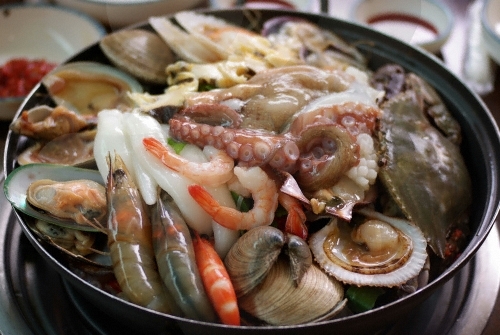
Yonggung haemultang is a Korean restaurant that has maintained its reputation for serving a single haemultang (spicy seafood stew) since its opening. The dish is filled with over 30 varieties of seafood such as thin-legged octopu, blue crab, jumbo conch, jumbo shrimp, oyster, cuttlefish, rockfish, clam, and pen shell, giving the impression of having the entire sea in a pot. The broth, simmered with bean sprouts and water parsley, is hearty and flavorful.
Baegun Teahouse (Lee Han-young Tea Culture Center) (백운차실 (이한영 차문화원))
11.5Km 2024-01-11
107 Baegun-ro, Seongjeon-myeon, Gangjin-gun, Jeollanam-do
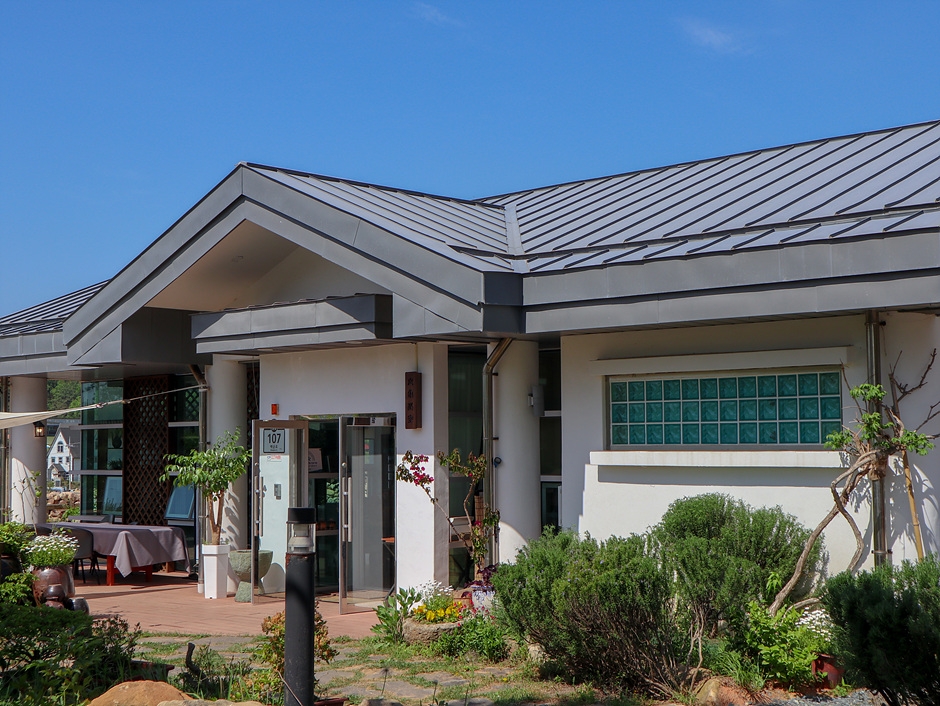
Lee Han-young Tea Culture Center, located in Gangjin, Jeollanam-do, was established to commemorate the achievements of Lee Han-young, who created Baegun Okpan Tea, Korea’s first tea brand. It is also a place that originated from the promise that disciples of Jeong Yak-yong, the greatest scholar of the Joseon period, made when he returned from exile to provide him with the tea they grew for one year and research achievements every year. As seen from his pen name, Dasan, which means a mountain (san) producing abundant tea (da), Jeong Yak-yong is said to have loved tea very much. Visitors can enjoy a tea ceremony experience of different teas consisting of Jakseol Green Tea and Wolsan Black Tea, as well as making their own tea. Visitors can also taste the rice cake tea that Jeong Yak-yong enjoyed.
 English
 한국어
한국어 日本語
日本語 中文(简体)
 Deutsch
 Français
 Español
 Русский


