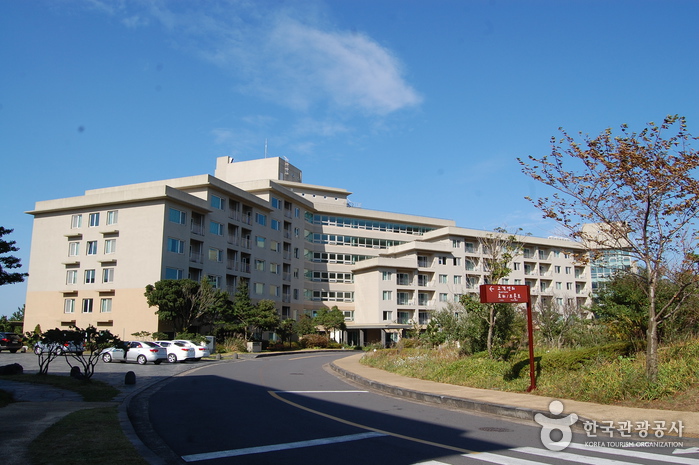
Hanwha Resort Jeju (한화리조트 제주)
14.2Km 2025-03-16
575-107, Myeongnim-ro, Jeju-si, Jeju-do
+82-64-725-9000
Hanwha Hotel & Resort is a leading hospitality leisure company with the highest number of condominiums and golf courses across Korea. Hanwha Resort in Jeju offers a wide range of subsidiary facilities and is located nearby many local attractions.
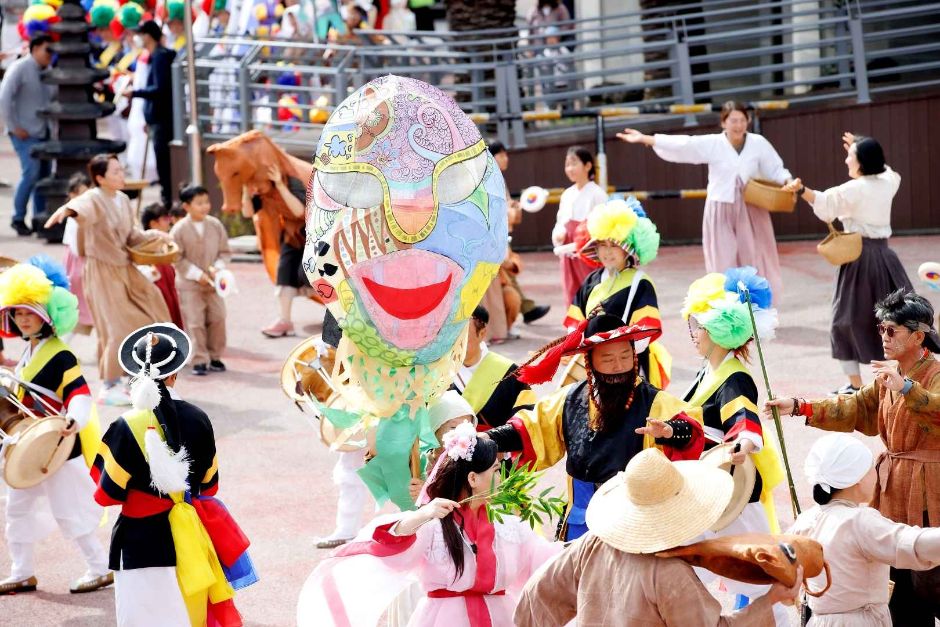
Tamna Culture Festival (탐라문화제)
14.2Km 2025-07-11
2 Jungang-ro, Jeju-si, Jeju-do
+82-64-753-3287
The Tamna Cultural Festival is a celebration of Jeju’s unique cultural heritage, including folklore, mythology, history, and daily life. The festival’s highlight is the 1.7 km street parade with over 1,500 participants, showcasing active community involvement. The event also features high-quality performances that attract many visitors.
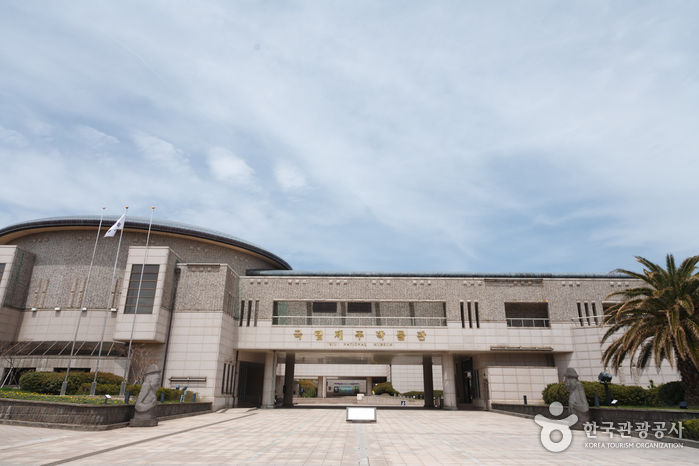
Jeju National Museum (국립제주박물관)
14.2Km 2021-08-06
17, Iljudong-ro, Jeju-si, Jeju-do
+82-64-720-8000
Opened on June 15, 2001, Jeju National Museum is a history museum that displays, preserves and studies Jeju Island’s historical and cultural assets. Jeju National Museum houses various remains excavated from ruins, including meaningful relics from the prehistoric age through to the Joseon dynasty. It boasts unique traditional culture and holds special exhibitions each year.

Gogeunsan Mountain (고근산)
14.3Km 2021-06-14
Gogeunsan-ro, Seogwipo-si, Jeju-do
+82-64-740-6000
Located near Seogwipo-si on Jeju Island, Gogeunsan Mountain (altitude of 396 m, relative x_height of 171 m, a circumference of 4,324 m) is a parasitic cone volcano and an oreum with a shallow crater on the top. Although it is not high in elevation, its expansive presence offers outstanding views overlooking nearby areas including Marado Island and Jigwido Island.
The mountain is also an ideal location to go for an evening stroll to enjoy the nightscape of the sea and Seogwipo Chilsimni.
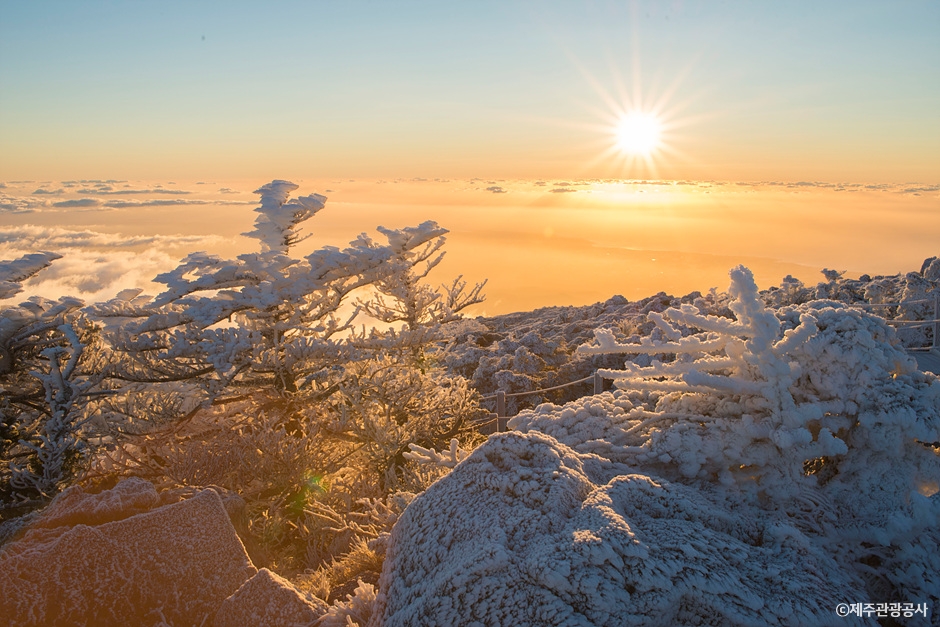
Hallasan Mountain (한라산)
14.6Km 2025-10-31
San 15-1 Topyeong-dong, Seogwipo-si, Jeju-do
Hallasan Mountain stands proudly at the center of Jeju Island and is perhaps the island’s most memorable landmark. Also called Yeongjusan Mountain, meaning "mountain high enough to pull the galaxy," Hallasan Mountain is widely known by scientists for its geological value. Designated as a national park in 1970, there are 368 parasitic cones called "oreum" (Jeju dialect meaning peak) around the main mountain.
Hallasan Mountain is famous for its vertical ecosystem of plants that results from the varying temperatures along the mountainside. Over 1,800 kinds of plants and 4,000 species of animals (3,300 species of insects) have been identified; to explore the mountain's treasures, simply follow one of the well-developed hiking trails.
Gueom Port (구엄포구)
14.6Km 2022-06-09
607-5, Gueom-ri, Jeju-si, Jeju
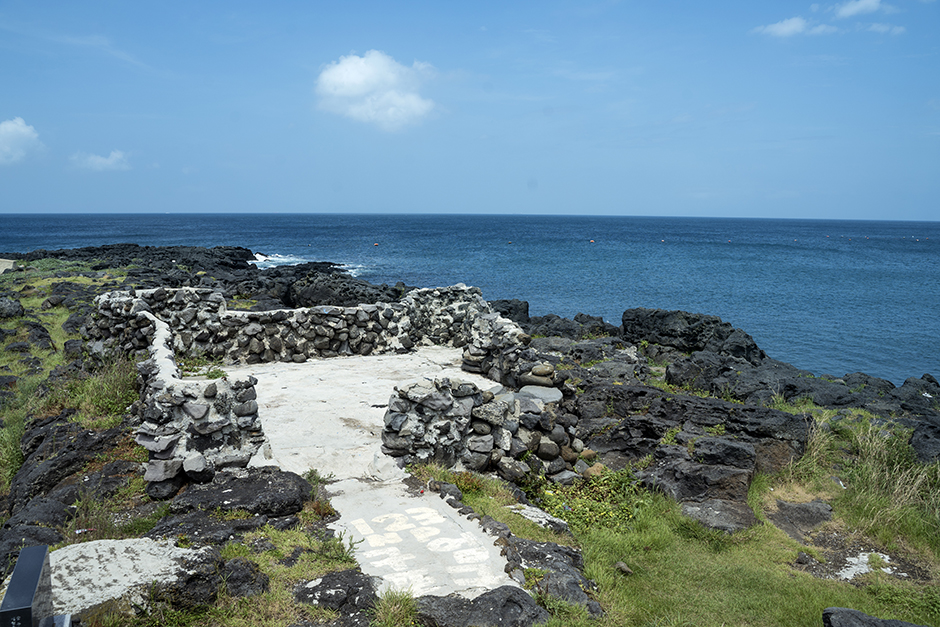
Near Aewol's coastal road, a beautiful sunset spot, there is the small and quaint Gueom Port. Next to the port, there is a rock saltern. This is where salt was produced on top of the basalt. The beautiful coastal road along the rock saltern was designated as a coastal path. There is also a small lighthouse for fishermen returning from sea at night.
Sarabong Peak (사라봉)
14.6Km 2021-05-24
61, Sarabongdong-gil, Jeju-si, Jeju-do
+82-64-728-3602
Situated to the east of Jejuhang Port, Sarabong Peak is the main oreum (volcanic cone) that separates the city from the sea. The peak offers views of the ocean to the north and magnificent Hallasan Mountain to the south. It is recommended to reach the top in the late afternoon to catch the reddish glow of the sunset glittering off the ocean.
5.16 Tree Tunnel (Road 5.16 Forest Tunnel) (5.16도로숲터널)
14.9Km 2024-01-31
267-110 Sillyecheon-ro, Namwon-eup, Seogwipo-si, Jeju-do
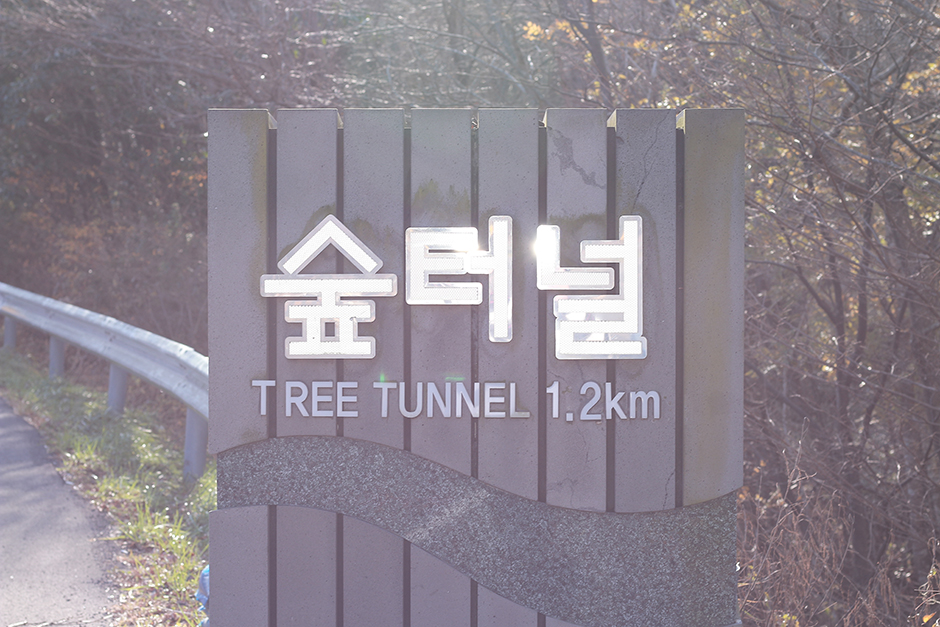
The 5.16 Road is the first national highway of Jeju and connects the cities of Jeju and Seogwipo. Drive the winding road toward Seogwipo to the points about 2.6 to 1.2 kilometers at a distance from Hallasan Seongpanak Rest Area to reach a tree tunnel shaped like an arch made with evergreen trees and deciduous trees. At the northern entrance to the tree tunnel, there is a sign reading, “The road is more beautiful if you drive slowly.” The road here is narrow and has many curves, causing a risk of accidents, so drivers should be careful. Another reason to slow down while driving on this road is to appreciate the surrounding scenery.
Located at the foot of Hallasan Mountain, the road provides various aspects of nature throughout the four seasons. Trees that extend out from both sides of the road and are bent as if embracing the sky provide cool shade in the summer, red leaves in the fall, and dazzling snow scenes in the winter. The 5.16 Tree Tunnel presents picturesque four seasons of Jeju.
Byeoldobong Peak (Beri Oreum) (별도봉(베리오름))
15.0Km 2025-08-18
Seonban-ro, Jeju-si, Jeju-do
+82-64-740-6000
Situated in the east of Hwabuk 1-dong and along the coast, Byeoldobong is a parasitic mountain made of siliciclastic sedimentary rocks and lava. Its northern slope is dominated by steep cliffs where a large rock called Jasalbawi Rock (Suicide Rock) is located. At the bottom of the cliffs are Goraegul Cave (Whale Cave) and an oddly-shaped rock that looks like a mother carrying her child on her back.
Despite being only 136m high, Byeoldobong is home to Jangsu Trail, a walking path that stretches over 1.8km around coastal cliffs, overlooking the ocean. Considered the most pleasant trail on Jeju Island, it offers a spectacular view of numerous peaks, Jeju Port and its nearby villages, and the emerald-blue sea. Naturally, it is a popular tourist destination for family visitors and couples.
Gangjeongcheon Stream (강정천)
15.2Km 2022-08-18
Gangjeong-dong, Seogwipo-si, Jeju-do
+82-64-740-6000
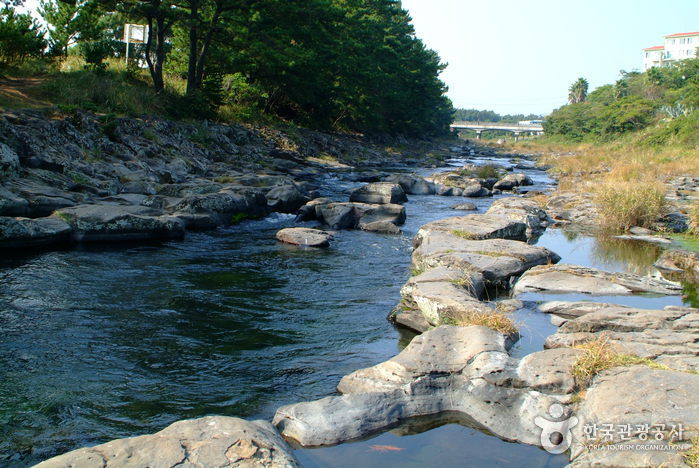
Unlike most streams on Jeju Island that can easily run dry, Gangjeongcheon Stream, located to the east of Gangjeong Village in Seogwipo-si, flows with clear water all year round. The stream stretches 16 kilometers in length and has 7 small ponds, 6 bridges and 13 waterfalls. The old pine trees and uniquely formed rocks and stones on either side of the stream make for great natural sightseeing.
The stream is home to sweetfish and groups of mandarin ducks, which are Natural Monument. During summer, the stream is crowded with vacationers thanks to the clean water and relaxing environment.
 English
 한국어
한국어 日本語
日本語 中文(简体)
 Deutsch
 Français
 Español
 Русский


