
Jeju Oriental Hotel Casino (제주 오리엔탈호텔 카지노)
4.6Km 2024-03-19
47 Tapdong-ro, Jeju-si, Jeju-do
Jeju Oriental Hotel Casino is located at Tapdong Beach, next to the Jeju International Airport. As a casino exclusively for international visitors, it operates around the clock, providing a variety of games, such as blackjack, roulettes, daisai, and baccarat. This ten-story five-star hotel also features various amenities, including restaurants, cafés, a business center, and offers shuttle bus services.
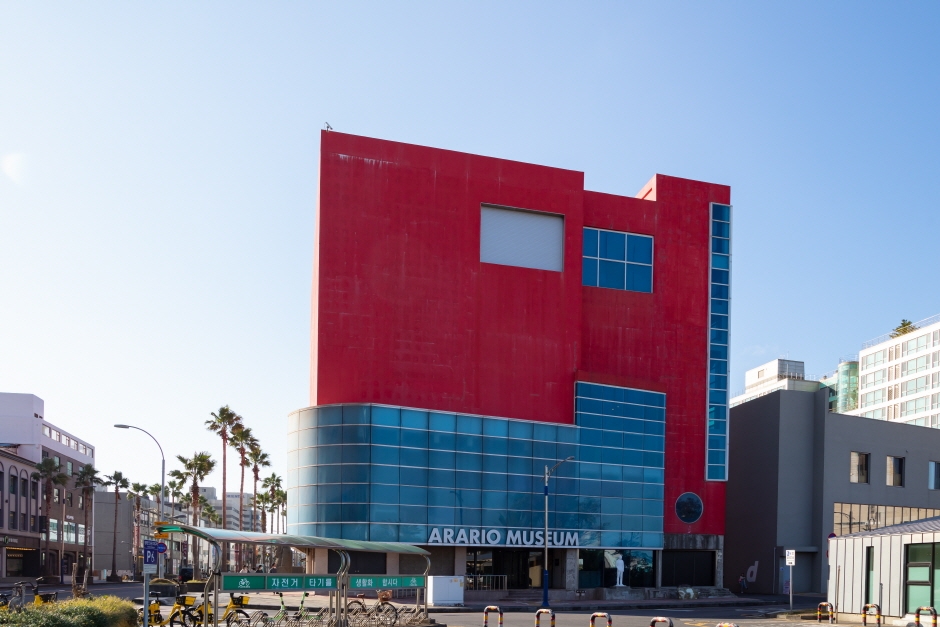
Arario Museum Tapdong Cinema (아라리오 뮤지엄 탑동 시네마)
4.8Km 2023-05-05
14, Tapdong-ro, Jeju-si, Jeju-do
Arario Museum Tapdong Cinema was created by Kim Chang-il, a famous artwork collector in Korea, who reused an abandoned building to make a contemporary art museum. The building did not go through extreme renovation, allowing visitors enjoy the building's original features along with the artworks. The underground floor and four ground floors hold exhibits where visitors can take photographs (flash photography not allowed), and the fifth floor houses a souvenir shop and a cafe where visitors can relax and enjoy panoramic views of the old city center and Tap-dong.

Rolling Brewing (롤링브루잉)
4.8Km 2025-10-30
21-1, Dongmun-ro, Jeju-si, Jeju-do
The espresso bar Lee Hyori fell in love with
If you are a coffee maniac or are looking for a cafe where you can focus on coffee, we recommend Rolling Brewing. Depending on the production area, the roasting that makes use of the characteristics of each specialty coffee bean is very outstanding. In addition to the espresso menu, cold brew, latte, iced tea, and ice cream are also available. The cat walking around the hip store is the mascot of this store. You can also see the autographs that Lee Hyori and Lee Sangsoon left on the book.
Sanjicheon Stream (산지천)
5.1Km 2022-09-26
Geonip-dong, Jeju-si, Jeju-do
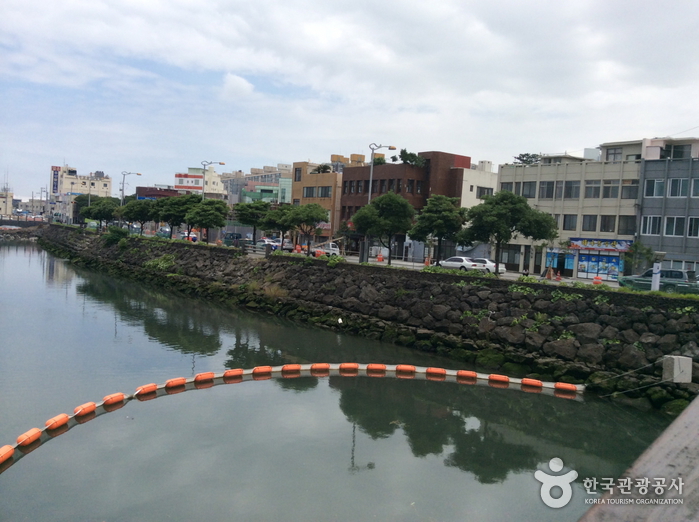
Running across from Dongmun Market in Jeju City, Sanjicheon Stream is home to a rich array of freshwater fish (e.g. sweetfish, gray mullets, Amur goby, and carps). In summer, it attracts hundreds of thousands of anglers as well as children.
The port, downstream from Sanjicheon Stream, is renowned for picturesque views of fishing boats, egrets, and seagulls. A restored Chinese sailing vessel is exhibited at the end of the stream for visitors. Along the stream are walking paths, a park, and music fountains, in which Sanjicheon Art Festival and a slew of cultural events and performances are held every summer and winter, attracting many visitors.

Jeju Holic Museum (제주홀릭뮤지엄)
5.3Km 2024-07-24
2835 Pyeonghwa-ro, Aewol-eup, Jeju-si, Jeju-do
Jeju Holic Museum is located in what used to be a senior care facility that closed down. The museum tells the story of Jeju through five different spaces, using unique and modern ways of storytelling.
Jeju National University Hospital (제주대학교병원)
5.3Km 2025-10-23
15 Aran 13-gil, Jeju-si, Jeju-do
Jeju National University Hospital is the only national university hospital in Jeju Island. We serve as the center of public healthcare in the region through education, research, and diagnosis. We are also contributing to the improvement of healthcare and leading the development of the medical industry. In other words, we are a pivotal institution responsible for the island's healthcare.
We are committed to achieving both quantitative and qualitative growth as a leading smart hospital. For example, we are attracting various specialized centers, introducing state-of-the-art equipment, recruiting excellent medical staff, and building a future medical information system.
In addition, Jeju Island has a beautiful natural environment and many places to see, so patients can freely enjoy sightseeing after receiving treatment.
Jeju National Museum (국립제주박물관)
6.2Km 2021-08-06
17, Iljudong-ro, Jeju-si, Jeju-do
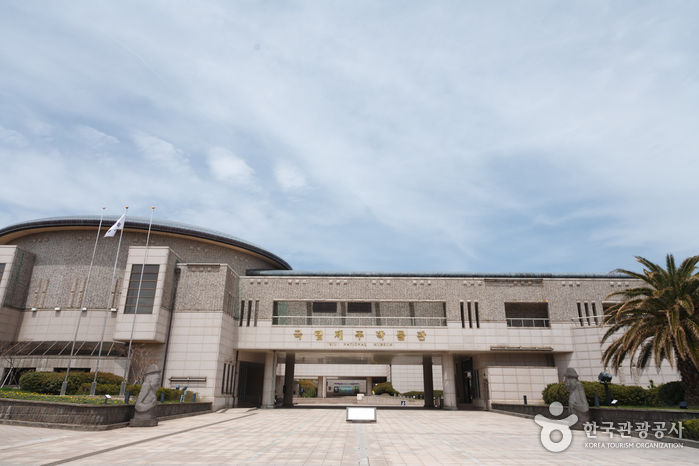
Opened on June 15, 2001, Jeju National Museum is a history museum that displays, preserves and studies Jeju Island’s historical and cultural assets. Jeju National Museum houses various remains excavated from ruins, including meaningful relics from the prehistoric age through to the Joseon dynasty. It boasts unique traditional culture and holds special exhibitions each year.
Byeoldobong Peak (Beri Oreum) (별도봉(베리오름))
6.8Km 2025-08-18
Seonban-ro, Jeju-si, Jeju-do
Situated in the east of Hwabuk 1-dong and along the coast, Byeoldobong is a parasitic mountain made of siliciclastic sedimentary rocks and lava. Its northern slope is dominated by steep cliffs where a large rock called Jasalbawi Rock (Suicide Rock) is located. At the bottom of the cliffs are Goraegul Cave (Whale Cave) and an oddly-shaped rock that looks like a mother carrying her child on her back.
Despite being only 136m high, Byeoldobong is home to Jangsu Trail, a walking path that stretches over 1.8km around coastal cliffs, overlooking the ocean. Considered the most pleasant trail on Jeju Island, it offers a spectacular view of numerous peaks, Jeju Port and its nearby villages, and the emerald-blue sea. Naturally, it is a popular tourist destination for family visitors and couples.
Jeju Starlight World Park and Planetarium (제주별빛누리공원)
6.9Km 2025-08-08
60 Seondolmokdong-gil, Jeju-si, Jeju-do
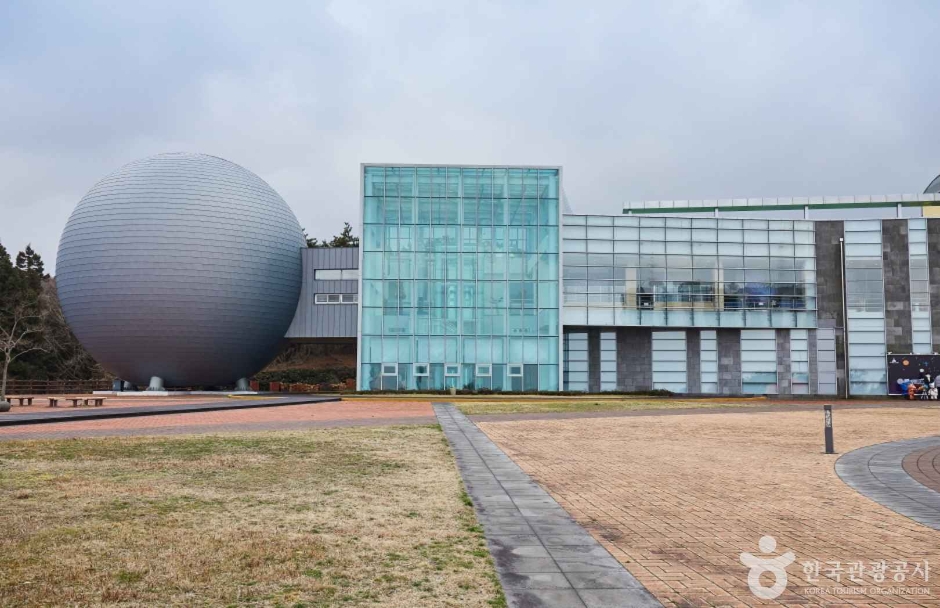
Jeju Starlight World Park and Planetarium is an astronomical theme park offering the opportunity to observe realistic images of the universe through its 4D theater and planetarium. The park has various exhbitions related to the solar system and interactive activities. On a clear night, visitors can observe of distant planets and star clusters using astronomical telescopes at the observatory. Even when the observatory is closed, the planetarium's location at the rural hilltop allows visitors to enjoy stargazing and the view of downtown's city lights.
Historic Site of Anti-Mongolian Struggle in Hangpadu-ri, Jeju (제주 항파두리 항몽 유적)
8.0Km 2022-08-18
50, Hangpaduri-ro, Jeju-si, Jeju-do
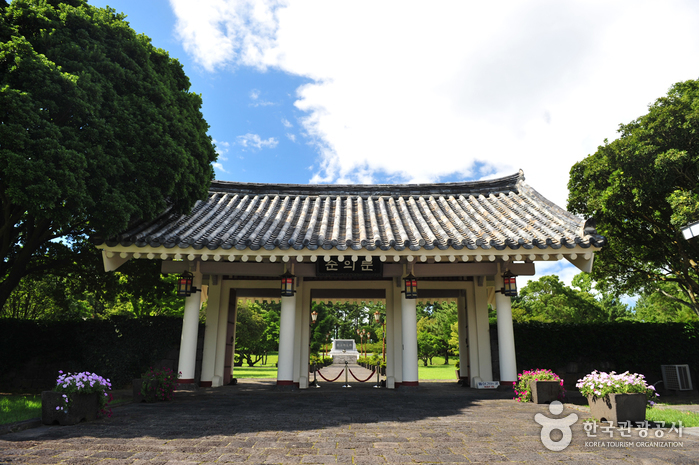
Historic Site of Anti-Mongolian Struggle in Hangpadu-ri is where the Sambyeolcho military unit of the Goryeo dynasty resisted the invasion of Mongolia until the last possible moment. The site houses an
exhibition hall, a monument, and a unique mud fortress. Nearby is Jangsumul Spring (Jangsu means general) which flowed from the footprints of General Kim Tong-jeong. Today, water from the spring
cannot be used as drinking water.
Sambyeolcho was a military unit of the Goryeo dynasty. When the Goryeo dynasty made peace with the Mongolian forces in February 1270 (the 11th year of King Wonjong), the Sambyeolcho special defense unit opposed it and launched a resistance movement. They moved their base to Jindo in Jeollanam-do, but after suffering a huge defeat, they moved to Jeju-do and built Hangpaduseong Fortress. They continued to fight against the Mongolian forces for two more years there. However, all the members were killed in April 1273 (the 14th year of King Wonjong).
This independent anti-Mongolian movement was born out the deeply patriotic belief in the need to safeguard the nation from foreign invasion. In 1977, the government invested 745 million won to restore part of the fortress and build a monument in commemoration of those who died in the war. The work was completed in June 1978.
 English
 한국어
한국어 日本語
日本語 中文(简体)
 Deutsch
 Français
 Español
 Русский


