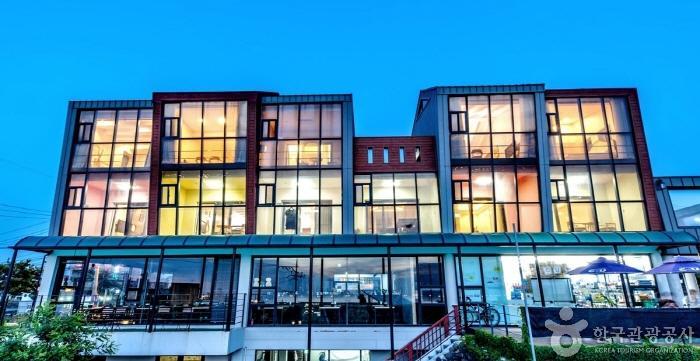
Starry Night Jeju (스테리나잇 제주)
15.3Km 2024-12-13
37 , Aewol-ro, Jeju-si, Jeju-do
+82-10-2419-0578
Located in Aewol, Jeju Island, Starry Night offers sea views from all rooms overlooking Handam Beach. There are restaurants and convenience stores on the first floor, and there are rooms on the second and third floors. There are nine guest rooms divided into Basic rooms for two people, Classic rooms for two to four people, and Suite rooms for four to eight people. All rooms are equipped with a kitchen. The view of Jeju's blue sea through the window wall is the greatest charm of this place. Nearby tourist attractions include Gwakji Gwamul Beach and Aewol Cafe Street.

Handam Coastal Trail (한담해안산책로)
15.5Km 2024-04-01
Gwakji-ri, Jeju-si, Jeju-do
Handam Coastal Trail, also known as the Gwakgeum Olle Trail, is established along the shore from Aewol Port to Gwakjigwamul Beach. It beautifully harmonizes with the surrounding landscape. The trail runs 1.2 kilometers and visitors can walk on this coastal trail as waves crash right next to them. It is one of the "hidden gems of Jeju city" selected by the city in 2009 when 31 famous spots in Jeju-si other than the existing tourist attractions were chosen and announced. Uniquely-shaped rocks made by cooled and hardened lava grab the attention of passersby, and the trail that continuously winds along the beach featuring black rocks adds an element of excitement. Another appealing point is that it is a great place to watch the beautiful sunset as it is located on the west side of Jeju Island.
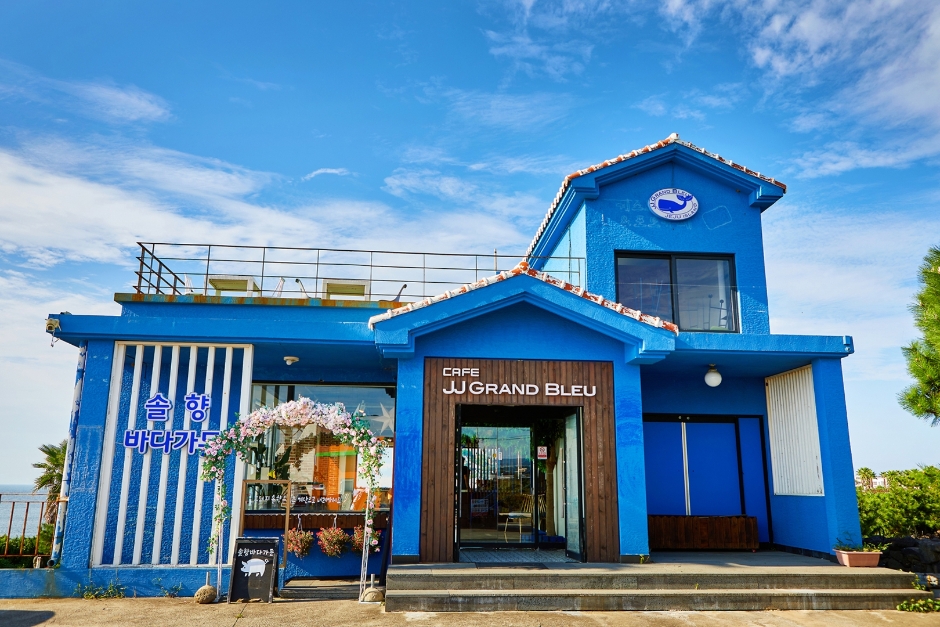
Solhyang Bada Garden Aewol (솔향바다가든 애월)
15.7Km 2024-04-01
6113 Iljuseo-ro, Aewol-eup, Jeju-si, Jeju-do
Solhyang Bada Garden Aewol is a restaurant where visitors can eat black pork, Jeju's proudest specialty. Black pork has a chewier texture than regular pork, so travelers to Jeju should at least try it. The place is in the middle of the Janghanchul Trail, allowing one to enjoy the ocean view while enjoying the meal. The restaurant serves fresh black pork belly and neck from pigs raised in the clean and green environment of Jeju. There are also many side dishes that can be enjoyed with meat, including abalone and seafood hot pot, and kimchi jjigae with black pork slices. The restaurant allows pets.
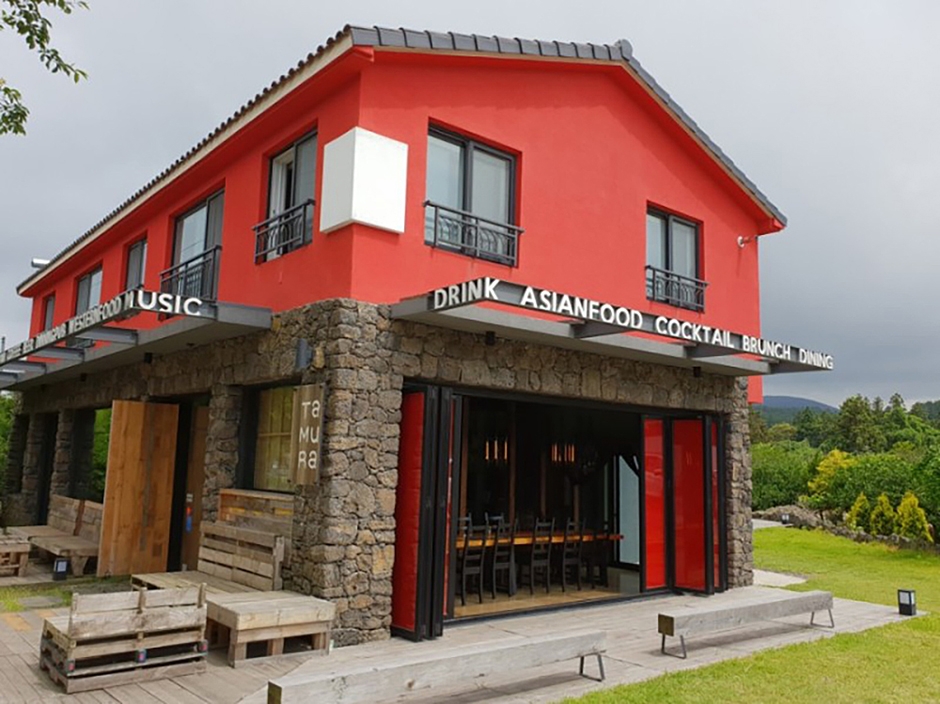
Tamura (타무라)
15.7Km 2025-10-29
670 Jungsangandong-ro, Jocheon-eup, Jeju-si, Jeju-do
Tamura is a Thai restaurant on the eastern side of Jeju Island, offering recreations of popular Thai dishes, including tom yum goong, pad thai, and pu phat pong curry. The restaurant became even more popular after it was visited by singer IU.
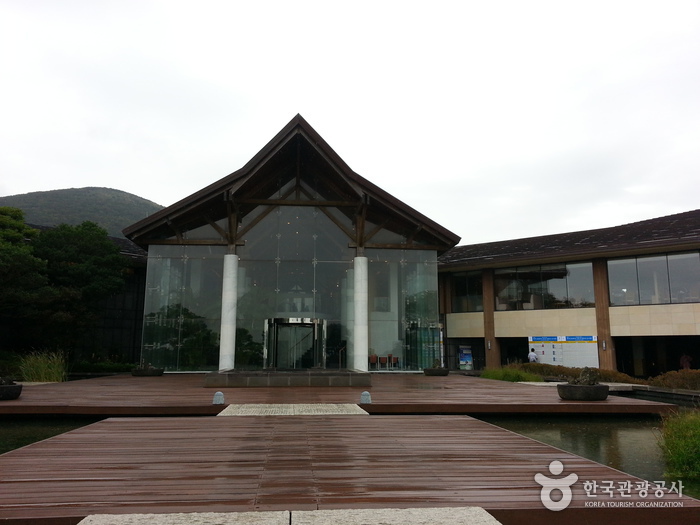
Elysian Jeju Country Club (엘리시안 골프 제주)
15.7Km 2022-12-26
1738-116, Pyeonghwa-ro, Jeju-si, Jeju-do
+82-64-798-7001
Located in Aweol-eup on Jeju Island, Elysian Jeju Country Club is a prestigious golf course well known by Korea’s golf aficionados. Not just an ideal place to enjoy a round of golf, the country club also has space that can be booked for business seminars and other events. In addition, the country club provides lodging facilities, a driving range, swimming pool, and spa services to guarantee their guests a perfect vacation.
Arte Museum Jeju (아르떼뮤지엄 제주)
15.7Km 2025-12-15
478 Eorimbi-ro, Jeju-si, Jeju-do
Arte Museum is the nation's largest immersive media art exhibition presented by world-class digital design company d'strict, which is also famous for the “WAVE” at Coex. The museum displays ten of the most colorful media art exhibits created by lights and sounds on a grand floor space of 4,628 square meters with a maximum x_height of 10 meters which had once been used as a speaker manufacturing factory.
Gyorae Natural Recreation Forest (교래자연휴양림)
16.1Km 2025-09-16
2023, Namjo-ro, Jocheon-eup, Jeju-si, Jeju-do
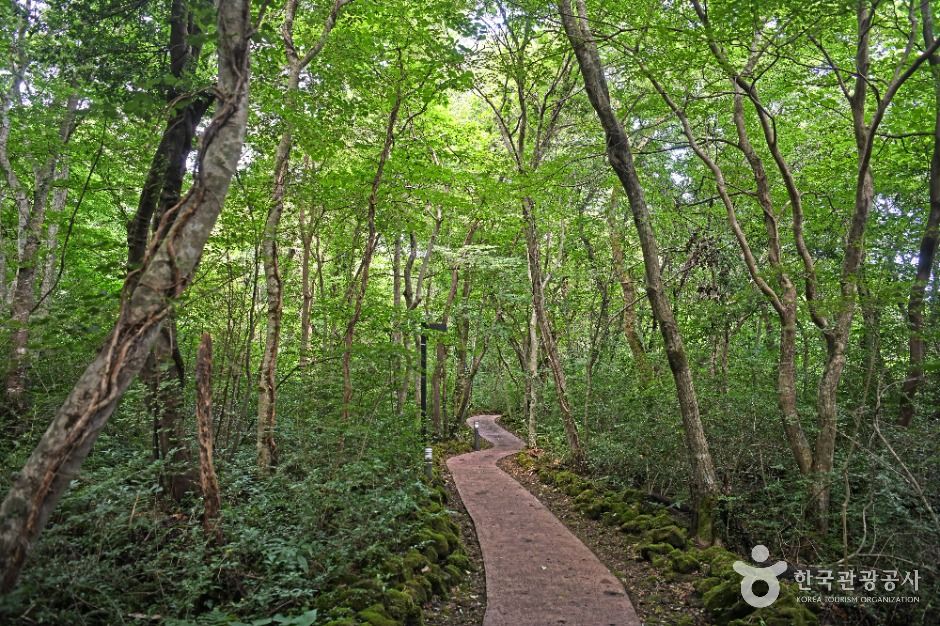
Gyorae Natural Recreation Forest, located in Jeju’s Gotjawal region, is a forest park divided into four zones. The recreation zone features forest thatched cottages and an outdoor performance venue. The camping zone includes campgrounds, an outdoor stage, and a futsal field. The ecological experience zone offers opportunities to observe the Gotjawal ecosystem. The forest bathing zone has a 3.5-km Oreum trail leading to Keunjigeuri Oreum. The forest is recognized as healing and relaxation space for people to unwind and find relief from the stresses of daily life.
Jeju Stone Park (제주돌문화공원)
16.1Km 2025-10-23
2023 Namjo-ro, Jocheon-eup, Jeju-si, Jeju-do
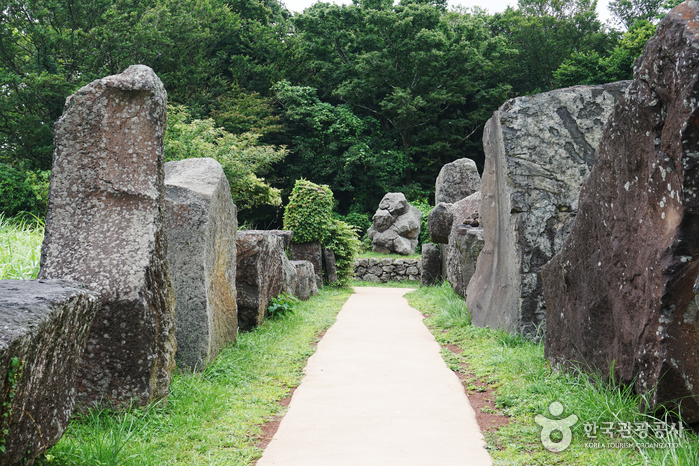
Located in Jocheon-eup, Jeju-si, Jeju Stone Park was inspired by Jeju's culture and applications of stones. The main theme focuses on the foundation and identity of Jeju Island, based on the myth of Seolmundae Halmang (Grandmother Seolmundae), who created Jeju Island and the stones of Obaek Janggun (Five Hundred Generals). The park serves as a historical and cultural space where collected stones respresent Jeju's foundation and culture.
Jeju Best Hill (제주베스트힐)
16.1Km 2024-03-20
2109-36 Namjo-ro, Jocheon-eup, Jeju-si, Jeju-do
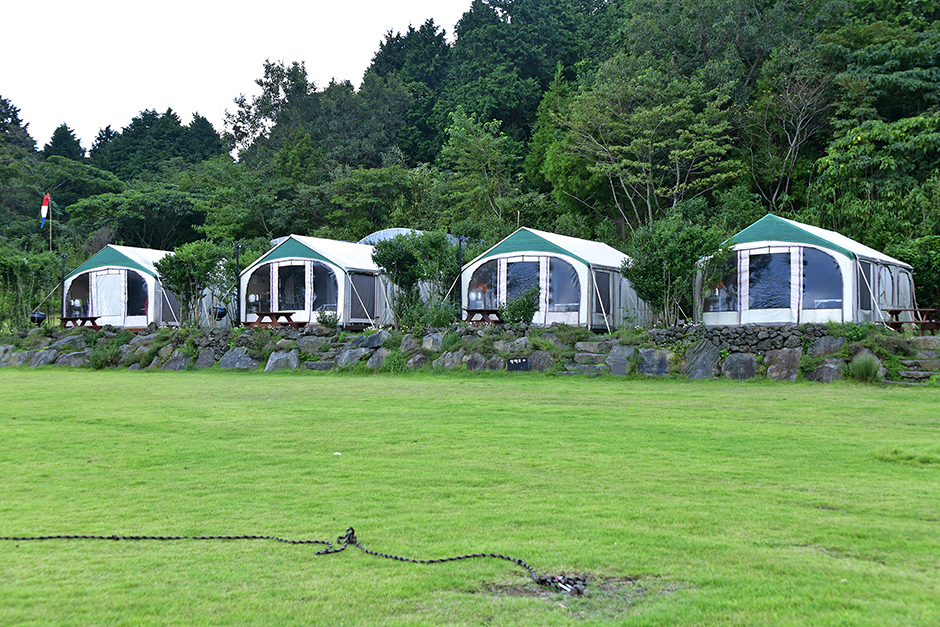
Best Hill is a campground at Namjo-ro, Jeju, at the foot of Banongoreum Parasitic Cone, surrounded by Gotjawal, a jungle-like forest featuring ferns growing on stone-rich land. It is located about 20 to 30 minutes from Jeju International Airport, so it is a good base camp for the surrounding tourist sites as well. Onsite facilities include the pension itself, glamping campground, drone game range, 3D experience, and hot air balloon experience. The pension features a variety of room arrangements, from Camellia to Herb, Meditation, Family, and Experience Rooms, for groups of all sizes. The glamping campground has private bathrooms attached to each tent for convenience. The hot air balloon experience allows riders to take part in the take-off and landing processes. There's a large grassy playground for kids and a covered swimming pool in the summer for hours of fun. Nearby sights include Eco Land Theme Park, Jeju Stone Park, Hamdeok Beach, and Saryeoni Forest Trail.
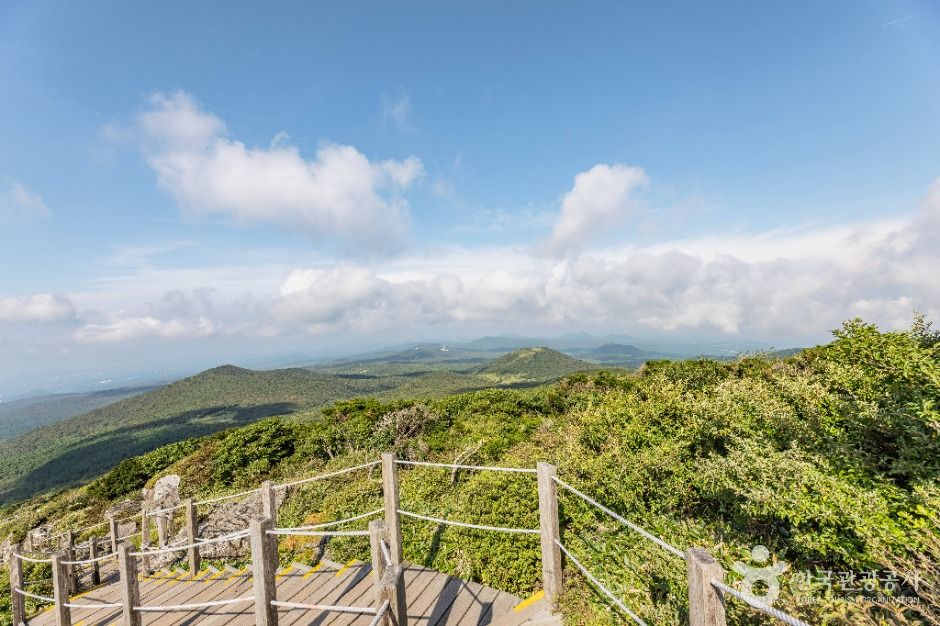
Yeongsil Trail (Hallasan National Park) (한라산 영실)
16.3Km 2025-10-31
246 Yeongsil-ro, Seogwipo-si, Jeju-do
+82-64-713-9950
Yeongsil Trail is renowned as the shortest yet the best trail for its beautiful scenery among those of Hallasan Mountain. It is 5.8 kilometers and takes approximately 2 hour and 30 minutes to get to the destination. Starting from Yeongsil Rest Area, an uphill path emerges along steep mountain ridges to reach the Nambyeok Watershed. With its steep and flat parts, the hike is easy enough for children. It's a wonderful way to appreciate the lush forest and beautiful scenery.
 English
 한국어
한국어 日本語
日本語 中文(简体)
 Deutsch
 Français
 Español
 Русский


