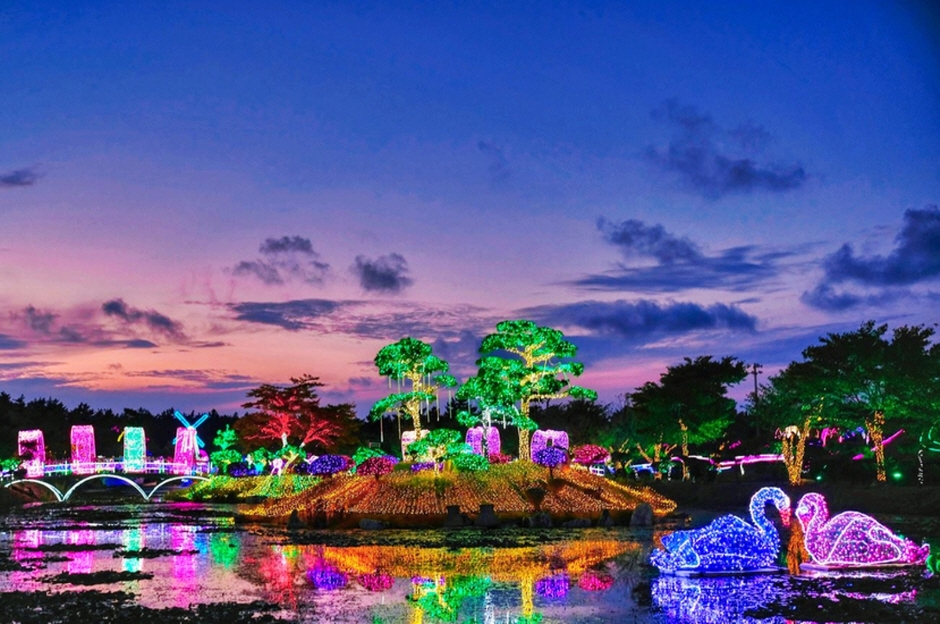
Taean Lighting Festival (태안 빛축제)
16.7Km 2025-07-22
200 Mageompo-gil, Nam-myeon, Taean-gun, Chungcheongnam-do
+82-41-675-9200
Taean Lighting Festival takes place every day of the year, lighting up the evening. The festival first began as a humble idea by the local farmers, and now, it one of Taean's most fabulous attractions, bringing the night alive all year round with glamorous LED lights.
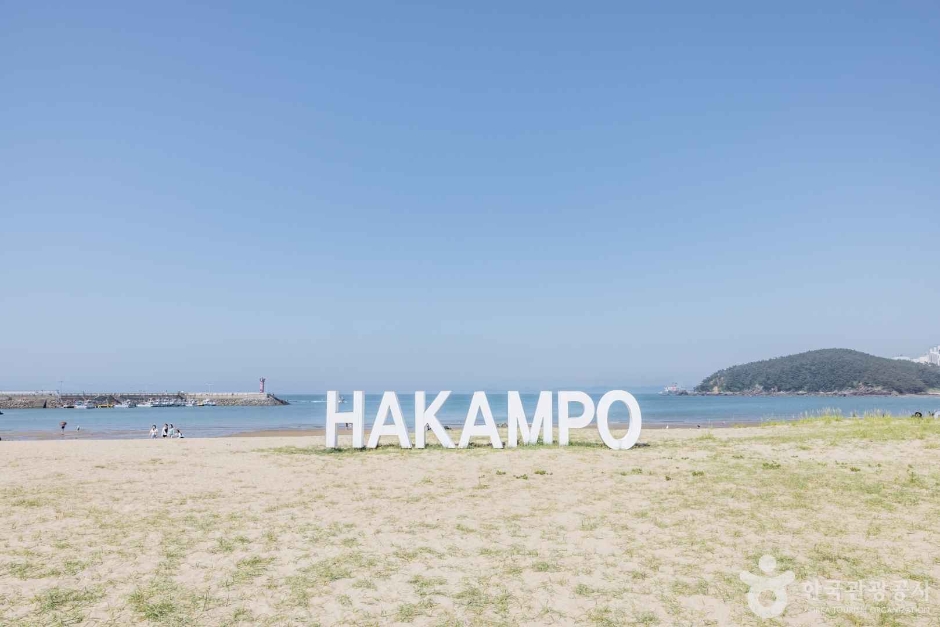
Hakampo Beach (학암포해수욕장)
16.9Km 2025-10-23
1163-27 Okpa-ro, Wonbuk-myeon, Taean-gun, Chungcheongnam-do
A beach adorned with vast fine sand and beautiful rock formations. The name "Hakampo" was given because the rock that appear during low tide resemble a crane. It's where Jang Yeo-hee and Lee Rang from "Tale of the Nine Tailed 1938" shared joyous moments.
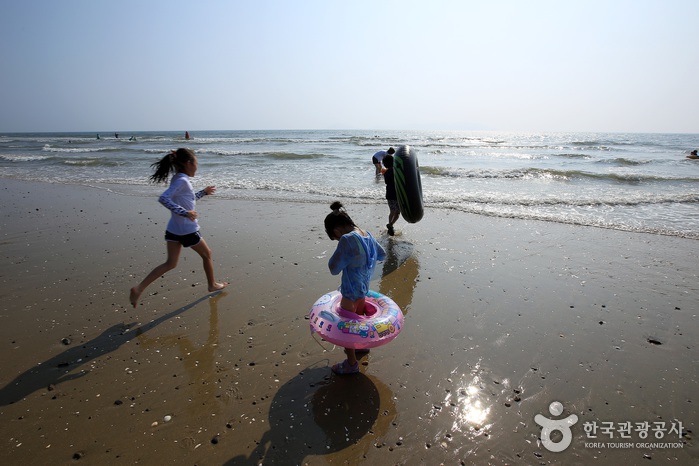
Mageompo Beach (마검포해수욕장)
17.0Km 2021-07-01
Sinon-ri, Taean-gun, Chungcheongnam-do
Mageompo Beach in Nam-myeon, Taean-gun is located right before the bridge that leads to Anmyeondo Island. As the beach is not widely popular among tourists, one can spend a quiet and tranquil vacation here. Near the beach is a dense pine tree forest where one can enjoy camping. The white sand and shallow waters also make it a good place for kids to swim. In the evening, the beach is a great spot to watch the breathtaking sunset.
This beach is famous for silchi-hoe, a dish consisting of freshly sliced raw fish. The ocean near the beach is one of the biggest natural sources of fresh seafood such as anchovy, sand eel and short arm octopus.
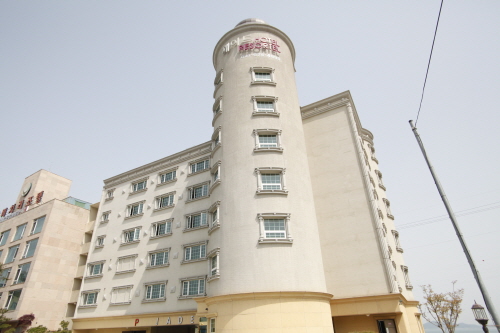
Jade Resortel (제이드리조텔)
17.2Km 2025-01-07
69, Sinjindo-gil, Geunheung-myeon, Taean-gun, Chungcheongnam-do
Jade Resortel is located in Anheung Port, Taean-gun, Chungcheongnam-do, which is packed with peaceful and tranquil places. As the hotel is surrounded by beautiful scenery and the sea, guests can enjoy a tidal flat and fishing experiences, swimming at the beach, and a sightseeing cruise around the nearby islands. The hotel’s view of the sunset over the western coast is sure to be an unforgettable moment for guests. Taean’s seasonal food items include webfoot octopus and blue crabs in spring; long-legged octopus and carp in summer; jumbo shrimp and gizzard shads in autumn; and cubed snailfish soup and fresh oysters in winter.

Anmyondo Jurassic Museum (안면도 쥬라기박물관)
17.5Km 2024-02-26
37-20 Gomseom-ro, Nam-myeon, Taean-gun, Chungcheongnam-do
The Anmyondo Jurassic Museum is a natural history museum boasting Korea's largest collection of dinosaur fossils. Its collection features dinosaur specimens such as Diplodocus and Tyrannosaurus, along with dinosaur eggs, sourced from the United States and Argentina. Nearby attractions include Anmyondo Jurassic Park, a meteorological observatory, and various accommodations such as pensions.
Byulgung (별궁)
19.3Km 2024-12-13
2492 , Woni-ro, Taean-gun, Chungcheongnam-do
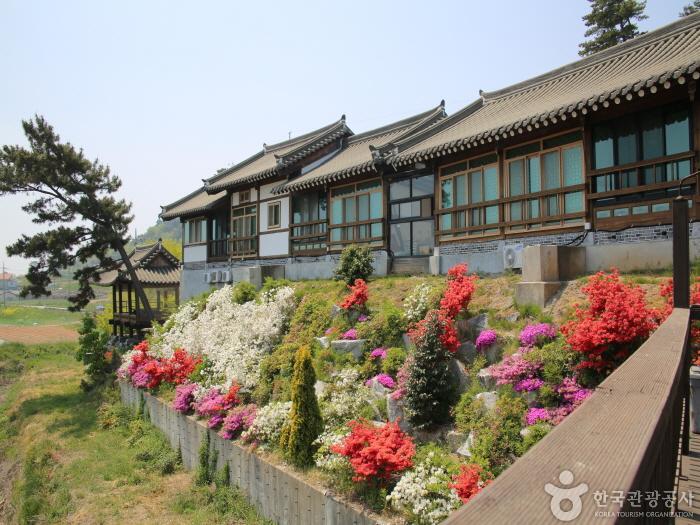
Byulgung is a large hanok pension complex located in Chungcheongnam-do, northeast of Taean, whose long row of tiled roofs resemble a royal palace or a location used to film Korean dramas. There are 12 guest rooms, ranging from two-person rooms to group rooms. Most of them are ondol (underfloor heated) types, but some are bedroom types. There are also some rooms with a two-story structure or terrace. Bathrooms and kitchens are located indoors, making them convenient for guests. Additional facilities include an outdoor swimming pool, outdoor barbecue area, and a Modamjeong (pavilion), and you may also enjoy mudflat activities at the private beach located just in front of the pension.
Birth Home of Queen Jeongsun (정순왕후생가)
19.8Km 2024-02-22
39 Handari-gil, Eumam-myeon, Seosan-si, Chungcheongnam-do
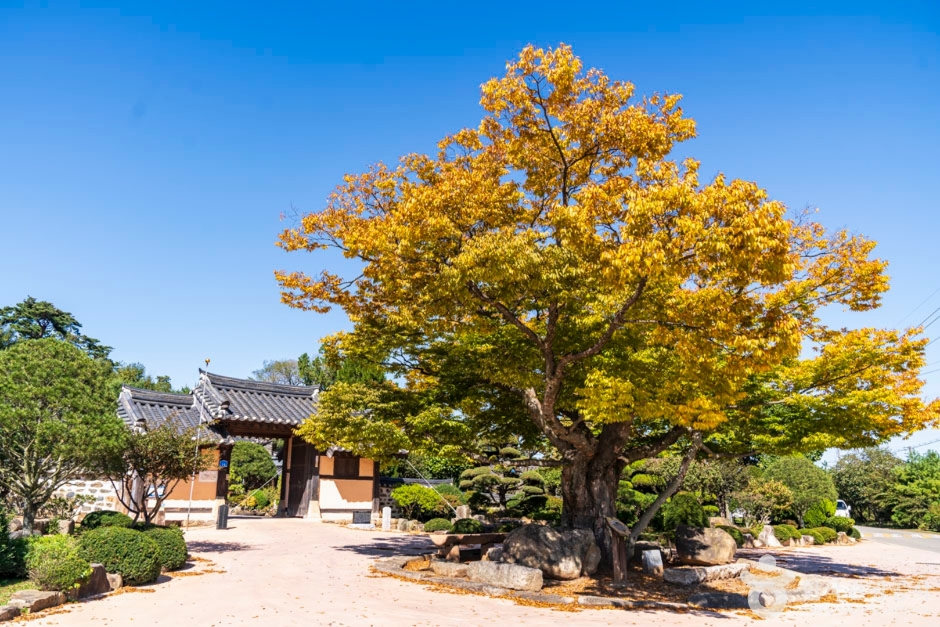
Birth Home of Queen Jeongsun is the house where Queen Jeongsun (1745-1805), the queen consort of King Yeongjo (1694-1776), the 21st monarch of the Joseon dynasty (1392-1897), lived until she became queen in 1759. It is estimated to have been built in the 17th century and features the architectural characteristics of hanok, with its distinctive "ㅁ" shape and tiled roof.
 English
 한국어
한국어 日本語
日本語 中文(简体)
 Deutsch
 Français
 Español
 Русский


