
The Cliff (더클리프)
13.1Km 2025-10-27
154-17 Jungmun Gwangwang-ro, Seogwipo-si, Jeju-do
The Cliff, nestled within the Pacific Land of the Jungmun Tourist Complex on Jeju Island, serves as both a café and pub. Spanning three levels, the establishment features a diner on the first floor, a pub on the second, and a private party space on the third. It's celebrated for offering stunning views of the Jeju Sea. By day, it operates as a café, transitioning into a pub come evening. The Cliff Pizza, adorned with abalone and seafood, stands out as the signature dish. Another favorite among patrons is the Hyunmuam chicken (squid ink butter chicken), a creative dish inspired by Jeju's unique natural landscape.
Dochidol Ranch (도치돌 알파카목장)
13.4Km 2024-07-22
293 Dochidol-gil, Aewol-eup, Jeju-si, Jeju-do
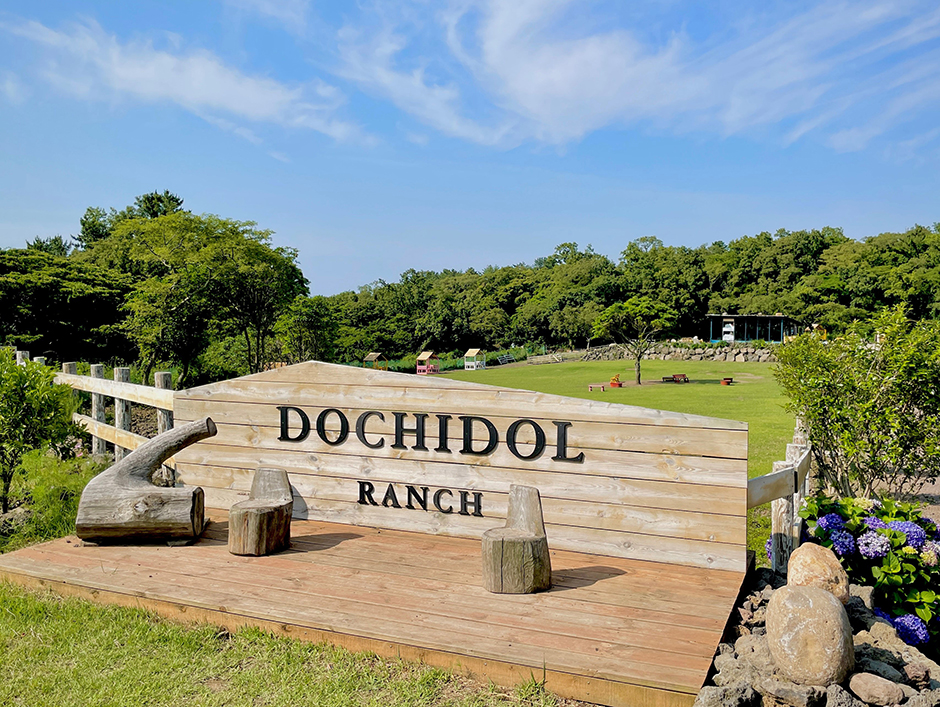
Dochidol Ranch is where one can see alpacas roam freely in an open field admist Jeju's clean air. In addition to watching and interacting with alpacas, visitors can also see other ranch animals like rabbits, ponies, sheep, and goats. The ranch also has several walking paths adorned with seasonal flowers, plants, and trees. It is the perfect place to enjoy Jeju's nature-friendly atmosphere and take photos of adorable animals.
Dochidol Ranch (도치돌목장)
13.4Km 2024-10-31
303 Dochidol-gil, Aewol-eup, Jeju-si, Jeju-do
Dochidol Ranch is home to many cute and lovely animals, including alpacas. Visitors can enjoy feeding the animals and walking around their nature-filled home for an unforgetable experience.
Jungmun 5-day Market (중문향토오일시장)
13.4Km 2025-12-18
12 Cheonjeyeon-ro 188beon-gil, Seogwipo-si, Jeju-do
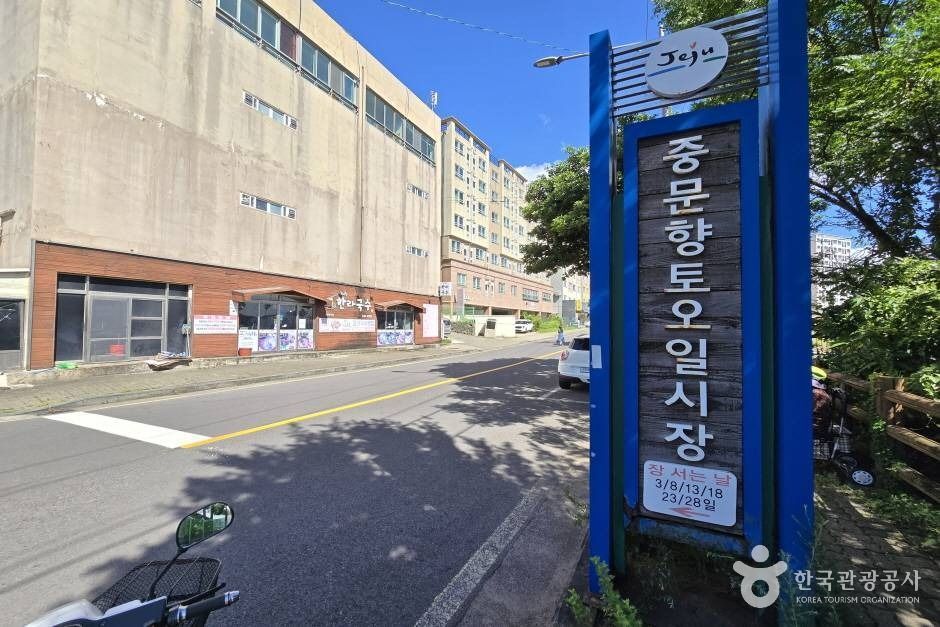
Jungmun 5-day Market, officially opened in 1965, mainly sells locally grown agricultural products and seafood. Held every five days, the market is largely frequented by local residents. Its atmosphere allows visitors to experience the charm and simplicity of a small-town market and local life.
Jeju International Peace Center (제주국제평화센터)
13.6Km 2021-07-09
227-24, Jungmungwangwang-ro, Seogwipo-si, Jeju-do
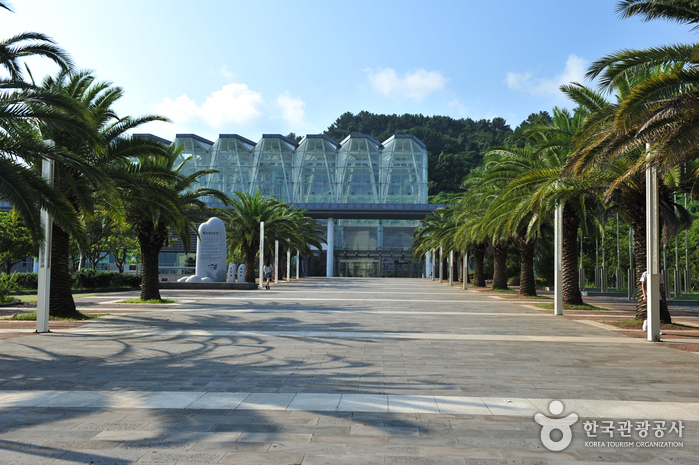
After the Korean government declared Jeju Island an "island of world peace," it has since been trying to maintain its peaceful image and built an International Peace Center. The Jeju International Peace Center exhibits north and south peace exchanges between international peace activists, as well as Nobel Peace Prize winners, and the works of people who have helped Korea. The 3rd gallery displays wax sculptures of world famous people who have practiced peace, such as Mother Theresa, Mahatma Gandhi, and popular Korean entertainers including Bae Yong-Jun, Lee Byeong-Heon, and Lee Young-Ae.
We Hotel (위(WE) 호텔)
13.9Km 2025-10-23
453-95 1100-ro, Seogwipo-si, Jeju-do
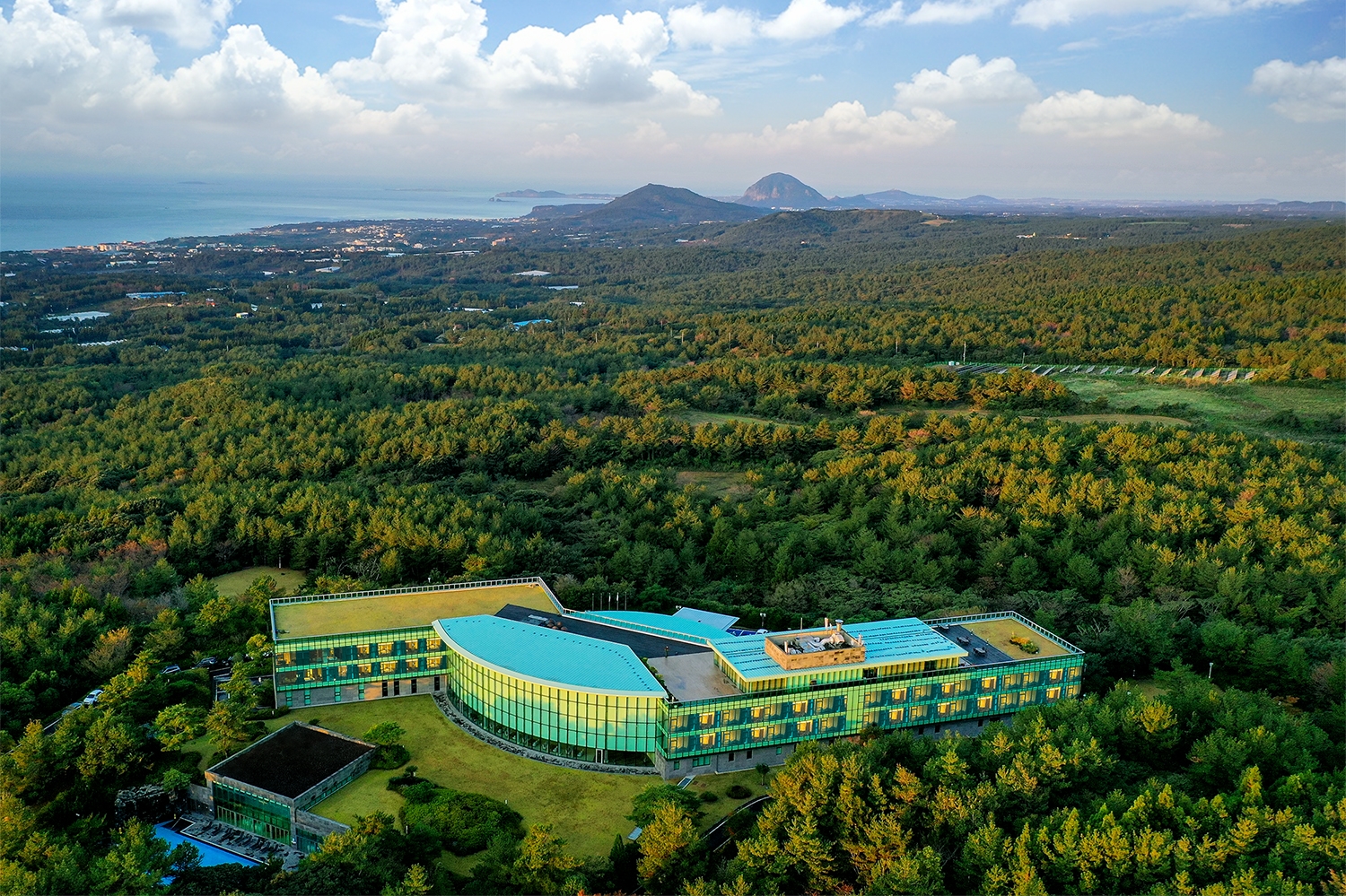
We Hotel in Jeju is the first premium health resort in Korea that combines a resort with medical services offered by the We Hospital of Halla Medical Foundation. In addition to comfortable hotel services, it also offers differentiated healthcare services, along with wellness and health-promoting programs, whose effectiveness was scientifically proven by medical experts. The hotel offers ultimate healing moments through various wellness programs, medical spa, and mediwell programs, utilizing the clean forests in Hallasan Mountain and pure volcanic bedrock water -- all nature's gifts.
We Hospital (WE병원)
13.9Km 2025-10-23
453-95 1100-ro, Seogwipo-si, Jeju-do
As a premium health resort, THE WE is located halfway up Hallasan Mountain, a UNESCO-recognized World Natural Heritage. In this Korea's first health resort, you can enjoy comfortable 5-star hotel services and healthcare services of Halla Medical Foundation with natural volcanic bedrock water of Jeju and the clean forest of Halla Mountain.
WE Hospital of Halla Medical Foundation operates Korea's only health resort to maximize health management effects utilizing natural environments and various health programs. It provides various one-stop programs of its Health Promotion Center, Plastic Surgery Centers, Wellness Center and Medical Spa Center with the concept of "Medi-Well" that combines "Medical" and "Wellness."
Experience customized healthcare services differentiated from other hospitals at THE WE, a premium health resort.
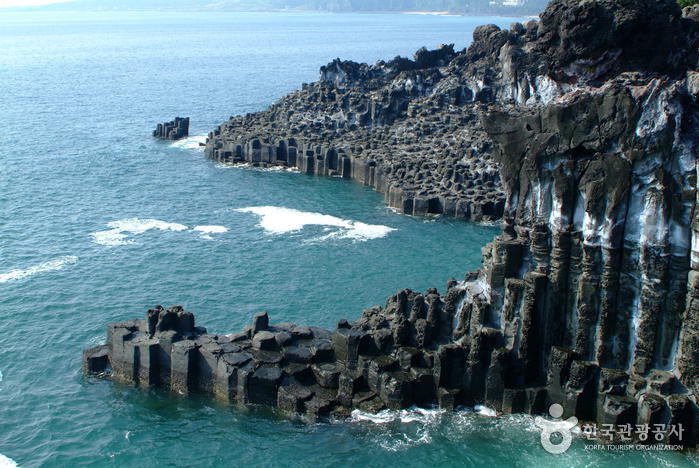
Daepo Jusangjeolli Cliff (주상절리대(대포동지삿개))
14.3Km 2024-03-11
36-30, Ieodo-ro, Seogwipo-si, Jeju-do
Daepo Jusangjeolli Cliff is a stone pillar formed by lava that flowed out of the crater and contracted as it cooled rapidly. It is characterized by its polygonal staircase-like form. The stones are 30 to 40 meters high, hexagonal in shape, and line the coast for about 1 kilometer. The constant crashing of the waves is a highlight not to be missed.
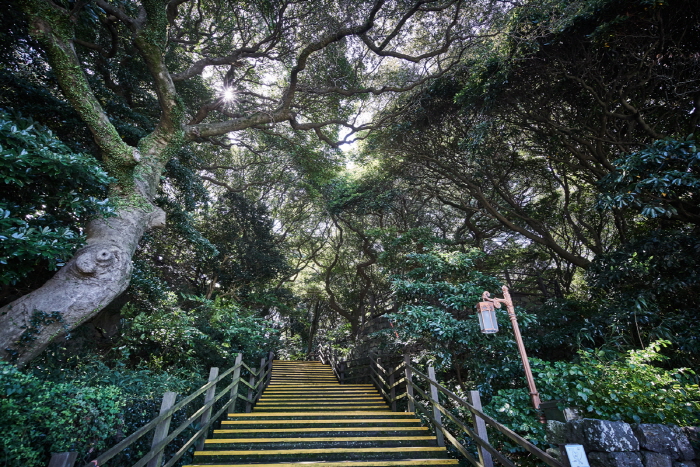
Geumsan Park (Nabeup Subtropical Forest Zone) (금산공원 (납읍난대림지대))
14.7Km 2022-12-29
Nabeup-ri, Jeju-si, Jeju-do
Geumsan Park is a dense evergreen forest near a village in Aeweol-eup, Jeju-si. The forest is the sole evergreen forest remaining in the flatlands of western Jeju, and is home to tall evergreens and 60 species of subtropical plants. The forest is preserved and protected as a Natural Monument and a natural resource for academic research. Collecting plants and hunting in the forest are strictly prohibited.
Joanne Bear Museum (조안베어뮤지엄)
14.8Km 2022-10-13
113, Daepo-ro, Seogwipo-si, Jeju-do
Joanne Bear Museum located in Jungmun Resort Complex in Seogwipo-si, on Jeju-do Island is a gallery exhibition hall for Joanne Oh, a world-famous teddy bear artist. The museum, which boasts the motto “nature and environmentalism", showcases teddy bears that are made of all-natural materials. The eco-friendly pieces mimic the natural beauty of Jeju Island and give visitors a feeling of comfort and refreshment.
 English
 한국어
한국어 日本語
日本語 中文(简体)
 Deutsch
 Français
 Español
 Русский


