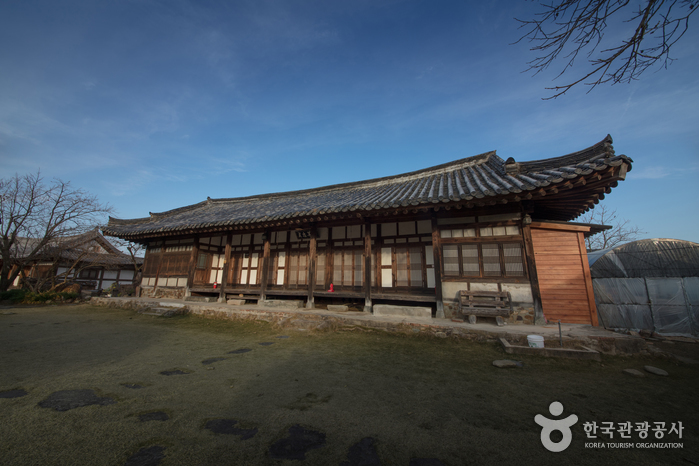
Gotaekhanok / 고택 한옥에서
17.8Km 2025-08-12
88-9, Doldam-gil Changpyeong-myeon, Damyang-gun, Jeollanam-do
+82-61-382-3832
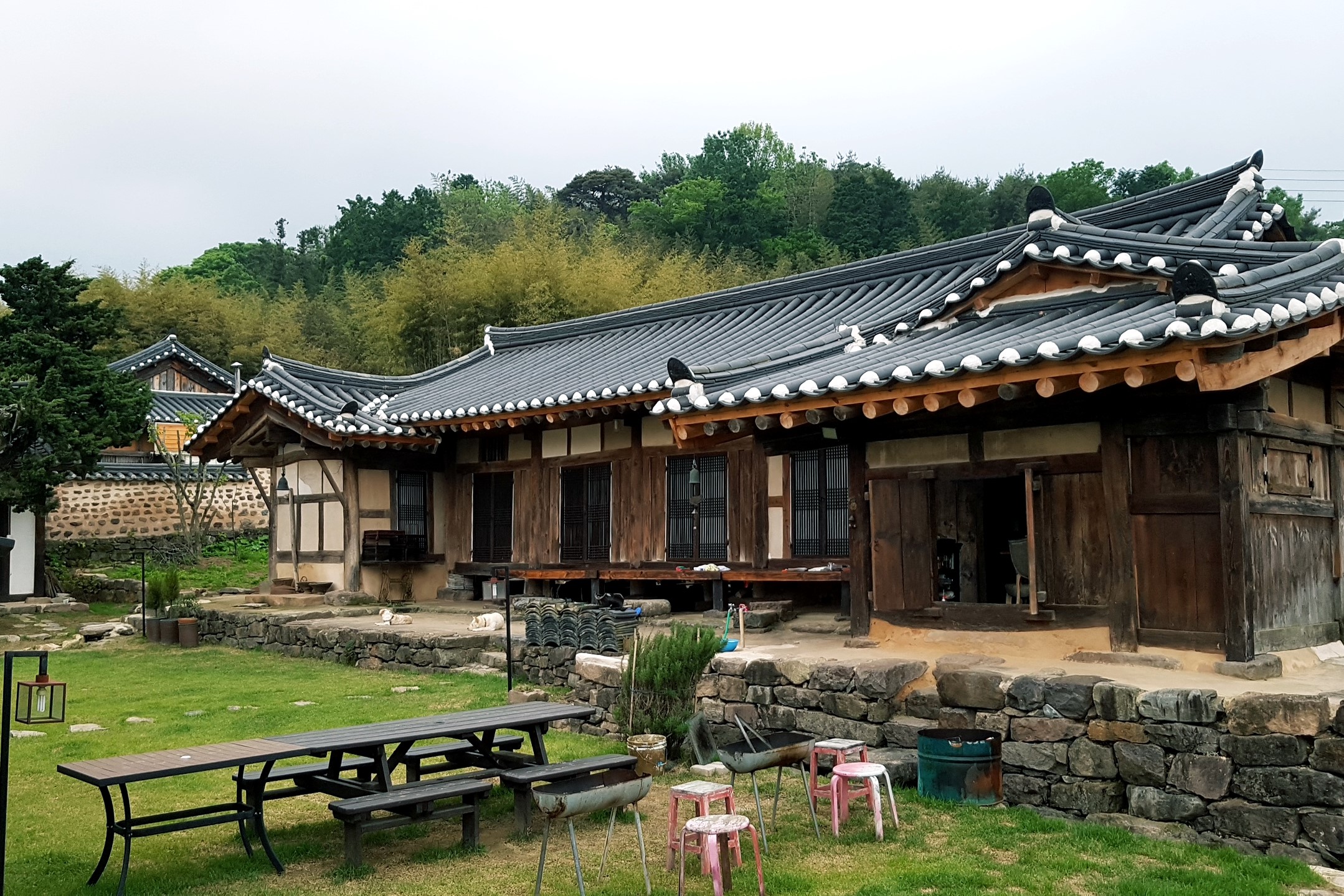
Hanok Pension is an old traditional Korean house located in Samjinae Village, Changpyeong-myeon, Damyang-gun, the first village in Asia to be listed as a 'Slow Village.' It has 15 guestrooms in traditional Korean house buildings along a stone-wall road just like in the old days in Korea. The guesthouse is conveniently located for those planning to visit Juknokwon (Bamboo Garden) and Metasequoia Street, which is regarded as the most beautiful street in Korea, because they are all within 30 minutes away from the guesthouse on foot. The old traditional Korean house consists of one main building and two detached buildings, between which is a large front yard. The two detached buildings are divided into different sections for the guests to stay in. You will see lots of different wild flowers in and around the premises. The tea room is another popular feature of the guesthouse because of the calming atmosphere.
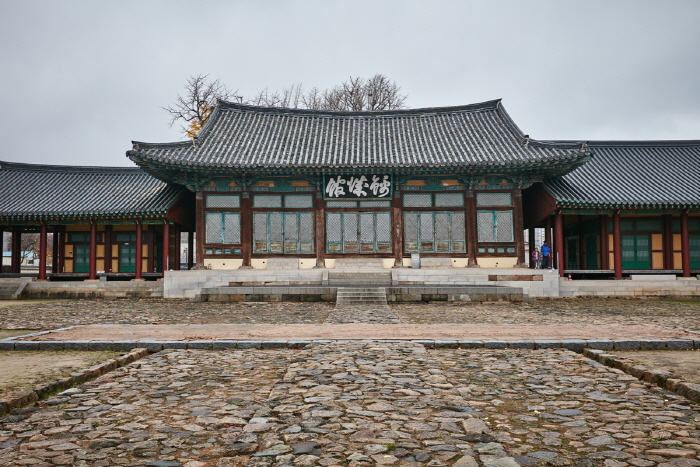
Pavillon Geumseonggwan à Naju (나주 금성관)
17.9Km 2023-03-24
8, Geumseonggwan-gil, Naju-si, Jeollanam-do
+82-61-339-8611
Le pavillon Naju Geumseonggwan servait de guesthouse pour les diplomates et politiques durant la dynastie Joseon. Le bâtiment a été construit entre 1475 et 1479. La structure a été reconstruite sous l'occupation japonaise avant d'être restorée dans son état initial en 1977.
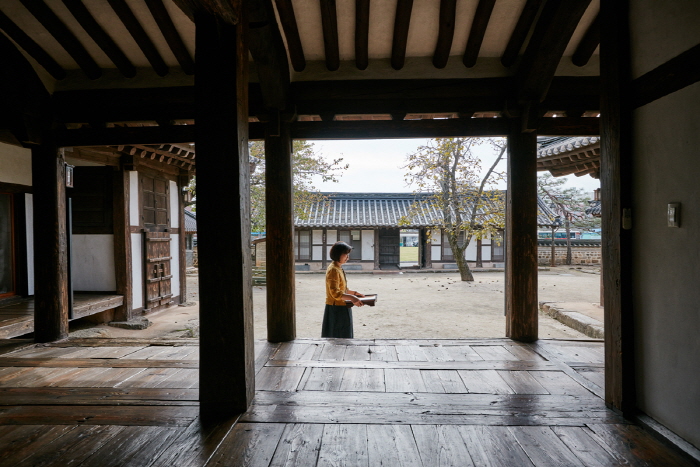
나주목사내아
18.1Km 2021-02-24
Jeollanam-do Naju-si Geumseonggwan-gil 13-10
+82-61-332-6565
나주목사내아는 조선시대 나주목사의 관저로서 상류주택의 안채와 같은 평면 구조로 이루어져 있으며 안채는 순조 25년(1825년) 건립된 것으로 건물 구조는 전통 양식인 한옥 ㄷ자형이다. 나주목사내아는 현재 전남 문화재자료 제 132호로 지정되어 있다. 나주는 조선시대 관아건물이 많이 남아있어 문화유적 답사지로서 적합하다.
* 규모 - 내아 1동, 행랑채 1동
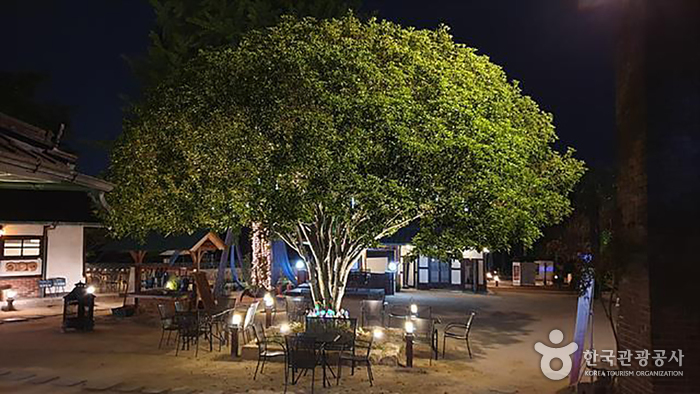
3917 Majung / 3917 마중
18.2Km 2025-08-13
42-16, Hyanggyo-gil, Naju-si, Jeollanam-do
Located in Gyo-dong, Naju-si, Jeollanam-do, 3917 Majung is a cultural space combining a hanok (traditional Korean house) cafe, modern cultural experiences, and hanok guesthouse. The name “3917 Majung” refers to its goal of “welcoming (majung) the modern culture of Naju in 1939 anew in the year 2017.” Spread out on a wide land area of 13,223 m2 are four buildings of Nanpajeong, Sarangchae, Mokseowon, and Siseoheon. All buildings take after the unique combination of Japanese- and Western-style housing commonly seen in the late Korean Empire period.
Nanpajeong is a pavilion constructed during mid-Joseon period, named after its most famous guest Jeong Seok-jin (pen-name: Nanpa), a scholar who led an uprising against Japanese imperialism in late Joseon period. There are two ondol (under-the-floor heating system) rooms in total, separated by a central wooden-floor hall (daecheong), one supporting 3 to 4 guests, one ideal for 2 to 3 guests. The restroom, which is also fitted with a shower booth, is located outside the building.
Eunhaengmok Room 1 and 2, which are housed in the Sarangchae building, are tatami rooms with balcony. Sarangchae’s shower and restroom is located in the building. Mokseowon is likewise made up of three tatami rooms, separated by open floor space and an attic. The shower and restroom is located outside the building. Siseoheon houses a 4-person room and the largest room in the complex, capable of supporting more than 10 guests. There are 2 restrooms and 2 restrooms with shower facilities, making the building ideal for group events.
YangDongHo Traditional House (Hanok 152)/ 양참사댁(양동호 가옥 / 한옥152)
19.9Km 2025-03-05
24, Darasil-gil, Hwasun-gun, Jeollanam-do
+82-10-9646-5087
Yangchamsadaek (Yangdongho’s former name) or National Cultural Property No. 152 is a traditional hanok accommodation. Dalasil Village, Hwasun, Jeollanam-do, where the house is located, is a town with traditional houses and fields, where interestingly those who have the surname of Jeju Yang live together.
Yangchamsadaek is a typical noble's house in the southern region with the ㄷ-shaped main building and the ㅡ-shaped detached building form the ㅁ shale. It is expected that the main building was built in the 18th century and the detached building at the end of 19th century. In 2013, the current owner has taken over the antique house and started running a hanok stay, and his daughter, Jo A-ae, a curator and culture planner, added modern touches to turn it into a culture complex, Hanok 152. The wide lawn is sometimes rented for music performance, traditional wedding, or outdoor wedding, and other times it serves as a venue of one-day classes for hanbok experience, Korean food experience, etc.
As for rooms, there are four options: big room and small room in Anchae (main building), and Daecheong room and bed room in Sarangchae (detached building). The rooms are decorated with traditional cabinets and folding screens with embroidery, displaying the beauty of an antique house. The main floor, which is much bigger than that of other houses, has been renovated by the owner. The main floor in the main building, with a comfortable sofa and a rug, is modern and luxurious, whereas the main floor in the detached building is cozy with a floor table and Korean cushions. Toiletries are not available in the bathroom but provided upon request to the information desk. Space rental is also available. Various events such as traditional wedding, small wedding, first birthday celebration, 70th birthday celebration, small workshop, or one-day class can be held here. Moreover, traditional hanbok experience is always available at 15,000 won per person. Korean food experience is notified on Instagram and requires reservation. As the cost varies depending on the number of participants and the date, make sure to inquire over the phone.
Also located in the village are Hanjae House (National Cultural Property No. 154) and World Heritage Hwasun Dolmen Site. Note that the Unjusa Temple, famous for the Cheonbulcheontap Pagoda, is a 15-minute drive away.
 Français
 한국어
한국어 English
 日本語
日本語 中文(简体)
 Deutsch
 Español
 Русский


