Alrededores del Parque Daereungwon de Gyeongju (경주 대릉원 일원)
1.5Km 2025-04-25
Hyerim-ro 9, Gyeongju-si, Gyeongsangbuk-do
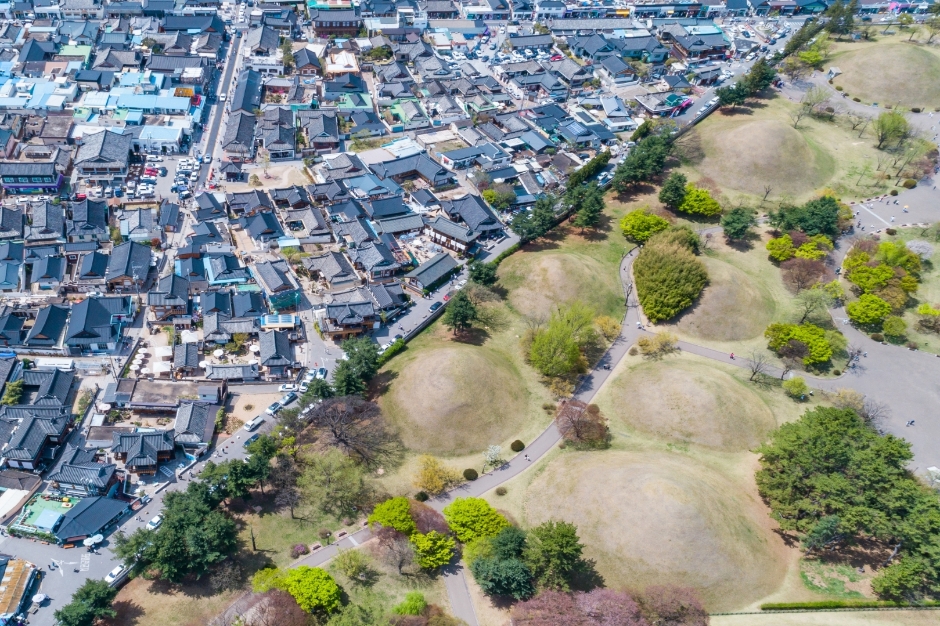
Los Alrededores del Parque Daereungwon de Gyeongju consta de cinco tumbas: las de Nodong-ri, Noseo-ri, Hwangnam-ri, Hwango-ri e Inwang-ri. Las tumbas se distribuyen en el barrio de Hwangnam-dong de la ciudad de Gyeongju y se ubican en las inmediaciones de Daereungwon. Dentro de Daereungwon se encuentra la Tumba Cheonmachong, excavada en 1973. Otra tumba a destacar es Hwangnamdaechong, excavada entre 1973 y 1975, las cuales son tumbas gemelas.
Gyeongju Ssambap Street (경주 쌈밥거리)
1.5Km 2025-03-19
9 Gyerim-ro, Gyeongju-si, Gyeongsangbuk-do
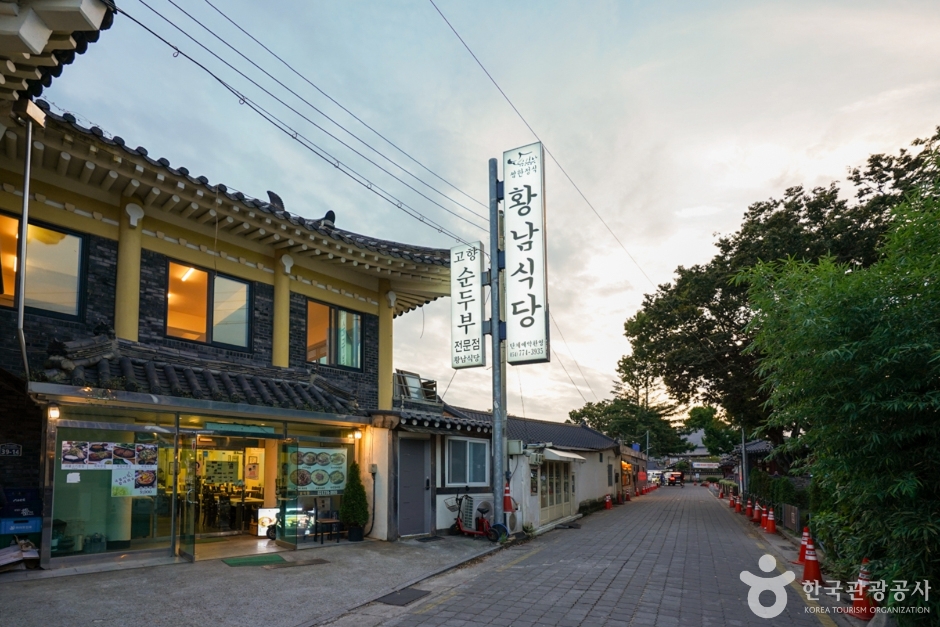
Gyeongju Ssambap Street, developed around the Daereungwon Ancient Tombs in Gyeongju, offers a diverse culinary experience. A highlight is ssambap (leaf wraps and rice), a dish featuring fresh vegetables accompanied by substantial side dishes like fish, meat, and doenjang jjigae (soybean paste jjigae) made from homemade soybean paste. Additionally, this street presents a variety of snacks, including Hwangnam ppang (Hwangnam bread) prepared with red beans and flour, and jjondeugi, a traditional chewy snack made from cornmeal and sugar. Nearby attractions include the Cheomseongdae Observatory, Donggung Palace and Wolji Pond, Woljeonggyo Bridge, and the Gyeongju National Museum.
Gyeongju Soohojeong (경주수호정)
1.6Km 2025-07-24
15-15, Poseok-ro 1068beon-gil, Gyeongju-si, Gyeongsangbuk-do
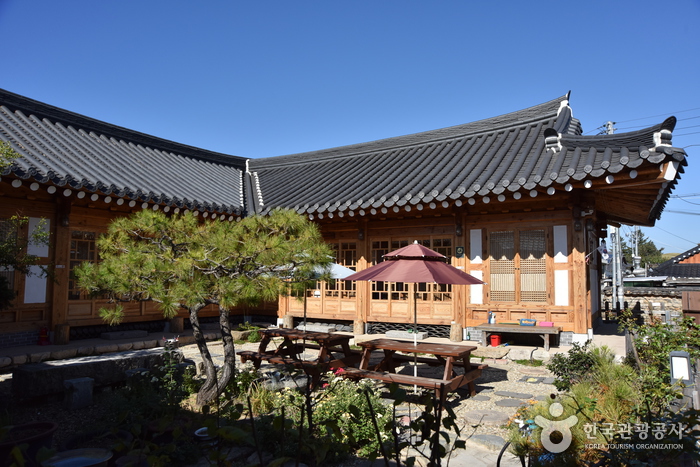
Suhojeong hanok guesthouse stands right in front of the Daereungwon Silla tombs, in Gyeongju, Gyeongsangbuk-do. The house is constructed of traditional materials - pinewood, red clay and straw - and each guestroom has a bathroom with toilet. In the spacious yard is a stone table where visitors can rest and chat. Transport links are excellent, with Gyeongju Station and Intercity Bus Terminal just 5 minutes away on foot. Nearby tourist attractions include Cheomseongdae, Banwol Fort, and Anapji Pond.
Hwangnam Bread (황남빵)
1.7Km 2025-03-19
783, Taejong-ro, Gyeongju-si, Gyeongsangbuk-do
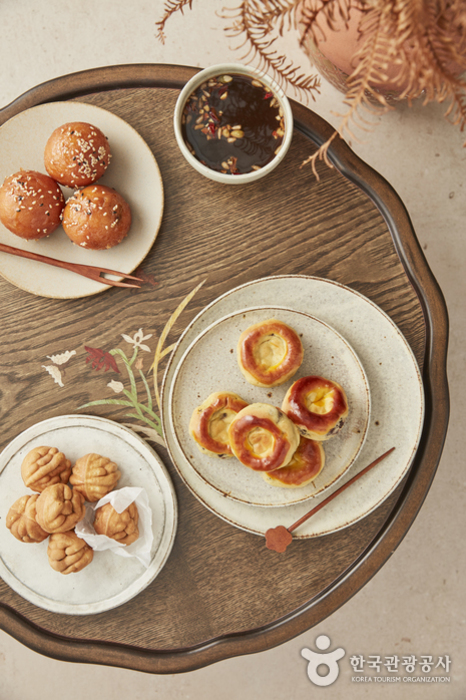
When Hwangnam Bread was created in Hwangnam-dong, Gyeongju, in 1939, people began to refer to it as “the bread from Hwangnam.” Over time, the name stuck. The late Choi Yeong-hwa, the founder of Hwangnam Bread, was a scion of the Gyeongju Choi family who came up with this masterpiece when he was 21 years old after much trial and error. Mr. Choi’s creation is based on the tradition of rice cakes and bread made with sweet red beans, passed down throughout the generations in his family. Even today, 80 years after the creation of the bread, it is only flavored with red beans. Another defining feature of Hwangnam Bread is the delicate comb pattern inspired by the aesthetics of the Silla period.
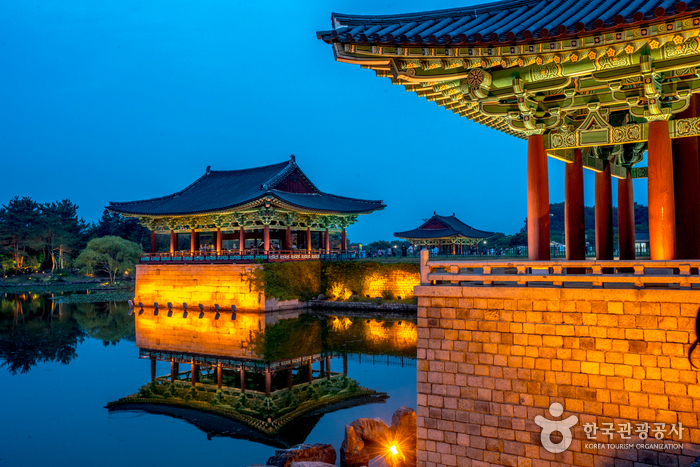
Palacio Donggung y Estanque Wolji de Gyeongju (경주 동궁과 월지)
1.7Km 2025-04-24
Wonhwa-ro 102, Gyeongju-si, Gyeongsangbuk-do.
Según el libro histórico Samguk Saji, durante el 14to. año del reinado de Munmu (661-681) en el período de Silla (57-935), se construyeron pequeñas montañas y un enorme estanque dentro del palacio Donggung. Además, se plantaron hermosas flores y se introdujeron animales exóticos para crear un encantador ambiente de jardín. El estanque Wolji se encuentra en Wolseung (una fortaleza construida en 101 en el período de Silla). Según una excavación realizada en 1974, las formas esféricas (200 metros de diámetro y 180 metros de alto) indican que había 3 islas dentro del estanque. Gracias a la continua restauración, actualmente se puede ver el estanque Wolji en su original esplendor.
Sitio de la Sala Imhaejeon
Es uno de los palacios apartado del palacio principal de la familia real de Silla. Esta estructura fue utilizada como residencia de los príncipes. Imhaejeon es históricamente la estructura más importante, ya que aparece en muchos libros de historia y también se denomina al área completa como Imhaejin. A través de una excavación, se descubrieron varias estructuras, Hoerang (área de pasillo), el estanque Wolji y cinco torres en la parte oeste. Algunas áreas han sido restauradas mientras que otras fueron mantenidas en su estado natural, dejando las piedras a la vista.
Hwarang Guesthouse (화랑게스트하우스)
1.8Km 2025-07-18
136-1, Wonhyo-ro, Gyeongju-si, Gyeongsangbuk-do
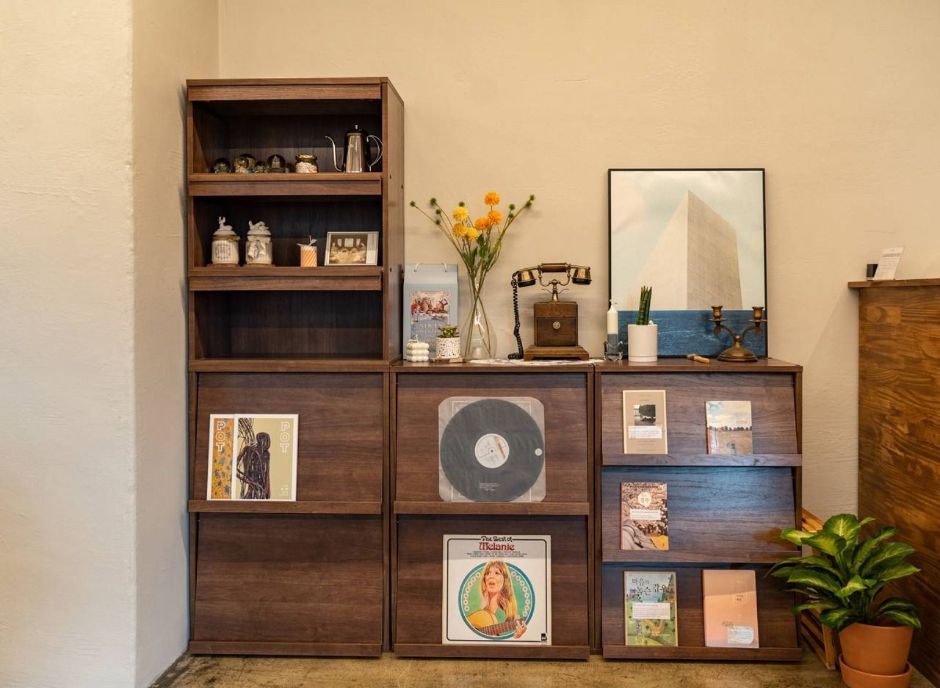
Hwarang Guesthouse near Daereungwon, Gyeongju-si, Gyeongsangbuk-do, offers guestrooms each with separate toilet and bathroom. Refrigerators and laundry facilities are provided for guests, as are a shared-use PC and fax machine, while travel guides and other books are available in the lobby. Silla Kingdom sites such as Daereungwon, Cheomseongdae, Donggung Palace and Wolji Pond are reachable on foot; alternatively residents can hire a bicycle for 7,000 won a day.
Pyeongyang Naengmyeon (평양냉면)
1.8Km 2025-05-19
10, Wonhyo-ro 105beon-gil, Gyeongju-si, Gyeongsangbuk-do
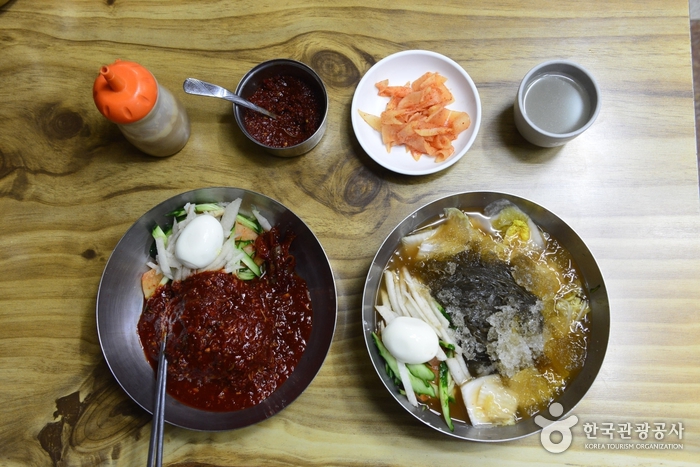
The restaurant of Pyeongyang Naengmyeon has been operated through two generations and thus is very famous in Gyeongju. Its noodles are hand-made from starch of Korea-grown buckwheat and potato and broth is made by deeply boiling beef bones. So, noodles are chewy and broth tastes rich and clean.
141MINIHOTEL/ 141미니호텔
1.8Km 2025-08-11
141, Wonhyo-ro, Gyeongju-si, Gyeongsangbuk-do
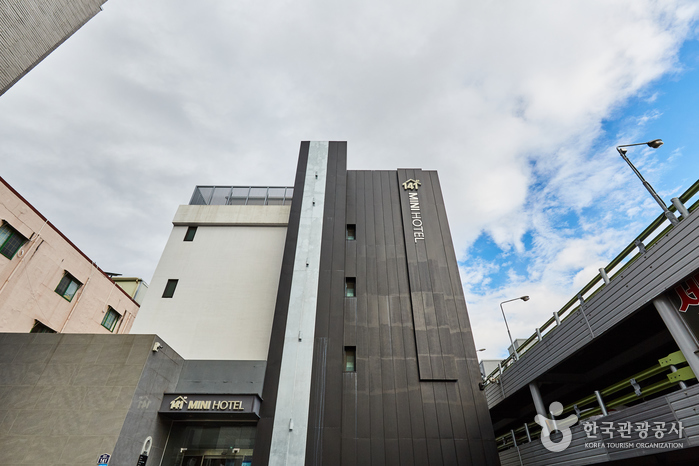
'Located in Gyeongju, the capital of Silla Kingdom for 992 years, 141 Mini Hotel lets you enjoy hotel services at motel room rates. It has sauna, book café, small conference room, and business center for the convenience of its guests. The hotel staff are friendly as well. It's very conveniently located, since it's only 5 minutes away from Gyeongju Station and 10 minutes away from the Bus Terminal, both on foot. There are many popular tourist destinations in the vicinity of the hotel, including Donggung Palace, Wolji Pond, Cheomseongdae Observatory, and Bulguksa Temple.
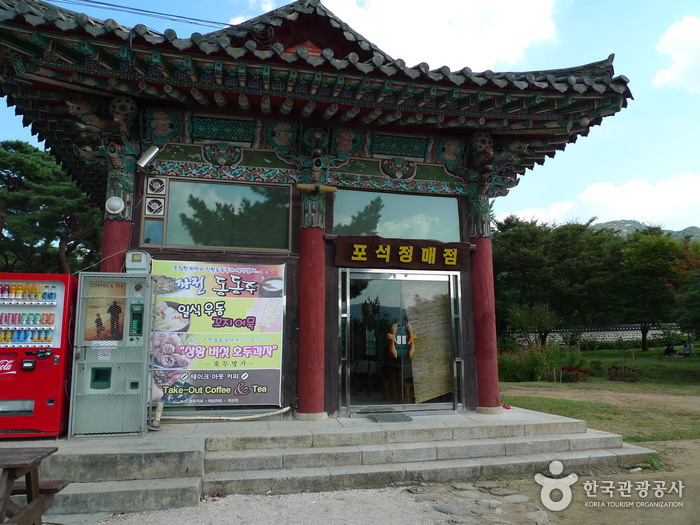
Solar del Pabellón Poseokjeong de Gyeongju (경주 포석정지)
2.0Km 2025-06-25
Namsansunhwan-ro 816, Gyeongju-si, Gyeongsangbuk-do
Se levanta sobre una roca cerca de un arroyo, y Poseokjeong (superficie de 7.432 ㎡) fue designado monumento privado nº 1 el 21 de enero de 1963. La ubicación es la que había tenido el palacio de la villa real de la dinastía Silla (57 a.C.-935), pero las edificaciones ya no existen más y solo queda en el lugar un trayecto de agua con una roca de forma de concha. Poseokjeong fue denominado de esta forma porque las canaletas de la roca se semejaban a las rugosas conchas de abulón. Poseokjeong está construido con 63 rocas. Tiene un ancho de 35 cm, y una profundidad media de 26 cm, y la longitud total alcanza los 10 m. Se dice que el agua del curso del valle de Namsan fue traída hasta aquí haciendo que saliese a borbotones a través de una piedra tortuga. Pero la tortuga ya ha desaparecido. Se dice que los reyes de Silla iban al lugar acompañados de sus oficiales y nobles, y que hacían flotar sus copas de vino sobre el borbotón del agua que fluía por la canaleta de piedra y antes de que su copa flotante llegara ante sí, debía recitar un poema. Junto con Poseokjeong, el Valle de Poseok era muy querido por la gente de los días de Silla por sus limpias aguas y hermosos paisajes. Por todo ello, el palacio de la villa real durante el reino de Silla fue construido aquí. Hoy en día, los árboles de zelcova, pino y bambú preservan el aire acogedor y relajante del lugar.
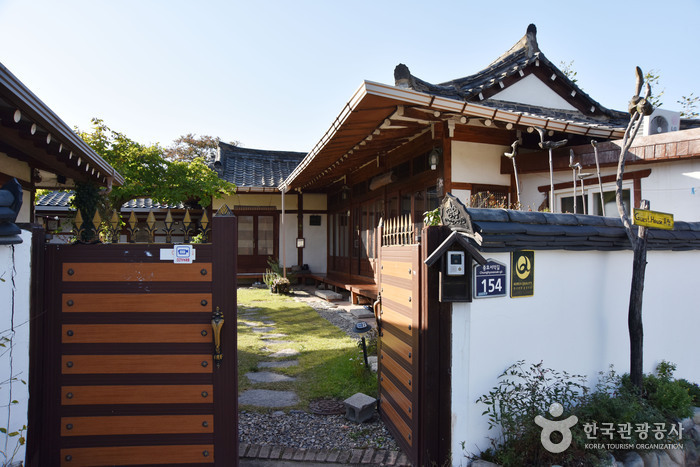
Huewon (경주휴원)
2.1Km 2025-06-04
154, Chunghyoseoak-gil, Gyeongju-si, Gyeongsangbuk-do
Huewon is a hanok guesthouse in Seoak-dong, Gyeongju, Gyeongsangbuk-do, that offers guests a healthy and peaceful sojourn in a traditional red clay hanok. Rooms are bright, with clean and comfortable bedding. In the yard visitors will find a garden, an old well and water pump, and magnolia trees standing out against the low mountains. An early morning walk through the mist to the nearby Dobong Seodang village school is highly recommended.
 Español
 한국어
한국어 English
 日本語
日本語 中文(简体)
 Deutsch
 Français
 Русский


