Museo del Té Areumdaun (Beautiful Tea Museum) (아름다운 차박물관)
1.6Km 2025-12-17
Insadong-gil 19-11, Jongno-gu, Seúl.
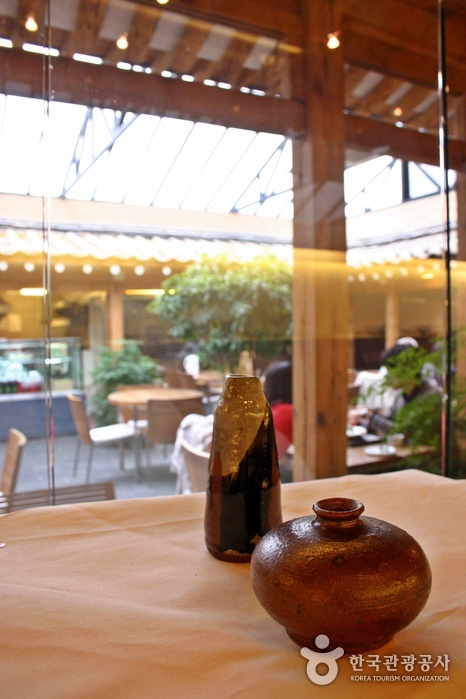
El Museo del Té Areumdaun es un espacio multicultural y comprende una galería que invita a descubrir obras de porcelana realizadas por jóvenes artistas, una tienda que propone alrededor de 110 tipos de té de Corea, China, Japón, Taiwán, Sri Lanka, India y países de Europa, y un salón para degustar un buen té. La sala de exposiciones se divide en tres secciones destinadas respectivamente a Corea, China y el Tíbet. Allí se exponen diversos estilos de servicios de té para tener una impresión de las características del arte del té de cada país. Asimismo, jóvenes artistas organizan exposiciones y ventas. El museo expone cerca de 130 tipos de té, podrá comprar o degustar diferentes variedades como té clásico, té verde, té azul, té negro, té a las hierbas, té a las flores, etc.
Areumdaun Cha Bangmulgwan (Beautiful Tea Museum) (아름다운차박물관)
1.6Km 2025-05-27
19-11, Insadong-gil, Jongno-gu, Seoul
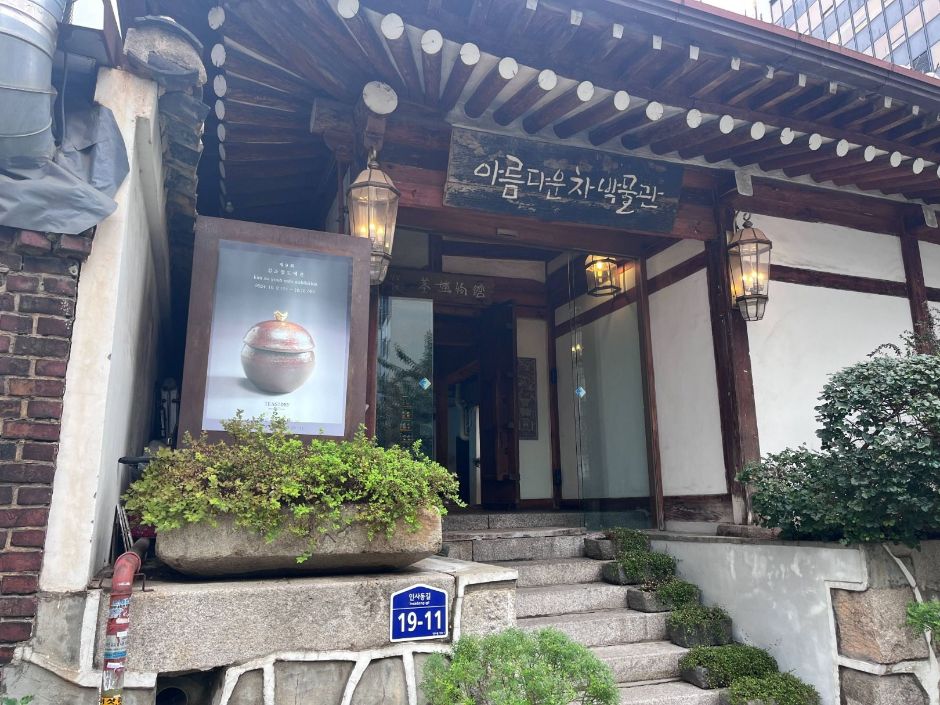
In addition to gourmet restaurants, traditional tea houses are a popular destination in Insa-dong. Among them, we recommend Areumdaun Cha Bangmulgwan, where you can taste more than 100 types of tea, including Korean, Chinese, Japanese, and Taiwanese. The shop also serves as a museum and gallery. Enjoy a leisurely cup of tea as you appreciate the art that is on display.
Doota Mall (두타몰)
1.7Km 2025-09-03
275, Jangchungdan-ro, Jung-gu, Seoul
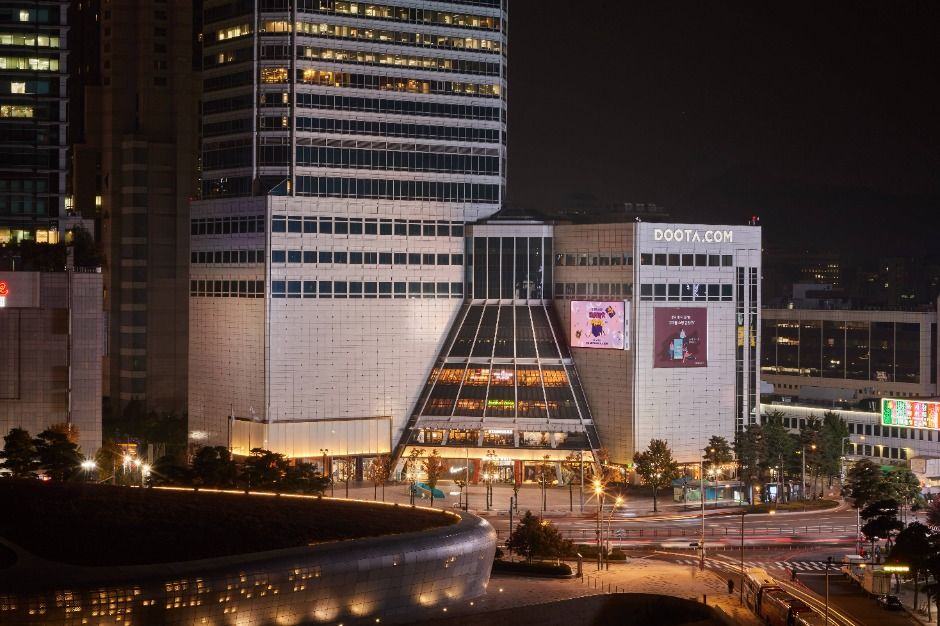
Doota Mall is a must-visit shopping destination that represents Dongdaemun - the center of K-fashion and culture in Seoul! Doota offers a true one-stop shopping experience across fashion, beauty, lifestyle, and dining - from K-designers, sportswear, women and men's apparel to a wide variety of cafes and restaurents. Open until midnight, Doota welcomes intenational travelers with special gifts and exclusive benefits.

Yangbandaek (양반댁)
1.7Km 2025-05-14
19-18, Insadong-gil, Jongno-gu, Seoul
Yangbandeck is a traditional Korean house in Insa-dong, serving ganjang gejang (soy sauce marinated crab) and bori gulbi (barley-aged dried yellow croaker). Theganjang gejang is made from crabs filled with roe, matured in soy sauce. The taste of barley-aged dried yellow croaker, made from dried yellow croaker matured in sea breeze and served on top of rice, is exceptional. Each meal comes with a hot pot rice, and side dishes such as soybean paste jjigae, pancakes, kimchi, and japchae are served as standard.
Seonggyeong Mandu Yori Jeonmunjeom - Jongno Branch (성경만두요리전문점 종로)
1.7Km 2025-05-27
88, Supyo-ro, Jongno-gu, Seoul
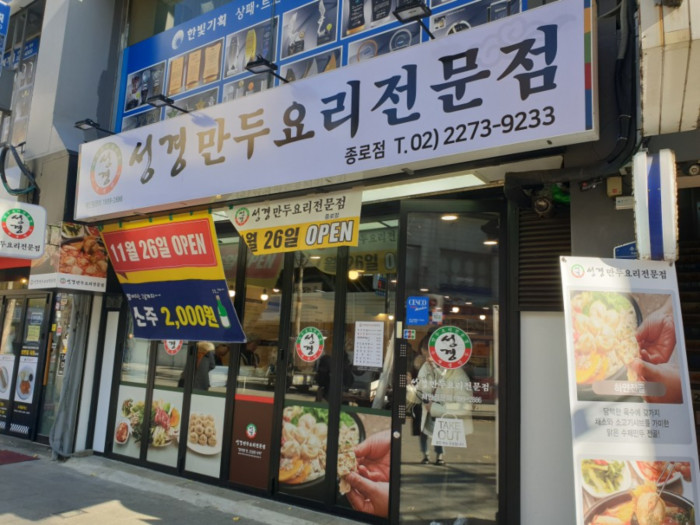
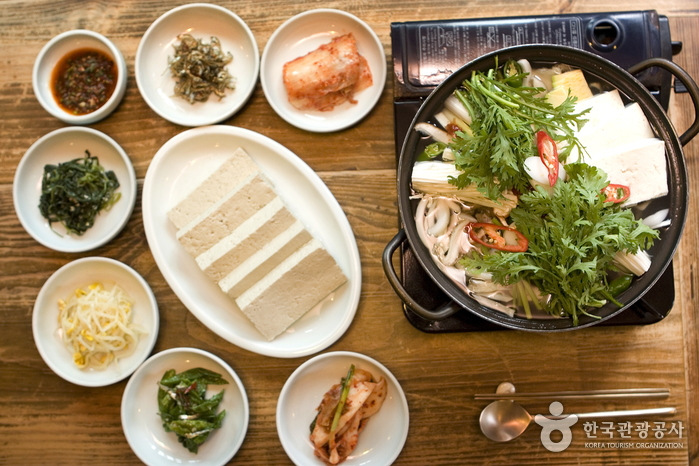
White jeongol (Korean-style hot pot) is soup cooked with dumplings and vegetables. The best menu at this restaurant is dumpling hot pot. This is a Korean cuisine located in Cheonggyecheon Stream, Seoul.
Onmaeul (온마을)
1.7Km 2025-07-18
127, Samcheong-ro, Jongno-gu, Seoul
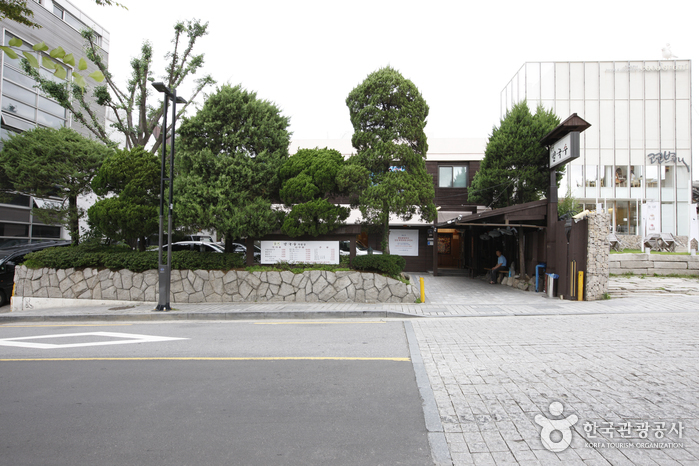
A place that sells dishes made with beans, which are good for the health. This restaurant's signature menu is pureed soybean stew. This Korean dishes restaurant is located in Jongno-gu, Seoul.
Hwangsaengga Kalguksu (황생가칼국수)
1.7Km 2025-05-14
78, Bukchon-ro 5-gil, Jongno-gu, Seoul
Hwangsaengga Kalguksu is a specialty restaurant located near Gyeongbokgung Palace, known for its kalguksu (noodle soup). Kalguksu is a type of noodle soup made by thinly slicing dough into noodles with a knife and boiling them in a broth made from beef bones, clams, or seafood. Their menu includes options like wang mandu (jumbo mandu), hanu suyuk (boiled Korean beef slices), kongguksu (noodles in cold soybean soup), beoseot jeongol (mushroom hot pot), and mandutguk (mandu soup). It was selected as a Michelin Guide Seoul 2023 restaurant.
Centro de Información de Estancias en Templos (템플스테이 홍보관)
1.7Km 2022-09-28
Ujeongguk-ro 56, Jongno-gu, Seúl
El centro es un complejo cultural de cinco plantas donde se encuentran la mayoría de oficinas responsables de las estancias en templos, centros de información, centros educativos, un restaurante de comida budista tradicional llamado Balwoo Gongyang, entre otros.
Imun Seolnongtang (이문설농탕)
1.7Km 2025-08-08
38-13, Ujeongguk-ro, Jongno-gu, Seoul
Imun Seolnongtang has been serving its hearty seolleongtang for over a hundred years since it first opened in 1907. Even its name has a long history: the word imun comes from Imun-gol, the now-obsolete name of the restaurant’s location, and seolnongtang, an old variation of the word seolleongtang. During the Japanese ocupation rule, the restaurant’s regular customers included Gijeong Son, the marathon gold-medalist at the 1936 Berlin Olympics. To make the rich seolleongtang broth, beef meat and bones are simmered for more than 15 hours. Try putting rice and minced green onion in your seolleongtang for a warm and tasty experience. Kkakttugi (diced radish kimchi), provided as a side dish, is also delicious.
Parque Abierto Songhyeon (열린송현녹지광장)
1.7Km 2025-05-28
Songhyeon-dong 48-9, Jongno-gu, Seúl
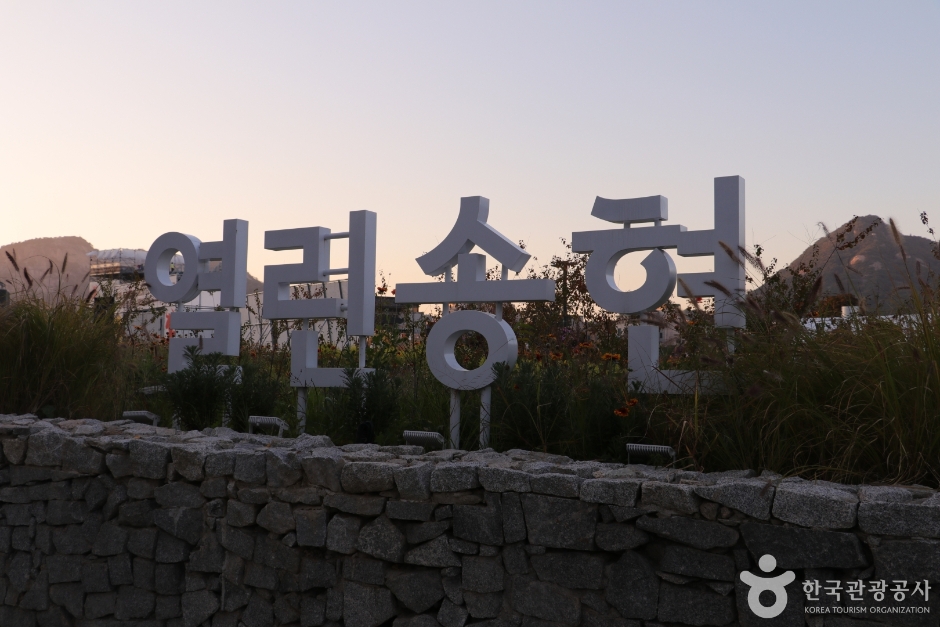
El Parque Abierto Songhyeon es un espacio verde ubicado en el barrio de Songhyeon-dong, distrito de Jongno-gu, Seúl, muy cerca del Palacio Gyeongbokgung. Durante el período de ocupación japonesa (1910-1945), el sitio se utilizó como vivienda para el Banco Shokusan, y posteriormente como cuartel militar y de la embajada estadounidense, y fue devuelto al Gobierno coreano en 1997. Tras la devolución, quedó abandonado y rodeado por un alto muro; pero en 2022, la propiedad pasó a la Corporación Nacional de Vivienda de Corea y posteriormente al Gobierno Metropolitano de Seúl, abriéndose al público como el Parque Abierto Songhyeon. El espacio, destinado ahora para el descanso y la cultura, se puede ver desde la avenida Yulgok-ro, y está decorada con flores cosmos y zinnias. Dentro del parque hay un atajo que conecta el Palacio Gyeongbokgung y el barrio de Bukchon. No muy lejos se encuentran sitios turísticos destacados como Cheong Wa Dae, la Plaza Gwanghwamun, Insadong y el barrio de Bukchon.
 Español
 한국어
한국어 English
 日本語
日本語 中文(简体)
 Deutsch
 Français
 Русский


