Juwangsan Mountain Seongcheondaek
2021-04-09
12, Seodang-gil Cheongsong-eup, Cheongsong-gun, Gyeongsangbuk-do
+82-10-6711-6427
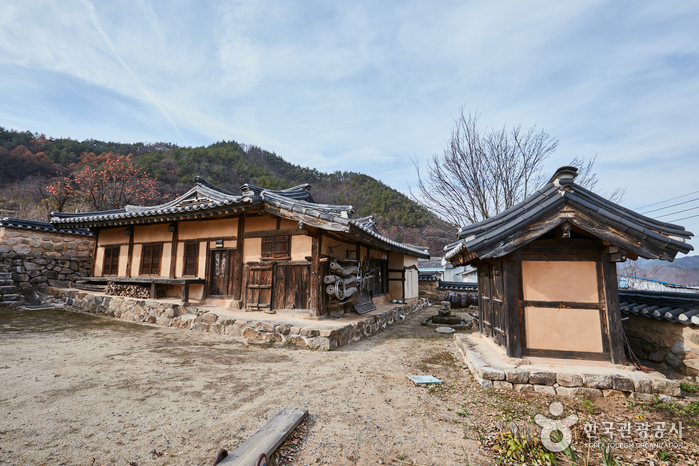
Seongcheondaek House with about 300 years' history is an old hanok guesthouse located in Cheongun-ri at the entrance to Juwangsan Mountain, which can be reached by driving along Yongjeoncheon Stream from Cheongsong County in Gyeongsangbuk-do. With the tranquil surrounding atmosphere among houses in the alley, the house features a typical square-shaped structure of the mountain region.
Seongcheondaek House is presumed to have been bought by Im Chun-seop, a high-ranking official during the reign of King Gojong (r. 1863-1907) of the Joseon Dynasty, but its exact construction date is unknown. It was designated as National Folklore Cultural Heritage No. 172 in 1984.
This cozy hanok house consists of the main gate with straw-thatched roof, square-shaped Anchae (Women’s Quarters), middle gate, Sarangbang (master’s room), tea room, old stable, Daecheongmaru (hall between rooms) overlooking the courtyard with beautiful scenery, and so on. In particular, guests can enjoy a romantic atmosphere from Daecheongmaru by appreciating the scene of falling raindrops or melting snow from the edges of the eaves.
The Munganchae (gate building) consisting of a bathroom and a kitchen has a straw-thatched roof and a renovated interior for the guests’ convenience. The square-shaped Anchae is composed of two guestrooms (Sarangbang and Anbang) and a reading room (Utbang). The rooms feature a traditional construction style with cozy and clean interior items including a small wooden table as well as clean beddings. In addition, a kitchen is situated in front of Anbang, displaying traditional kitchen appliances including a fireplace and two large iron pots, unlike a modern-style kitchen in Munganchae. Daecheongmaru of Anchae offers an open view of the outdoor landscape through two large wooden windows. In addition, a deep groove in the middle of the yard in front of Daecheongmaru catches one’s eyes. The groove is said to have been made due to the rubbing of the foot on the ground when weaving hemp cloth hundreds of years ago.
Guests can enjoy relaxation both during daytime and nighttime under a starry sky in the yard where a small wooden bedstead and a stone table are situated. Moreover, the house provides folk games such as neolttwigi (Korean see-sawing game) and tuho (pitch-pot) as well as the family art therapy program wherein family members can understand each other better through a painting and drawing activity. Surrounding tourist attractions include Juwangsan National Park and Jusanji Reservoir.
Huewon (경주휴원)
2025-06-04
154, Chunghyoseoak-gil, Gyeongju-si, Gyeongsangbuk-do
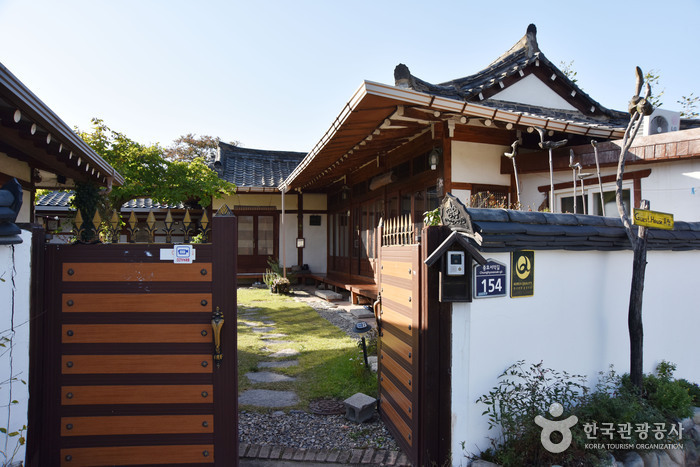
Huewon is a hanok guesthouse in Seoak-dong, Gyeongju, Gyeongsangbuk-do, that offers guests a healthy and peaceful sojourn in a traditional red clay hanok. Rooms are bright, with clean and comfortable bedding. In the yard visitors will find a garden, an old well and water pump, and magnolia trees standing out against the low mountains. An early morning walk through the mist to the nearby Dobong Seodang village school is highly recommended.
![Suncheonbay house of sea castle [Korea Quality] / 순천만해룡성고택 [한국관광 품질인증]](http://tong.visitkorea.or.kr/cms/resource/22/2588422_image2_1.jpg)
Suncheonbay house of sea castle [Korea Quality] / 순천만해룡성고택 [한국관광 품질인증]
2023-04-13
136, Hongdu-gil, Suncheon-si, Jeollanam-do
+82-10-4205-1110
'Located in Hongnae-dong, Suncheon, Suncheonman Bay Haeryongseong Fortress Gotaek is the head house of the Suncheon Moon clan and has long been inhabited by the descendants of Moon Wi-se (pen-name: Poongam), who rendered distinguished services to the Joseon dynasty as a Righteous Army during the Japanese Invasion in 1592.
The house, with its long history of 300 years, was known as a wealthy and warm-hearted family house in the Suncheonman Bay area that used to provide a hearty meal for passers-by in the sarangbang (men’s quarters), and also produced three queens during the Goryeo Dynasty.
As the house is surrounded by low hills where various seasonal herbs including mugwort, water parsley, and other medicinal ingredients grow, it offers guests a wild tea ceremony experience. It also offers a pork belly BBQ with water parsley in the evenings. Guests can see animals like roosters and Jindo dogs. In particular, the ‘Seungjiwon room’ consists of a bedroom, living room, bathroom, and kitchen, making it popular among family groups.
![Hanchaedang Korean traditional house [Korea Quality] / 한채당 체험한옥관 [한국관광 품질인증]](http://tong.visitkorea.or.kr/cms/resource/16/2544116_image2_1.JPG)
Hanchaedang Korean traditional house [Korea Quality] / 한채당 체험한옥관 [한국관광 품질인증]
2021-04-05
695-9, Songui-ro, Sowon-myeon, Taean-gun, Chungcheongnam-do
+82-10-2629-0121
The Hanchaedang Hanok Stay Center consists of two hanok buildings with the same traditional structure, including a tiled-roof, maru (wooden floor), and gudeul (Korean floor heating system). The interiors offer a harmonious combination of modernity and the features of a traditional hanok house. Each room has a low table for four people, a central living room with en suite toilet and bidet, a main room (Anbang) with an en suite bathtub, toilet and bidet, another room (Geonneonbang), and a kitchen with a wine bar table. The main room has two sets of bedding for four people, while the other room has one set of bedding for two people. The extra bedding is always placed inside the wardrobe. Guests can cook in the kitchen, but they may only hold a BBQ outside. (There is a charge for the BBQ set.) The house overlooks the school playground below the building and the beach in the distance. The Hanchaedang is also a well-known film location with great interiors and attractive exterior views that have featured in various interview programs and TV dramas.
Seosan Hotel Aria (서산아리아호텔)
2025-07-18
94, Dongheon-ro, Seosan-si, Chungcheongnam-do
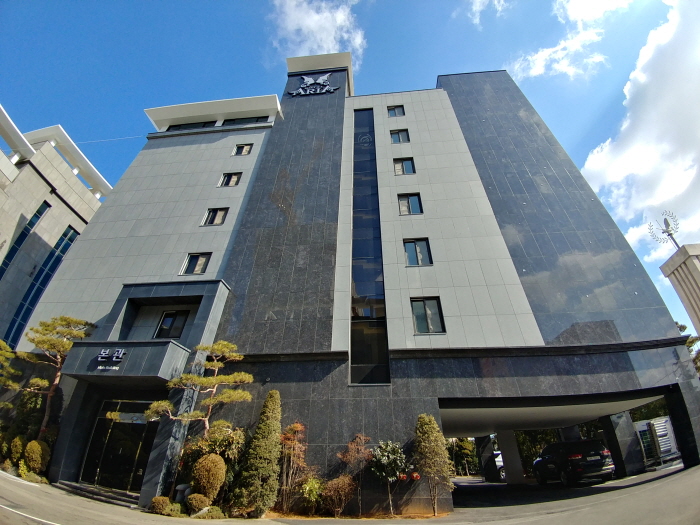
Seosan Aria Hotel, near Central Lake Park in Seosan-si, Chungcheonnam-do, consists of a main building, new building, an annexe, and a deluxe building, and has 80 rooms accommodating up to 160 people. There are three types of room: Garden rooms have access to the roof-top garden; Studio rooms are equipped with home theatres and accomodate up to four people; and Duplex rooms. Public transport connections are good, and the hotel is just 1km away from Seosan City Hall and adjacent shopping malls. There’s a large parking lot (one car per room).
Peepul Hanokstay (연경당)
2026-06-30
13-40, Jungheung-ro, Gwangyang-si, Ciudad Metropolitana Especial de Jeonnam-Gwangju
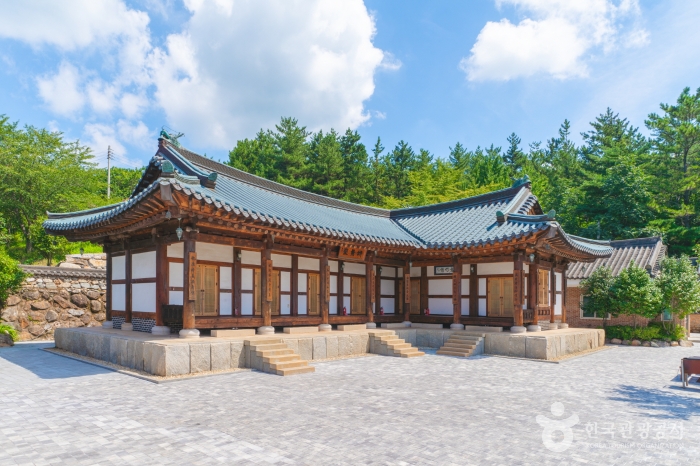
Yeongyeongdang in Gwangyang-si, Jeollanam-do, is a sunny hanok stay set in beautiful scenery with Baekun Reservoir in front and Baekun Mountain behind. Each room has a bathroom with bathtub, traditional ondol heating plus boiler, an AC unit and glass doors and windows to keep it cozy. Cooking is done in the common kitchen, with an outdoor barbecue also available. There is no supermarket nearby, so visitors should bring food with them. (There are vending machines for snacks and drinks in the kitchen.)
Urban place gangnam
2021-04-09
30, Hyoryeong-ro 77-gil, Seocho-gu, Seoul
+82-02-3474-9108
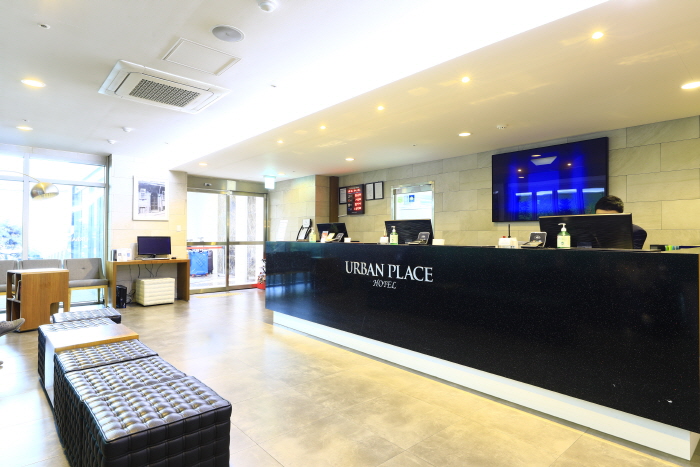
Urban Place Gangnam located near Gangnam Station, Seoul is a 20-story building with 257 guestrooms. Parking is available on the basement up to the sixth floor. There are easy means of public transportation in the vicinity of the hotel including Gangnam Station on Seoul Subway Line 2, which is a mere 2-minute walk from the hotel. All the guestrooms are furnished with a kitchen, making it a great choice for business travelers and family tourists alike. There is a coin laundry on the 1st floor. The lobby on the first floor is very comfortable with various newspapers, magazines, and books, with a bakery & cafe right next to the lobby. The fitness gym is on the 9th floor, where you can enjoy a view of the city while working out. The hotel also has a conference room for business travelers who need to meet with their clients. Since it is located in Gangnam, the hub of public transportation, it’s very easy to get to many of the popular tourist destinations in Seoul.
Sieunjae / 시은재
2025-08-13
439, Samil-daero, Jongno-gu, Seoul
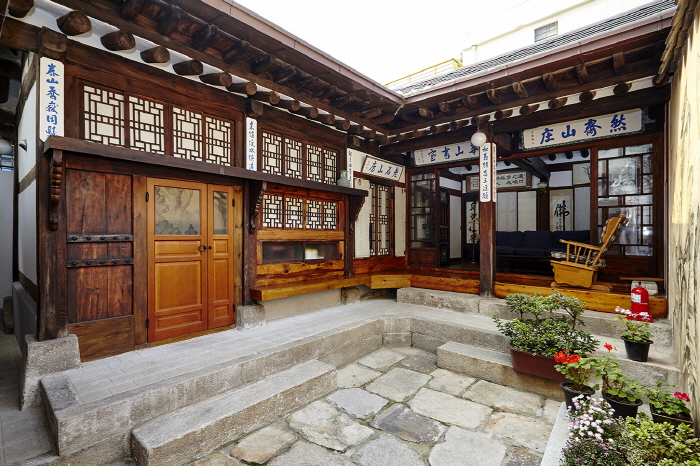
Located in Gyeongun-dong, Jongno-gu at the very heart of Seoul, Sieunjae is a hanok with a longstanding tradition. It has three guestrooms including the anbang (main room), byeolchae (detached building), and jakeunbang (small room). The anbang is the only room with a living room, where various items of old furniture, including a comfortable sofa, create an antique atmosphere. The communal bathroom and toilets are supplied with toiletries, while the communal kitchen is equipped with cooking equipment and a washing machine.
The house can be rented either as individual accommodations or in its entirety. As it is situated in Jongno-gu, at the very heart of Seoul, guests can easily reach many nearby major tourist attractions. Car users are advised to use the public parking lot as the house has no parking spaces. Entering by a small gate, the little flowerbed comes into sight. This old hanok shows traces of repair works on the tiled roof.
Le IDEA Hotel Busan Station (르이데아호텔)
2025-07-23
16-10, Jungang-daero 180beon-gil, Dong-gu, Busan
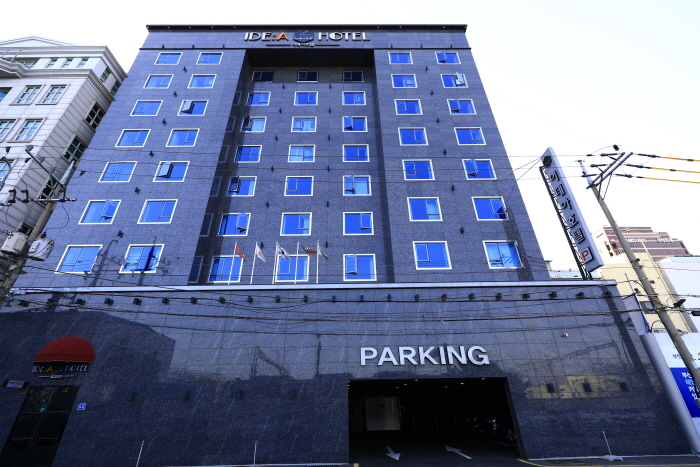
Le IDEA Hotel is a boutique hotel in Dong-gu, Busan. It has spacious rooms with large beds - some equipped with jacuzzis, and some with personal safes and closets for the convenience of long-stay residents. Rooms on the 5th floor and higher offer fine views of Hangdaegyo Bridge and the sea. The location is convenient for both transport - Busan station is nearby - and for visiting downtown Busan attractions such as Gukje Market, Jagalchi Market, Yongdusan Park and Taejongdae.

Doraemi House (도래미하우스)
2026-08-20
18-26, Dongnyeok-gil, Dado-myeon, Naju-si, Ciudad Metropolitana Especial de Jeonnam-Gwangju
Doraemi House in Dorae Village, Naju, Jeonnam-Gwangju, is a hanok stay with a bonchae (‘main house’), a sarangchae (men’s house) and a byeolchae (‘reception room’). The bonchae has two bedrooms with a hidden attic space. The sarangchae has a living room with bedrooms on either side; while the byeolchae, atop a low hilll, has a single cozy room. A walk along a forest road takes you to a pavilion by a pond. Next to the bonchae is a quiet and tranquil reading room.
 Español
 한국어
한국어 English
 日本語
日本語 中文(简体)
 Deutsch
 Français
 Русский


