Danyang Ondaldonggul Cave (단양 온달동굴)
11.9Km 2025-12-15
23 Ondal-ro, Yeongchun-myeon, Danyang-gun, Chungcheongbuk-do
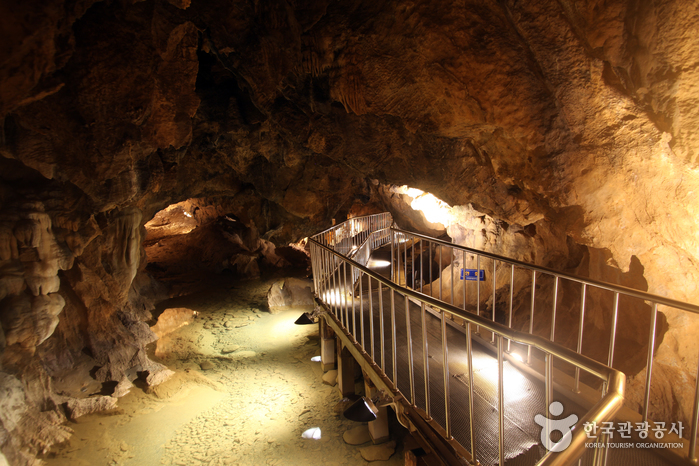
Ondaldonggul Cave is located underground at the foot of Seongsan Mountain, where Ondalsanseong Fortress is situated. It is a natural limestone cave that is estimated to have begun forming around 450 million years ago. The total 760 meter-long cave covers an area of 349,485 square meters. The cave mouth is two meters high, while the cave itself is 5 to 10 meters high and about 5 meters wide. The cave features stairway structure and contains an abundance of beautiful stalagmites and stalactites. The average temperature of the cave maintains 14 degrees Celsius in summer and 16 degrees Celsius in winter, making it a perfect all-year-round attraction. The cave is rich in underground water resources and there is a 0.8 to 1 meter-deep cave river flowing at the bottom of the cave floor. The cave also has over 40 small ponds that are inhabited by a variety of living organisms like fish and insects.
Situated on top of the mountain peak to the left of the cave is Ondalsanseong Fortress. The fortress has been preserved in its original form throughout some 1,400 years and shows the advanced building skills of Goguryeo Era (37 BC-668 AD). The annual Ondal Culture Festival is held every October around Ondaldonggul Cave and Ondalsanseong Fortress in memory of the legendary love story between General Ondal and Princess Pyeonggang. Other attractions in the area include a theme park and Jangseung (Korean traditional totem poles) Park.
Seonamgyegok Valley (Haseonam Rock) (선암계곡(하선암))
12.1Km 2021-05-14
1337, Seonamgyegok-ro, Danyang-gun, Chungcheongbuk-do
+82-43-422-1146
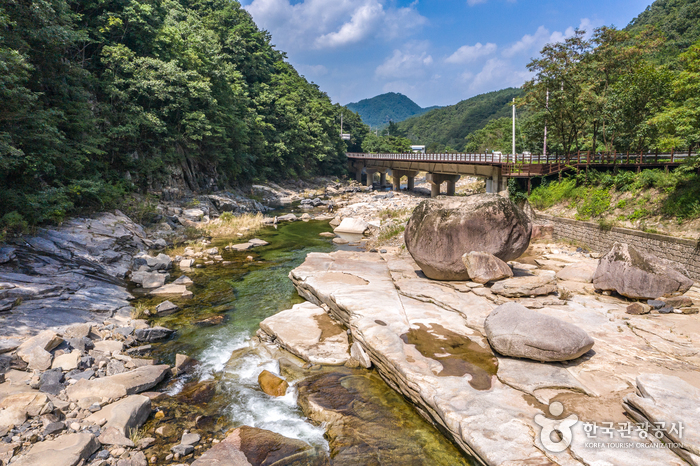
Seonamgyegok Valley is a clean 10-kilometer valley stretching from Gasan-ri to Daejam-ri in Danyang. Among the Eight Scenic Views of Danyang, Teukseonam Rock and Soseonam Rock are located here. This valley is known for its dense forests, strange rock formations, and clear and clean valleys, and is one of the best destinations in summer to camp and play in the water. Nearby attractions include Soseonam Recreational Forest, Teukseonam Camping Site, Soseonam Amusement Park, and Special Seonam Camping Site.

Sobaeksan National Park (Gyeongsangbuk-do Region) (소백산국립공원(경북))
12.9Km 2023-02-17
Punggi-eup, Yeongju-si, Gyeongsangbuk-do
+82-54-638-6196
Sobaeksan National Park was designated as the 18th national park in December 1987. The features of Sobaeksan National Park include wildflowers and royal azaleas in spring and snowy scenery in winter. The mountain borders three provinces and four cities. Attractions include various peaks, temples, and waterfalls. The mountain is especially popular in May when royal azaleas are in full bloom and a natural forest tunnel is formed. Birobong Peak of the mountain is covered with snow six months of the year and is called the Alps of Korea.
National Center for Forest Therapy (국립산림치유원)
13.6Km 2025-10-23
209 Therapy-ro, Bonghyeon-myeon, Yeongju-si, Gyeongsangbuk-do
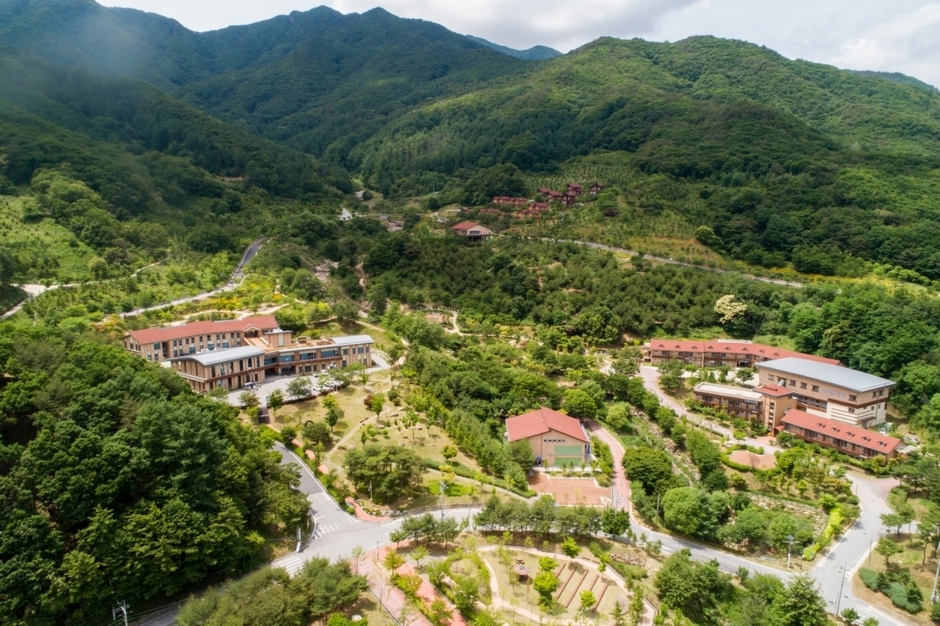
The National Center for Forest Therapy is a forest-themed well-being complex created to promote public health and quality of life by leveraging the abundant forest resources of the Baekdudaegan Mountain Range. Forests have transformed into a destination for healing one's mind and body, as well as a place for recreation. The National Center for Forest Therapy provides guidelines for proper exercise and daily habit improvements aimed at relieving stress and promoting mental and physical balance by utilizing the healing properties of the forest. Furthermore, visitors can experience the effects of forest therapy here. The center has healing forest trails, recreational facilities, accommodation facilities, and others.
Geumsusan Mountain (금수산)
14.5Km 2021-05-28
210, Sanghak 1-gil, Danyang-gun, Chungcheongbuk-do
+82-43-653-3251
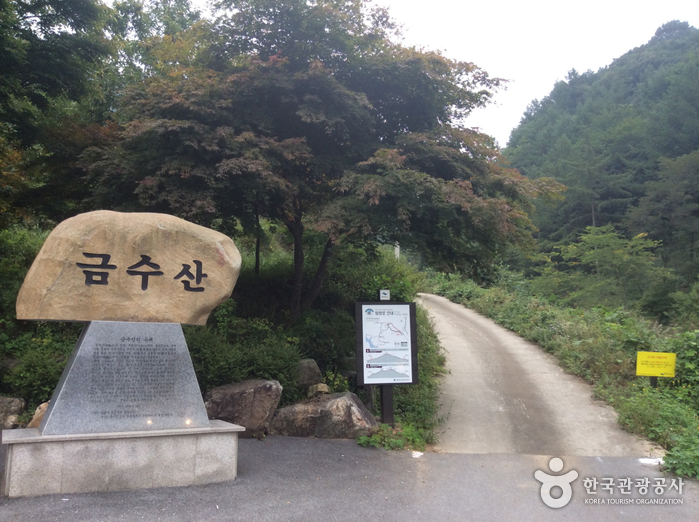
Geumsusan Mountain, originally called Baegamsan Mountain, was renamed by noted Joseon-period scholar Yi Hwang (pen name Toegye) when he was the chief governor of Danyang County, saying its graceful features matched the fineness of silk embroidery. The mountain is beautiful throughout the year with bright foliage in fall and an ice cave that stays frozen until early April. The view from the summit of the mountain resembles a pregnant woman lying on her side, and there is a legend that women who pray for a son here will have their wish come true.
Yeongju Punggi Insam Festival (경북영주 풍기인삼축제)
14.7Km 2025-07-11
Seongnae-ri, Punggi-eup, Yeongju-si, Gyeongsangbuk-do
+82-54-639-6612
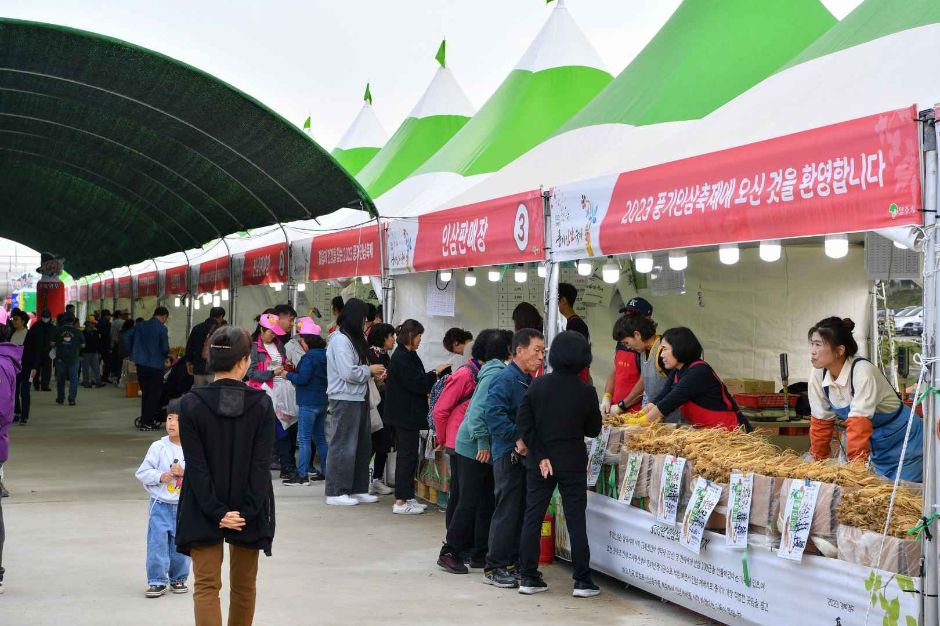
Ginseng is a well-known traditional Korean medicinal herb. High quality ginseng in Korea is mostly produced in Punggi, a region in Yeongju, Gyeongsangbuk-do, and the place where the Punggi Ginseng Festival takes place. The festival features health-related exhibits and offers opportunities to taste healthy ginseng dishes at the ginseng cooking exhibition. Visitors can also participate in Punggi ginseng-related interesting activities such as making Punggi ginseng wine and peeling ginseng in the traditional Korean way. The festival offers a variety of ginseng products, including fresh ginseng, original ginseng, red ginseng, and ginseng processed foods, which are all grown by local farmers in Yeongju and sold at reasonable prices. Additionally, the festival showcases local specialties and symbols such as ginseng and Yeongju apples through oil lantern displays along Namwoncheon Stream. With so many attractions, visitors are sure to have a great time at the festival.
Janghoe Quay (장회나루)
15.4Km 2024-02-27
3811-19 Worak-ro, Danseong-myeon, Danyang-gun, Chungcheongbuk-do
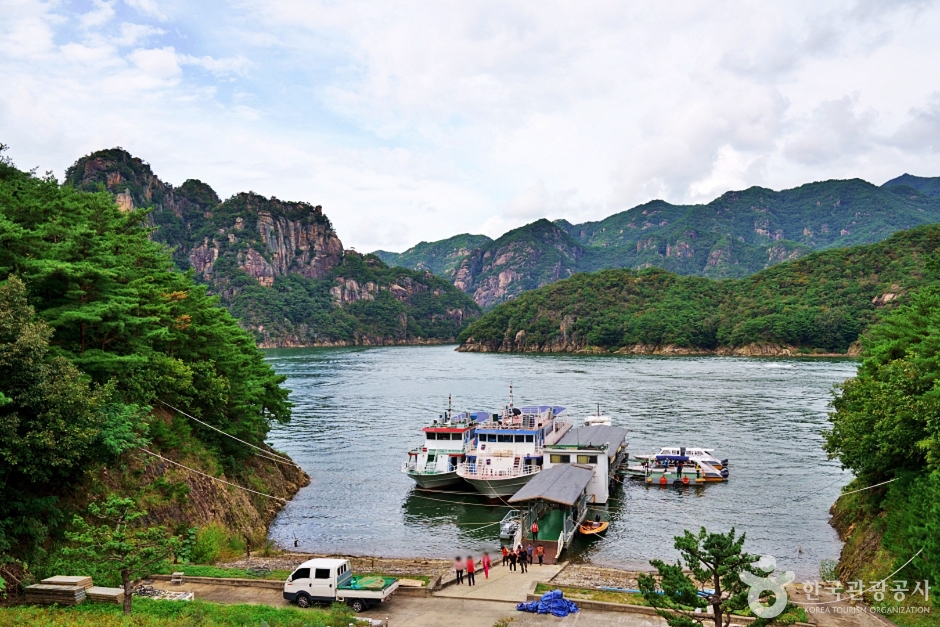
Janghoe Quay is a pavilion where visitors can enjoy the breathtaking scenery of Gudambong Peak and Chungjuho Lake in Danyang. The towering mountains, cliffs, and the shimmering waves of Chungjuho Lake create a beautiful landscape. With the presence of the Chungjuho Excursion Boat Terminal, it is a popular destination for domestic and international travelers, offering the opportunity to take a cruise around Danyang.
Sosu Museum (소수박물관)
15.4Km 2021-03-11
2780, Sobaek-ro, Yeongju-si, Gyeongsangbuk-do
+82-54-639-7691
Sosu Museum aims to consolidate and organize the nation’s traditional Confucian legacy and to establish the root of the national spirit through Sosuseowon, the first Confucian academy ever created in Korea. This museum is the only Confucian museum where visitors can experience the very valuable legacy of the Confucian culture and the rise and fall of Confucianism during the Joseon dynasty. The museum opened on September 22, 2004 and since then, it has been a place where one can experience the dynamic historical adventure through valuable Confucian relics and remains. The museum also aims to revitalize the local culture of the Yeongju area by showcasing the region's well-preserved cultural assets and items.
Seonbichon Village (선비촌)
15.5Km 2022-08-22
2796, Sobaek-ro, Yeongju-si, Gyeongsangbuk-do
+82-54-638-6444
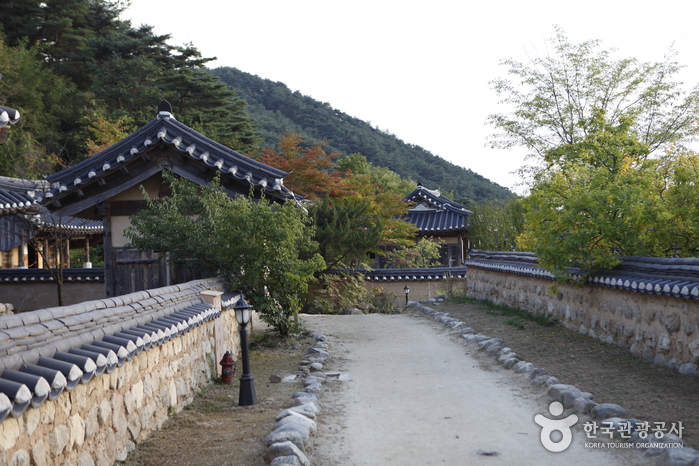
Seonbichon Village in Yeongju, Gyeongsangbuk-do, the cradle of Korean Confucianism, is where the spirit and cultural heritage of Korea’s classical scholars are preserved. The village is the perfect place to learn about traditional Korea, and is famous for its classical scholars’ loyalty and filial piety.
Seonbichon village offers a variety of traditional activities for visitors, from pounding rice cake to hanging wish lanterns to attending a traditional wedding ceremony or playing folk games such as yutnori or jegichagi. Visitors can also enjoy traditional dining at Jeojatgeori Street and learn about history through the museum. Guests can also enjoy the unique experience of staying in a hanok house through the overnight program and participate in scholar programs.
Seonam Garden (선암가든)
15.6Km 2024-03-18
38, Sangseonam-gil, Danseong-myeon, Danyang-gun, Chungcheongbuk-do
043-422-1447
Seonam Garden serves folk dishes at the foot of Doraksan Mountain, one of the 100 most famous mountains in Korea. Its signature menus are tojongdak baeksuk (whole chicken soup) and maeuntang (spicy fish stew). Visitors can also enjoy sanchae jeongsik (wild vegetable dish set menu), deodeok gui (grilled deodeok), healthy dotorimuk (acorn jelly salad), and handmade dongdongju (rice wine, similar to makgeolli), along with buchimgae (pancakes) and sondubu (handmade bean curd). These are accompanied by about ten elegant and delicious side dishes.
 English
 한국어
한국어 日本語
日本語 中文(简体)
 Deutsch
 Français
 Español
 Русский


