
Grand Hyatt Seoul (그랜드 하얏트 서울)
14.3Km 2025-10-23
322, Sowol-ro, Yongsan-gu, Seoul
+82-2-797-1234
The Grand Hyatt Seoul is an international business hotel located 10 minutes away from the center of the city and 20 minutes away from Yeouido and Gangnam, boasting a view of the Hangang River to the south and the scenery of Namsan Mountain to the north. It is also located only 70 minutes and 50 minutes away from Incheon International Airport and Gimpo International Airport respecitvely, making the hotel a convenient option for international travelers.
Grand Hyatt Seoul has twelve restaurants and bars that serve authentic meals and develop menus that lead the culinery trend. The hotel is also equipped with conference rooms, sports facilities, and spa services.
Supsok Hanbang Land (숲속한방랜드)
14.3Km 2024-03-18
75-7 Bongwonsa-gil, Seodaemun-gu, Seoul
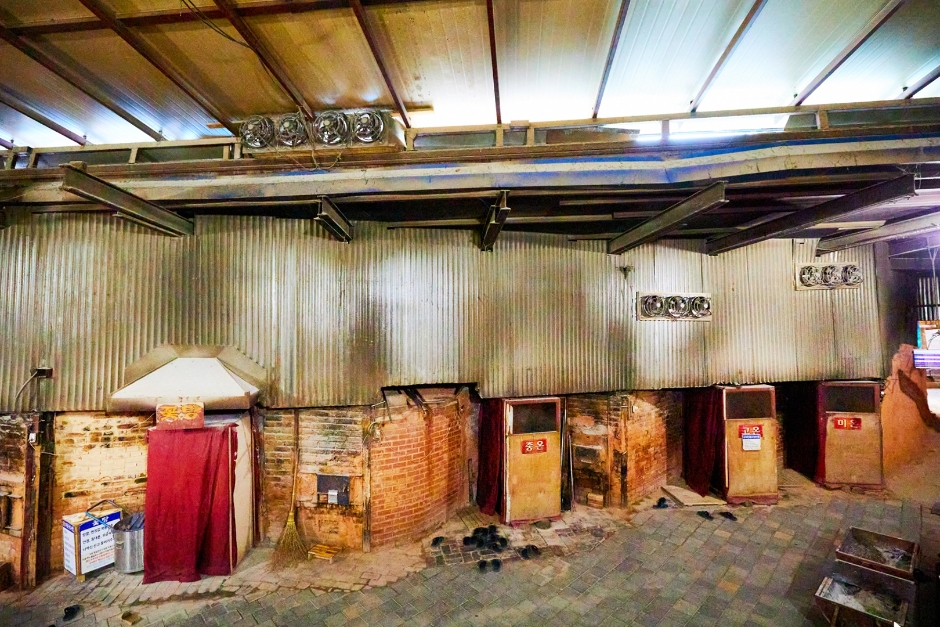
Jjimjjilbang, a Korean-style sauna that combines a traditional bathhouse with a hot steam room, is often ranked high among the unique experiences in Korea chosen by foreigners. Taking a steam bath in a charcoal kiln discharges waste products from the skin through sweat and eliminates accumulated fatigue. Supsok Hanbang Land has several charcoal kilns for different temperatures. Using them in order from low to high-temperature rooms is good, but the highest-temperature room, “Kkottang,” has a risk of causing skinburn, so visitors are advised to wear socks and cotton gloves to enter the room. Another unique experience is to grill sweet potatoes or rice cakes on the brazier in front of the charcoal kiln.
Hongjecheon Artificial Waterfall (홍제폭포)
14.3Km 2024-11-07
Yeonhui-dong, Seodaemun-gu, Seoul
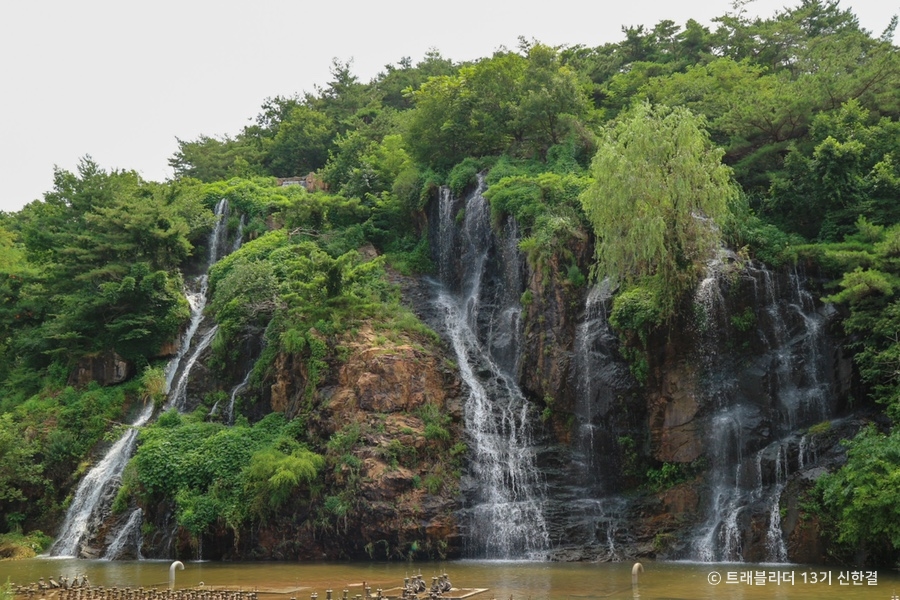
Hongjecheon Artificial Waterfall is located along Hongjecheon Stream in Seodaemun-gu, Seoul. The waterfall was built in 2011 and is 25 meters tall and 60 meters wide. Despite being a man-made waterfall, the design and construction were so well-done that many find it hard to believe it wasn't a naturally formed waterfall. The area around the waterfall features various places for citizens and visitors to relax, while there are many cafes and cultural spaces in the area to make a visit more enjoyable.
Maison Hannam (메종 한남)
14.3Km 2024-12-27
24 UN village 3-gil, Yongsan-gu, Seoul
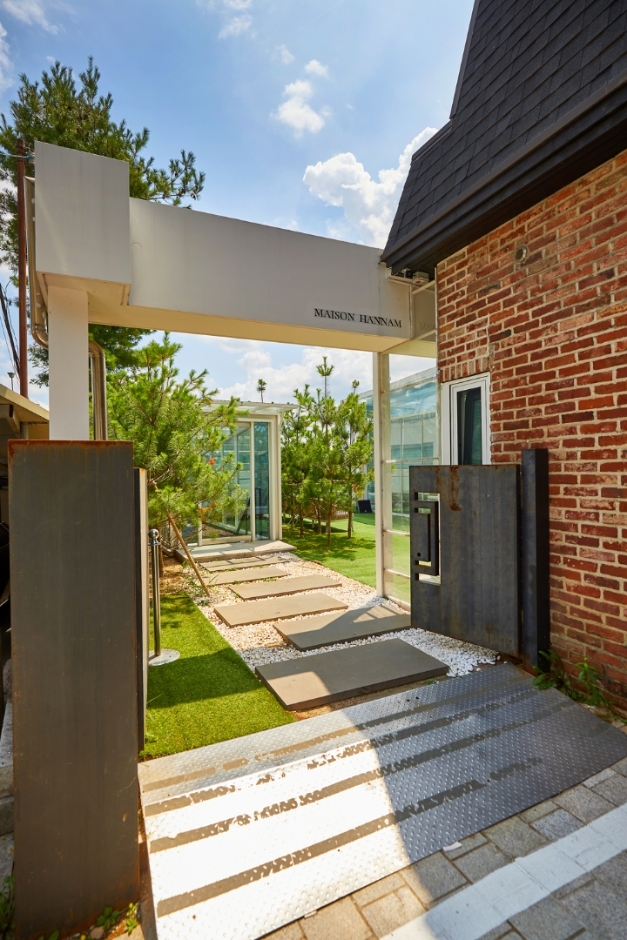
Remodeled from the prevoius Italian Embassy, this restaurant boasts an excellent view of the Hangang River and Lotte World Tower. It is a popular place for dates or birthday parties, requiring a reservation at least a month in advance to sit on the terrace with a view of the Hangang River. Among the recommended menus is the Maison Lunch Set, which offers three courses, including appetizers (such as grilled scallops), pasta, and Korean beef steak. The food is served warm, and the utensils are changed frequently for a pleasant meal. There is a glass greenhouse on the outdoor terrace, so guests can enjoy the Hangang River view regardless of the weather.

Leeum, Samsung Museum of Art (삼성미술관 리움)
14.3Km 2022-12-15
60-16, Itaewon-ro 55-gil, Yongsan-gu, Seoul
+82-2-2014-6901
Leeum, Samsung Museum of Art, exhibits traditional and modern art works by Korean and international artists. The museum itself is just as fascinating as the art works on display, since the museum's three buildings were designed by internationally renowned architects Mario Botta, Jean Nouvel, and Rem Koolhaas.
MUSEUM 1 houses traditional Korean art, such as calligraphy, paintings, ceramic arts, and metal craftwork, while MUSEUM 2 displays modern and contemporary art by both Korean and international artists.
Seodaemun Museum of Natural History (서대문자연사박물관)
14.4Km 2021-07-02
51, Yeonhui-ro 32-gil, Seodaemun-gu, Seoul
+82-2-330-8899
Nestled at the foothills of Ansan Mountain, a natural resting area in the city, Seodaemun Museum of Natural History is the first natural history museum in the nation to be established by a government agency. Opened on July 10, 2003, the museum offers various opportunities to experience and learn about the environment. It also provides the chance to interact with animals and plants, teaching the value of life.
Gusan Martyrs' Shrine (구산성지)
14.4Km 2024-02-08
387-16 Mangwol-dong, Hanam-si, Gyeonggi-do
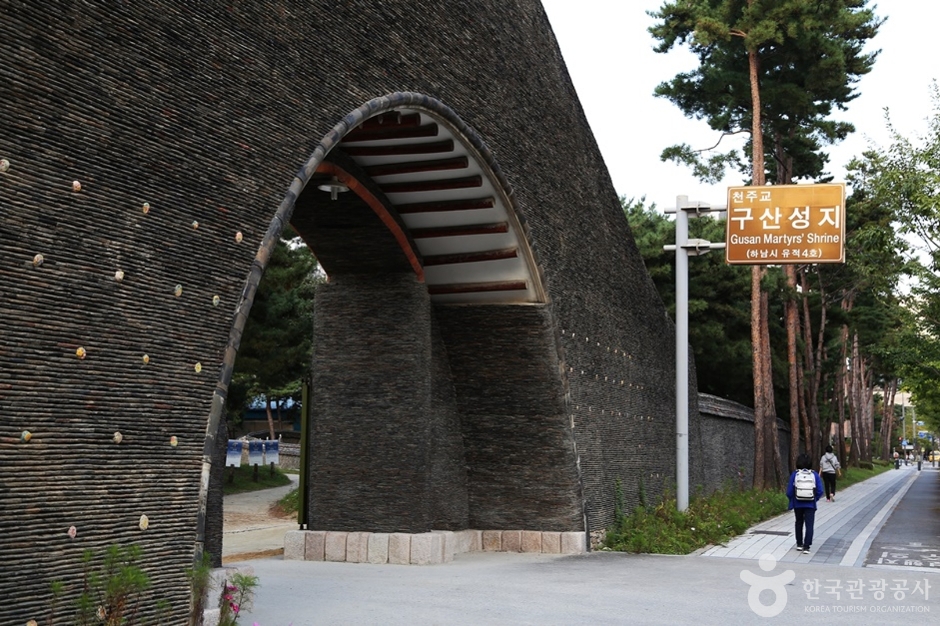
Gusan Martyrs' Shrine, located in Gusan Village, named for its turtle-shaped mountain, is a Catholic holy site. It houses the graves of nine martyrs, including Kim Seongwoo Antonio. The history of the martyrs, their persecution, and their lives, imbued with a spirit of martyrdom, attract Catholic pilgrims to the site. The area's picturesque landscaping also makes it a favored location for TV drama, commercial, and film productions.
Dr. Kim's Stem Cell Clinic (김현수내과의원)
14.4Km 2025-11-26
(7th Floor, Ssangbong Building), 874 Eonju-ro, Gangnam-gu, Seoul
As the only stem cell therapy hospital in Korea, we continue to treat patients with Cellgram®, the world's first stem cell drug. We have established a collaboration system for stem cell therapy with major hospitals in Korea including Severance Hospital, Asan Medical Center, and Samsung Medical Center. In November 2023, we were designated by the Ministry of Health and Welfare as an Advanced Regenerative Medicine Organization, and continued our stem cell research.
Dr. Kim’s Stem Cell Clinic has a wealth of technology and experience in the treatment of various diseases using adult stem cells.
Dr. Kim Hyun Soo, a specialist with 32-year practice experience, uses autologous stem cells to treat conditions such as heart disease, cirrhosis, multiple sclerosis, spinal cord injury, and stroke.
CAOLION Cosmetics (카오리온)
14.5Km 2025-01-06
8, Apgujeong-ro 50-gil, Gangnam-gu, Seoul
+82-70-4632-4420
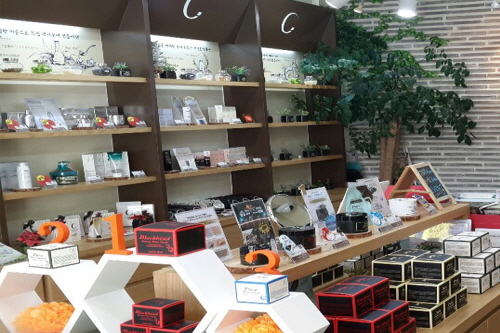
Established in 1995, CAOLION Cosmetics has been making hypoallergenic cosmetics for sensitive skin for 18 years.
The company launched natural cosmetics for the first time with a 3-free principle: pigment-free, fragrance-free, and alcohol free. At the present, the company has developed products that are exclude up to 17 adverse ingredients such as preservatives and mineral fibers.
CAOLION was the first Korean brand to enter into LVMH (Louis Vuitton Monët Hennessy)
Group's global cosmetics retail chain SEPHORA after being recognized as a quality natural cosmetic product for senstive skin after over two years of quality control. It is loyal customers as well.
HILLS & EUROPA (힐즈앤유로파)
14.5Km 2025-11-05
35 Sinheung-ro, Yongsan-gu, Seoul
Haebangchon's Hot Place
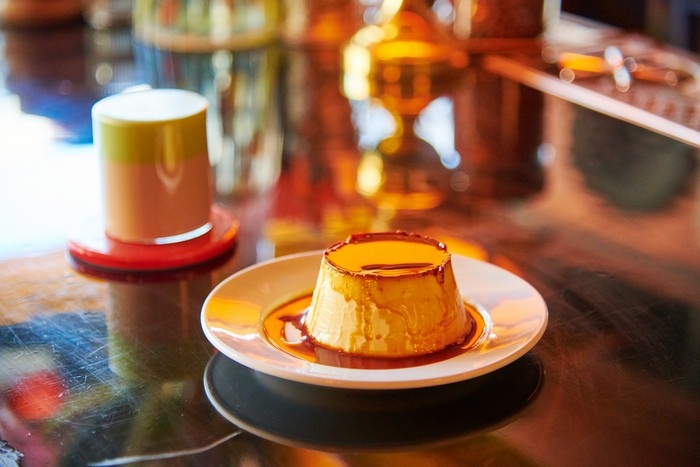
Singer Lee Hyori's OTT entertainment program 'Seoul Check-in' was filmed, and you can enjoy the atmosphere of Haebangchon properly. The low wooden ceiling and walls filled with unique objects and LPs from all over the world create a unique and cozy atmosphere. It is always full of customers as you can enjoy great visual cocktails and delicious dishes against the backdrop of various genres of music. During the day, it is good to enjoy coffee and dessert like a cafe. It is famous for its delicious cream caramel pudding, along with coffee that makes use of the taste of coffee beans from each region of origin. There are also various types of signature cocktails, but we recommend the unique visual 'Cigar in a Glass' that Lee Hyori and Park Narae drank.
 English
 한국어
한국어 日本語
日本語 中文(简体)
 Deutsch
 Français
 Español
 Русский


