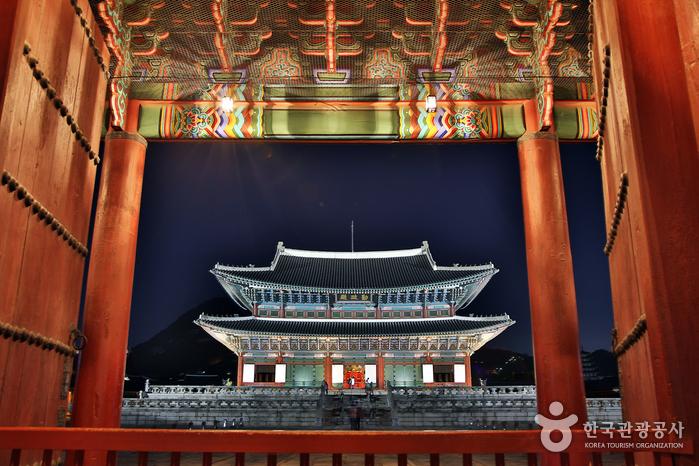
Jongno Cheonggye Special Tourist Zone (종로 청계 관광특구)
11.7Km 2021-12-30
99, Yulgok-ro, Jongno-gu, Seoul
+82-2-2148-1861
Jongno Cheonggye Special Tourist Zone stretches from Seorin-dong to Changsin-dong between Cheonggyecheon Stream and Jong-ro. It includes Youth Street, Gwangjang Market, Sewoon Electronics Department Store, lighting stores, pharmacy & medical device stores, badge stores, Stamp Street, Stationery · Toy Market, Aquarium Street, Shoes Market, and other markets totalling to approximately 14,000 shops. Nearby attractions include modern high-story buildings as well as Gyeongbokgung, Changdeokgung, Changgyeonggung, Deoksugung, and Unhyeongung Palaces, Jongmyo Shrine, and Insa-dong, merging traditions, modernism, culture, and markets alike.
Thought to be at the heart of Seoul, Cheonggyecheon Stream is located in the dense cultural area of Seoul where various press networks, organizations, bookstores and other major corporations are situated. Walking along Cheonggyecheon Stream is a famous activity for tourists. Also, the area is the venue for the Seoul Lantern Festival every winter. Keeping its traditional scene including narrow alleys, old-fashioned hanok buildings and various stores still fully intact, the tourist zone has enough fun places for sightseeing as well as tasty restaurants in every corner for a more enjoyable visit.

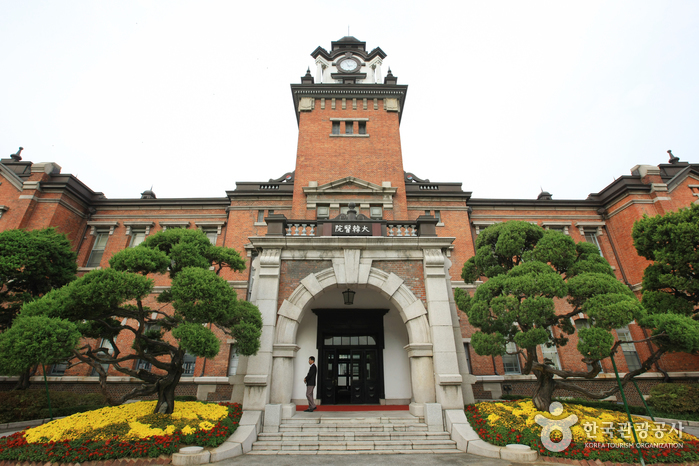
Seoul Daehan Hospital (서울 대한의원)
11.7Km 2021-12-23
101, Daehak-ro, Jongno-gu, Seoul
+82-2-2148-1842
Daehanuiwon (Daehan Medical Center) is an antique two-story brick building within the grounds of Seoul National University Hospital. It was established under the direct administration of the Uijeongbu (State Council), combining the Gwangjewon (under the Home Ministry), Gyeongseong Medical School and the Korean Red Cross Hospital (under the Royal Household).
Built in the Madubong Hill area, this location where Hamchunwon, the outer garden of Changgyeonggung Palace, once stood in 1484 (15th year of King Seongjong), was also once the site of Gyeongmogung Palace, where King Jeongjo enshrined the mortuary tablet of his birth father Crown Prince Sado Seja in 1776 (the year King Jeongjo ascended to the throne).
These places that held importance for the royal family were destroyed as the Japanese built Gyeongseong Empire University in its place. In 1907, with the announcement of the plan to establish Daehan Medical Center, construction began on the main building, seven wards and affiliated buildings. Construction was completed in November 1908.
The Daehan Medical Center opened in Gwangjewon, but upon Japanese colonization in 1910, its name was changed to the Japanese Viceroyalty Hospital. In 1926, it was included as a part of Gyeongseongjeguk University to become a university hospital. Since the liberation of Korea in 1945, it has been a hospital affiliated with Seoul National University.
Olive Young - Namyangju Donong Branch [Tax Refund Shop] (올리브영 남양주도농점)
11.7Km 2024-06-27
#109, and #110, 29, Donong-ro, Namyangju-si, Gyeonggi-do
-
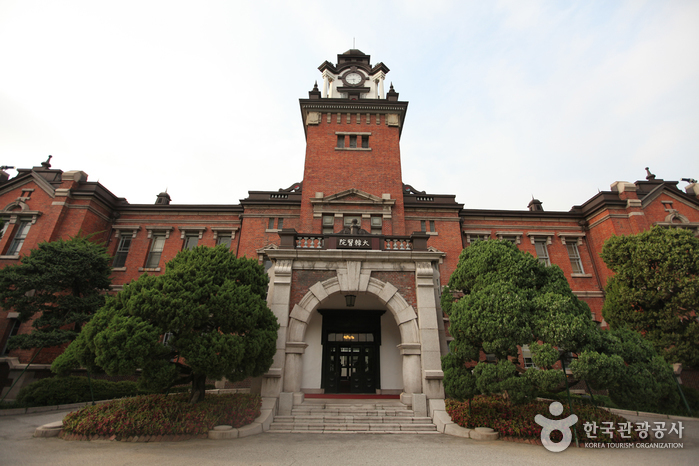
The Museum of Medicine (서울대학교병원의학박물관)
11.7Km 2024-03-18
101 Daehak-ro, Jongno-gu, Seoul
The Museum of Medicine is located in the building of the former Daehan Medical Center, the oldest modern hospital in Korea. It is a medical museum that provides a comprehensive view of the development of modern medicine in Korea, the history of medical devices, and the transformation of Seoul National University Hospital. Through permanent and special exhibitions, the museum showcases medical artifacts and documents related to the history of medicine.
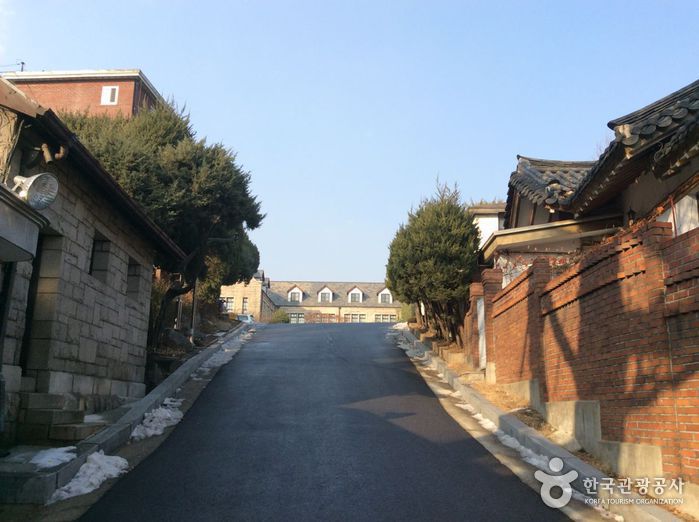
Choong Ang High School (중앙고등학교)
11.8Km 2025-10-23
164 Changdeokgung-gil, Jongno-gu, Seoul
+82-2-742-1321
Choong Ang High School is located in Jong-ro near Samcheongdong-gil. It was built to educate the public at the beginning of the 20th century. The school’s main building was reconstructed in 1937 after the original two-story brick house was destroyed in 1934. The main building situated in front of the main gate is a two-story H-shaped granite stone building in Gothic style, with a four-story tower in the middle.
The school holds historical significance because it was designed by Park Dong Jin, one of Korea's first modern architects and the designer of Korea University’s main building, library, and the Chosun Ilbo Newspaper Company building. The main building of Choong Ang High School is designated as Historic Site No. 281. Many national leaders were educated at the gothic building during the grim period when Korea was trying to escape Japanese colonial rule.
![KGC - Dongmyo Branch [Tax Refund Shop] (KGC 동묘점)](http://tong.visitkorea.or.kr/cms/resource/91/2878191_image2_1.jpg)
![E-Mart - Dasan Branch [Tax Refund Shop] (이마트 다산)](http://tong.visitkorea.or.kr/cms/resource/55/2888255_image2_1.jpg)
E-Mart - Dasan Branch [Tax Refund Shop] (이마트 다산)
11.8Km 2024-04-17
24, Donong-ro, Namyangju-si, Gyeonggi-do
-
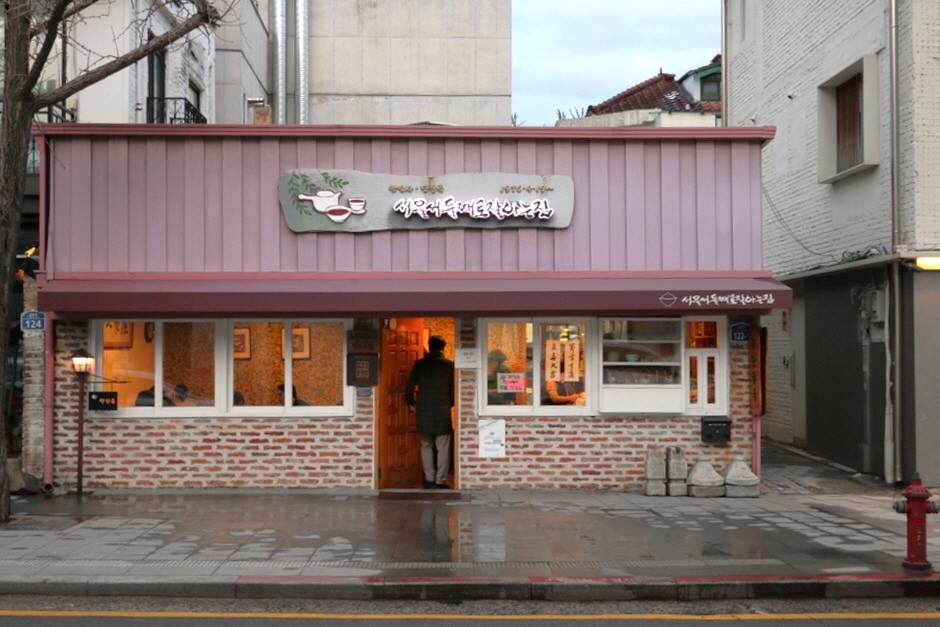
Seoureseo Duljjaero Jalhaneunjip (서울서둘째로잘하는집)
11.8Km 2024-03-15
122-1 Samcheong-ro, Jongno-gu, Seoul
+82-2-734-5302
Seoureseo Duljjaero Jalhaneunjip is a sweet red bean porridge and traditional tea house near Gyeongbokgung Palace. Sweet red bean porridge is a sweet and smooth dish typically containing chewy rice cakes and chestnuts. In Korea, it's a traditional food eaten during dongji (the shortest day and longest night of the year). They also offer traditional teas like ssanghwatang (herbal tonic tea), which contains seven medicinal herbs, sujeonggwa (cinnamon punch) with a blend of cinnamon and ginger flavors, and sikhye (sweet rice punch), a drink known for aiding digestion.
 English
 한국어
한국어 日本語
日本語 中文(简体)
 Deutsch
 Français
 Español
 Русский


