
The Children’s Museum of the National Folk Museum of Korea (국립민속박물관&국립민속박물관 어린이박물관)
13.1Km 2025-06-19
37 Samcheong-ro, Jongno-gu, Seoul
The Children’s Museum of the National Folk Museum of Korea, located within Gyeongbokgung Palace, showcases artifacts related to Korean traditional culture. This interactive museum allows children to experience and learn about various aspects of Korean traditional clothing, food, society, culture, and games firsthand. Especially catering to children from Asian countries, there is a service for renting items, and reservations are required for admission.
Bundang Jeongja-dong Café Street (분당 정자동 카페거리)
13.1Km 2024-02-29
234 Jeongjail-ro, Bundang-gu, Seongnam-si, Gyeonggi-do
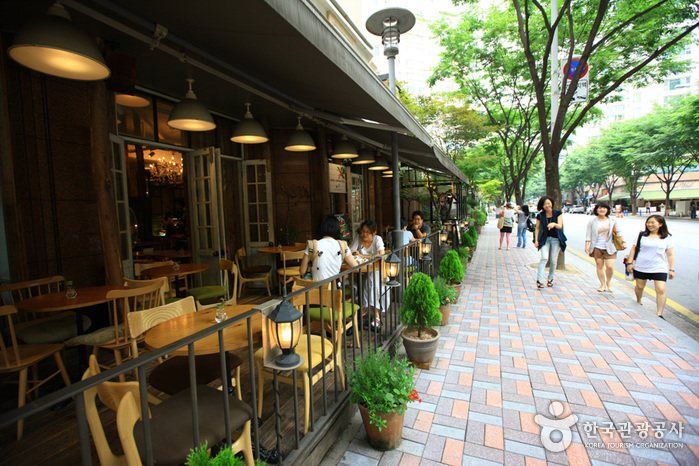
Jeongja-dong Café Street, located in the Geumgok-dong area, boasts 40-50 cafés and restaurants on the ground floor, reminiscent of European street cafés. This street, known for its exotic vibe, attracts visitors who enjoy brunch and reading by day or strolling by night. The nearby Namhansanseong Provincial Park and its scenic valley are also worth exploring.
Sealala Water Park (씨랄라 워터파크)
13.1Km 2024-03-20
(2nd underground floor), 164, Mullae-ro, Yeongdeungpo-gu, Seoul
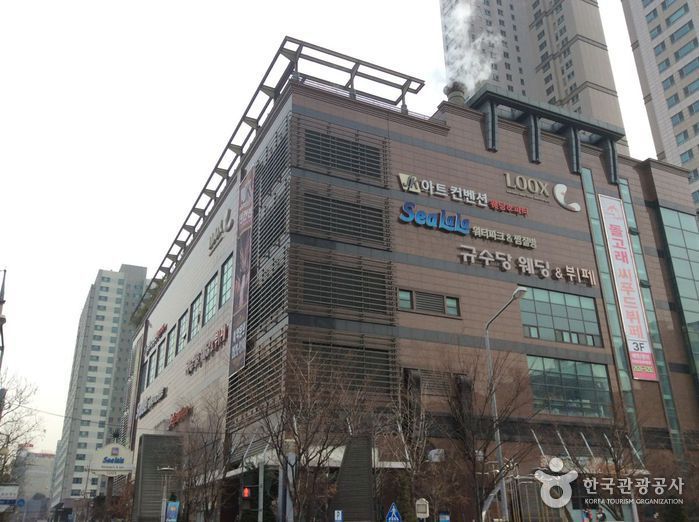
Sealala Water Park is a water park at the heart of the city where one can enjoy water activities across the four seasons. Its name is a portmanteau of the sea and lala, symbolizing the fun one can have in the water park. Inspired by the Mediterranean, the water park has water flowing pool, slides, beach pools, the Kids Land, bath pools, and rotating slides. Amenities onsite include convenience stores, manhwa cafe, and a swimming equipment store. Nearby tourist sites include the Yeongdeungpo Park, The National Assembly Building, and the Yeouido Park.
Korea Global Culture Exchange Center (KGCEC) ((주)케이지문화교류센터)
13.2Km 2025-10-23
#1404, 3 Gongwon-ro, Guro-gu, Seoul
Established in 2018, the Korea Global Culture Exchange Center (KGCEC) runs programs related to studying, tourism, and medical tourism in Korea. The company has attracted over 1,000 medical tourism customers, and approximately 700 international students were accepted by Korean universities with the help of the center. Additionally, the center has organized more than 20 large conferences and hosted over 2,000 FITs (Free Independent Travelers).
The center provides consultations and reservation services in Chinese. Interpretation and post-surgery caregiver services are available upon request. The center also provides comprehensive services from arrival to departure (e.g., pick-up, vehicle, tours, guides, hotel, interpretation, hospital, duty-free shopping, etc.)
The center has partner travel agencies in China who handle applications for Korean visas and medical tourism visas. The center is highly valued by its customers for its promotional efforts and its expansive network of partner hospitals, with its highest priority being service quality.
GRANDHAND. Gahoe (그랑핸드 가회점)
13.2Km 2025-12-04
61 Bukchon-ro 11-gil, Jongno-gu, Seoul
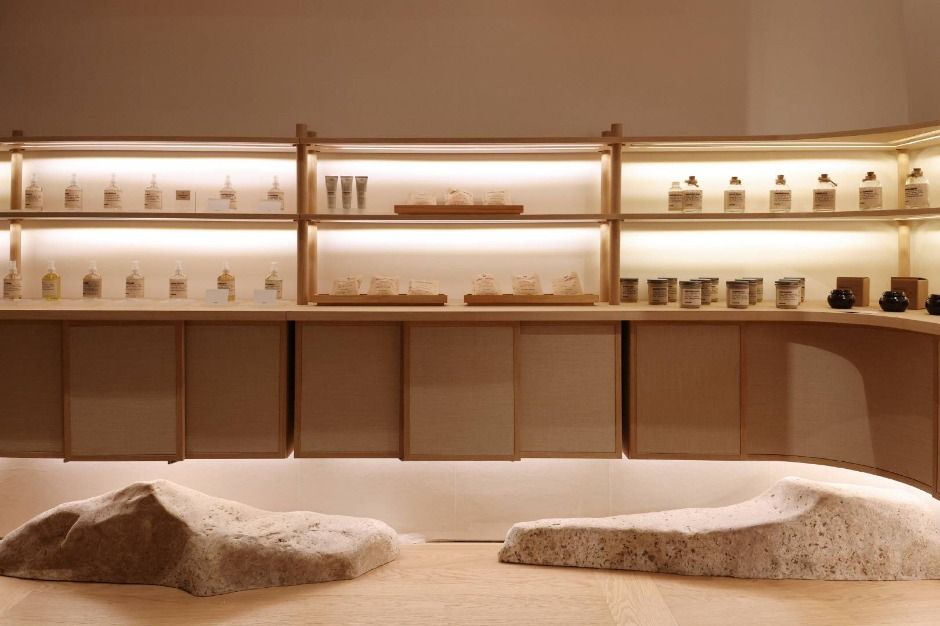
Launched in 2014 at a small hanok in Bukchon Hanok Village, this Korean perfume brand now has nine stores around Seoul. With no advertisements or online sales, GRANDHAND has preserved its roots for years. GRANDHAND. Gahoe located amidst the beautiful surroundings of Bukchon Hanok Village and various art museums has customers of all ages and nationalities.
Seoul Hiking Tourism Center - Bugaksan Branch (서울도심등산관광센터(북악산))
13.2Km 2024-03-05
88 Samcheong-ro, Jongno-gu, Seoul
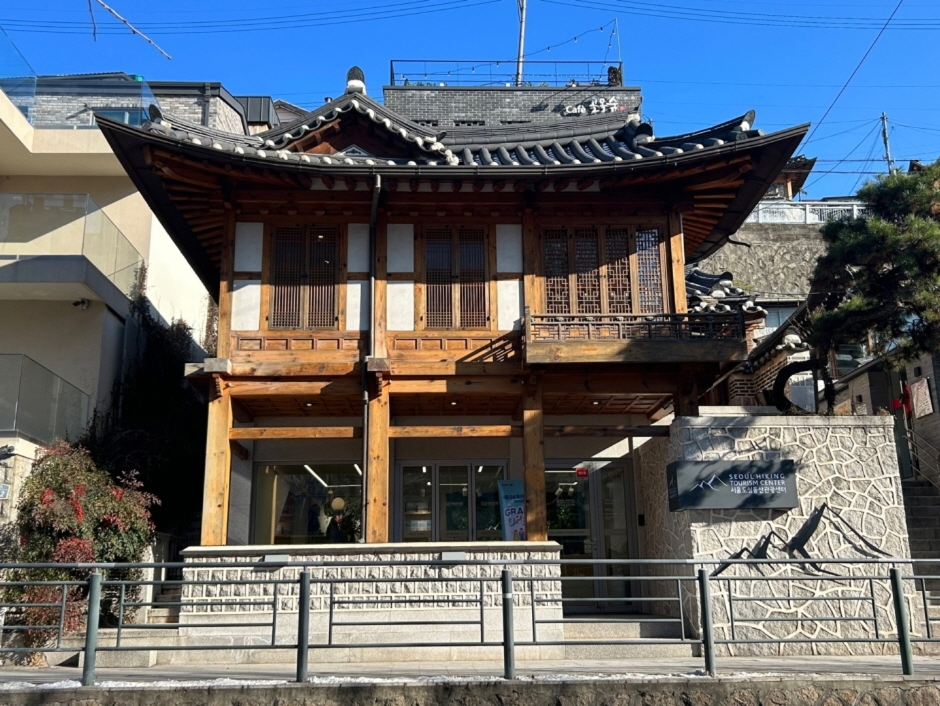
The Bugaksan branch of Seoul Hiking Tourism Center is located on Samcheong-dong Culture Street and provides various services to hikers. It provides hiking course guidance and information (available in Korean, English, Chinese, and Japanese) about the mountains of Seoul, including Bukhansan, Bugaksan, and Inwangsan Mountains, as well as promotional materials such as Seoul hiking tourism guidebooks and maps. Also, it operates hiking tour programs with various themes every week for foreigners and offers hiking gear rental services such as hiking boots, hiking attire, trekking poles, gloves, and crampons for foreigners. (Koreans accompanied by foreigners can also rent the gear.) In addition, there is a storage locker and lounge for visitors, so they can pack up and rest before hiking.

Tutorial (튜토리얼)
13.2Km 2025-10-30
39-15, Wausan-ro, Mapo-gu, Seoul
Singer Zion.T
The tutorial run by singer Zion.T and his father gives a comfortable first impression with white interior and spacious seats. The signature menu, 'Crumpled Paper Cake', is topped with non-smooth white icing and, as the name suggests, looks like crumpled paper. Chocolate sauce is provided here, so customers can write their own pictures or letters. Even if you're not good at it, you can make your own cake, so it's really fun. His dog ‘Haemeogi’ resting in the store as if indifferent is another specialty.
Yonsei University (연세대학교)
13.2Km 2023-07-04
50, Yonsei-ro, Seodaemun-gu, Seoul
Yonsei University, which opened in 1885, is a prestigious university that boasts a beautiful campus. In particular, it is famous for its wooden trails, antique buildings covered with ivy, and Cheongsongdae Forest, a popular dating spot among couples. Yonsei University also has a Korean language institute for foreigners interested in learning Korean.
Of one book and stay (일독일박)
13.2Km 2024-12-23
11-1 , Pirundae-ro 3-gil, Jongno-gu, Seoul
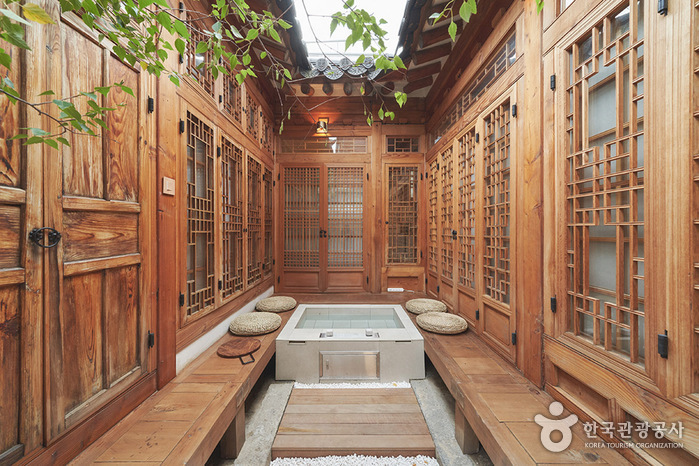
Ildogilbak in Seochon Village, Seoul, is a private hanok stay that has been stylishly renovated with modern facilities. The bedroom, kitchen and dining room are located around the courtyard. Tired travellers can soak their feet in the small courtyard footbath while sitting on the veranda. There’s a queen size bed in the bedroom, and a large table in the dining room where you can read a book and chat. There is also an attic space where you can fall asleep looking at the stars through a small skylight. The kitchen is well equipped, and there’s a tub in the bathroom.
 English
 한국어
한국어 日本語
日本語 中文(简体)
 Deutsch
 Français
 Español
 Русский


