Seoul Mongchontoseong Earthen Fortification (서울 몽촌토성)
12.8Km 2024-03-12
424, Olympic-ro, Songpa-gu, Seoul
+82-2-2147-2814
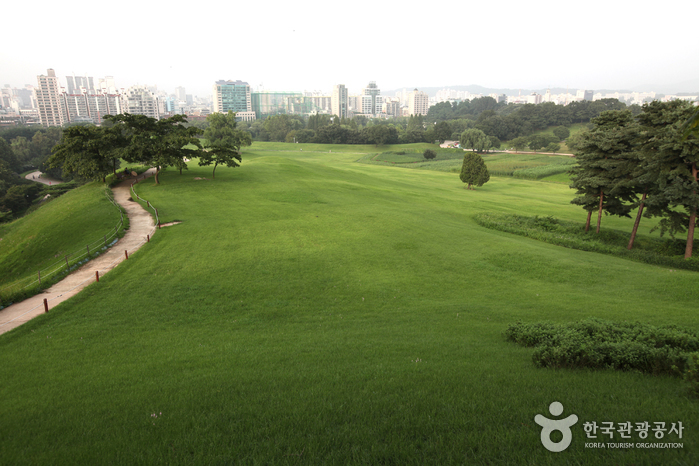
Mongchontoseong Earthen Fortification is an ancient earthen fortress built during the Hanseong period of the ancient Korean kingdom of Baekje (BC 18-AD 660). It is believed to have been constructed in the 3rd to 4th centuries. Utilizing the natural advantages of the Hangang River, it served defensive purposes with its trench and log barrier. Excavated relics from the Baekje era are on display at the Seoul Baekje Museum. The site is situated within the Olympic Park in Songpa, Seoul.

World Cup Park (월드컵공원)
12.8Km 2024-10-23
243-60 World Cup-ro, Mapo-gu, Seoul
Opened on May 1st, 2002, the Wolrd Cup Park was once a 15-year-old landfill that held over 92 million tons of garbage. The park is located near Seoul World Cup Stadium, and is made up of five smaller parks - Pyeonghwa (Peace) Park, Haneul (Sky) Park, Noeul (Sunset) Park, Nanjicheon Park, and Nanji Hangang Park.
* Pyeonghwa Park: Closest to Seoul World Cup Stadium, it holds a pond, garden, children’s playground, and forest. As a representative park of World Cup Park, the park was designed in hopes of peace and harmony between mankind and nature. It is often used as a picnic area and place for nature studies.
* Nanji Hangang Park: Nanji Hangang Park was developed on the banks of the Hangang River. In contrast to other Hangang River parks, Nanji Hangang Park is a water-friendly park that has a gradual slope towards the riverbank. The park consists of a camping ground, soccer field, basketball court, grass field, cruise ship port, and an area for nature studies.
* Haneul Park: Haneul Park consists of vast grassland located at the highest elevation of the five parks. The park's pasture is covered with eulalias and wild flowers in their most natural state. In addition, 30,000 butterflies of different species were introduced in 2000 to stabilize the ecosystem. Five wind-powered generators provide power to the park and the park’s maintenance office. Once a mountain of garbage, it is now a green hill with 22 lookout points offering breathtaking views of Seoul, including the N Seoul Tower, Bukhansan Mountain, and Hangang River. Tall trees are line the park to provide shades and serve as resting spots for visitors. As a popular spot to enjoy the sight of eulalias, the park usually remains open until late in the evening during the Eulalia Festival period.
* Noeul Park: In order to prevent the vast area of land of what was once a wasteland from becoming an unnecessary chunk of land, a nine-hole golf course was constructed in what is now known as Noeul Park. The golf course serves as an environment friendly entertainment park to visitors while stabilizing the geographical formation and has an urban park nearby that offers scenic views of the Hangang River and beautiful sunset. Located west of the golf park is Noeul Square, decorated with shrubs and flowers.
* Nanjicheon Park: Nanjicheon Park was developed from the Nanji Stream, which flowed under Haneul Park. It was once overflowing with sewage runoff from a nearby landfill, but it has since been beautifully restored into a park with clear water. The park is built to serve as a recreational spot for those with for youths, elders, and people with disabilities.
Mongchon Museum of History (몽촌역사관)
12.8Km 2021-08-13
424, Olympic-ro, Songpa-gu, Seoul
+82-2-2152-5900
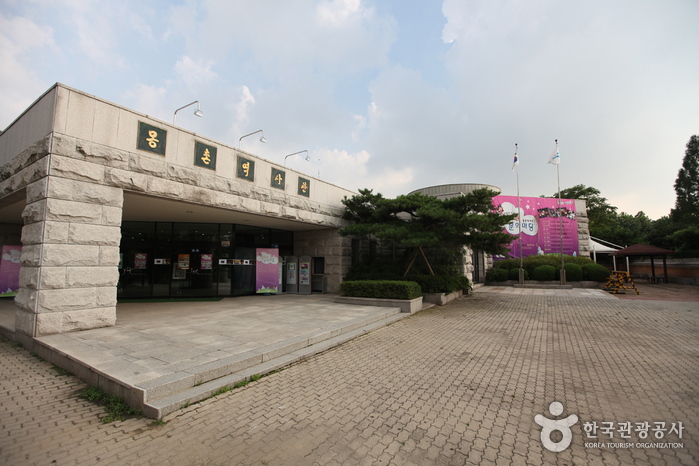
The Mongchon Museum of History, located within Olympic Park, displays artifacts from the excavations of Mongchontoseong Fortress, such as earthen fortifications as well as other artifacts of the Baekje Kingdom period, offering a glimpse into Baekje culture. A model of a Baekje dugout hut site reveals ancient dwelling patterns. Also, the facility displays a perfectly preserved model of ancient houses and tombs, giving visitors the feel of traveling back to prehistoric ages.
Oil Tank Culture Park (문화비축기지)
12.8Km 2024-11-01
87 Jeungsan-ro, Mapo-gu, Seoul
+82-2-376-8410
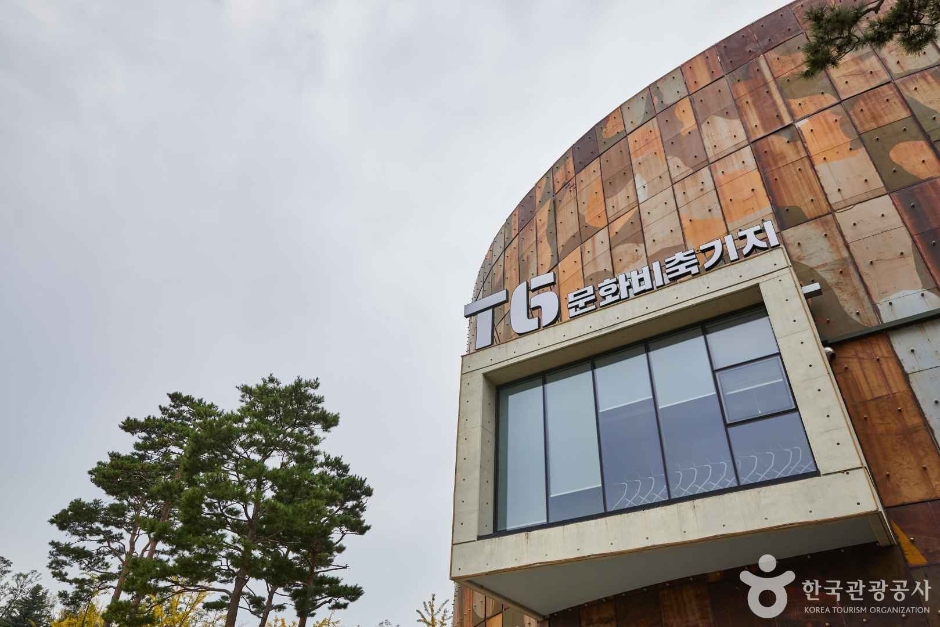
After being used as an oil tank for 41 years, the tanks were reborn into a culture space. The five tanks were transformed into performance halls, exhibition halls, and a multi-purpose pavilion, while one new tank was built to be used as an information center. In addition, the temporary parking lot turned into a culture yard where visitors can relax as well as enjoy activities or performances.
Dojeong Yukgwan (도정육관)
12.8Km 2025-10-27
42 Seocho-daero 78-gil, Seocho-gu, Seoul
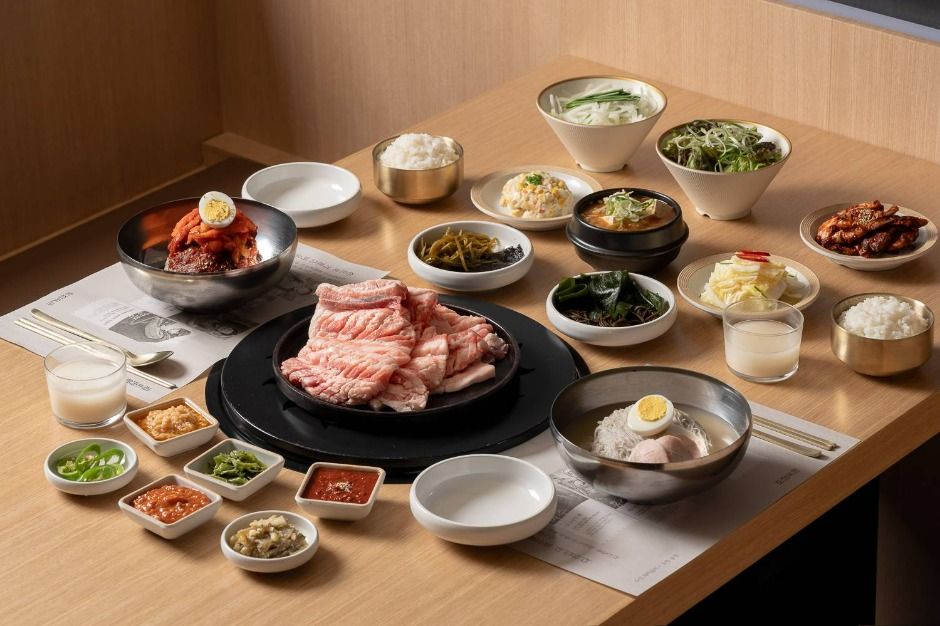
Dojeong Yukgwan is a Korean BBQ restaurant in Gangnam. Every morning, fresh rice is milled on-site to cook the rice, and carefully aged meat is served alongside. The meat is aged at a consistent temperature and humidity, resulting in a tender texture and deep flavor. The meat is grilled over charcoal, with staff grilling the meat to serve it in optimal condition. A variety of side dishes are served alongside the food. The interior features warm lighting and wooden interiors, creating a relaxed yet sophisticated atmosphere.
Jeoldusan Martyrs' Shrine (절두산순교성지)
12.8Km 2024-03-12
6 Tojeong-ro, Mapo-gu, Seoul
+82-2-3142-4434
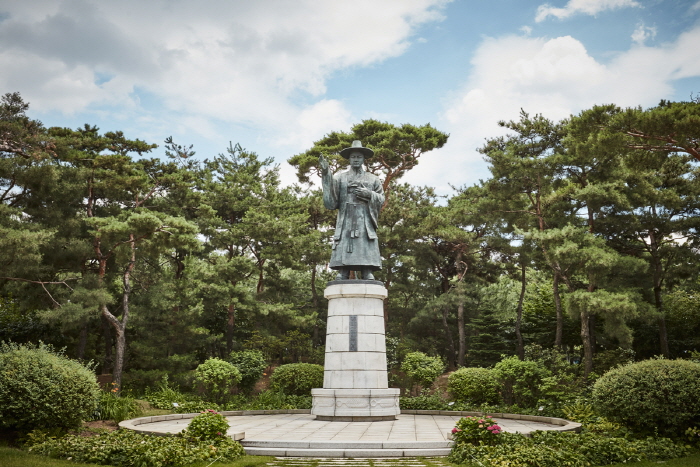
Jeoldusan Martyrs' Shrine is the site where many Catholic believers were executed in 1866 due to persecution. In commemoration of the 100th anniversary of the martyrdom, the Korean Catholic Church opened the Memorial Hall in October 1967, exhibiting materials, relics, and souvenirs related to the Korean Catholic Church and operating a museum. Pope Johannes Paulus II visited the site in 1984, and Mother Teresa visited in 1985.
Korean Martyrs' Museum (한국천주교순교자박물관)
12.8Km 2023-01-03
6, Tojeong-ro, Mapo-gu, Seoul
+82-2-3142-4434
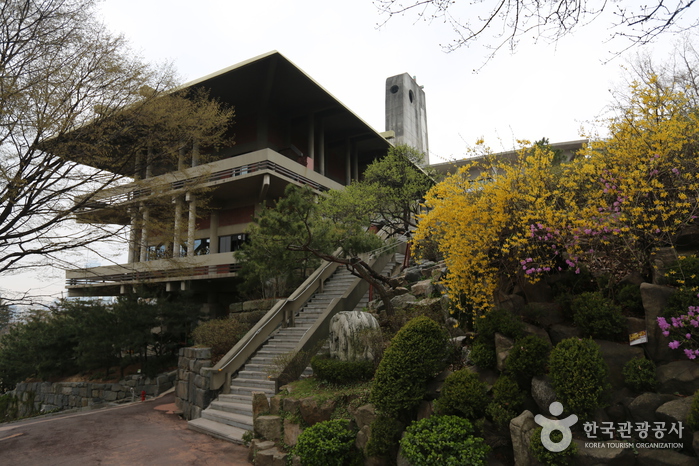
Korean Martyrs’ Museum was opened in October of 1967 as Jeoldusan Martyrs' Shrine, in memory of the Catholic martyrs who lost their lives during the Byeongin Persecution of 1866. The name of the museum changed to the current Korean Martyrs' Museum in August 2008. The museum displays artifacts and materials in exhibitions related to the Catholic Bishops' Conference of Korea.
KUIMS (강동경희대학교병원)
12.9Km 2025-10-23
892 Dongnam-ro, Gangdong-gu, Seoul
Kyung Hee University Hospital At Gangdong (KUIMS), located in Gangdong-gu, Seoul, has three university hospital organizations: the School of Medicine, the School of Korean Medicine, and the School of Dentistry. As we use an international brand name KUIMS, we prioritize the convenience and satisfaction of foreign patients. With our advanced medical technologies such as high-difficulty critical disease surgery, robotic surgery, and organ transplantation, we provide fast-track services for all treatment processes such as outpatient appointments, various tests and surgeries, and hospitalization.
In addition, we provide free 1:1 professional medical interpretation and operate a 24-hour hotline with specialized services such as the International Healthcare Center, International Lounge, and a ward for international patients only for the convenience of foreign patients.
ODE Clinic (오드의원)
12.9Km 2025-11-28
8th Floor, Gyeongwon Building, 340 Gangnam-daero, Gangnam-gu, Seoul
ODE Clinic is a dermatology and aesthetic medical institution with a high proportion of domestic patients, ensuring proven safety and trust. The clinic operates a designated doctor system, providing responsible 1:1 consultation and treatment. Its medical team consists of young specialists capable of offering the latest treatment trends. With this experience, ODE Clinic provides reliable medical services to international patients.
BBQ Yul (고깃집열)
12.9Km 2025-12-16
48 Seocho-daero 78-gil, Seocho-gu, Seoul
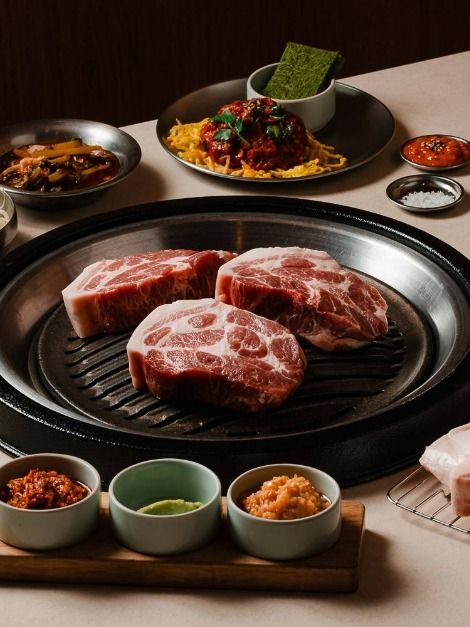
BBQ Yul, a Korean barbecue restaurant in Gangnam, boasts deep flavors of pork aged for 336 hours and charcoal. All meats are sourced domestically and cooked by the skilled staff to ensure optimal cooking and flavor. The interior is composed of warm lighting and wooden decor, and opening the folding door reveals an open space like a terrace.
 English
 한국어
한국어 日本語
日本語 中文(简体)
 Deutsch
 Français
 Español
 Русский


