
Exprive (주식회사 엑스프리베)
8.0Km 2025-10-23
#705, 38 Ttukseom-ro 13-gil (Seongsu-dong 2-ga, Sangsang Planet), Seongdong-gu, Seoul
Exprive Medical is a certified international patient attraction agency that safely connects overseas patients with Korea’s high-quality medical services. Our main services include discovering and consulting with international patients, coordinating customized hospital connections, and providing interpretation and convenience support. Through personalized services tailored to each patient, we contribute to enhancing the value of Korea’s medical tourism.
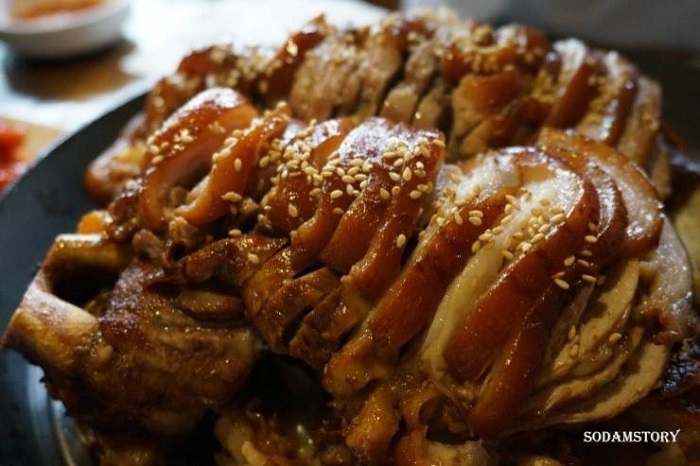
Madang Jokbal (마당족발)
8.0Km 2024-10-15
175, Neungdong-ro, Gwangjin-gu, Seoul
It is a restaurant with an outdoor terrace. This Korean dishes restaurant is located in Gwangjin-gu, Seoul. The most famous menu is braised pigs' feet.
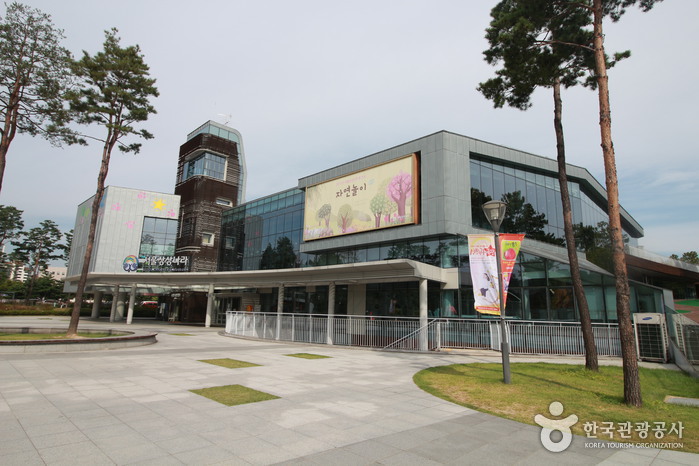
Seoul Children's Museum (서울상상나라)
8.0Km 2024-03-07
216 Neungdong-ro, Gwangjin-gu, Seoul
Seoul Children's Museum is a multifaceted cultural space established in 2013 to foster children's creativity and imagination. Spanning from the basement floor to the third floor, it boasts over a hundred interactive exhibits. These exhibits cover a wide range of areas including art, imagination, thought, and physical play, organized into ten distinct zones. It's a popular destination where children can learn and expand their imagination through play. Advanced booking is required, and reservations can be made through the website.
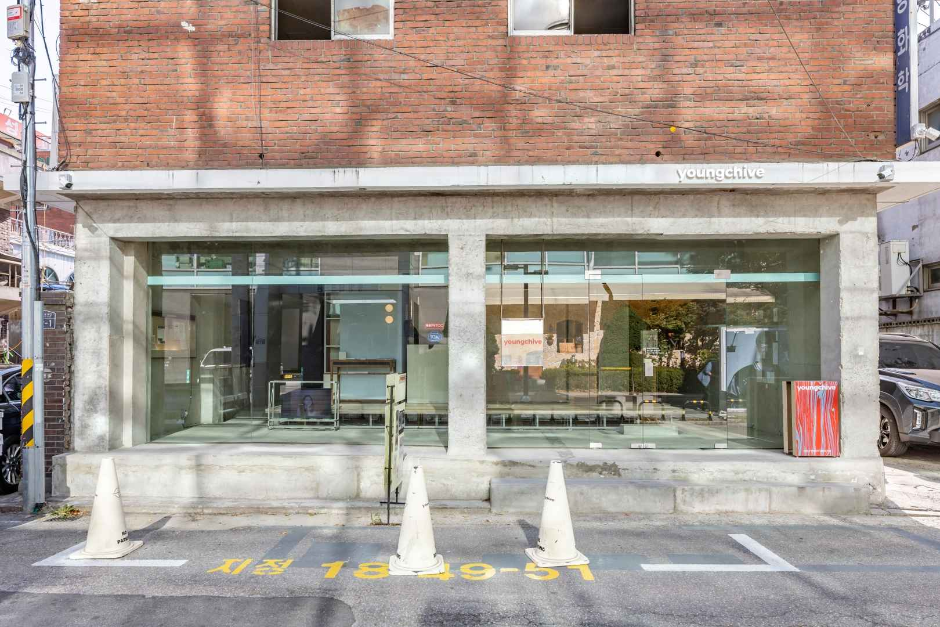
Youngchive Seongsu (영카이브 성수점)
8.0Km 2025-11-06
1F, 32 Seongsui-ro 18-gil, Seongdong-gu, Seoul
◎ Travel information to meet Hallyu’s charm
Youngchive Seongsu is the self-photo studio where Red Velvet’s Seulgi took photos with the staff while filming her vlog. It is known for its warm color tones, which set it apart from other self-photo studios. The Seongsu branch offers unique booths, such as the “still room” and “denim room,” which aren’t available at other locations, making it a must-visit spot.
![Lotte Outlets - Seoul Station Branch [Tax Refund Shop] (롯데아울렛 서울역점)](http://tong.visitkorea.or.kr/cms/resource/80/3003480_image2_1.jpg)
Lotte Outlets - Seoul Station Branch [Tax Refund Shop] (롯데아울렛 서울역점)
8.0Km 2024-07-30
405, Hangang-daero, Yongsan-gu, Seoul
- Located in the heart of transportation at Seoul Station, LOTTE Seoul Station offers convenience with easy access to nearby public transport and parking and holds a diverse selection of brands under the YOUNG & SPORTY concept. Experience top-notch services tailored to our foreign guests in our Global Service Room.
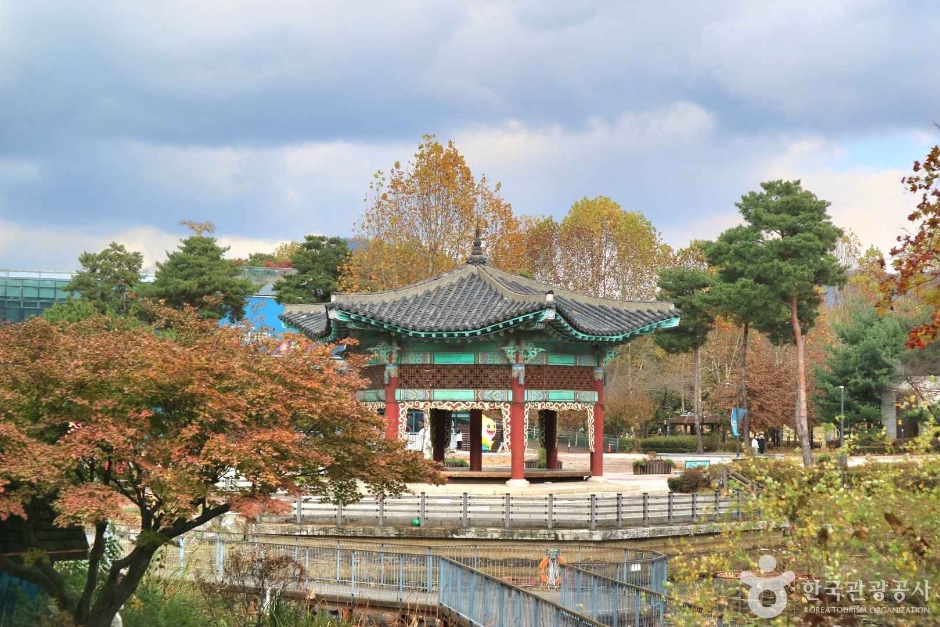
Seoul Children's Grand Park (서울어린이대공원)
8.0Km 2024-11-28
216 Neungdong-ro, Gwangjin-gu, Seoul
Opened in May 1973, Seoul Children’s Grand Park is a theme park situated among green forests and fields with a total area of 56,552㎡. It contains a zoo, arboretum, amusement park, and performance venues. Seoul Children’s Grand Park has been a beloved part of Seoul, a paradise for children and a living venue for education. For grown-ups, it functions as an area of refuge and culture within the city. The Grand Park offers facilities that everyone in the family can enjoy, so everyone can find their own fun in the Grand Park.
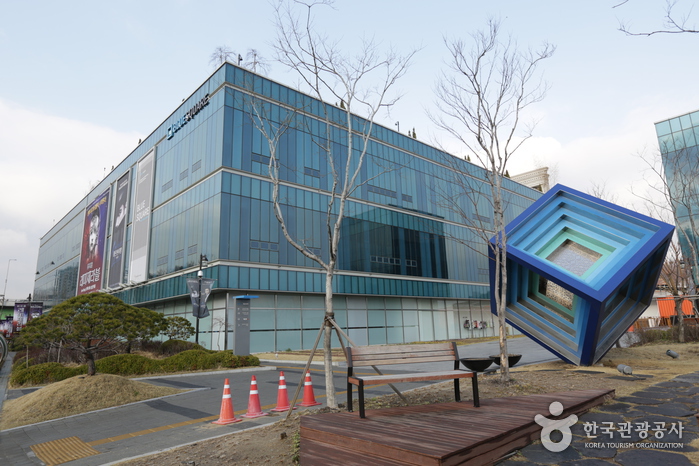
Blue Square (블루스퀘어)
8.0Km 2024-03-05
294, Itaewon-ro, Yongsan-gu, Seoul
Blue Square is a multipurpose performance venue located in Hannam-dong. It includes Shinhan Card Hall, a performance hall dedicated to musicals with 1,776 seats, and Mastercard Hall, a multipurpose performance hall with 1,400 seats. Blue Square also includes the Book Park, which has a collection of nearly 75,000 books, and a café with a terrace that looks toward the Namsan Mountain. Many visitors come to the Blue Square to see its collection of popular musicals and other performances.
![Jingwansa Temple (Seoul) [진관사(서울)]](http://tong.visitkorea.or.kr/cms/resource/33/3429433_image2_1.JPG)
Jingwansa Temple (Seoul) [진관사(서울)]
8.1Km 2025-06-30
73 Jingwan-gil, Eunpyeong-gu, Seoul
Jingwansa Temple is one of the four Buddhist temples that surround Seoul. It was known as the center of Buddhism and academics. Jingwansa Temple is home to a variety of buildings, such as Daeungjeon Hall, Myeongbujeon Hall, and Nahanjeon Hall, all surrounded by the beautiful nature of Bukhansan Mountain. In fact, the temple complex is a popular fall destination for its fall colors. Visitors can also visit the nearby Eunpyeong Hanok Village.
Jingwansaggyegok Valley (진관사 계곡)
8.1Km 2024-02-20
73 Jingwan-gil, Eunpyeong-gu, Seoul
Jingwansaggyegok Valley is a 1km-long stream located within the Bukhansan National Park, with clear water always flowing. Surrounded by deep forests, it offers refreshing shade and clean air. The valley features various shaped rocks and waterfalls, creating a beautiful scenery. In particular, it's a great spot for water activities with the cool shade and refreshing stream during the summer, and the autumn leaves make it stunning in the fall. Its accessibility from downtown Seoul adds to its appeal.
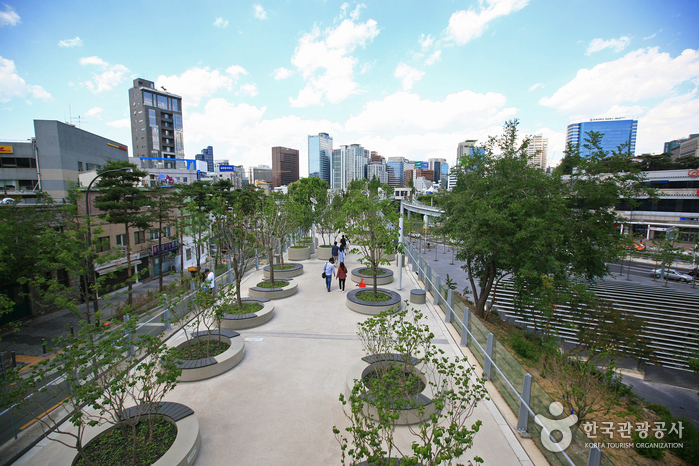
Seoullo 7017 (서울로 7017)
8.1Km 2025-10-24
405, Hangang-daero, Jung-gu, Seoul
Originally opened in 1970, Seoullo 7017 was an elevated road that crossed over the Seoul Station railway, but when it became dilapidated and unusable for traffic, it was converted into a park in 2017. It is about 17 metres above the ground and offers a panoramic view of the Seoul Station Railway and the city of Seoul. It is directly connected to Seoul Station.
 English
 한국어
한국어 日本語
日本語 中文(简体)
 Deutsch
 Français
 Español
 Русский


