Jeongdong-gil Road (정동길)
8.7Km 2024-06-19
2-1 Jeongdong-gil, Jung-gu, Seoul
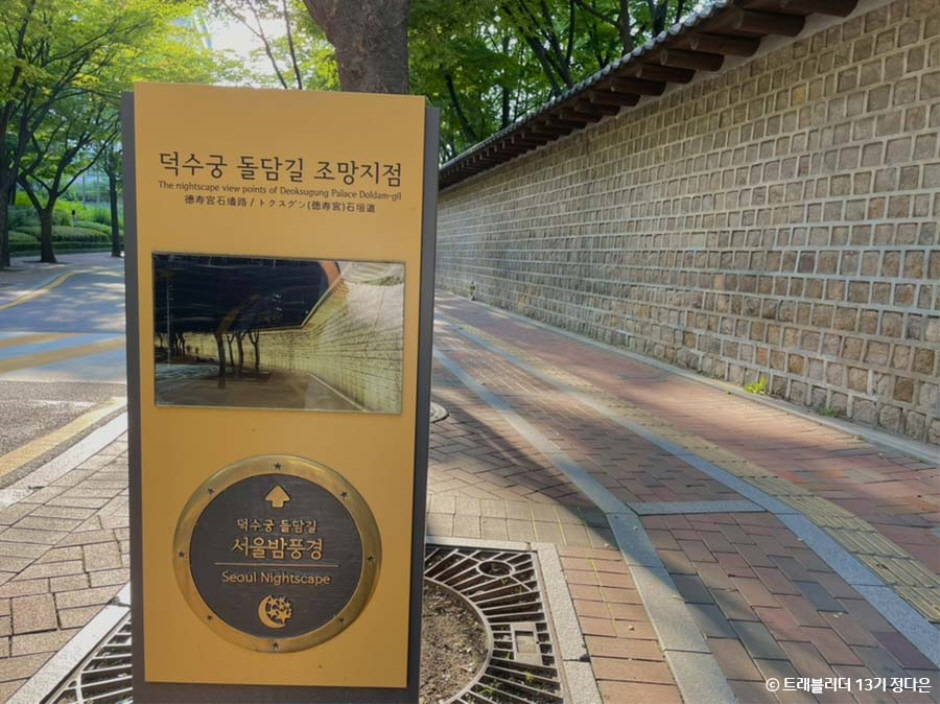
Jeongdong-gil Road is one of Seoul's most famous walking paths, stretching from the intersection in front of Jeongdong Church to Saemunan-gil Road. The street holds importance in Korea's modern history, with the surroundings serving as a living museum of this. During the Joseon dynasty, the area developed into a residental space for distant members of the royal family, with a palace and royal tombs in the area. In 1999, the pedestrian walking area was expanded by turning the two-way road into a one-way road. Since then, the road has earned many awards and honors.
KT Square (KT스퀘어)
8.7Km 2021-07-08
178, Sejong-daero, Jongno-gu, Seoul
+82-1577-5599
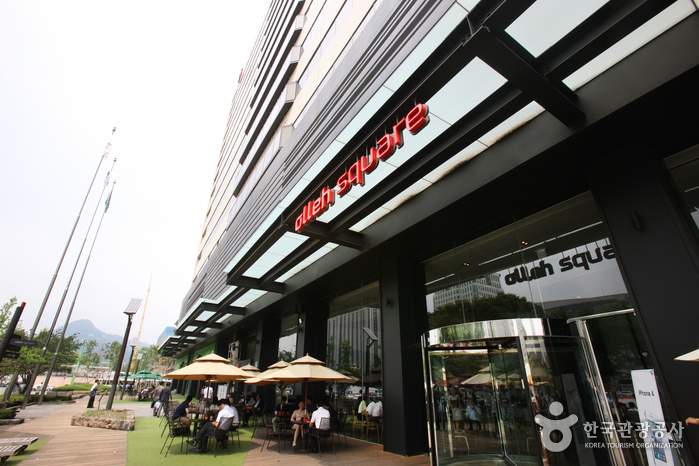
KT Square is a multi-complex that offers various cultural performances as well as hands-on experiences of the latest in IT technology. Gallery 130 showcases the history of KT Corp.
Color pool Museum (컬러풀뮤지엄(COLORPOOL MUSEUM))
8.7Km 2025-10-27
6F, 49 Insadong-gil, Jongno-gu, Seoul
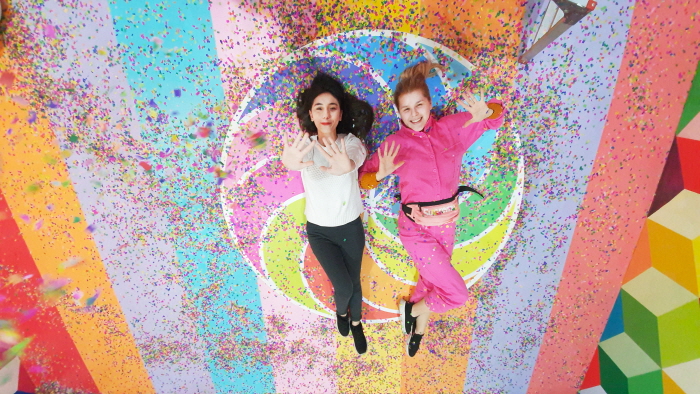
It is an experiential museum where you can feel the variety of colors with all your senses. If you want to have a picture with a pretty background like a fairy tale, there is no better place than this museum. The pool filled with adorable pink balls is the most popular section that brings happy smiles to everyone, adults and children alike. You can also find various souvenirs related to bathing, such as exfoliating towels and natural soap.
Runner Station at Yeouinaru Station (여의나루역 러너스테이션)
8.7Km 2025-11-06
343 Yeouidong-ro, Yeongdeungpo-gu, Seoul
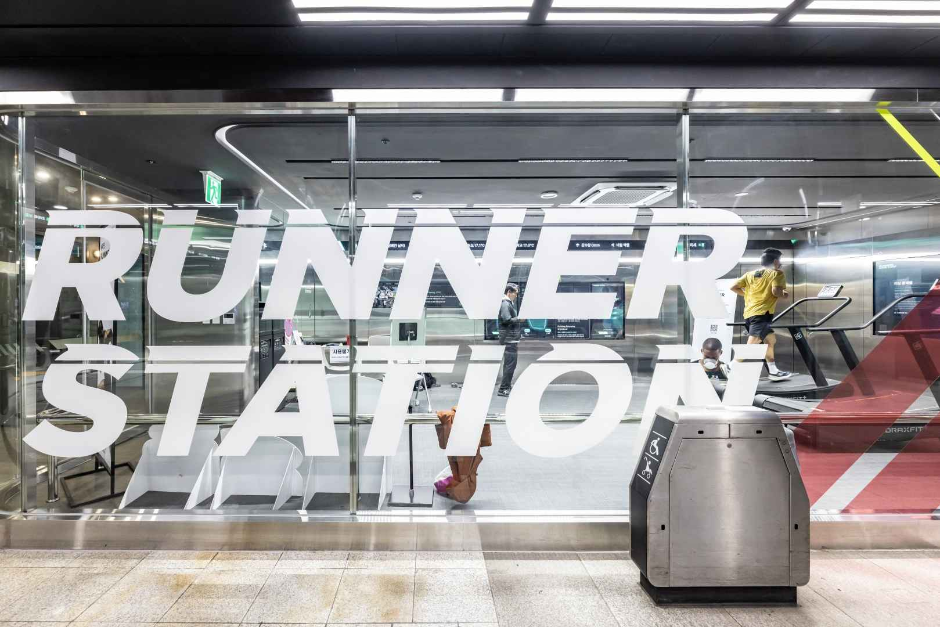
With Seoul’s skyscrapers and the scenic Hangang River, Yeouido has become the top destination for Korean runners. In response to the growing popularity of running along the Hangang among the MZ generation, Yeouinaru Station introduced Runner Station, equipped with essentials like lockers and media boards displaying popular running routes. Wrap up your day with a refreshing run in Yeouido.

Jogyesa Temple (조계사(서울))
8.7Km 2024-10-25
55 Ujeongguk-ro, Jongno-gu, Seoul
As the main temple as well as the district head temple of the Jogye order in Seoul, Jogyesa Temple is the center of Korean Buddhism. The temple was built in the late 14th century during the Goryeo period but was completely destroyed in a fire. It was rebuilt under the name of Gakwangsa Temple in 1910 with the effort of many respectful monks, namely Han Yong-un and Lee Hee-gwang. The temple was given a role as the head temple of Korea’s Buddhism and renamed to Tegosa Temple in 1936. In 1954, a purification drive took place to eliminate Japanese influence and revive traditional Buddhism, which established the present day Jogyesa Temple as a result.
Jogyesa Temple plays an important role in Korean Buddhism as the head temple of the Jogye order. Jogyesa Temple’s Dharma Hall serves as the main venue for several Buddhist events, holding rituals, lectures, ceremonies, and other events all year long. The annual lantern festival in celebration of Buddha's birthday also takes place at this temple.
Line Friends - Insa Branch [Tax Refund Shop] (라인프렌즈 인사점)
8.7Km 2024-04-16
49, Insadong-gil, Jongno-gu, Seoul
-
KongKongY Gallery [Tax Refund Shop] (콩콩이 그림가게)
8.7Km 2024-04-19
Store #325, 3F, 49, Insadong-gil, Jongno-gu, Seoul
-
Bachi Ring (UMC Jewelry) [Tax Refund Shop] (바치링(UMC쥬얼리))
8.7Km 2024-04-19
#414, 49, Insadong-gil, Jongno-gu, Seoul
-
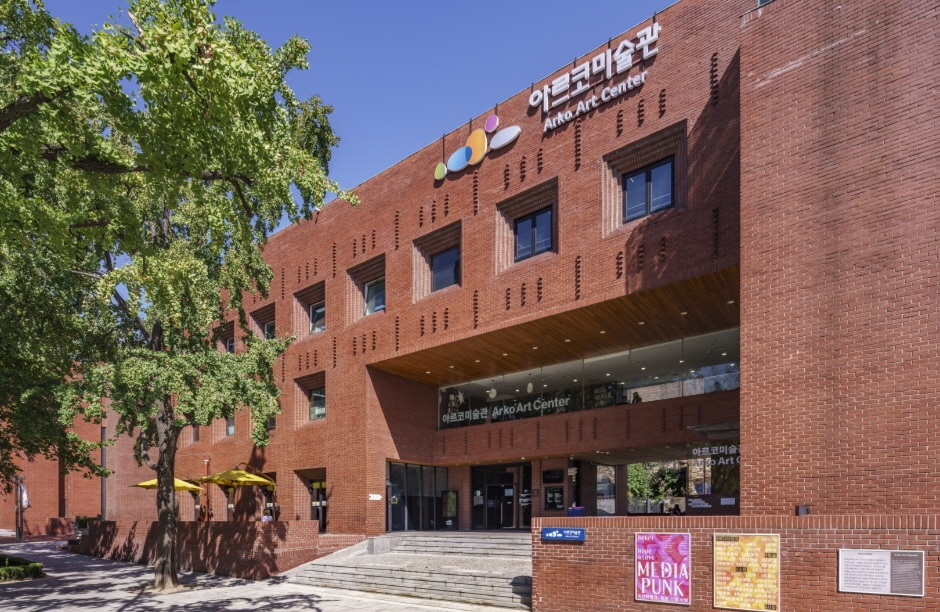
ARKO Art Center (아르코미술관)
8.7Km 2025-06-05
3, Dongsung-gil, Jongno-gu, Seoul
+82-2-760-4850
ARKO Art Center was founded in 1974 as Misulhoegwan in a building of former Deoksu Hospital in Gwanhun-dong, Jongno-gu to offer much-needed exhibition space for artists and arts groups. In 1979, Misulhoegwan moved to its present building, designed by preeminent Korean architect Kim Swoo-geun (1931-1986) and located in Marronnier Park, the former site of Seoul National University. The two neighboring brick buildings accommodating ARKO Art Center and ARKO Arts Theater are the major landmarks of the district of Daehakro.
As more public and private museums and commercial galleries came into the art scene in the 1990s, Misulhoegwan shifted to curating and presenting its own exhibitions. Renamed as Marronnier Art Center in 2002, ARKO Art Center assumed a full-fledged art museum system and played an increasingly prominent role as a public arts organization leading the contemporary art paradigm. When The Korea Culture and Arts Foundation was reborn as Arts Council Korea, Marronnier Art Center became ARKO Art Center named after the abbreviation for Arts Council Korea in 2005.
ARKO Art Center is committed to working as a platform where research, production, exhibitions and the exchange of creative activities grow and develop in connection with one another in addition to having a diversity of programs including thematic exhibitions addressing social agenda and public programs widely promoting various discourses in art.
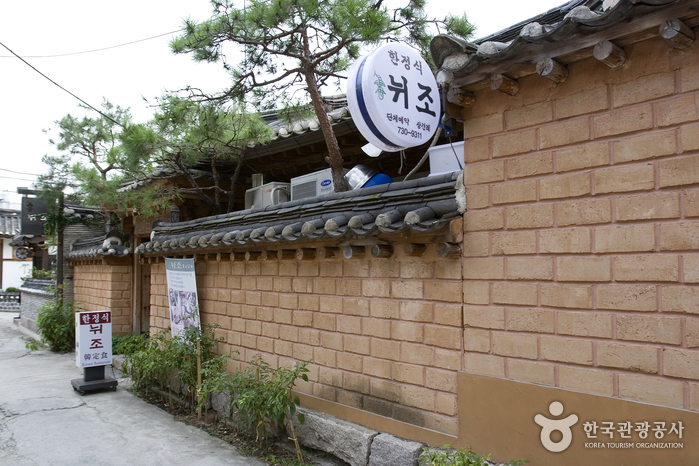
Nwijo (뉘조)
8.7Km 2024-03-06
27 Insadong 14-gil, Jongno-gu, Seoul
+82-2-730-9311
Nwijo is a Korean table d'hote restaurant located in Insa-dong where you can enjoy course meals made from hundreds of wild herbs. Starting with pumpkin porridge and water kimchi, basic dishes such as wild herb salads, pancakes, kimchi with boiled pork slices, and mixed roots are served along with set menu and wild herb enzymes as a standard part of the meal.
 English
 한국어
한국어 日本語
日本語 中文(简体)
 Deutsch
 Français
 Español
 Русский


