
Samcheong Park (삼청공원)
7.9Km 2024-03-18
44, Insadong-gil, Jongno-gu, Seoul
Samcheong Park is a park that blooms in cherry blossoms in spring and fall colors in fall near Gyeongbokgung Palace. The park is home to a forest library and a café, and visitors can follow the trails to find acupressure trails, exercise equipment, badminton court, tennis court, playground, and a convenience store. The area surrounding the park is home to many galleries and restaurants, so it is a popular destination for walking among the people of Seoul.
NUHADANG(누하당)
7.9Km 2024-06-20
49-7 , Pirundae-ro, Jongno-gu, Seoul
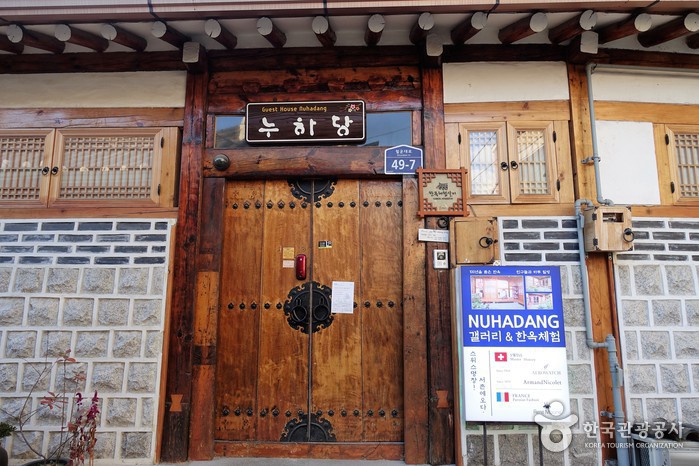
Nuhadang is a traditional hanok with over 100 years of history. It is located in a quiet spot in Seochon, Jongno-gu, Seoul, where many scholars and artists have lived since Joseon times. Rooms are wallpapered with eco-friendly Korean paper, and thick cotton blankets and cypress pillows will sooth travelers' fatigue. In the yard and small garden you can experience traditional Korean culture: janggu drumming, the game of yunnori, and Hanbok clothing. Walking the streets of Seochon - past Yun Dong-ju's hostel, Park No-su's art museum, and Lee Sang's house - you can still feel the atmosphere of old Seoul.
Cheong Wa Dae Media Display (청와대 국민과 함께 영상전시)
7.9Km 2025-08-20
1 Cheongwadae-ro, Jongno-gu, Seoul
박주원 학예연구사 02-3771-8636
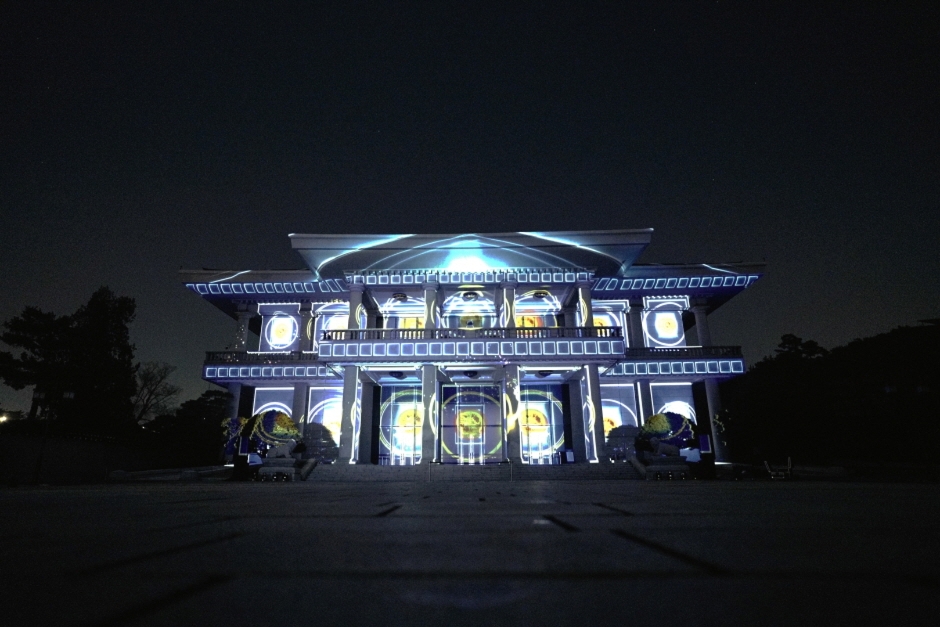
Cheong Wa Dae Media Display brightens the night through a media facade display on Yeongbingwan Hall. The display shows the history of Cheong Wa Dae through the theme "Twelve Lights".
The Street in front of Cheongwadae (The Blue House) (청와대 앞길)
7.9Km 2025-08-20
Gungjeong-dong, Jongno-gu, Seoul
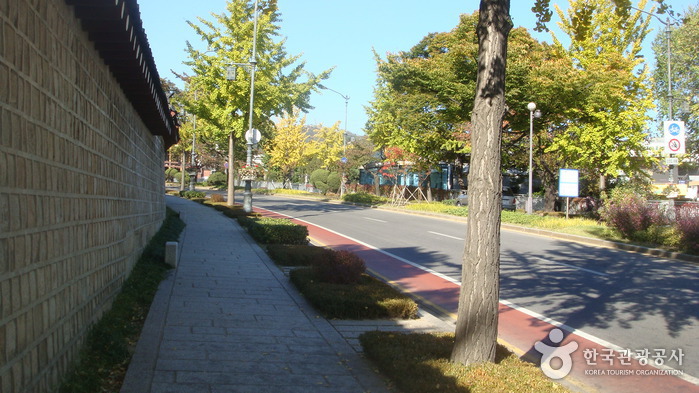
The street in front of Cheongwadae (the Blue House) is open to the public and includes both Hyoja Samgeori (Hyoja three-way intersection) in Hyoja-dong and Palpan Samgeori (Palpan three-way inetersection) in Palpan-dong. When walking along Hyoja-ro Road from Gyeongbokgung Station, sights include a fountain, Mugunghwa Garden, Yeonmugwan Hall, and Daegogak & Yeongbingwan Hall.
Cheongwadae Sarangchae consists of one basement level and two above-ground levels, including Korean Culture Exhibition Hall, Planned Exhibition Hall, a gift shop, and rest area (Korean Food Promotion Hall, Café) on the first floor and Cheongwadae Hall and Haengboknuri Hall on the second floor. Daegogak Hall houses a book donated to former president, Kim Young-sam for expressing the past spirit of Sinmungo (Petitioner's drum from Korean History). Yeonmugwan Hall is a martial art and fitness center for guards. Mugunghwa Dongsan, formed after the ansa (Safe House) was demolished in 1993, includes a well, mock fortress, and rest area. Located behind Mugunghwa Dongsan is Apostolic Nunciature in Korea and Chilgung (Seven Palaces).
At the beginning of the street in front of Cheongwadae, dense trees and beautiful flower gardens decorating both sides of the road make it a nice place for taking a walk. The area from the north gate of Gyeongbokgung Palace, Chunchumun, to the main gate of Gyeongbokgung Palace, Geonchunmun, is Samcheongdong-gil Road. This road is home to many art galleries, including Kukje Gallery, Growrich Gallery, Gallery Hyundai, and Jin Art gallery, in the area of Hyoja-ro.
Gwanaksan Mountain Nakseongdae Park (관악산 낙성대공원)
7.9Km 2021-07-16
77, Nakseongdae-ro, Gwanak-gu, Seoul
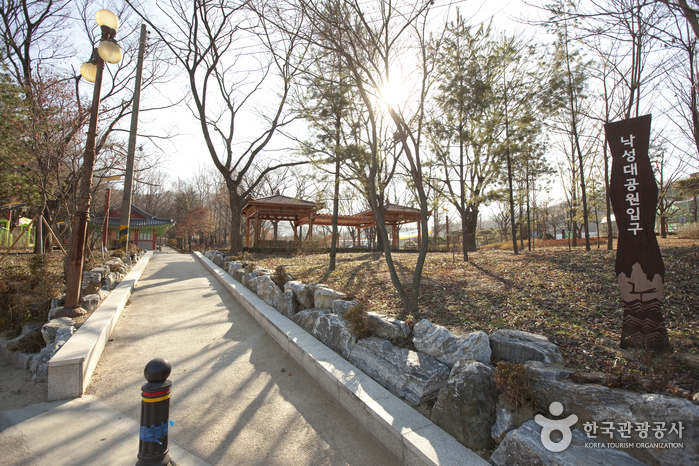
Nakseongdae Park was built as a tribute to General Kang Gam-chan (948-1031) of the Goryeo dynasty. In 1973, the city of Seoul reorganized the birthplace of General Kang, resulting in changes to the park. Located inside the park are Anguksa Shrine, the general’s birthplace, and a three-story stone pagoda, which was made during the Goryeo dynasty. The 4.48-meter-high pagoda is made of granite, and is called “Kang Gam-chan Tap (pagoda)” or “Kang Gam-chan Nakseongdae Tap”.
*Anguksa Shrine
Anguksa is a shrine built in 1974 emulating the wooden architecture style of the Goryeo era. The shrine has high ceilings and houses the portrait of General Kang Gam-chan. The shrine is located on the road leading to the back gate of Seoul National University and has become a popular place in the area.
*Nakseongdae Yuji
Nakseongdae Yuji is the birthplace of General Kang Gam-chan and the original location of the three-story pagoda. During the maintenance of Nakseongdae area in 1973, the pagoda was moved into the vicinity of Anguksa Shrine, and a two-meter tall monument was erected in its original location to mark the historical significance of the site.
Bamseom Island (Ecosystem Conservation Area) (밤섬 생태경관 보전지역)
8.0Km 2025-04-29
Yeouido-dong, Yeongdeungpo-gu, Seoul
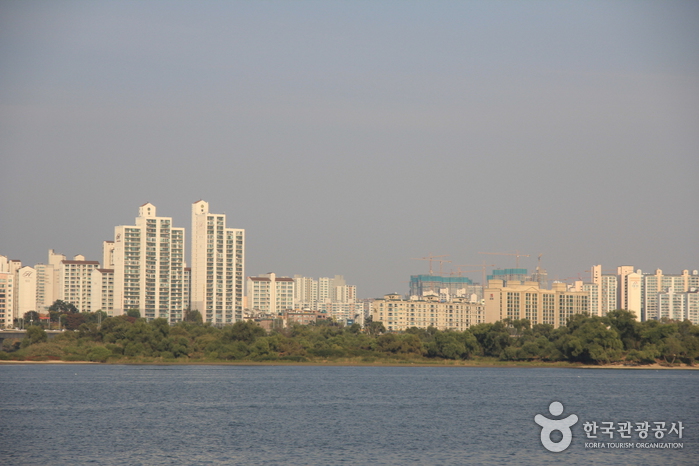
Located at the Hangang River, Bamseom Island derives its name from its chestnut-like shape (bam in Korean). The island was designated as an Ecosystem Conservation Area by the Seoul Metropolitan Government in 1999 and was later recognized as Ramsar Wetland in 2012. Now an uninhabited island, Bamseom Island was once home to around 443 people, who were relocated after the island was exploded as part of the Yeouido Development Project. Today, it is known as a habitat for numerous migratory birds and plant species. People can enjoy views of the Island from Bamseom Park.
Choi Sunu House (최순우 옛집)
8.0Km 2021-12-21
9, Seongbuk-ro 15-gil, Seongbuk-gu, Seoul
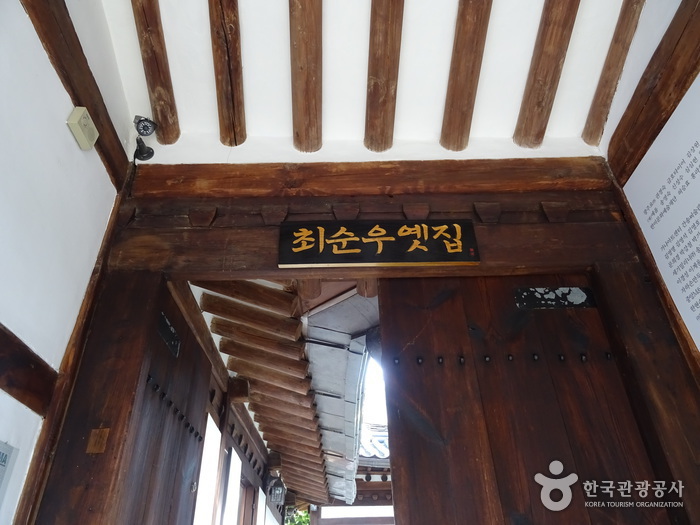
The Choi Sunu House is the old residence of Hyegok Choi Sunu (1916-1984), who lived in this house from 1976 until the day he passed away. The house is designated as Korea’s Registered Cultural Property. Choi Sunu was a leading art historian who served as the director of the National Museum of Korea. He devoted his life to rediscovering the beauty of Korean art and made many academic accomplishments in the areas of Korean ceramics, traditional woodcraft, and the history of painting.
The house has been open to the public as the Hyegok Choi Sunu Memorial Hall since 2004. The memorial hall displays Choi Sunu’s relics as a permanent exhibition and holds special exhibitions in the fall as well as cultural programs every spring and fall.
Sangchonjae House (상촌재)
8.0Km 2025-11-06
12-11 , Jahamun-ro 17-gil, Jongno-gu, Seoul
Sangchonjae House, run by the Jongno Cultural Foundation, is a traditional hanok cultural space located in Sejong Village, Ogin-dong, Jongno-gu, and operates various cultural Korean programs such as exhibitions, educational experiences, and events to fully experience Korea's four seasons. The name Sangchonjae was conceived from the old name of Sejong Village, the western part of Gyeongbokgung Palace and the birthplace of King Sejong. The house reflects the lifestyle of an ordinary peasant during the Joseon dynasty. It consists of three buildings: the main building, the guesthouse known as sarangchae, and the annex. There is an experience center indoors offering tea ceremonies and traditional game experiences.
Runner Station at Yeouinaru Station (여의나루역 러너스테이션)
8.0Km 2025-11-06
343 Yeouidong-ro, Yeongdeungpo-gu, Seoul
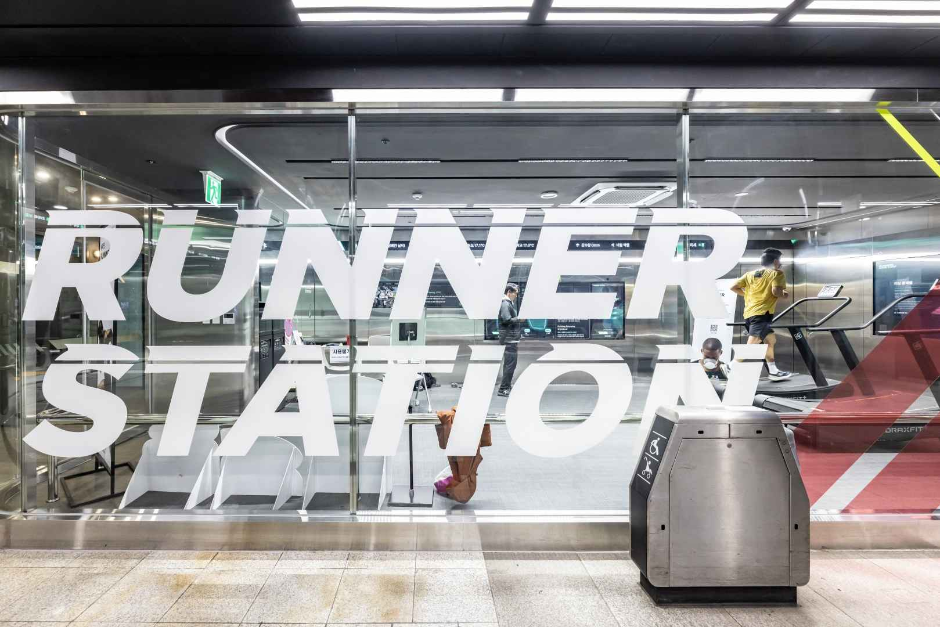
With Seoul’s skyscrapers and the scenic Hangang River, Yeouido has become the top destination for Korean runners. In response to the growing popularity of running along the Hangang among the MZ generation, Yeouinaru Station introduced Runner Station, equipped with essentials like lockers and media boards displaying popular running routes. Wrap up your day with a refreshing run in Yeouido.
Namu Hotel (나무호텔)
8.1Km 2024-06-04
9 Achasan-ro 76ga-gil, Gwangjin-gu, Seoul
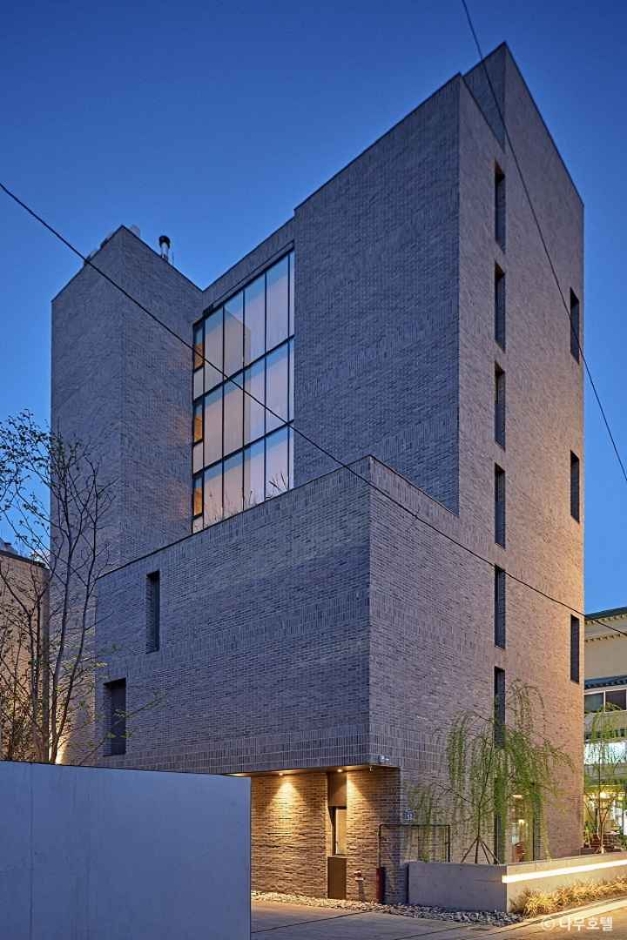
Namu Hotel, which received the Institute of Architects Award, is a hotel with a distictive design. Rather than having the main entrance on a main road, the hotel must be entered through the alley. Each room has its own unique style in terms of structure and furniture arrangement. Most rooms also feature a blacony that allows guests to be one with nature while also being protected from outside forces. Enjoy a soak in the outdoor bathtub to relax.
 English
 한국어
한국어 日本語
日本語 中文(简体)
 Deutsch
 Français
 Español
 Русский


