![Idolllook - Hongdae Branch [Tax Refund Shop] (아이돌룩 홍대)](http://tong.visitkorea.or.kr/cms/resource/08/2888708_image2_1.jpg)
Idolllook - Hongdae Branch [Tax Refund Shop] (아이돌룩 홍대)
16.5Km 2024-04-18
4F, 74, Hongik-ro 6-gil, Mapo-gu, Seoul
-
![Aimerfeel - Hongdae Branch [Tax Refund Shop] (에메필 홍대점)](http://tong.visitkorea.or.kr/cms/resource/51/2887751_image2_1.jpg)
Aimerfeel - Hongdae Branch [Tax Refund Shop] (에메필 홍대점)
16.5Km 2024-04-16
#108, 156, Yanghwa-ro, Mapo-gu, Seoul
-

Olive Young - Hongik Univ. Station Branch [Tax Refund Shop] (올리브영 홍대입구역)
16.5Km 2024-04-16
156, Yanghwa-ro, Mapo-gu, Seoul
-
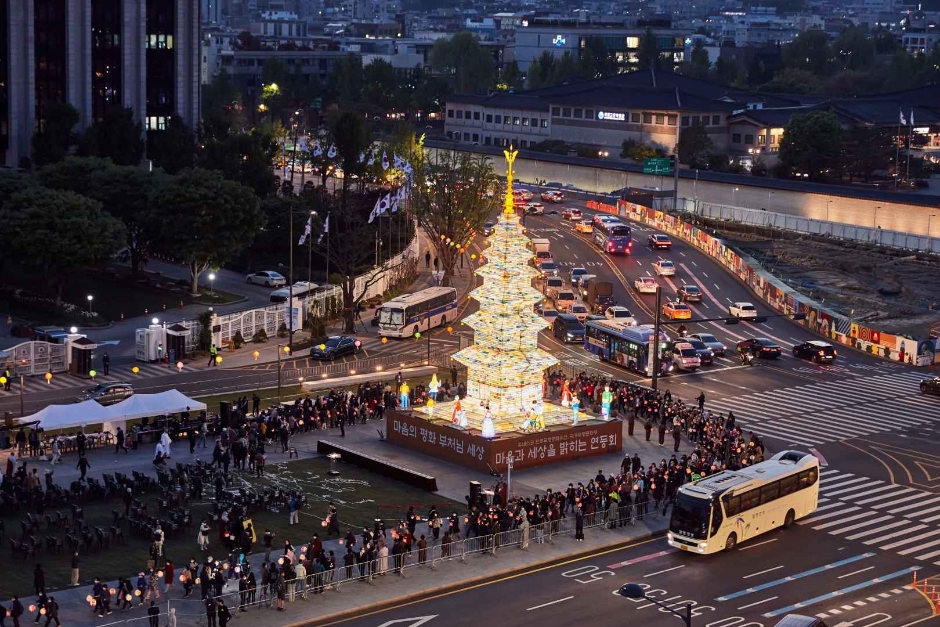
Yeon Deung Hoe (Lotus Lantern Festival) (연등회)
16.5Km 2025-04-09
55 Ujeongguk-ro, Jongno-gu, Seoul
+82-2-2011-1744~7
Started approximately 1,200 years ago during the Silla dynasty and continued through the Goryeo Yeon Deung Hoe and Joseon lantern festival, the Yeon Deung Hoe Festival is a traditional festival registered as an Intangible Cultural Heritage and UNESCO Masterpiece of the Oral and Intangible Heritage of Humanity. The lanterns at Yeon Deung Hoe Festival brighten the heart and the world!
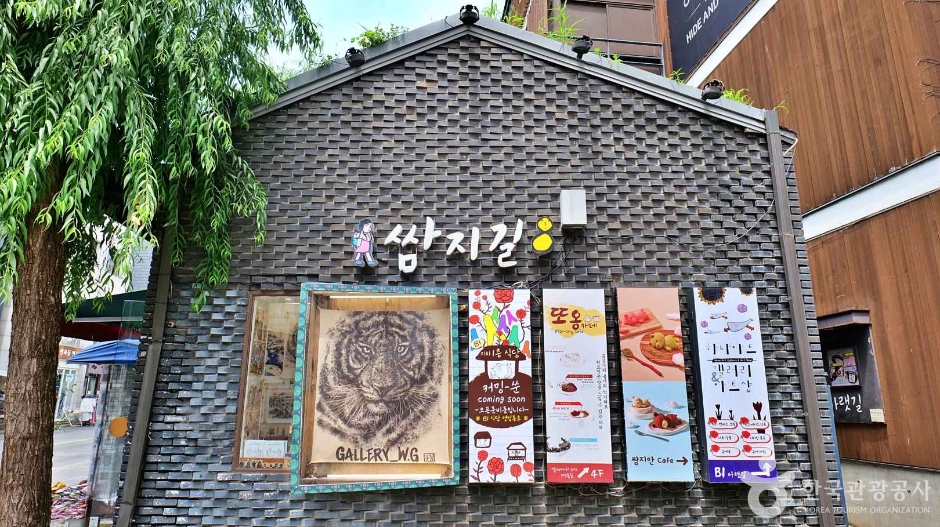
Ssamzigil (쌈지길)
16.5Km 2025-10-23
44 Insadong-gil, Jongno-gu, Seoul
Ssamzigil is an Insa-dong landmark and a shopping mall specializing in crafts. It is a place where the traditions of Korea come together with its present. Follow the paths that lead seamlessly from the lower floors to the upper floors and browse the small craft shops that inhabit the floors. You can find both works of traditional craft and contemporary craft here. Some craft shops also offer craft experiences, and one can also find restaurants and galleries within the complex.
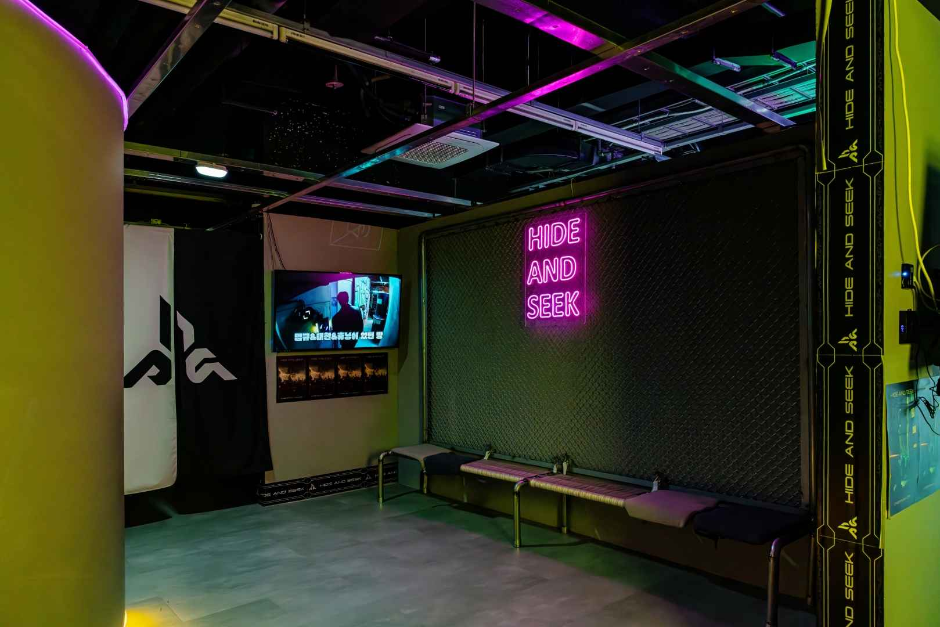
HIDE AND SEEK - Ssamzigil Branch (하이드앤시크 쌈지길점)
16.5Km 2025-11-06
44 Insadong-gil, Jongno-gu, Seoul
This is where TXT members enjoyed escape games on their own series, “TO DO X TXT.” Chosen as the tagger by random draw, Huening Kai showed impressive game skills, using his instincts to “eliminate” the other members.
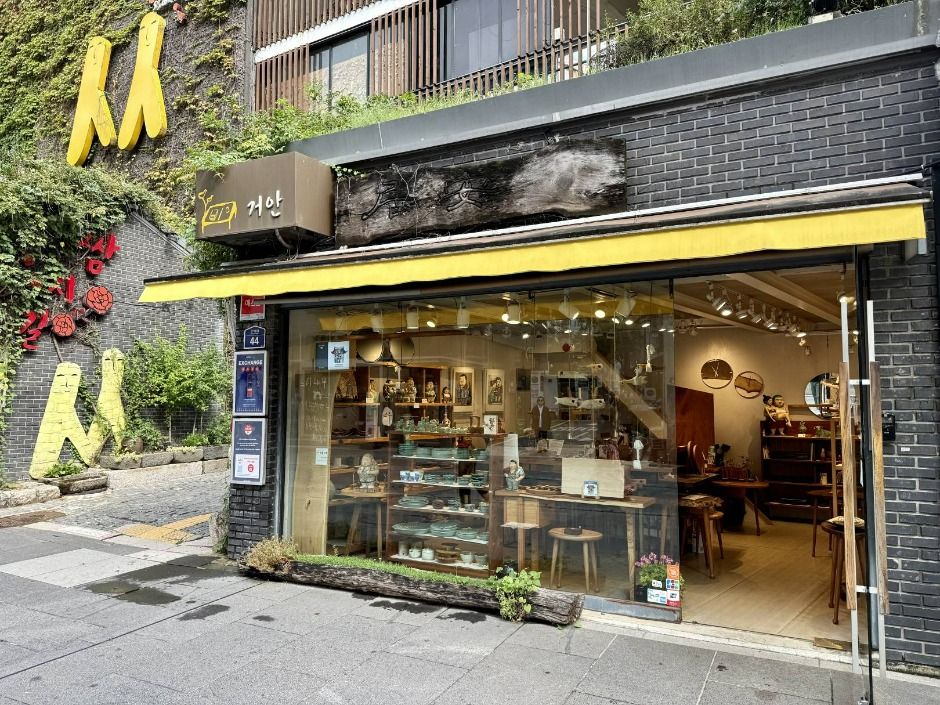
Geoan (거안)
16.5Km 2025-10-23
44 Insadong-gil, Jongno-gu, Seoul
Geoan, a store in Insa-dong, specializes in wooden furniture and accessories. Visitors can purchase products on display in the store or customize their pieces according to their preferences. In addition to furniture production, the shop also exhibits and sells various artworks such as celadon, lacquer mother-of-pearl, and sculptures by artists, making it a classy art space that harmonizes tradition and modernity.
Jogyesa Temple (조계사(서울))
16.5Km 2024-10-25
55 Ujeongguk-ro, Jongno-gu, Seoul
As the main temple as well as the district head temple of the Jogye order in Seoul, Jogyesa Temple is the center of Korean Buddhism. The temple was built in the late 14th century during the Goryeo period but was completely destroyed in a fire. It was rebuilt under the name of Gakwangsa Temple in 1910 with the effort of many respectful monks, namely Han Yong-un and Lee Hee-gwang. The temple was given a role as the head temple of Korea’s Buddhism and renamed to Tegosa Temple in 1936. In 1954, a purification drive took place to eliminate Japanese influence and revive traditional Buddhism, which established the present day Jogyesa Temple as a result.
Jogyesa Temple plays an important role in Korean Buddhism as the head temple of the Jogye order. Jogyesa Temple’s Dharma Hall serves as the main venue for several Buddhist events, holding rituals, lectures, ceremonies, and other events all year long. The annual lantern festival in celebration of Buddha's birthday also takes place at this temple.
![Kakao Friends Flagship Store - Hongdae Branch [Tax Refund Shop] (카카오프렌즈 플래그십 홍대)](http://tong.visitkorea.or.kr/cms/resource/36/2878336_image2_1.jpg)
Kakao Friends Flagship Store - Hongdae Branch [Tax Refund Shop] (카카오프렌즈 플래그십 홍대)
16.5Km 2024-04-18
B2-F3, 162, Yanghwa-ro, Mapo-gu, Seoul
-
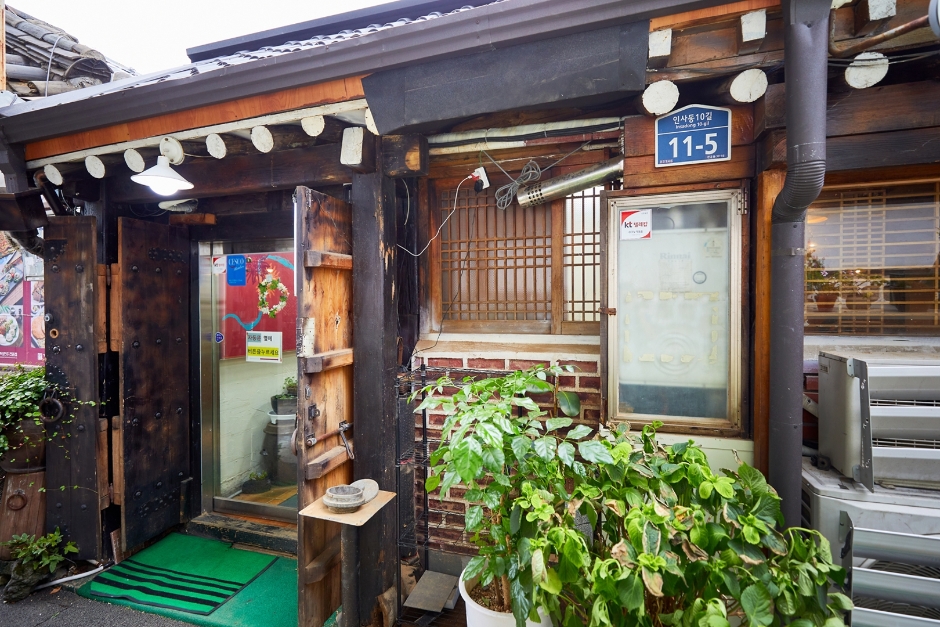
Neulmajung (늘마중)
16.5Km 2024-01-12
11-5 Insadong 10-gil, Jongno-gu, Seoul
Makgeolli is a traditional liquor made from rice or wheat as a main ingredient and with yeast and various other ingredients. Its uniqueness lies in the main ingredient or yeast used, thus a variety of makgeolli made with local specialties can be found throughout Korea. Neulmajung is a pub restaurant that serves 34 types of makgeolli from all over the country, as well as many foods that go well with them. In addition, its soft wooden interior creates a comfortable atmosphere. Its representative dish is haemul pajeon (seafood and green onion pancake), made with plenty of ingredients. They also serve crispy pan-fried gamja jeon (potato pancake) and memil jeonbyeong (buckwheat crepe), rich in both flavor and taste as it is made with buckwheat from Bongpyeong, Gangwon-do, all of which are a perfect paring to makgeolli.
 English
 한국어
한국어 日本語
日本語 中文(简体)
 Deutsch
 Français
 Español
 Русский


