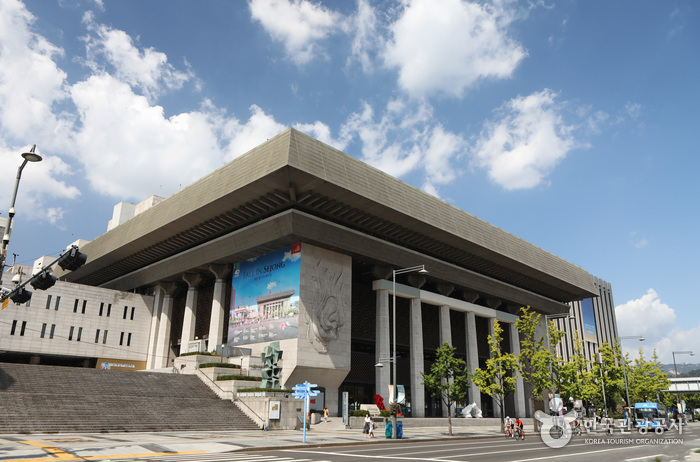
Sejong Center (세종문화회관)
2.4Km 2023-06-14
175, Sejong-daero, Jongno-gu, Seoul
+82-2-399-1000
Sejong Center, officially known as Sejong Center for the Performing Arts, opened on July 1, 1999 to provide citizens with a cultural art space. Having completed a grand remodeling project in 2007, Sejong Center offers customer-friendly programs aimed at improving the quality of art performances in a comfortable resting area. Comprising the Grand Theater of Sejong Center, Sejong M Theater, Sejong Chamber Hall, Exhibition Hall, and other subsidiary facilities, Sejong Center is a multicultural art center.
Various genres of performances including traditional, classic, and crossover have taken place in the center, giving many opportunities for cultural nostalgia.
* Opened April 14, 1978
![CAPO FOOTBALL STORE[Korea Quality]/카포 풋볼 스토어[한국관광 품질인증]](http://tong.visitkorea.or.kr/cms/resource/88/2591988_image2_1.jpg)
CAPO FOOTBALL STORE[Korea Quality]/카포 풋볼 스토어[한국관광 품질인증]
2.4Km 2024-08-20
282 , Eulji-ro, Jung-gu, Seoul
+82-10-8922-7981
Located in Eulji-ro, Jung-gu, Seoul, Capo Football store is the largest football store in Korea. It stocks football boots of various levels, plus fan wear, uniforms, and training wear. On the 5th floor, a customer lounge provides free coffee, a football book cafe, a PlayStation for enjoying FIFA games, table soccer, and an exhibition of capo collections.
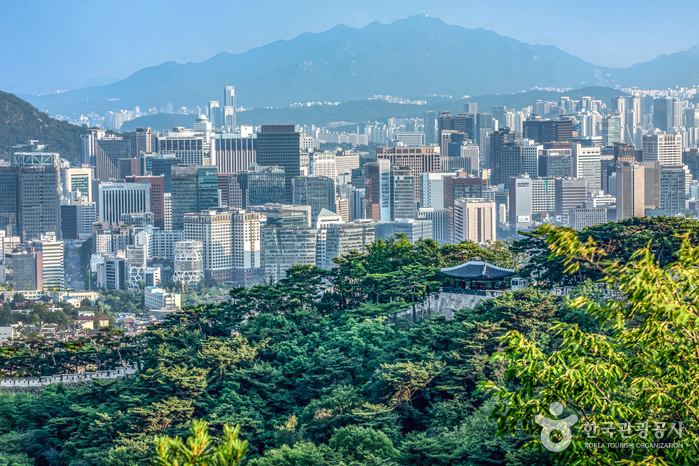
Bugak Skyway Palgakjeong Pavilion (북악스카이 팔각정)
2.4Km 2024-12-31
267 Bugaksan-ro, Jongno-gu, Seoul
Bugak Skyway Palgakjeong Pavilion exudes a tranquil, serene beauty regardless of the season. The pavilion, which sits on Bugaksan's 1,652,900 square meter summit at an altitude of 345 meters, was built in a traditional Korean-style and became a popular attraction within the city. There are also spaces for visitors to enjoy food and drinks.

Jalppajin Memil Seochon Main Store (잘빠진메밀 서촌)
2.4Km 2024-03-18
4 Jahamun-ro 11-gil, Jongno-gu, Seoul
+82-70-4142-1214
Jalppajin Memil is a traditional Korean restaurant in Seochon where you can enjoy buckwheat noodles, boiled pork slices, and unrefined rice wine. They use 100% buckwheat for their noodles, which are kneaded using a cold water machine and served either mixed with seasoning and sprouts or dipped in broth. Pairing "Jalppajin sulsang" with unrefined rice wine is recommended for a delightful dining experience.
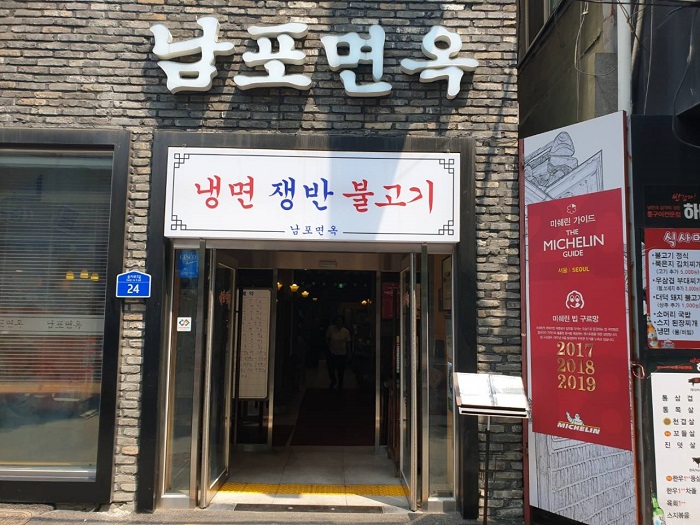
Nampo Myeonok (남포면옥)
2.4Km 2024-03-07
24, Eulji-ro 3-gil, Jung-gu, Seoul
+82-2-777-3131
Located near Seoul City Hall and Cheonggyecheon Stream, Nampo Myeonok is a traditional Korean restaurant. Opened in 1968, it has been recognized by the Michelin Guide several times. Their specialty is pyeongyang naengmyeon (pyeongyang cold buckwheat noodles). The restaurant also serves a variety of other dishes that are the most commonly found in Korea, including galbi tang (galbi soup), bulgogi, mandu soup, and yukgaejang (spicy beef soup).
![Coco Pharmacy [Tax Refund Shop] (코코약국)](http://tong.visitkorea.or.kr/cms/resource/91/2878591_image2_1.jpg)
Sejong Village Food Street (세종마을 음식문화거리)
2.4Km 2025-06-17
Chebu-dong, Jongno-gu, Seoul
Previously known as Geumcheongyo Market, it was officially named Sejong Village Food Street in 2011, as King Sejong was born in this village. The street is full of lively energy and features both long-standing restaurants, also known as nopo in Korean, and recently established trendy eateries. Its convenient location and inviting atmosphere make it a popular place to visit.
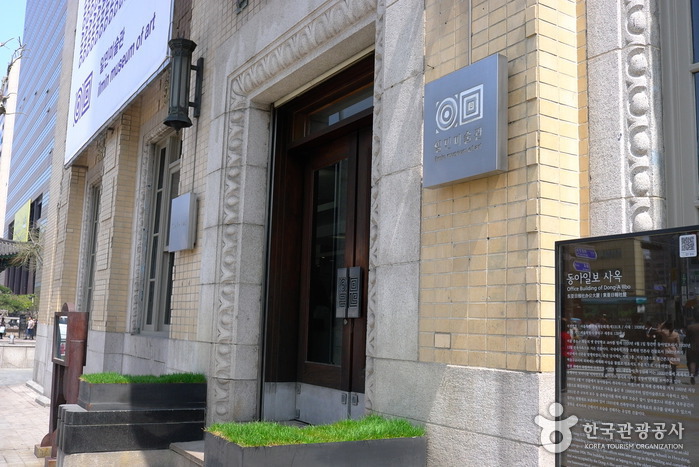
Ilmin Art Museum (일민미술관)
2.4Km 2022-09-27
152, Sejong-daero, Jongno-gu, Seoul
The Ilmin Art Museum located in former Dong-A Newspaper Building, was formed in honor of their honorable and late CEO Kim Sang-man. The museum was established in December of 1996, and with a full renovation in 2001, large exhibition hall and Ilmin collection was placed in. Through the renovation, the combination of glass and steel made Artrium aimed to become one of the best comtemporary museum, connecting the museum to the streets of Gwanghwamun.
This museum boasts a large Ilmin collection. There are 430 pieces of Ilmin collection from Goryeo dynasty (918-1392) to present, 1,200 pieces in the Donga Newspaper's collection of art, and 100 pieces of art owned by Hyundai Corporation. The Ilmin Collection mostly consists of pieces that Kim Sang-man collected from ceramics to aesthetic paintings. The Dongah Newspaper's collection has time-relevant pieces that are important in history.
Lemon Mart - Myeong-dong Branch [Tax Refund Shop] (레몬마트 명동)
2.4Km 2024-04-17
1F, 45, Myeongdong 9-gil, Jung-gu, Seoul
-
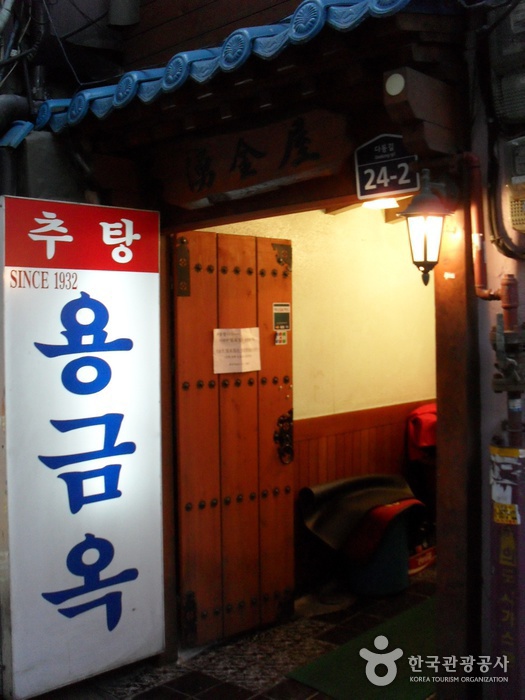
Yonggeumok (용금옥)
2.4Km 2024-03-13
24-2, Dadong-gil, Jung-gu, Seoul
+82-2-777-1689
Established in 1932, Yonggeumok specializes in Seoul-style chutang (loach soup), renowned for using whole loach in its preparation. This method distinguishes it from the more commonly known Namwon-style chutang, which involves grinding the loach. At Yonggeumok, guests can savor the tender and savory texture of the loach flesh in their chutang, offering a unique and authentic dining experience.
 English
 한국어
한국어 日本語
日本語 中文(简体)
 Deutsch
 Français
 Español
 Русский


