
Gangnam Joeunnun Vision Clinic (강남조은눈안과의원)
11.7Km 2025-10-23
(7th,9th Floors, Meditower), 107 Teheran-ro, Gangnam-gu, Seoul
At Gangnam Joeunnun Vision Clinic, safe surgery is our top priority.
We offer safer and more advanced vision correction procedures based on 17 years of experience and know-how accumulated since the clinic’s foundation in 2007.
We are equipped with a wide range of university hospital-grade surgical and diagnostic equipment, including LENSAR, MEL90, Smile, Z4, Avefro KXL, and VisuMax 500 & 800.
We jointly operate the Smile Research Center with ZEISS, the German company that developed the technology, and share our advanced know-how with the world.
- Medical staff with 17 years of experience and know-how
- Jointly operate the Smile Research Center with ZEISS, the developer of SMILE LASIK.
- Conveniently located at Gangnam Station, Exit No. 12
Fastlane Inc.(YEOTI) (㈜패스트레인(여신티켓))
11.7Km 2025-10-23
(10th Floor), 423 Teheran-ro, Gangnam-gu, Seoul
Founded in 2016, Fastlane operates under the motto "Everyone deserves a chance to be beautiful." In 2017, the company officially launched the K-beauty medical platform YEOTI, which has rapidly transitioned the traditionally offline-focused dermatological aesthetic procedures into an online environment.
YEOTI is a rapidly growing platform that addresses the information asymmetry in the dermatology treatment market. It allows users to search for dermatological treatment information and reviews based on their mobile location, and to conveniently book appointments and make payments through the app. Fastlane also pioneered the introduction of a safety care service for managing potential side effects, applicable to international tourists, marking a significant innovation in the market.
For international medical tourists, the 'YEOTI Global' version provides multilingual support (in English, Chinese, and Japanese), enabling easy booking, consultation, and payment options.
Trueman Clinic (트루맨남성의원)
11.7Km 2025-10-23
(7th Floor, Ara Tower), 3 Seocho-daero 77-gil, Seocho-gu, Seoul
Trueman Clinic is a leading medical institution specializing in men's health, with expert medical staff in liposuction, gynecomastia, and urology. Notably, we have been ranked first in gynecomastia surgery nationwide for four consecutive years, a testament to our commitment to excellence in patient care. Our approach to surgery is tailored to each individual's unique body type, and we prioritize meticulous post-operative care to ensure high levels of patient satisfaction. Guided by principles of honesty and trust, Trueman Clinic is dedicated to providing sincere, personalized treatment to every patient. We aim to earn the trust of our clients through honest, transparent consultations and exceptional care.
Onnuri Smile Eye Clinic (온누리스마일안과)
11.7Km 2025-10-23
B2 Floor, Ara Tower, 3 Seocho-daero 77-gil, Seocho-gu, Seoul
Onnuri Smile Eye Clinic, located in Seoul, is a leading center for vision correction, providing world-class medical services based on advanced technology and extensive surgical expertise. Our clinic was the first in Korea to successfully perform SMILE PRO for hyperopia, and we exclusively hold a domestic patent for 1 mm micro-incision SMILE surgery. We have also conducted multiple pioneering clinical studies in Korea, with our research continuously being accepted and presented at major international conferences such as ESCRS, ASCRS, and ARVO, demonstrating our commitment to academic and clinical excellence. Onnuri Smile Eye Clinic is equipped with cutting-edge platforms including the ZEISS VisuMax 800 and various advanced technologies, enabling us to provide All-Laser LASIK & LASEK, SMILE & SMILE PRO, Implantable Collamer Lens (ICL) surgery, including Toric ICL and Presbyopia-correcting VIV ICL, Presbyopia correction, Cataract surgery with premium multifocal intraocular lenses, Corneal and retinal disease management. The clinic is directly connected to Gangnam Station, offering unparalleled convenience for both domestic and international patients. We also provide interpretation services and personalized consultation to ensure a safe and comfortable medical experience. Our mission is to enhance quality of life through safe, innovative, and precise vision correction tailored to each patient’s needs.
Saengki Korean Medicine Clinic (생기한의원 강남역)
11.7Km 2025-12-10
14th Floor, Ara Tower, 3 Seocho-daero 77-gil, Seocho-gu, Seoul
Give treatment of skin diseases such as atopic dermatitis, psoriasis, eczema, hives, seborrheic dermatitis, warts, and pompholyx(dyshidrotic eczema)
Micrographic skin diagnosis for the first time in Korea
Development of the stilled medicinal wet dressing
Patent moxibustion for warts and condyloma
Presentation of papers at the World Conference
Treatment method:
herbal medicine and pills tailored to one's constitution / pharmacopuncture, acupuncture, moxibustion, light treatment according to symptoms / lifestyle guidance suitable for one's personal tendency
Grand InterContinental Seoul Parnas (그랜드 인터컨티넨탈 서울 파르나스)
11.7Km 2024-08-20
521, Teheran-ro, Gangnam-gu, Seoul
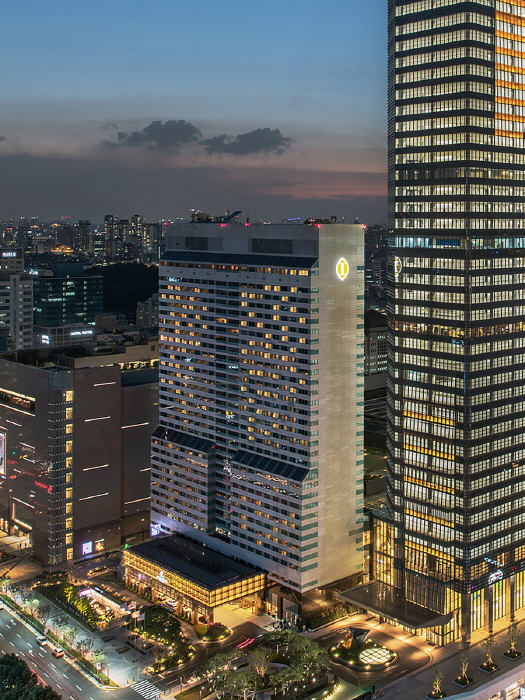
The Grand InterContinental Seoul Parnas is conveniently located in the heart of southern Seoul’s business district, featuring COEX convention and exhibition center, and City Airport. THe nearby COEX Mall offers duty free shops, a casino, cinema and over 200 shops.
The hotel is the largest 5-star hotel in Korea, featuring state-of-the-art amenities, including a grand ballroom and 15 banquet halls, perfect for hosting conventions and gathers of all sizes. Each of the 516 guestrooms is large and decorated comfortably for the perfect stay. Also, the hotel offers various restaurants from French, Italian, Asian, Japanese, to Chinese with top of the line chefs that cook up a delicious meal.
Parnas Mall (파르나스몰)
11.7Km 2025-01-06
521, Teheran-ro, Gangnam-gu, Seoul
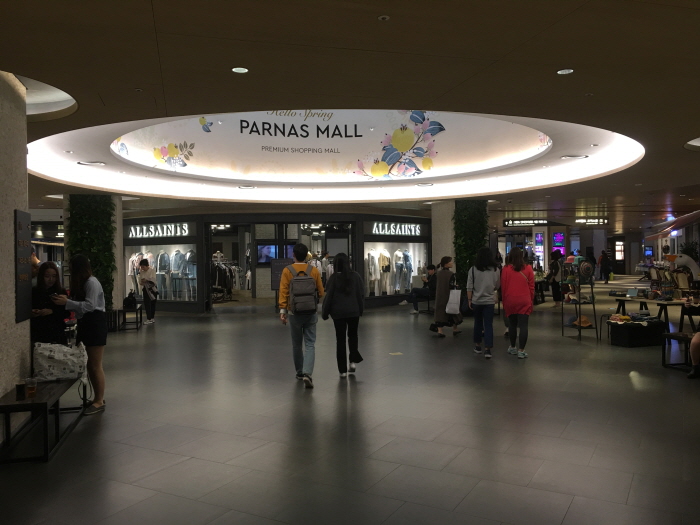
Parnas Mall is the first premium casual shopping mall opened by a hotel chain. Grand Intercontinental Seoul's Parnas Mall is located on the first underground level and features shopping, food, beverages, and cultural activities all in one place.
Seoul National University Hospital Gangnam Center (서울대학교병원 강남의원)
11.7Km 2025-10-23
(38th,39th Floors and Part of 3rd Floor), 152 Teheran-ro, Gangnam-gu, Seoul
Seoul National University Hospital Gangnam Center, an extension of the world-renowned Seoul National University Hospital, offers specialized checkups annually to over 50,000 visitors. Notably, the center boasts exceptional success rates, including a global-leading 1% cancer diagnosis rate and top-level 50% detection rate for colorectal adenomas.

Hyundai Department Store Trade Center (현대백화점 무역센터점)
11.7Km 2025-12-19
517 Teheran-ro, Gangnam-gu, Seoul
Hyundai Department Store focuses on achieving customer satisfaction by exceeding expectations and reshaping the lifestyle culture to suit each individual's needs and wants. Connected to Samseong Station on Seoul Subway Line 2, Hyundai Department Store Trade Center is easily accessible and among the most sought-after shopping destinations in Seoul along with the nearby COEX Mall.
Namu Hotel (나무호텔)
11.7Km 2024-06-04
9 Achasan-ro 76ga-gil, Gwangjin-gu, Seoul
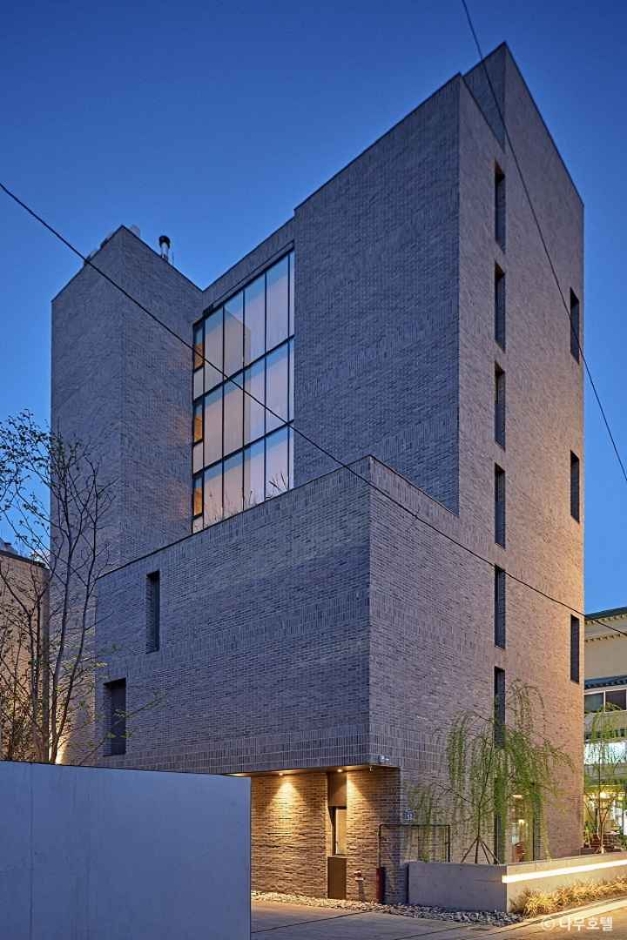
Namu Hotel, which received the Institute of Architects Award, is a hotel with a distictive design. Rather than having the main entrance on a main road, the hotel must be entered through the alley. Each room has its own unique style in terms of structure and furniture arrangement. Most rooms also feature a blacony that allows guests to be one with nature while also being protected from outside forces. Enjoy a soak in the outdoor bathtub to relax.
 English
 한국어
한국어 日本語
日本語 中文(简体)
 Deutsch
 Français
 Español
 Русский


