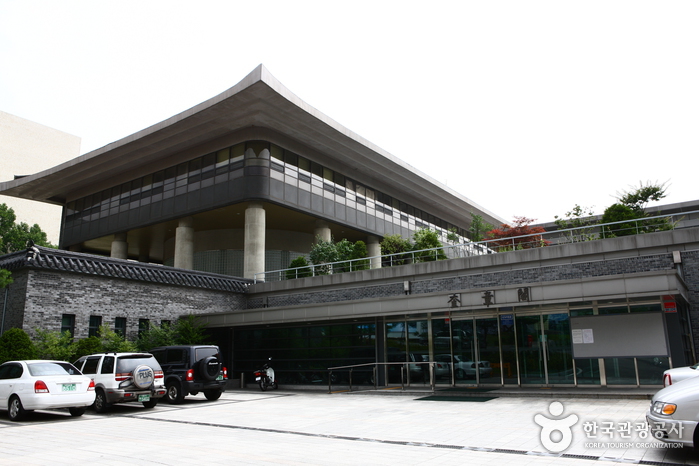
Gyujanggak Library of Seoul National University (서울대학교 규장각)
1.0Km 2022-07-27
1, Gwanak-ro, Gwanak-gu, Seoul
Gyujanggak Library was founded in 1776 during the reign of King Jeongjo, the 22nd ruler of the Joseon dynasty, at which time it was located within the Changdeokgung Palace grounds. It functioned as the royal library, which housed writings of the previous kings, their relics and books from home and abroad.
Today Seoul National University maintains the items of Gyujanggak in a traditional Korean building which is equipped with state-of-the-art facilities necessary for the preservation of cultural heritages. Moreover, Gyujanggak Library of Seoul National University collects and publishes books from a variety of sectors such as politics, economy and society.
Gyujanggak now houses more than 270,000 items including 7 national treasures, 8 treasures, 180,000-plus old books, about 50,000 documents and 18,000 printing blocks. Among them, Joseon Wangjo Sillok (the Annals of the Joseon Dynasty, a National Treasure), Seungjeongwon Ilgi (the Diaries of the Royal Secretariat, a National Treasure) and Uigwe (the Royal Protocols of the Joseon Dynasty) have been designated as UNESCO World Cultural Heritages.

Seoul National University (서울대학교)
1.0Km 2023-07-07
1, Gwanak-ro, Gwanak-gu, Seoul
Founded in 1946, Seoul National University is the most reputable university in Korea based on its long academic history and tradition. It was the first national university in Korea established by merging several institutions of higher education around the Seoul area, including Kyongsong University
THE WELL SAEM HOSPITAL OF KOREAN MEDICINE (더웰샘한방병원)
1.8Km 2025-10-23
4th, 6th Floors, Hanil Plaza, 7 Namhyeon-gil (Namhyeon-dong), Gwanak-gu, Seoul
Integrative medicine, which links the strengths of Korea’s traditional medicine and Western medicine, is cutting-edge convergent medicine that provides optimal services for patients in most fields, except surgery and emergency medicine.
Traditional Korean treatments and modern medical treatments can deliver superior results compared to stand-alone therapies when applied in a patient-centered, multidisciplinary, and integrative manner. This is especially important for patients with intractable diseases such as cancer, severe chronic pain caused by aging and degenerative changes, and systemic symptoms resulting from recurrent inflammation and metabolic disorders. In such cases, integrative medicine represents a new paradigm that seeks not only physical health but also holistic recovery.
THE WELL SAEM HOSPITAL OF KOREAN MEDICINE pursues this integrative medicine, supporting patients’ faster recovery while also promoting the excellence of the Korean healthcare system worldwide, thereby aiming to create a pain-free, healthy world for all.
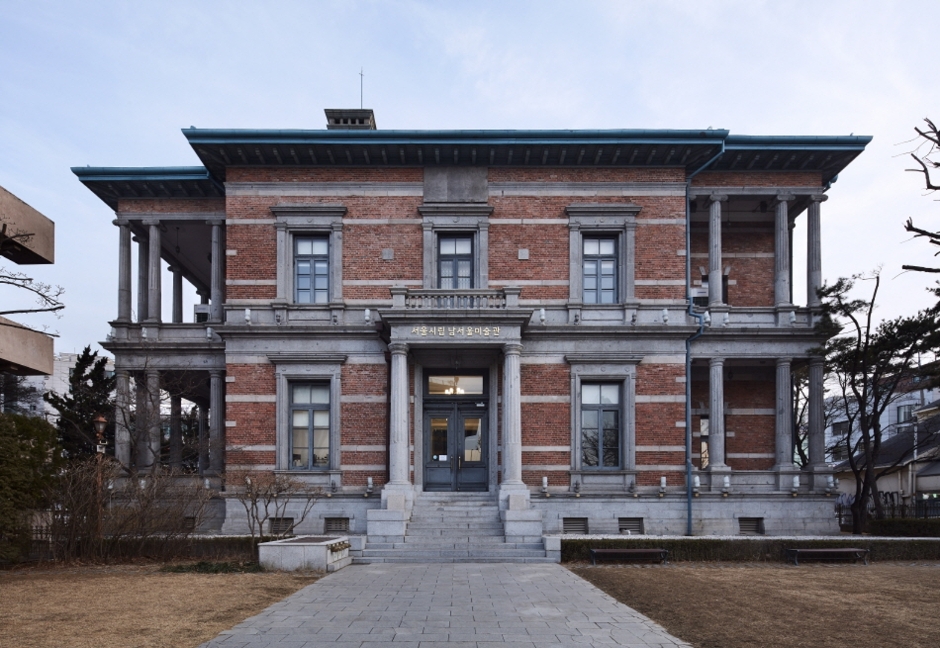
Nam-Seoul Museum of Art (SeMA) (서울시립미술관 남서울생활미술관)
1.9Km 2023-10-17
2076, Nambusunhwan-ro, Gwanak-gu, Seoul
The Nam-Seoul Museum of Art offers visitors a meaningful opportunity to linger beside the traces of history. The building previously served as the Belgian Consulate during the Korean Empire (1897-1910) and has since been designated as a historic Site. It was first constructed in Hoehyeon-dong in 1905 and was relocated to its current location in Namhyeon-dong in 1983. The museum hosts public programs tailored for audiences from various backgrounds in rooms arranged along both sides of a long corridor in the two-story building.
MEDIPACT (메디팩트)
2.1Km 2025-10-23
2nd Floor, 9 Bongcheon-ro 31-gil, Gwanak-gu, Seoul
Medipact is a company that provides an integrated medical platform encompassing foreign patient attraction, global influencer marketing, and interpretation support services. For international patients, Medifact offers personalized one-on-one services to ensure an optimized medical experience, while leveraging its global influencer network to enhance the brand value of partner hospitals and strengthen their international competitiveness.
Furthermore, Medifact goes beyond patient-centered services by operating educational programs for foreign physicians and medical professionals, transferring Korea’s advanced medical technologies and specialized skills. Through these initiatives, Medifact contributes to spreading the excellence of Korean healthcare worldwide and serves as a vital bridge for global medical cooperation.
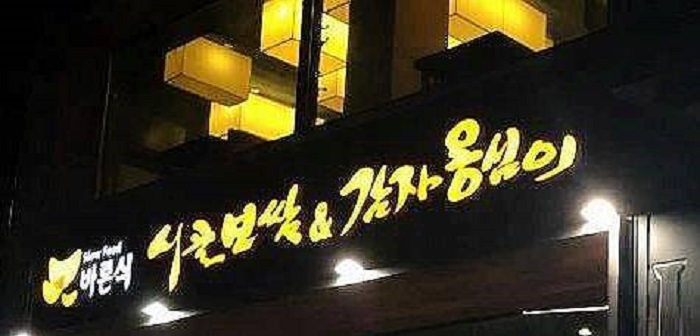
Sigol Bossam (시골보쌈)
2.3Km 2024-10-14
25 Bangbaecheon-ro 2-gil, Seocho-gu, Seoul
Potato Ongsim is also a popular dish. The best menu at this restaurant is kimchi cabbage wraps with pork. This Korean dishes restaurant is located in Seocho-gu, Seoul.
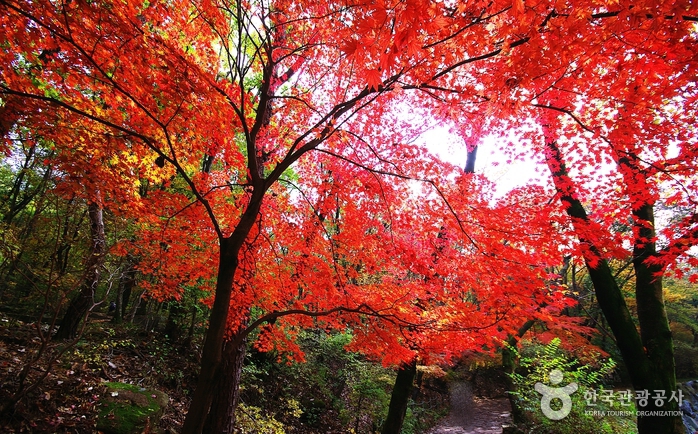
Gwanaksan Mountain (관악산)
2.6Km 2023-01-02
Gwanak-ro, Gwanak-gu, Seoul
Reaching 632.2 meters in x_height, Gwanaksan Mountain is the symbol and pride of Gwanak-gu district in Seoul. Most of the cultural heritage of the district originates from Gwanaksan Mountain. Since it was designated as a city natural park in 1968, it has continued to serve as a favorite place for relaxation and excursion for Seoul citizens. The various rocky peaks and the deep valleys give the mountain a rugged feel. The mountain's size and close proximity to Seoul make it easy for Seoul residents to make a day trip.
In the spring, cherry blossoms are in full bloom near the entrance to the mountain, and a Rhododendron Festival is held when the rhododendrons are in full bloom. At the mountain's summit are Wongaksa Temple and Yeonjuam Hermitage, which were built by Taejo Yi Seong-gye (the founder of the Joseon dynasty) to ward off misfortune when he decided to move the capital to Seoul. There are also other temples and hermitages, and a ground radar observation post. Yeonjudae Hermitage, located atop a cliff, is where all the hiking trails of Gwanaksan Mountain meet.
H+ Yangji Hospital (에이치플러스 양지병원)
2.7Km 2025-11-21
1636 Nambusunhwan-ro, Gwanak-gu, Seoul
We operate a one-stop medical service with 15 specialty centers and 21 departments, along with a 24-hour emergency room. As a certified training hospital for gastroenterology endoscopy specialists, we have been accredited as an Excellent Endoscopy Unit for three consecutive terms and are equipped with state-of-the-art endoscopy and liver-specialized systems.
Our world-renowned medical team, including SRC Master Surgeons (U.S.), provides efficient and safe personalized bariatric and metabolic surgeries. The Spine and Joint Center performs minimally invasive and minimal incision surgeries through close multidisciplinary collaboration.
We also operate Da Vinci robotic surgery and maintain a dedicated Department of Critical Care Medicine.
Heungbu Bossam (흥부보쌈)
2.9Km 2024-10-15
15-13 Sillim-ro 59-gil, Gwanak-gu, Seoul
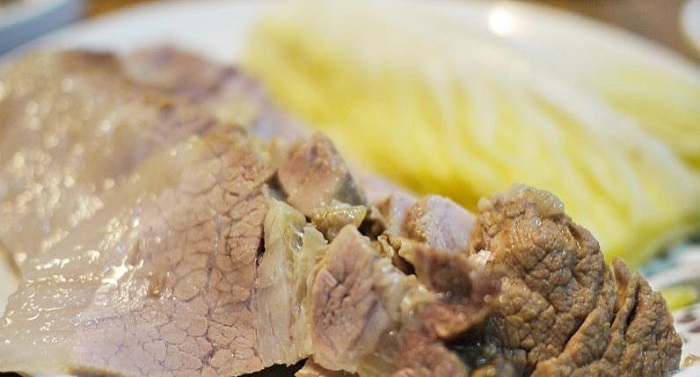
It's a great place to hold group dining and gathering. This Korean dishes restaurant is located in Gwanak-gu, Seoul. The most famous menu is kimchi cabbage wraps with pork.
The Hyooshik Simdo Hotel & Spa Sillim by Aank (더휴식 심도 호텔 앤 스파 신림역점)
2.9Km 2025-04-22
7 Nambusunhwan-ro 181-gil, Gwanak-gu, Seoul
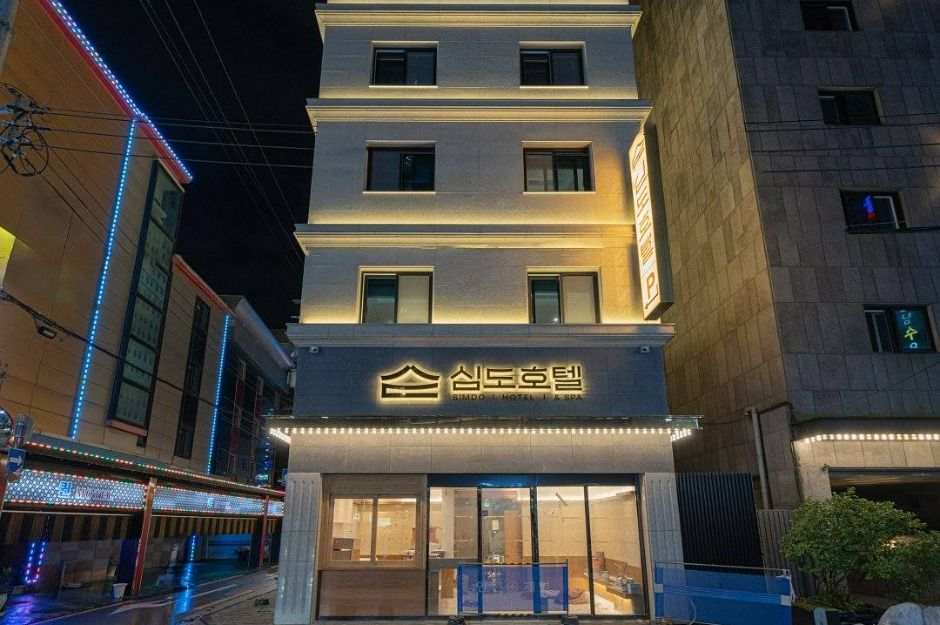
The hotel offers a variety of rooms to choose from, including standard rooms, a music room, a wellness room equipped with a premium massage bed, a movie room, a PC room with computers, four types of spa rooms, and a bunker room that can accommodate up to four people.
 English
 한국어
한국어 日本語
日本語 中文(简体)
 Deutsch
 Français
 Español
 Русский


