
Sambuja Galbi Woncheon Branch (삼부자갈비 원천점)
18.2Km 2025-01-22
335 Jungbu-daero, Yeongtong-gu, Suwon-si, Gyeonggi-do
Since 1983, this restaurant has upheld the tradition of Suwon wanggalbi. The galbi here is grilled over charcoal, adding a rich, smoky depth to the meat’s flavor. A variety of flavorful side dishes accompany the meal, including gejang (marinated crab), enhancing the dining experience.
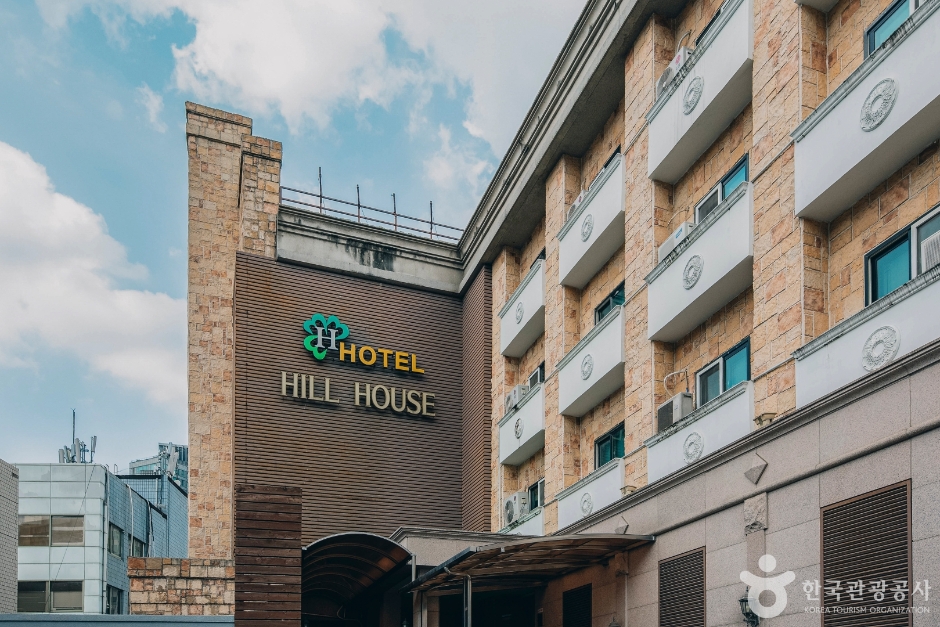
Hillhouse Hotel / 힐하우스 호텔
18.2Km 2025-03-18
42 , Sogong-ro 3-gil, Jung-gu, Seoul
Hill House Hotel is a business hotel at the foot of Namsan Mountain in Seoul. Free internet is available in all rooms, and there is a shared microwave on the first floor. A free luggage storage service is provided for customers’ convenience. Nearby transport links include Hoehyeon subway station, Seoul Station, and Myeongdong subway station, so this is a good base for exploring downtown Seoul. Namsan Park, N Seoul Tower and Namdaemun Market are all within walking distance.
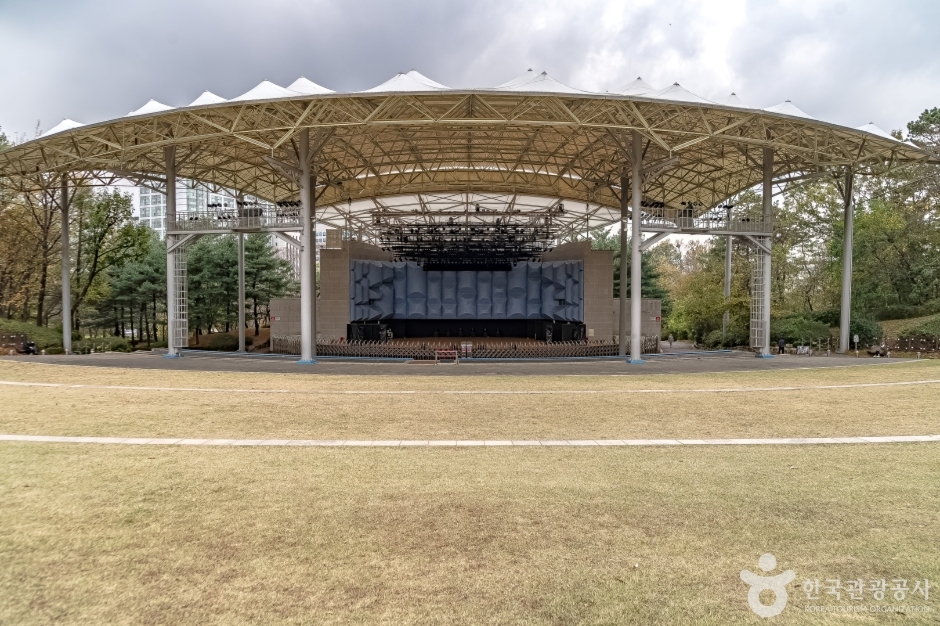
Seongnam Outdoor Theater (성남시 야외공연장)
18.2Km 2024-02-19
550 Seongnam-daero, Bundang-gu, Seongnam-si, Gyeonggi-do
Seongnam Outdoor Theater, situated within the Bundang Jungang Park, offers seating for up to 11,000 visitors, featuring 480 fixed seats and a sprawling 6,600-square-meter grass seating area. Annually hosting concerts, art festivals, exhibitions, and diverse performances, it consistently delights its visitors with high-quality entertainment.
Namsan Cable Car (남산 케이블카)
18.3Km 2024-10-25
83 Sopa-ro, Jung-gu, Seoul
Namsan Cable Car provides a panoramic view of downtown Seoul. The cable car has been in operation for over 40 years, taking tourists and residents alike to Namsan Seoul Tower, one of the most representative tourist attractions in the city.
Yejiwon (예지원)
18.3Km 2022-09-19
72, Jangchungdan-ro, Jung-gu, Seoul
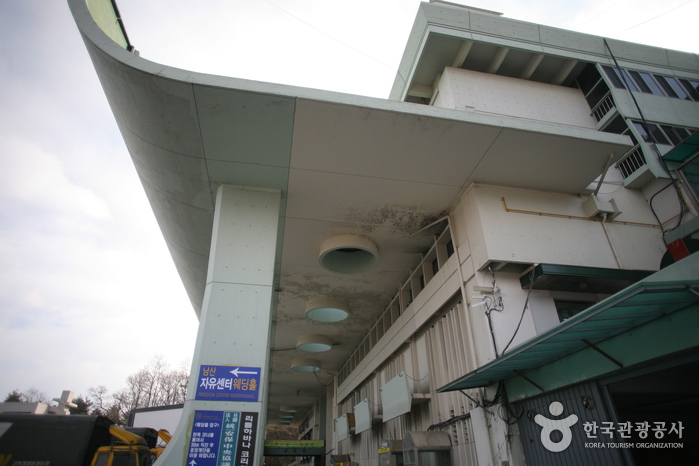
The Yejiwon is located in Seoul Jung-gu Jangchung-dong and has been offering traditional Korean etiquette education programs since its inception on September 16th, 1974. Furthermore, the Yejiwon also serves to introduce the traditional cultures and living cultures of Korean etiquettes to foreigners.
Most programs offered are short-term classes, and reservations can be made on the homepage up to 15 days in advance. Reservations are only available for groups of 10 or more and classes are instructed in Korean only, so it may be a good idea to be accompanied by a guide.
World Cup Park (월드컵공원)
18.3Km 2024-10-23
243-60 World Cup-ro, Mapo-gu, Seoul
Opened on May 1st, 2002, the Wolrd Cup Park was once a 15-year-old landfill that held over 92 million tons of garbage. The park is located near Seoul World Cup Stadium, and is made up of five smaller parks - Pyeonghwa (Peace) Park, Haneul (Sky) Park, Noeul (Sunset) Park, Nanjicheon Park, and Nanji Hangang Park.
* Pyeonghwa Park: Closest to Seoul World Cup Stadium, it holds a pond, garden, children’s playground, and forest. As a representative park of World Cup Park, the park was designed in hopes of peace and harmony between mankind and nature. It is often used as a picnic area and place for nature studies.
* Nanji Hangang Park: Nanji Hangang Park was developed on the banks of the Hangang River. In contrast to other Hangang River parks, Nanji Hangang Park is a water-friendly park that has a gradual slope towards the riverbank. The park consists of a camping ground, soccer field, basketball court, grass field, cruise ship port, and an area for nature studies.
* Haneul Park: Haneul Park consists of vast grassland located at the highest elevation of the five parks. The park's pasture is covered with eulalias and wild flowers in their most natural state. In addition, 30,000 butterflies of different species were introduced in 2000 to stabilize the ecosystem. Five wind-powered generators provide power to the park and the park’s maintenance office. Once a mountain of garbage, it is now a green hill with 22 lookout points offering breathtaking views of Seoul, including the N Seoul Tower, Bukhansan Mountain, and Hangang River. Tall trees are line the park to provide shades and serve as resting spots for visitors. As a popular spot to enjoy the sight of eulalias, the park usually remains open until late in the evening during the Eulalia Festival period.
* Noeul Park: In order to prevent the vast area of land of what was once a wasteland from becoming an unnecessary chunk of land, a nine-hole golf course was constructed in what is now known as Noeul Park. The golf course serves as an environment friendly entertainment park to visitors while stabilizing the geographical formation and has an urban park nearby that offers scenic views of the Hangang River and beautiful sunset. Located west of the golf park is Noeul Square, decorated with shrubs and flowers.
* Nanjicheon Park: Nanjicheon Park was developed from the Nanji Stream, which flowed under Haneul Park. It was once overflowing with sewage runoff from a nearby landfill, but it has since been beautifully restored into a park with clear water. The park is built to serve as a recreational spot for those with for youths, elders, and people with disabilities.
National Theater of Korea (국립극장)
18.3Km 2024-03-06
59, Jangchungdan-ro, Jung-gu, Seoul
The National Theater of Korea opened in 1950 as the first national theater in Asia. It is the only production theater that takes traditional arts to recreate them as contemporary art. It offers various types of theaters, such as Haeoreum Grand Theater, Daloreum Theater (middle-size), Immersive Studio ByeolByeol (small-size), and Haneul Round Theater with a circular stage structure. In addition, the Museum of Performing Arts, Cultural Plaza, and other convenience stores and coffe shops offer pleasure and relax to its visitors.
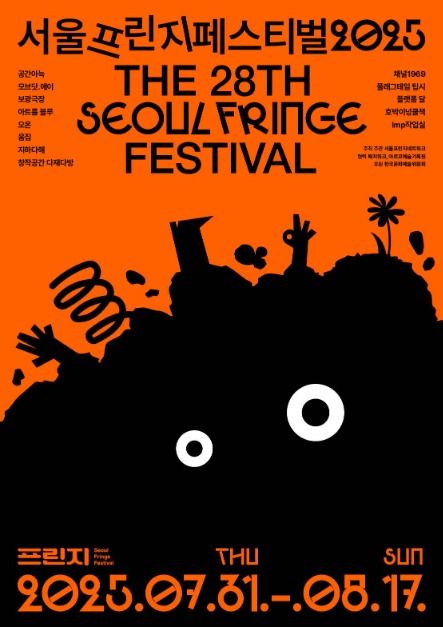
Seoul Fringe Festival (서울프린지페스티벌)
18.3Km 2025-07-24
84-3 Seongmisan-ro 13-gil, Mapo-gu, Seoul
+82-2-325-8150
Seoul Fringe Festival has been held every summer annually since 1998. The festival is open to artists of all genres, from dance to music and media art. Due to the open style and non-competitive element of the festival, artists and festival-goers alike are free to express themselves however they choose.
Myeongdong Jjukkumi (명동쭈꾸미)
18.3Km 2025-07-23
3-28 Toegye-ro 6-gil, Jung-gu, Seoul
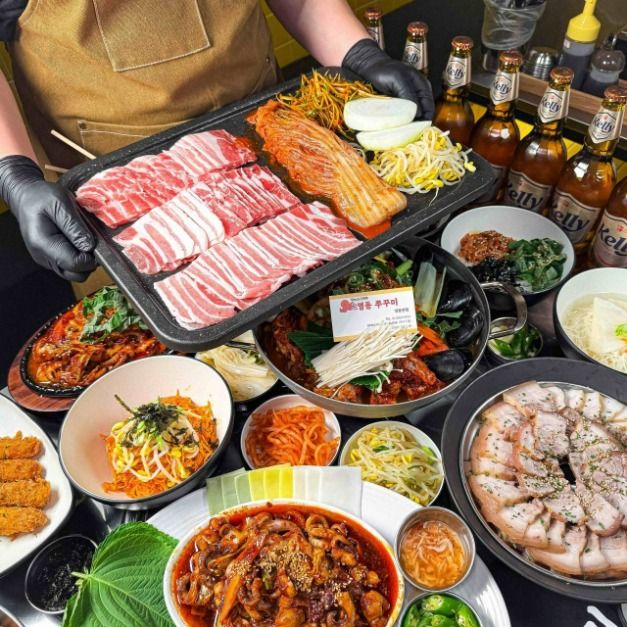
Myeondong Jjukkumi is a jjukkumi (ocellerated octopus) restaurant located in Jung-gu, Seoul. It only takes about a 1-minute walk from Hoehyeon Station (Seoul Subway Line 4), Exit 2, a convenient location for both tourists and people who work in the area. Main menu items consist of jjukkumi and samgyeopsal (grilled pork belly), pork galbi (rib meat), bossam (cabbage wraps with pork), among other set menus. All dishes are cooked in the kitchen, and are known for their spicy kick and savory taste. The restaurant can accommodate group guests as it has a spacious hall as well as outdoor tables. Customers dining at the restaurant can help themselves to more side dishes at the self-service side dish bar and enjoy a hearty meal at a reasonable price.
Bokidang (복이당)
18.3Km 2025-09-15
3-28 Toegye-ro 6-gil, Jung-gu, Seoul
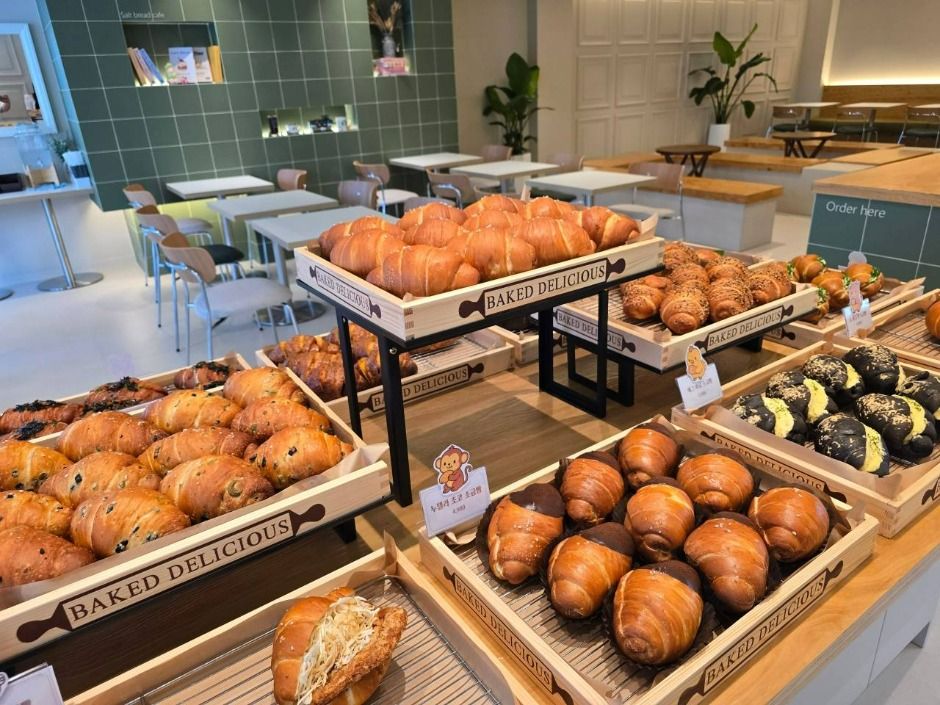
Bokidang is a handmade salt buns specialty bakery cafe located in Jung-gu, Seoul. It is conveniently located just a 30-second walk from Exit 2 of Hoehyeon Station, situated in an area with high foot traffic from office workers and tourists. Bokidang presents handmade salt bread and beverages made with carefully selected fresh ingredients, with the hope that "everyone who eats will be blessed." The signature menu features a lineup of salt breads inspired by the 12 zodiac animal characters, each embodying health, wishes, and small happiness in a single bite. The store has a clean and warm atmosphere with an indoor seating area and outdoor seating, accommodating group guests and offering takeout for added convenience.
 English
 한국어
한국어 日本語
日本語 中文(简体)
 Deutsch
 Français
 Español
 Русский


