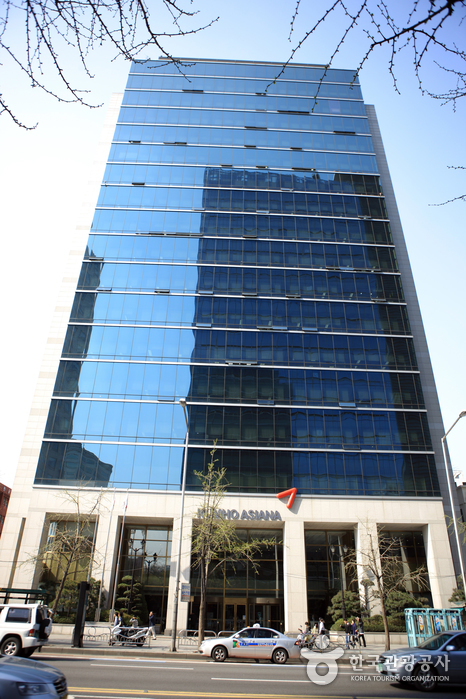
Kumho Art Hall (금호아트홀)
8.3Km 2021-05-28
76, Saemunan-ro, Jongno-gu, Seoul
+82-2-6303-1977
Kumho Art Hall was built in 2000 exclusively for classical music concerts, with 390 seats, the perfect structure for chamber concerts. All seats are recital hall chairs and the wide spacing between rows of chairs helps the audience to have a pleasant time. Upon entering the theater, all cell phones will turn off automatically. This helps all visitors to enjoy the concert without being interrupted by ringing cell phones. The interior is cozy and luxurious, and the stage is made of maple.
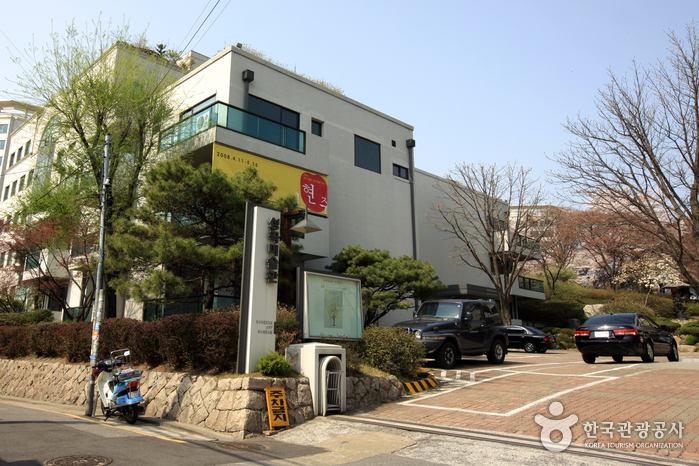
Sungkok Art Museum (성곡미술관)
8.3Km 2021-02-10
42, Gyeonghuigung-gil, Jongno-gu, Seoul
+82-2-737-7650
Sungkok Art Museum was founded in 1995 by the Korean corporation Ssangyong to promote Korean art. The gallery offers a special exhibition featuring modern artworks of Korean artists, as well as competitions and sponsorships to develop Korean art. In addition to the main building, there is an annex, as well as a tea house and art shop.
![Olive Young - Itaewon Branch [Tax Refund Shop] (올리브영 이태원입구)](http://tong.visitkorea.or.kr/cms/resource/82/2878482_image2_1.jpg)
Olive Young - Itaewon Branch [Tax Refund Shop] (올리브영 이태원입구)
8.3Km 2024-04-18
1F, 145, Itaewon-ro, Yongsan-gu, Seoul
-

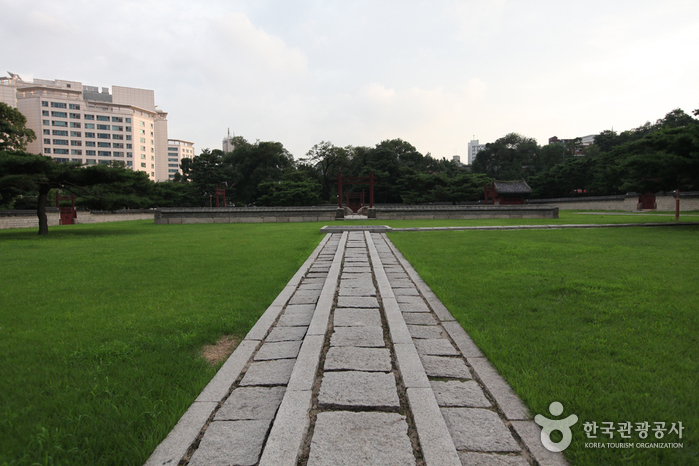
Seoul Sajik Park (사직공원(서울))
8.3Km 2021-11-12
89, Sajik-ro, Jongno-gu, Seoul
+82-2-2148-4149
Sajik Park is one of the three most popular parks in Jongno-gu along with Tapgol Park and Samcheong Park. Located west of the Government Complex-Seoul on the southeastern foothills of Inwangsan Mountain, the park measures an impressive 188,710 m².
The name of the park dates back to 1395 when Taejo Yi Sung-gye made Sajik Altar (altar to the State deities) at the center of the park. "Sa" refers to the deity of the earth while "jik" refers to the deity of the five grains. Rites wishing for a good harvest were held regularly at Sajik Altar.
In the park are several playgrounds, statues of Sin Saimdang, Hwanghakjeong, and Yulkog Yi I, and the Municipal Children's Library. Dangun Shrine and Jongno Library are situated nearby. By following the path next to Sajik Park for approximately 5 minutes, travelers can reach the Inwangsan hiking path with relative ease.
![Homeplus Stores - Siheung Branch [Tax Refund Shop] (홈플러스스토어즈 시흥)](http://tong.visitkorea.or.kr/cms/resource/52/2880452_image2_1.jpg)
Homeplus Stores - Siheung Branch [Tax Refund Shop] (홈플러스스토어즈 시흥)
8.3Km 2024-04-22
201, Siheung-daero, Geumcheon-gu, Seoul
-
![Olive Young - Homeplus Siheung Branch [Tax Refund Shop] (올리브영 홈플러스시흥)](http://tong.visitkorea.or.kr/cms/resource/55/2880455_image2_1.jpg)
Olive Young - Homeplus Siheung Branch [Tax Refund Shop] (올리브영 홈플러스시흥)
8.3Km 2024-04-18
1F, 201, Siheung-daero, Geumcheon-gu, Seoul
-
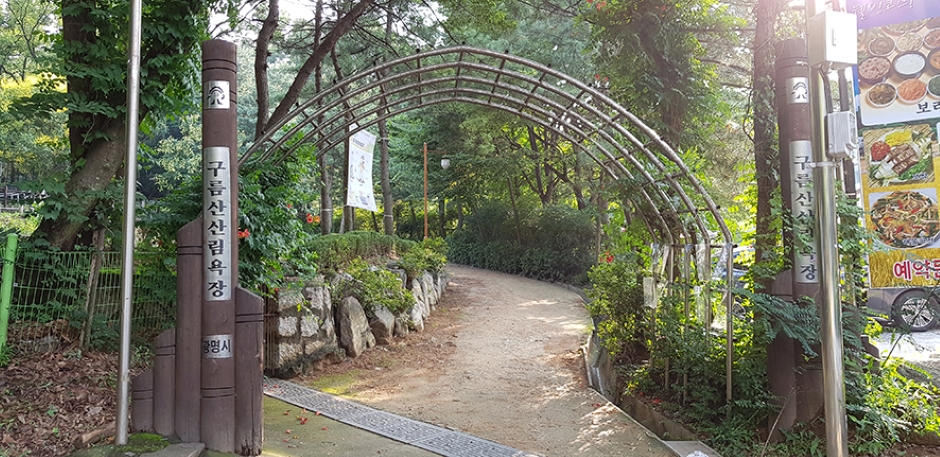
Gureumsan Forest Park (Gureumsan Urban Forest Park) (구름산 산림욕장 (구름산 도시자연공원) )
8.3Km 2024-04-08
27 Ori-ro 619beon-gil, Gwangmyeong-si, Gyeonggi-do
Gureumsan Forest Park is densely populated with trees that are 20 meters high. The forest park has a playground and wooden benches, and has the highest phytoncide concentration out of all the 13 forest parks in Gyeonggi-do. This hiking trail has been developed with 356 fir trees and an 184-meter red clay trail to provide citizens and tourists with a relaxing barefoot walking experience. Most of the forest paths in the park area are covered in wood chips, making it easier to walk.
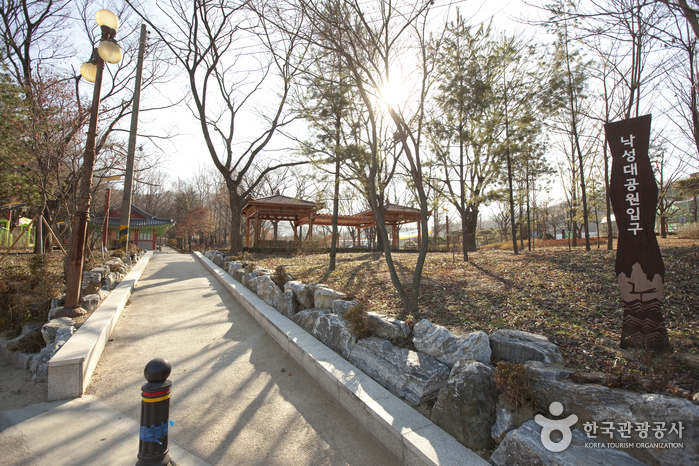
Gwanaksan Mountain Nakseongdae Park (관악산 낙성대공원)
8.3Km 2021-07-16
77, Nakseongdae-ro, Gwanak-gu, Seoul
+82-2-879-6525
Nakseongdae Park was built as a tribute to General Kang Gam-chan (948-1031) of the Goryeo dynasty. In 1973, the city of Seoul reorganized the birthplace of General Kang, resulting in changes to the park. Located inside the park are Anguksa Shrine, the general’s birthplace, and a three-story stone pagoda, which was made during the Goryeo dynasty. The 4.48-meter-high pagoda is made of granite, and is called “Kang Gam-chan Tap (pagoda)” or “Kang Gam-chan Nakseongdae Tap”.
*Anguksa Shrine
Anguksa is a shrine built in 1974 emulating the wooden architecture style of the Goryeo era. The shrine has high ceilings and houses the portrait of General Kang Gam-chan. The shrine is located on the road leading to the back gate of Seoul National University and has become a popular place in the area.
*Nakseongdae Yuji
Nakseongdae Yuji is the birthplace of General Kang Gam-chan and the original location of the three-story pagoda. During the maintenance of Nakseongdae area in 1973, the pagoda was moved into the vicinity of Anguksa Shrine, and a two-meter tall monument was erected in its original location to mark the historical significance of the site.
Dalgaebi (달개비)
8.3Km 2024-03-15
16 Sejong-daero 19-gil, Jung-gu, Seoul
+82-82-2-765-2035, 2068
Dalgaebi is a restaurant specializing in Korean table d'hote, using fresh seasonal ingredients. Its flagship menu is the teukseon sangcharim jeongsik (special set menu), which includes porridge, seasonal dishes, main courses, and desserts. The galbi sangcharim (galbi course), featuring premium Korean beef galbi grilled over charcoal and served with soybean paste jjigae, is also popular. Known for its private dining spaces and upscale ambiance, reservations can be made via phone.
 English
 한국어
한국어 日本語
日本語 中文(简体)
 Deutsch
 Français
 Español
 Русский


